










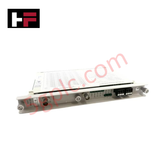
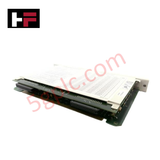
Product Details
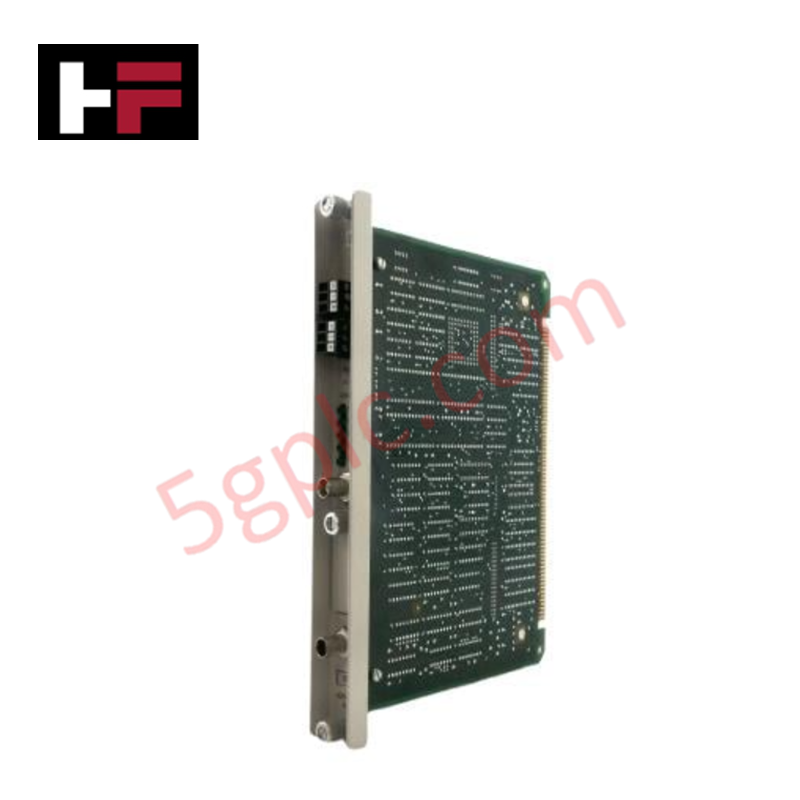
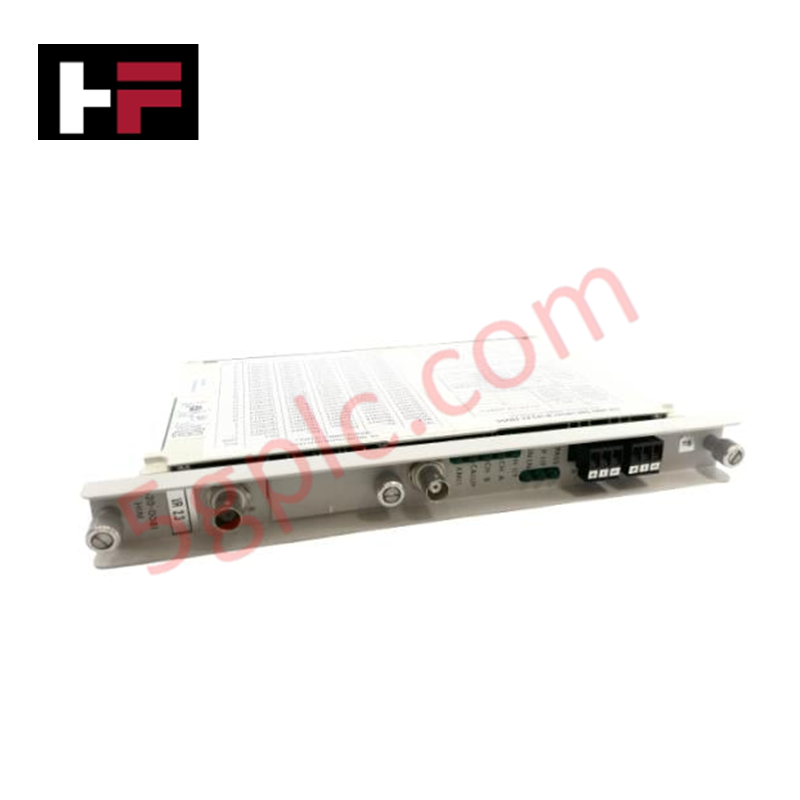
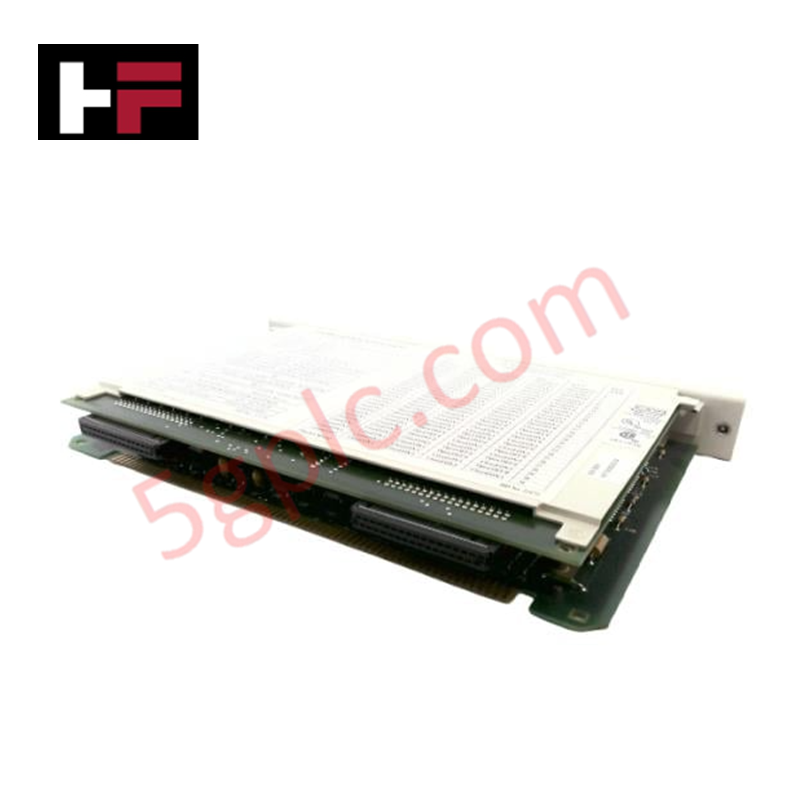
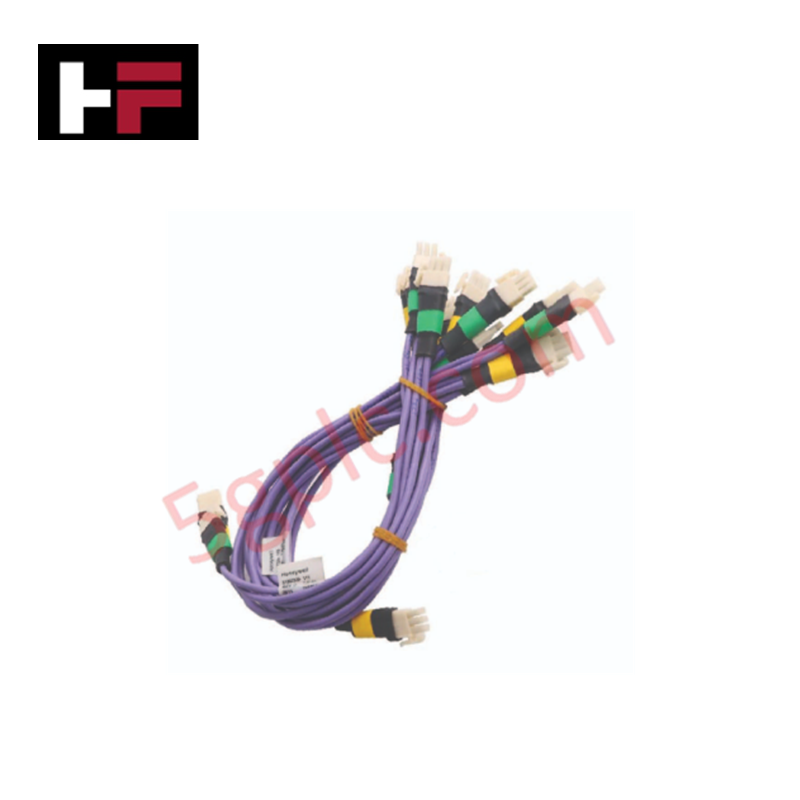
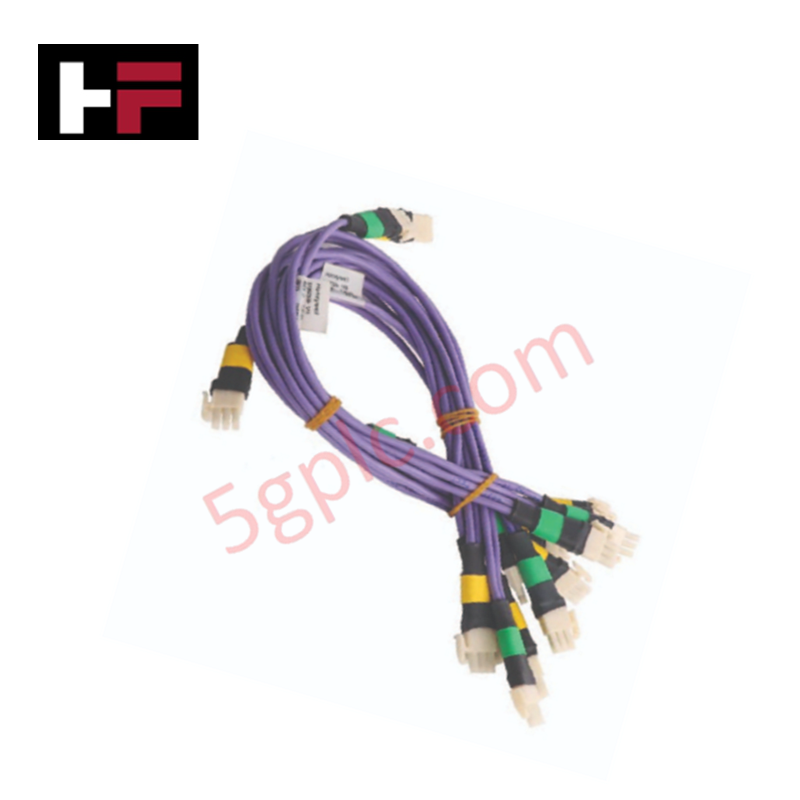
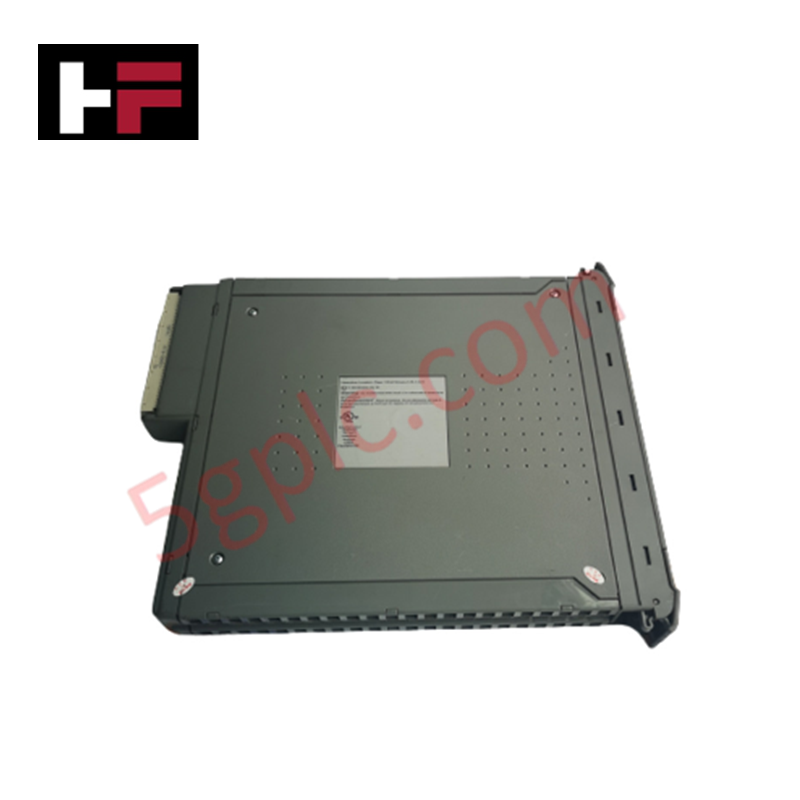
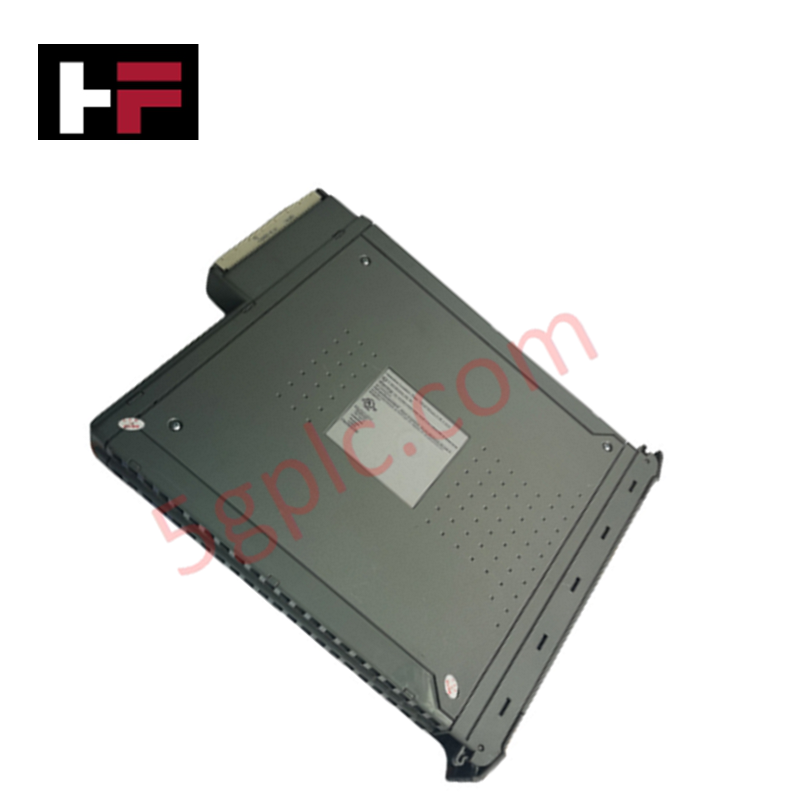
Configured for communication bridge execution between IPC 620 processors and TDC 3000 platforms, the Honeywell 620-0081 (620-0081 Data Hiway Interface Module) provides direct physical execution of data translation and protocol mapping. This 8-position module functions as the primary gateway for transmitting process variables, status indicators, and control commands across legacy network architectures, enabling synchronized data exchange between discrete control hardware and distributed process networks.
Hardware Specifications
| Parameter | Specification |
|---|---|
| Model | 620-0081 |
| Brand | Honeywell |
| Weight | 0.96 kg (2.12 lbs) |
| Operating Temp | Standard industrial ambient range |
| Power Consumption | Backplane dependent |
| Interface Capacity | 8 positions |
Channel-to-Channel Isolation and Data Protocols
The 620-0081 module manages communication signal integrity through dedicated channel-to-channel isolation, preventing ground potential variations from corrupting the high-speed data stream between the IPC 620 and the TDC 3000 Data Hiway. The module architecture is designed to maintain signal parity and error-checking protocols necessary for long-distance data transmission in complex process environments. When integrating the module, cold junction compensation (CJC) and signal shielding must be verified if the module interfaces with auxiliary sensor loops to ensure that common-mode interference does not induce analog-to-digital conversion inaccuracies.
Frequently Asked Questions
Q: Does the 620-0081 module support hot-swap capabilities in the IPC 620 rack?
A: No. Hot-swapping is not supported. All power must be disconnected from the backplane rack assembly prior to module installation or removal to avoid potential damage to the interface circuitry and bus pins.
Q: How is data throughput managed between the 620 processor and the TDC 3000 Hiway?
A: Data throughput is regulated by the module’s internal communication mapping and the synchronization clock of the TDC 3000 Hiway. The module performs real-time protocol conversion, which requires a stable backplane scan rate to ensure deterministic data availability.
Field Installation Guidelines
- Slot Configuration: Insert the 620-0081 into the designated IPC 620 rack slot. Utilize the module locking mechanism to ensure positive contact with the backplane connectors.
- Grounding: Ensure the rack chassis is bonded to a clean earth ground. High-frequency noise present on the Data Hiway cabling must be shunted to ground to maintain signal fidelity.
- Cable Routing: Separate the Data Hiway interface cabling from high-voltage power conduits. Cross-talk and electromagnetic interference from AC switching loads can cause parity errors in the translated data.
- Termination: Verify that the Hiway communication bus is properly terminated at both physical ends of the loop to prevent signal reflections that compromise bit-level communication.
Additional Information
- 100% Genuine Parts: All products are original and authentic, ensuring reliable industrial performance.
- 30-Day Refund Guarantee: Return any in-stock item within 30 days in original, unopened packaging for a full refund (excluding shipping and fees).
- 12-Month Warranty: Covers defects in materials or workmanship; excludes misuse, normal wear, or unauthorized modifications.
- Worldwide Shipping: We ship via USPS, UPS, FedEx, and DHL. Delivery times vary by country and may be subject to customs or import fees.
- Support & Contact: Technical and warranty assistance is available anytime. Contact us here: Contact.
- Purchase Guidance: Check product specifications and compatibility carefully before ordering to ensure proper application.
Tech & Buying Guide

The Shift to Flexible IO Modules in Modern Industrial Automation
Traditional control systems rely on dedicated Input Output (IO) cards for industrial automation. Each conventional module processes a single signal type, such as Digital Input (DI), Digital Output (DO), Analog Input (AI), or Analog Output (AO). A standard 16-channel card accepts only one specific channel type across all ports. This inflexible hardware design often creates severe engineering bottlenecks during project execution. Engineers frequently must install entirely new cards to accommodate a single extra sensor. Consequently, late design changes increase control cabinet space requirements and drive up project costs.

DCS Commissioning Steps in Industrial Automation Projects
Commissioning a Distributed Control System (DCS) represents a crucial milestone when deploying modern process automation infrastructure. Field engineers must execute systematic verification steps to transition complex control hardware from static installation to dynamic plant control. Proper commissioning ensures that controllers, I/O modules, network switches, and HMI software operate in strict compliance with engineering design specifications before introducing live process fluids.

PLC and DCS Control System Spares Strategy: Engineering Guidelines
Modern factory automation relies on high-speed fiber optic backbones to link distributed control systems across noise-intensive industrial environments. Unlike copper wiring, optical fibers transmit data via light pulses, making them completely immune to electromagnetic interference (EMI). Field engineers must master optical cable joining and fusion splicing techniques to guarantee low-loss data transmission across critical Programmable Logic Controller (PLC) and Distributed Control System (DCS) nodes.