










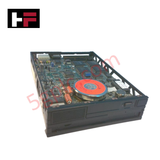
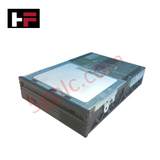
Product Details
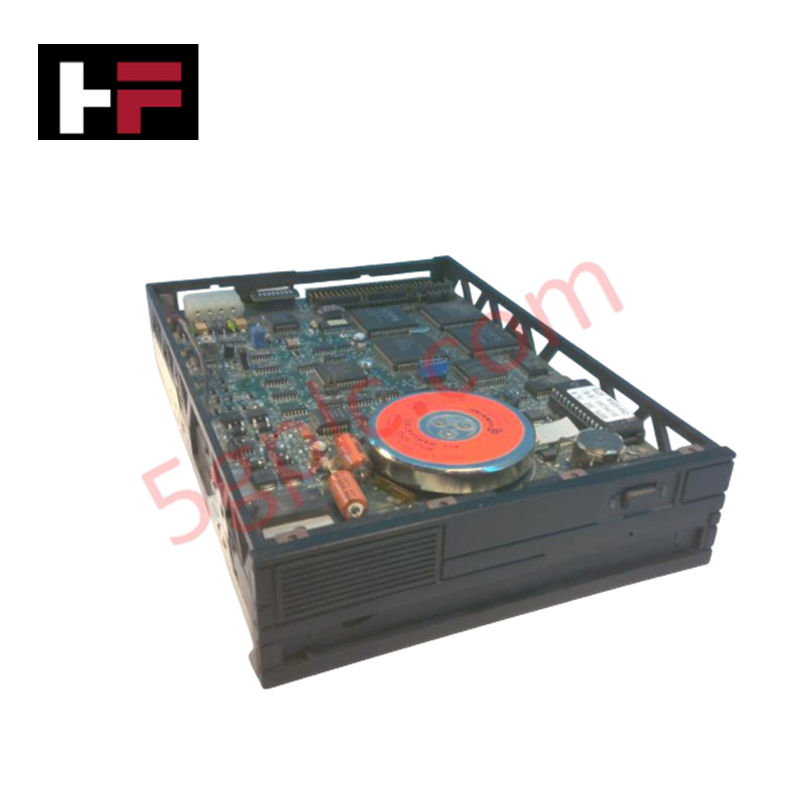
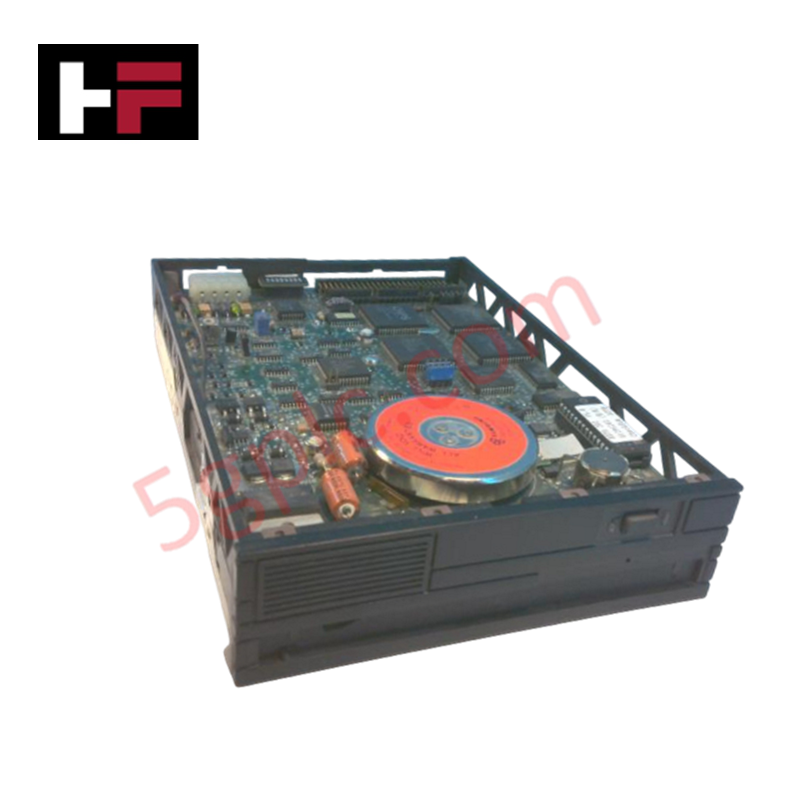
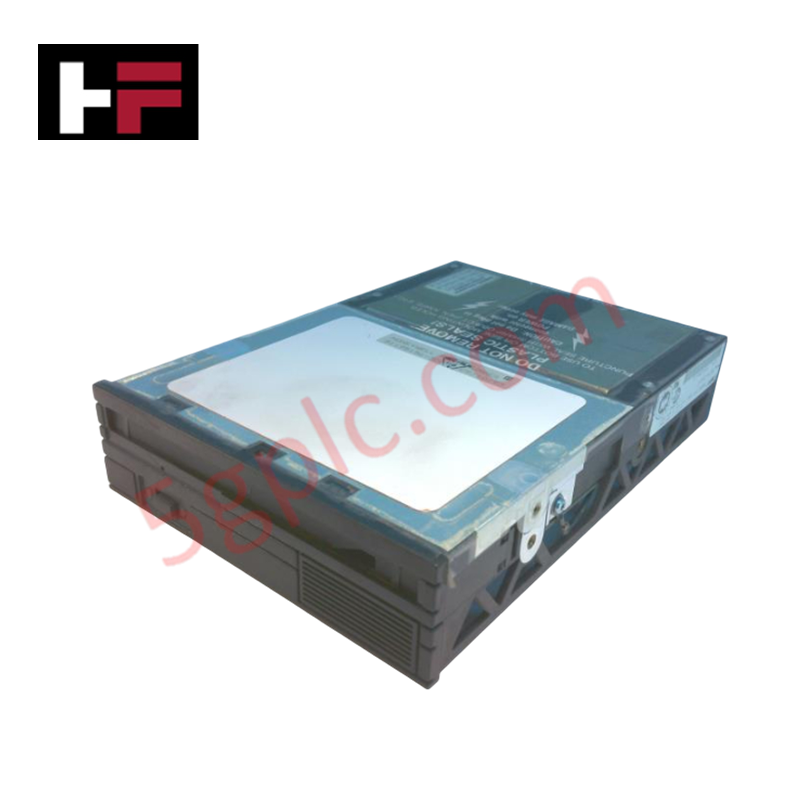
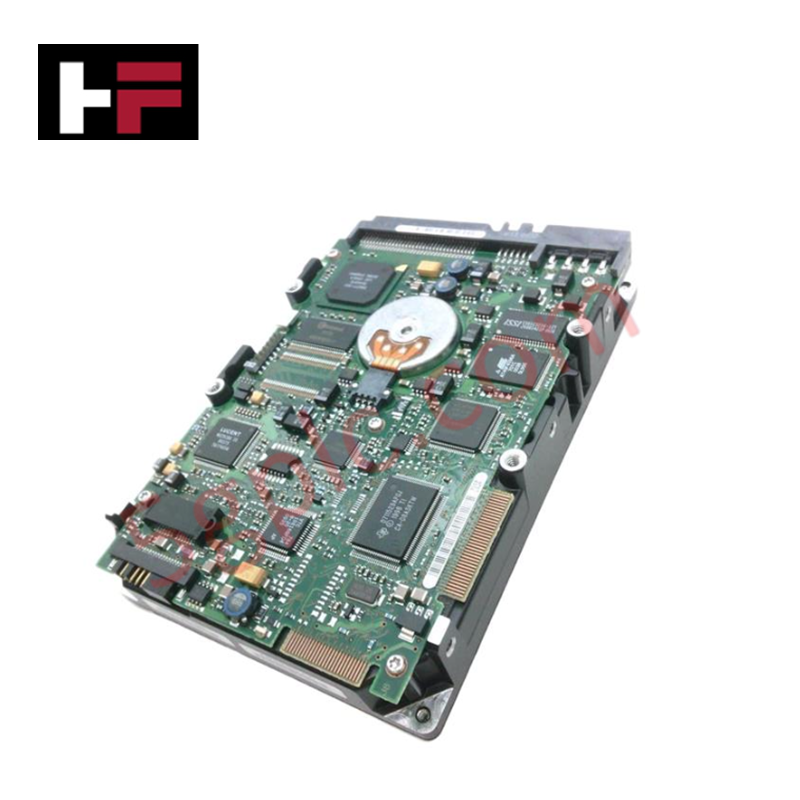
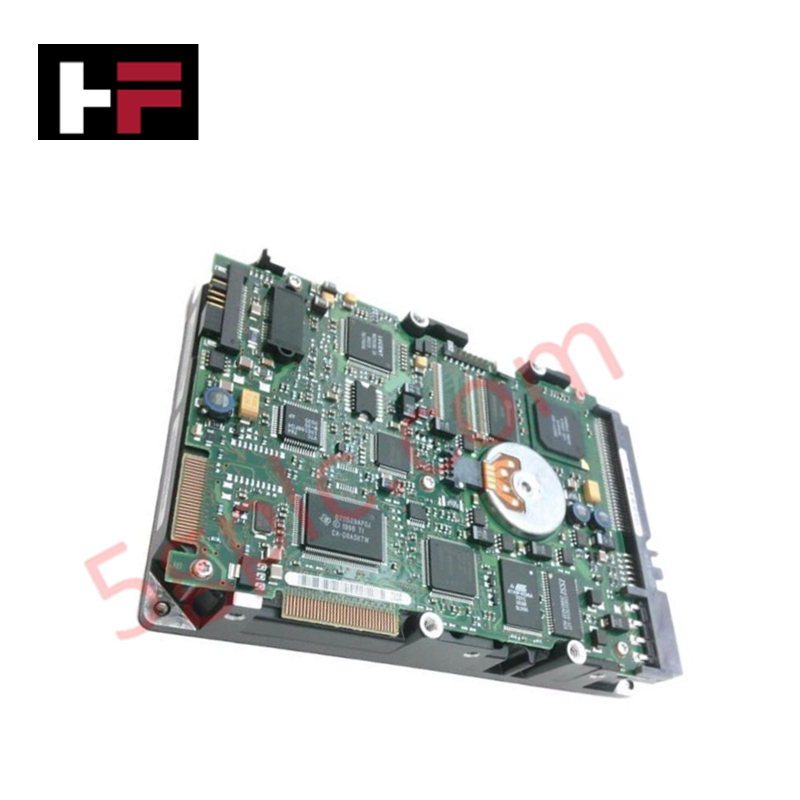
The Honeywell 51195156-300 serves as the primary 51195156-300 Drive Board utilized to execute cartridge drive data storage and physical transport control across legacy control platforms. The electronic assembly monitors rotational parameters, manages hardware indexing loops, and maintains interface synchronization with main processing units under strict electronic timing schedules.
Hardware Specifications
| Parameter | Specification |
|---|---|
| Model | 51195156-300 |
| Brand | Honeywell |
| Series / Module Type | Legacy Control System / Cartridge Drive Board |
| Origin | USA |
| Weight | 1.71 kg (3.77 lbs) |
| Dimensions | Standard multi-layer card rack profile |
| Operating Temp | 0 to +60 deg C (Standard backplane internal ambient) |
| Power Consumption | 5-12 VDC operational range, 2 A current draw limit |
| Storage Capacity Control | 20 MB legacy media drive systems |
| System Interfacing | CRP interface protocol bus topology |
Channel-to-Channel Isolation and Noise Suppression
The multi-layer circuit layout of the 51195156-300 card architecture includes internal inductive isolation planes designed to limit signal noise leakage into adjacent hardware frames. This layout reduces common-mode voltage spikes on the 5-12 VDC internal power line during high-current disk seeking operations. By shielding high-speed clock traces, the drive board isolates parallel databus nodes, preventing the generation of cross-talk that could distort the 4-20 mA HART loop protocol parameters present on neighboring process control I/O terminations within the same marshalling enclosure.
Frequently Asked Questions
Q: Does the 51195156-300 assembly allow live hot-swap replacement within the processor chassis?
A: No. The board lacks specialized pre-charge pins required to isolate bus lines during insertion. Power down the controller frame before extraction to avoid disrupting backplane data framing or damaging edge connectors.
Q: How are power line drops handled across the board when the cartridge drive pulls its maximum 2 A current?
A: The board includes localized high-capacity decoupling capacitors designed to damp current transients on the 5 VDC and 12 VDC power lines, stabilizing voltages during track change sequences.
Field Installation Guidelines
- Card Guide Alignment: Insert the board into the designated chassis slot using the built-in guide rails. Ensure the card edge connectors align properly with the backplane pin matrix before pressing the card home.
- Grounding Trace Check: Verify the frame grounding spring clips on the module faceplate are clean and make direct contact with the bare metal of the sub-rack housing.
- Cable Separation: Route all parallel ribbon cables away from heavy alternating current lines or electric motor circuits to maintain data frame accuracy on the CRP bus.
- Thermal Clearance Limits: Confirm that cabinet ventilation fans operate within parameters. Maintain clear space below the card rack to allow passive convective airflow to cool the components beneath the +60 deg C operational threshold.
Additional Information
- 100% Genuine Parts: All products are original and authentic, ensuring reliable industrial performance.
- 30-Day Refund Guarantee: Return any in-stock item within 30 days in original, unopened packaging for a full refund (excluding shipping and fees).
- 12-Month Warranty: Covers defects in materials or workmanship; excludes misuse, normal wear, or unauthorized modifications.
- Worldwide Shipping: We ship via USPS, UPS, FedEx, and DHL. Delivery times vary by country and may be subject to customs or import fees.
- Support & Contact: Technical and warranty assistance is available anytime. Contact us here: Contact.
- Purchase Guidance: Check product specifications and compatibility carefully before ordering to ensure proper application.




Tech & Buying Guide

Demystifying the DDE Protocol in Legacy Industrial Automation Systems
Modern control systems rely heavily on seamless interprocess communication to exchange operational data between software programs. Microsoft first introduced the Dynamic Data Exchange (DDE) protocol in 1987 to enable real-time data sharing. In factory automation, DDE served as an early bridge between control software and Windows desktop applications. Therefore, understanding DDE mechanics provides crucial insights into how legacy industrial networks established software-level connectivity.

Demystifying CPU Communication Ports in Siemens PLC Architectures
Industrial automation relies heavily on robust data exchange between devices. Without seamless connectivity, field instruments, network switches, human-machine interfaces, and programmable logic controllers cannot coordinate effectively. Therefore, understanding the various CPU communication ports available in Siemens hardware ensures efficient factory automation design and seamless system integration.

Mastering the Siemens PLC Scan Cycle: How the CPU Executes Automation Programs
Industrial automation relies heavily on programmable logic controllers (PLCs) to manage complex manufacturing processes. Many engineers dive straight into programming without mastering the underlying architecture. However, understanding how a PLC CPU executes a program ensures reliable system design. Therefore, mastering the scan cycle optimizes both performance and troubleshooting in modern control systems.