










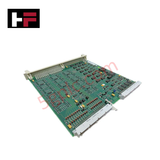
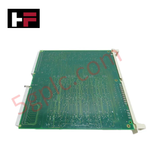
Product Details
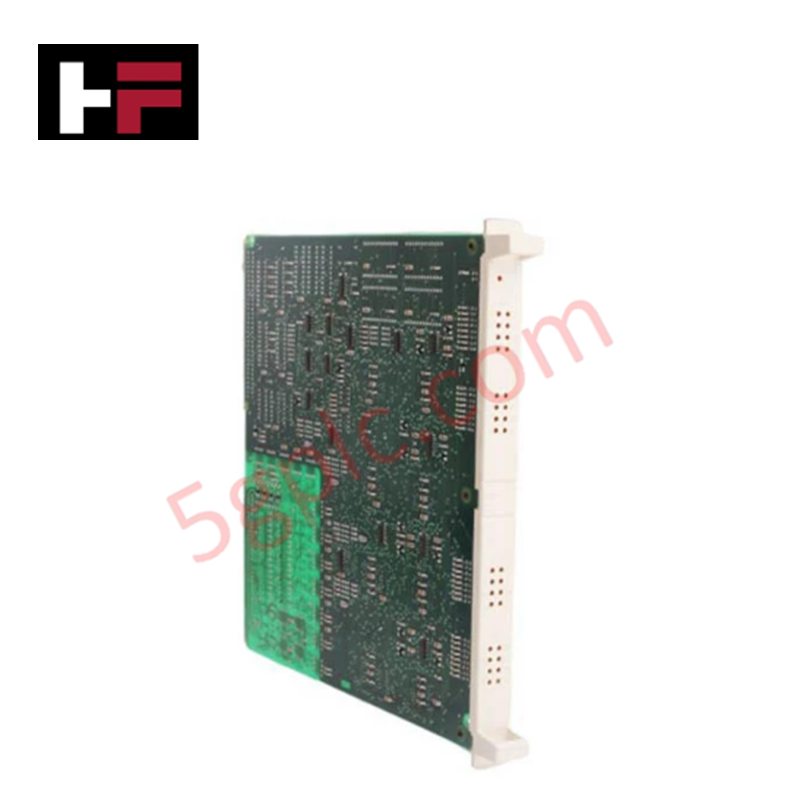
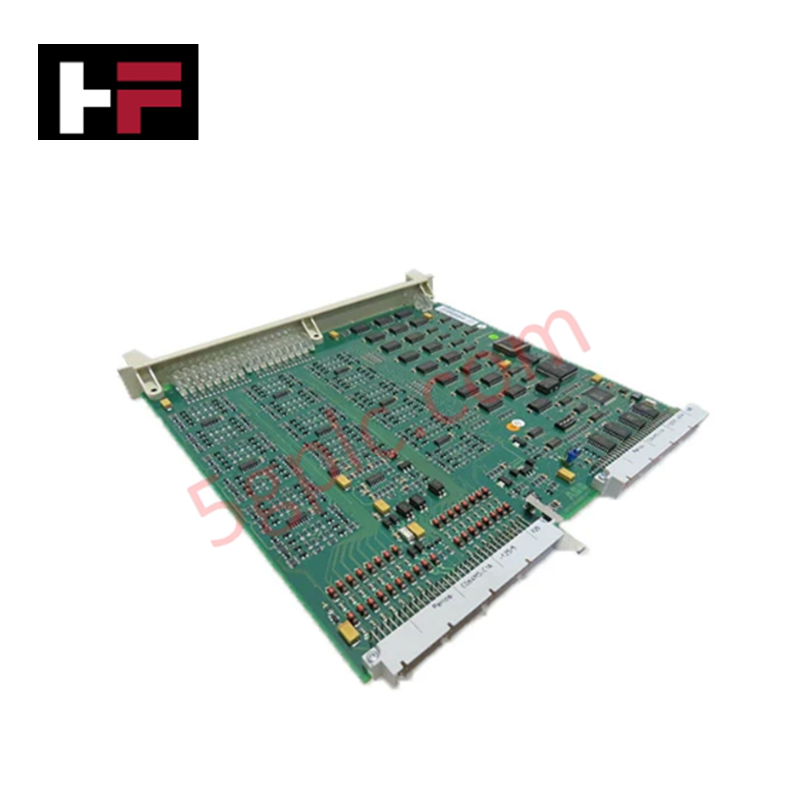
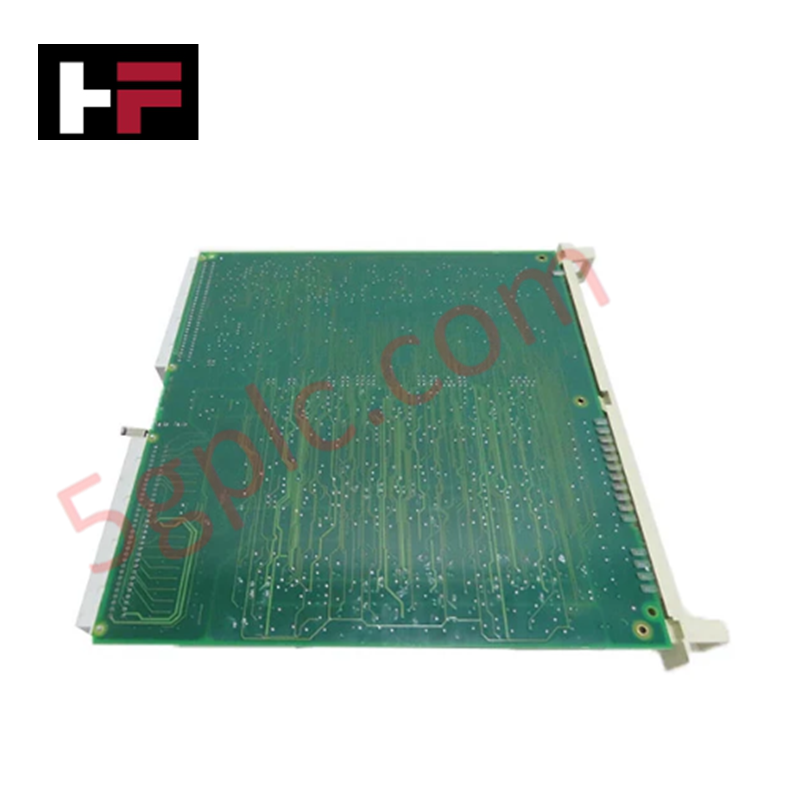
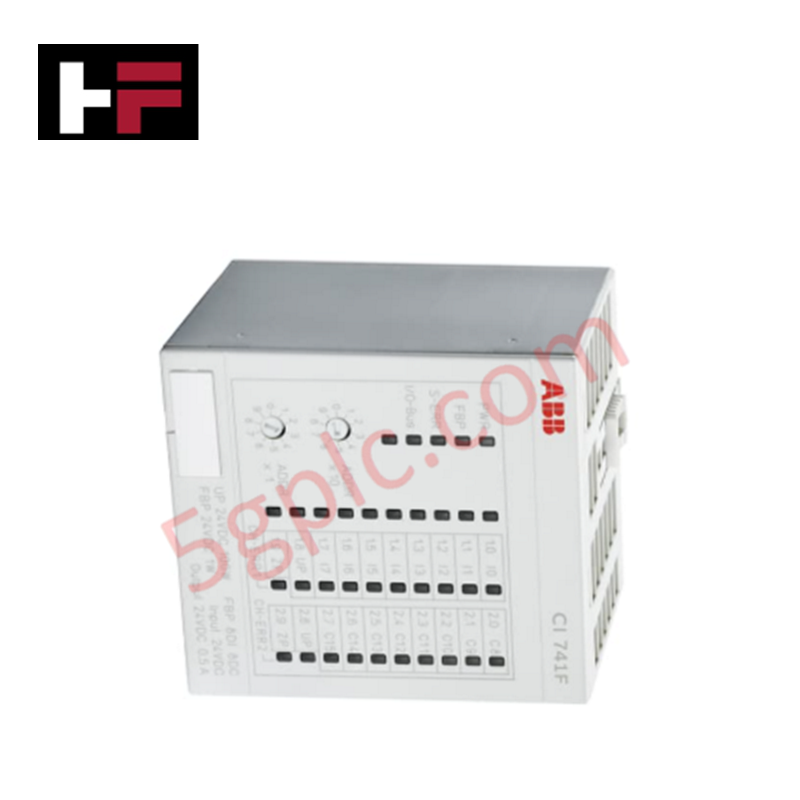
The ABB 3BSX605032R4, also cataloged as the 3BSX605032R4 Control Module, operates as a dedicated hardware component for localized control logic execution and process regulation within ABB industrial automation platforms.
Hardware Specifications
| Parameter | Specification |
|---|---|
| Model | 3BSX605032R4 |
| Brand | ABB |
| Origin | Sweden / Switzerland |
| Weight | 0.45 kg (Standard module baseline) |
| Dimensions | 45 mm x 130 mm x 125 mm (Standard rack form factor) |
| Operating Temp | 0 to +60 deg C (Industrial standard baseline parameters) |
| Power Consumption | Derived via backplane interface (Module load dependent) |
| Product Type | Control Modules |
| Mounting Configuration | Chassis base slot assignment |
| Cooling | Passive convection |
Profinet / EtherNet/IP Deterministic Networks and I/O Density Scaling
The logic execution engine embedded inside the 3BSX605032R4 processes discrete and register data matrices synchronously with system bus updates. This architectural design ensures local processing cycles do not interfere with or degrade overall backplane bus communication velocity. The module coordinates network packet translation frames seamlessly across adjacent Profinet / EtherNet/IP deterministic networks without inducing data jitter. By sustaining fixed protocol clocking loops, the hardware preserves full firmware flash compatibility across standard automation nodes and allows linear I/O density scaling during system expansion sequences.
Frequently Asked Questions
Q: Does the 3BSX605032R4 support online hot-swap operations during an active processing loop?
A: No. Physical extraction or insertion of this control module must only occur when the dedicated rack segment or slot power delivery is isolated. Unapproved removal under active electrical loads can interrupt backplane line termination resistors and initiate system communication dropouts.
Q: How is the matching firmware flash compatibility ensured when integrating a field replacement card?
A: The configuration application reads the precise hardware revision identifiers embedded within the EEPROM code of the module. Before loading the software logic, firmware alignment must be validated and matched through the engineering workstation system interface.
Q: What mechanisms protect the internal data register structures against localized power disruptions?
A: The hardware retains active variables and application logic maps using on-board non-volatile memory chips. System status indicators and processing arrays are automatically synchronized with the main host controller during initial power-up indexing routines.
Field Installation Guidelines
- Chassis Alignment: Align the card rails with the plastic guide slots of the backplane sub-assembly. Press straight and firmly until the edge connector pins mate completely and the faceplate latches engage.
- Low-Impedance Frame Earthing: Ensure the chassis assembly metal plate makes continuous contact with the common cabinet copper ground bus. A clean mechanical bond is required to suppress high-frequency electrostatic fields.
- Signal Track Pathing: Route all communication and peripheral wire connections through physical channels segregated from high-current power cables or variable frequency drive loops to prevent inductive signal distortions.
- Thermal Boundary Constraints: Confirm standard clearance bounds are left open around the 45 mm faceplate width profile to allow passive convective airflow to maintain ambient operational bounds.
Additional Information
- 100% Genuine Parts: All products are original and authentic, ensuring reliable industrial performance.
- 30-Day Refund Guarantee: Return any in-stock item within 30 days in original, unopened packaging for a full refund (excluding shipping and fees).
- 12-Month Warranty: Covers defects in materials or workmanship; excludes misuse, normal wear, or unauthorized modifications.
- Worldwide Shipping: We ship via USPS, UPS, FedEx, and DHL. Delivery times vary by country and may be subject to customs or import fees.
- Support & Contact: Technical and warranty assistance is available anytime. Contact us here: Contact.
- Purchase Guidance: Check product specifications and compatibility carefully before ordering to ensure proper application.






Tech & Buying Guide

Mastering the Siemens PLC Scan Cycle: How the CPU Executes Automation Programs
Industrial automation relies heavily on programmable logic controllers (PLCs) to manage complex manufacturing processes. Many engineers dive straight into programming without mastering the underlying architecture. However, understanding how a PLC CPU executes a program ensures reliable system design. Therefore, mastering the scan cycle optimizes both performance and troubleshooting in modern control systems.

How to Connect to Siemens S7 PLCs: 5 Essential Communication Methods
Establishing a reliable hardware link between a programming terminal and a Siemens SIMATIC controller is essential for engineering workflows. Field engineers rely on distinct physical layers, ranging from legacy serial connections to high-speed Industrial Ethernet protocols. Modern factory automation environments prioritize fast data transfer and seamless driver integration. Selecting the correct connection method simplifies program downloads, online monitoring, and system troubleshooting in complex control systems.

Will PLCs Become Obsolete? The Future of Control Systems in Industry 4.0
Modern manufacturing is undergoing a rapid technological transformation driven by Industry 4.0 innovations. Technologies like Artificial Intelligence (AI), Machine Learning (ML), and the Industrial Internet of Things (IIoT) are dominating discussions across the factory automation sector. Consequently, many engineers wonder if these advanced digital tools will eventually replace traditional Programmable Logic Controllers (PLCs). However, evaluating the core physics of industrial operations reveals a very different reality for control systems.