












Product Details
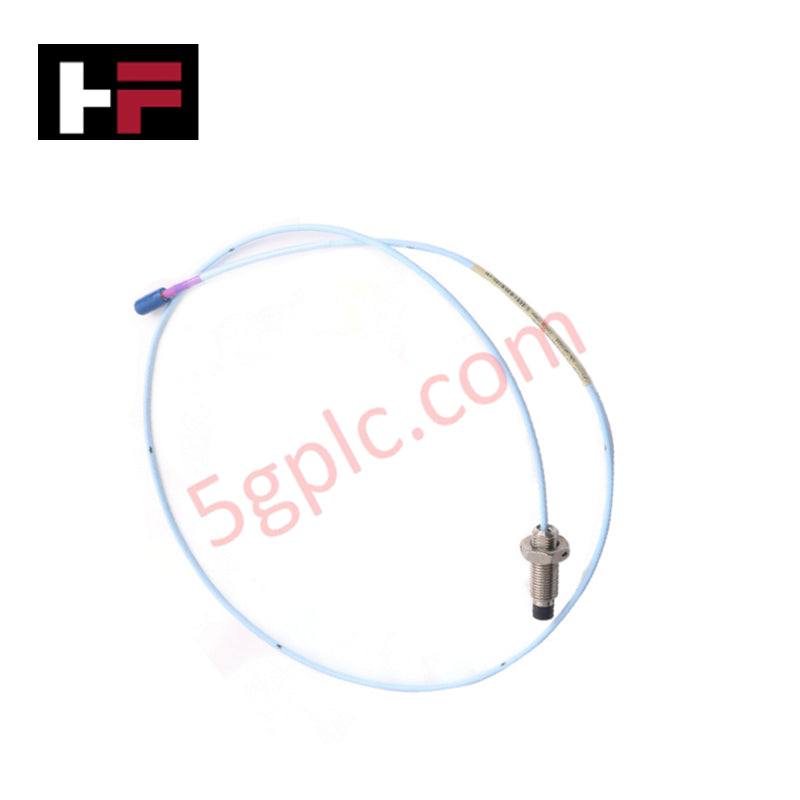
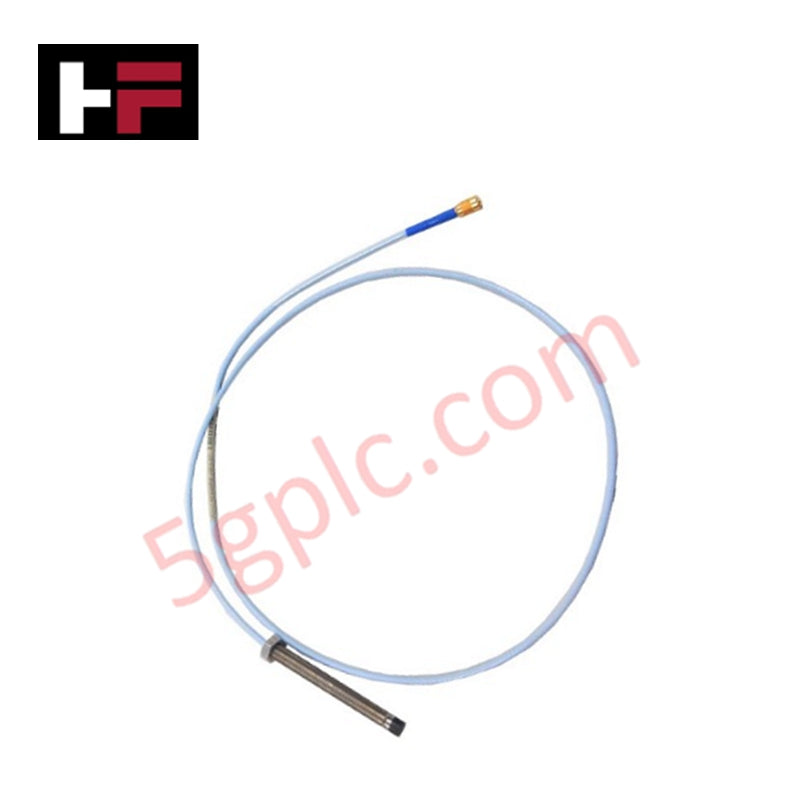
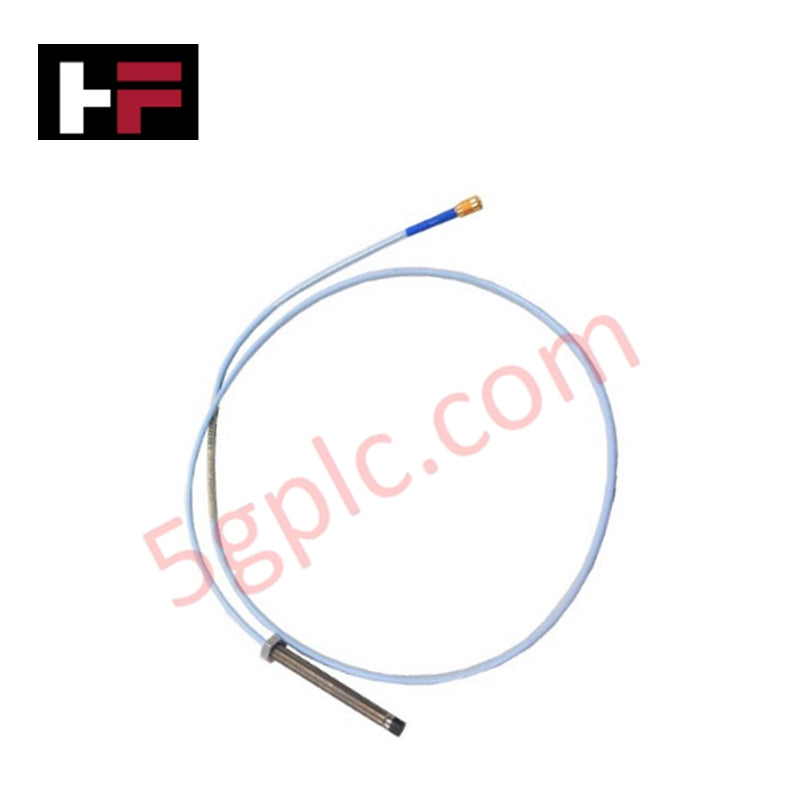
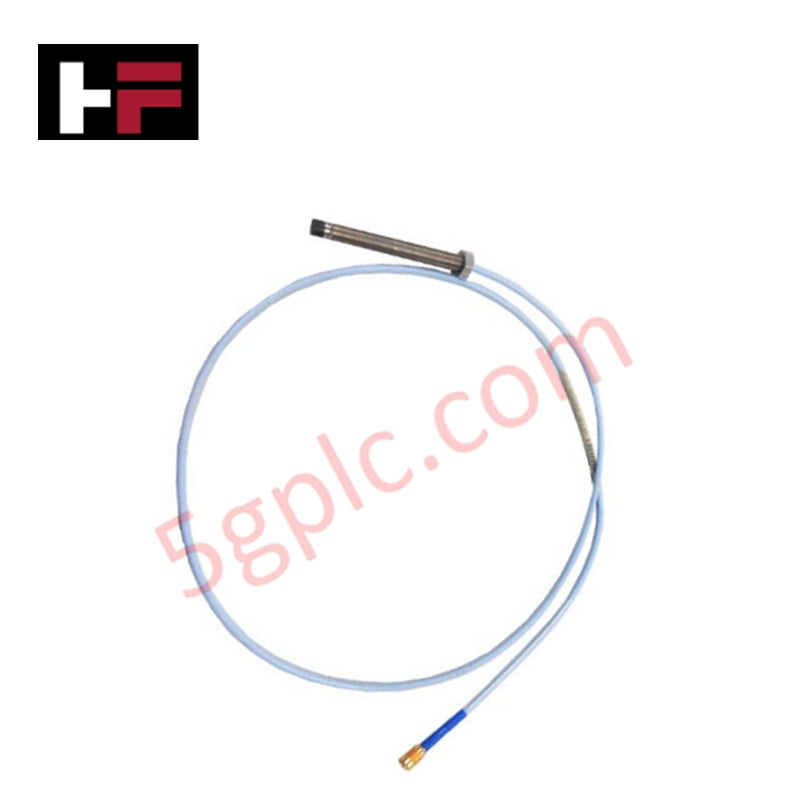
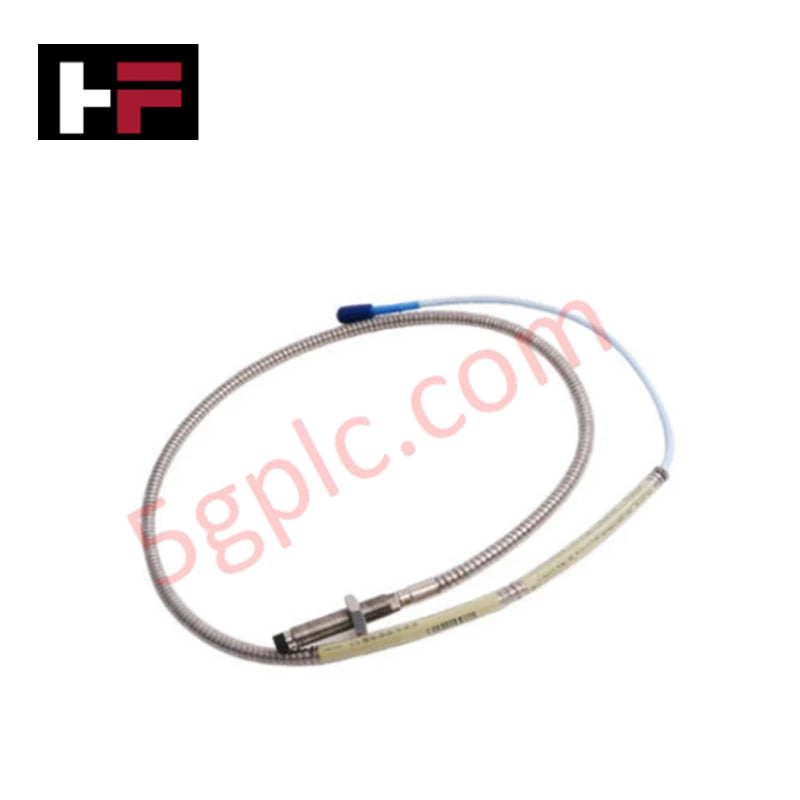
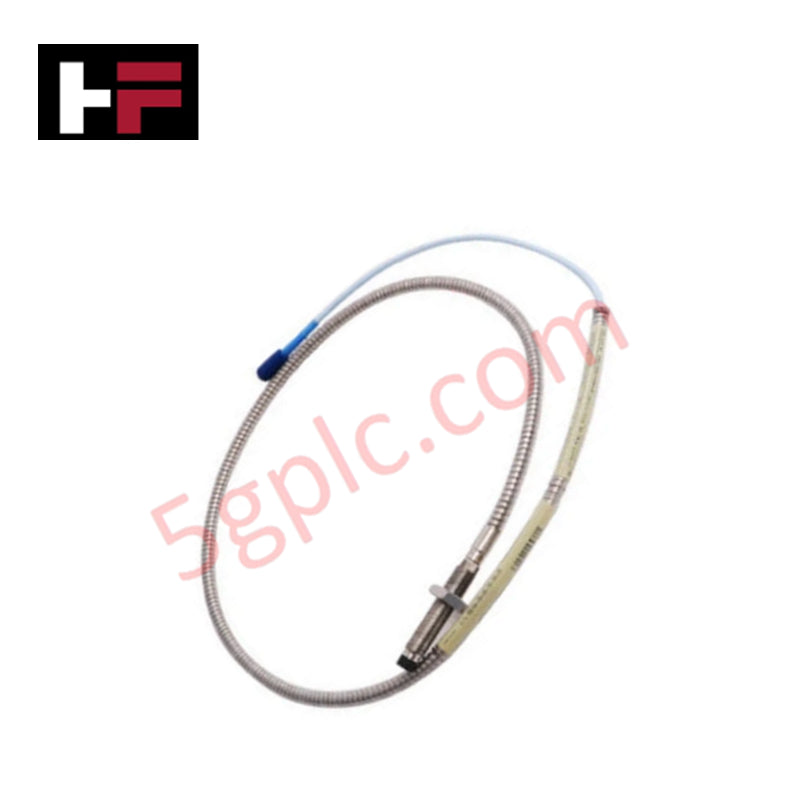
The 330103-00-12-10-02-05 is an 8 mm proximity probe belonging to the 3300 XL product family, designed for machinery protection and condition monitoring systems. This metric-thread eddy-current transducer measures static shaft position and dynamic vibration, delivering dependable displacement signals for critical rotor dynamics analysis.
Suffix Breakdown & Configuration
The model code establishes a precise mechanical and electrical configuration within the 3300 XL platform. The base designation 330103 denotes an 8 mm proximity probe featuring an M10 x 1 metric thread profile without protective armor.
The configuration options define specific physical dimensions and ratings: an unthreaded length of 0 mm (code 00), an overall case length of 120 mm (code 12), and a total cable length of 1.0 metre (code 10). It is terminated with a miniature coaxial ClickLoc connector (code 02) and carries CSA, ATEX, and IECEx hazardous-area agency approvals (code 05).
Hardware Specifications
| Parameter | Specification |
|---|---|
| Model | 330103-00-12-10-02-05 |
| Brand | Bently Nevada |
| Product Type | 3300 XL 8 mm Proximity Probe |
| Thread Size | M10 x 1 |
| Unthreaded Length | 0 mm |
| Overall Case Length | 120 mm |
| Total Cable Length | 1.0 metre (3.3 feet) |
| Connector Type | Miniature coaxial ClickLoc connector, standard cable |
| Agency Approvals | CSA, ATEX, IECEx |
| Linear Range | 2 mm (80 mils) |
| Output Sensitivity | ~200 mV/mil |
Field Installation Guidelines
Do not cut or modify the integral probe cable, as factory termination matches the precise electrical length required for system calibration. Maintain the manufacturer-specified minimum bend radius to preserve coaxial geometry and characteristic impedance.
Route signal cables away from high-frequency switching conductors to minimize induced electrical noise. Ensure the ClickLoc connector is fully seated and locked before energizing the system, and verify that installation practices comply with relevant hazardous-area certification standards.
Frequently Asked Questions
Q: Can the 330103-00-12-10-02-05 probe be hot-swapped during operation?
A: No. Probes must be disconnected only when the monitoring system is de-energized to preserve calibration integrity and prevent electrical transients.
Q: What hazardous area certifications does this specific configuration carry?
A: This model includes CSA, ATEX, and IECEx agency approvals for safe deployment in classified explosive environments.
Q: Is this probe compatible with standard 3300 XL system components?
A: Yes. It is fully compatible and interchangeable with standard 3300 XL extension cables and Proximitor sensors without requiring bench recalibration.
Additional Information
- 100% Genuine Parts: All products are original and authentic, ensuring reliable industrial performance.
- 30-Day Refund Guarantee: Return any in-stock item within 30 days in original, unopened packaging for a full refund (excluding shipping and fees).
- 12-Month Warranty: Covers defects in materials or workmanship; excludes misuse, normal wear, or unauthorized modifications.
- Worldwide Shipping: We ship via USPS, UPS, FedEx, and DHL. Delivery times vary by country and may be subject to customs or import fees.
- Support & Contact: Technical and warranty assistance is available anytime. Contact us here: Contact.
- Purchase Guidance: Check product specifications and compatibility carefully before ordering to ensure proper application.



Tech & Buying Guide

Mitigating Static Electricity Hazards in Industrial Automation and Control Systems
Static electricity poses severe fire and explosion risks in facilities handling flammable liquids and powders. During routine factory automation operations, friction from fluid flow, pipeline transport, mechanical mixing, and pneumatic transfer generates electrostatic charges rapidly. Factors like material conductivity, fluid velocity, turbulence, and contact surface area influence charge accumulation rates. Without proper mitigation, these electrostatic charges can discharge as sparks, igniting combustible vapors in the surrounding environment.

Essential Technical Glossary of Electrical Grounding and Bonding in Industrial Automation
In industrial automation, precise grounding terminology prevents catastrophic equipment failure. Therefore, engineers must master the foundational concepts of earth and ground. Earth represents the conductive mass of the planet, providing a zero-potential reference point. Ground defines a deliberate or accidental connection between an electrical circuit and earth. Furthermore, an effectively grounded system maintains low impedance to prevent hazardous voltage buildups during electrical faults.
Essential Guide to Grounding Electronic Equipment in Industrial Automation
Industrial automation systems require robust grounding for personal safety and fault clearance. Safety grounding minimizes touch potential across exposed metallic enclosures. It ensures rapid clearance of fuses during electrical faults. However, electronic equipment introduces unique performance requirements. Solid-state devices operate at high speeds. Therefore, they exhibit extreme sensitivity to minor voltage transients. Facility engineers must balance electrical safety with operational signal integrity.