










Product Details
Product Overview
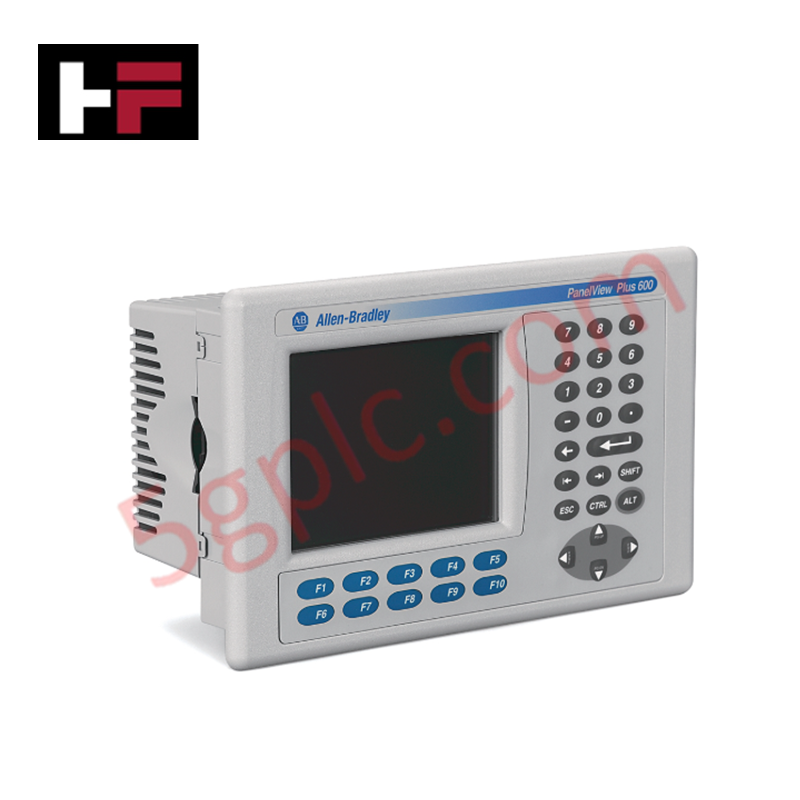
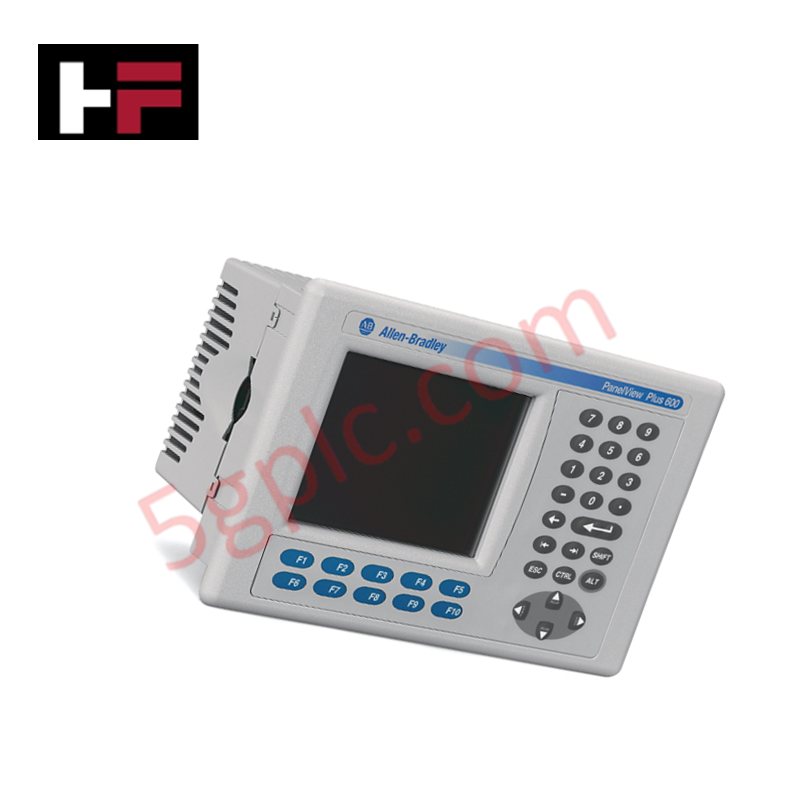
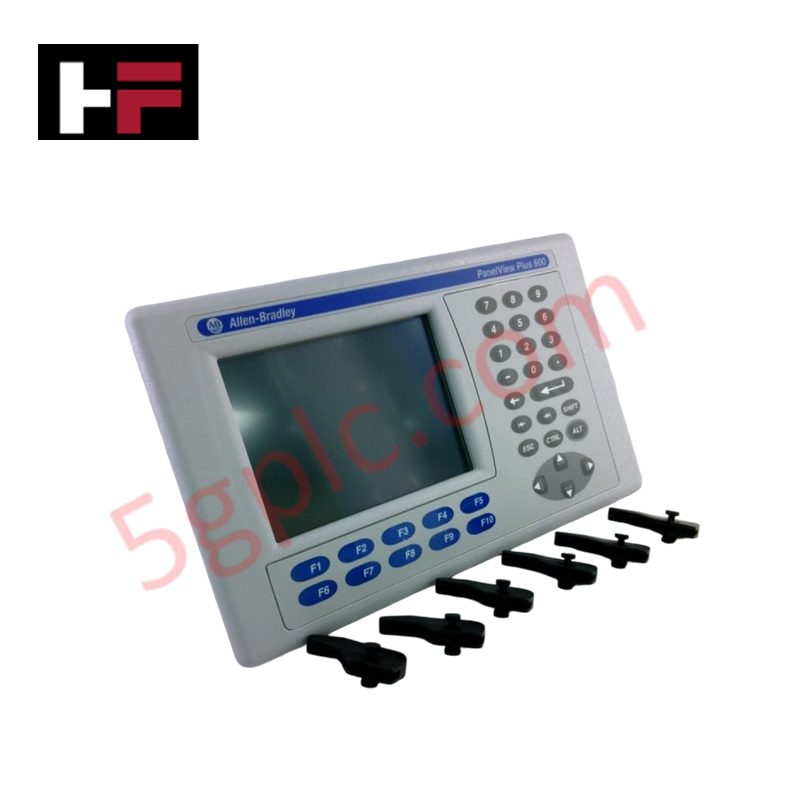
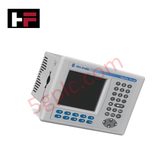
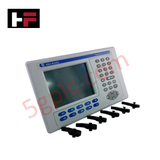
The Allen-Bradley 2711P-B6C20A8 serves as a high-performance operator interface within the PanelView Plus 6 600 series. This terminal bridges the gap between complex PLC logic and real-time machine visualization, allowing operators to monitor and manipulate industrial processes through a vibrant 5.7-inch color TFT display. By integrating both a physical keypad and an analog resistive touchscreen, this unit provides redundant and flexible input options suitable for various glove types and environmental conditions.
Technical Specifications
| Component | Technical Data |
| Brand | Allen-Bradley / Rockwell Automation |
| Part Number | 2711P-B6C20A8 |
| Display Type | Color TFT LCD (18-bit color) |
| Resolution | 320 x 240 pixels |
| Input Type | Keypad (F1–F10) and Analog Resistive Touchscreen |
| Input Voltage | 100–240 VAC (Universal Power) |
| Memory | 512 MB Flash / 256 MB RAM |
| Communication | Ethernet, RS-232, and (2) USB Host Ports |
| Supported Protocols | EtherNet/IP, DF1, DH485 |
| Condition | 100% Brand New Original |
Engineering Advantages
-
Dual-Input Versatility: The combination of an analog resistive touchscreen and a tactile keypad solves the "operator fatigue" and "gloved operation" issues common in heavy industrial settings. Operators can use the F1-F10 keys for high-frequency commands while utilizing the touchscreen for complex graphical navigation.
-
Rugged Visualization: The 18-bit color display clarifies complex data trends and alarm statuses. This precision helps reduce human error during critical machine state changes.
-
Seamless Integration: Native support for EtherNet/IP and DF1 protocols ensures that the 2711P-B6C20A8 communicates instantly with ControlLogix and CompactLogix controllers. This eliminates the need for third-party protocol converters.
-
Universal Power Compatibility: The 100–240 VAC input range allows global deployment without requiring external step-down transformers, simplifying spare parts inventory for multinational manufacturers.
-
Peripheral Expandability: Dual USB host ports permit quick firmware updates, keyboard/mouse connection, or external data logging, enhancing the terminal's utility beyond basic machine monitoring.
FAQs
-
Is this 2711P-B6C20A8 unit brand new?
Yes. We supply this product as 100% Brand New, ensuring full factory performance and reliability for your automation infrastructure.
-
Can I use the touchscreen while wearing industrial work gloves?
Yes. The analog resistive touchscreen detects pressure rather than electrical conductivity, allowing seamless operation with any standard industrial gloves.
-
Does this model support remote monitoring?
The integrated Ethernet port supports VNC (Virtual Network Computing) capabilities, enabling engineers to view the HMI screen remotely for troubleshooting and diagnostic purposes.
-
What software do I need to program this terminal?
You configure the 2711P-B6C20A8 using FactoryTalk View Studio Machine Edition (ME) software, which provides a comprehensive library of graphic objects and faceplates.
Additional Information
- 100% Genuine Parts: All products are original and authentic, ensuring reliable industrial performance.
- 30-Day Refund Guarantee: Return any in-stock item within 30 days in original, unopened packaging for a full refund (excluding shipping and fees).
- 12-Month Warranty: Covers defects in materials or workmanship; excludes misuse, normal wear, or unauthorized modifications.
- Worldwide Shipping: We ship via USPS, UPS, FedEx, and DHL. Delivery times vary by country and may be subject to customs or import fees.
- Support & Contact: Technical and warranty assistance is available anytime. Contact us here: Contact.
- Purchase Guidance: Check product specifications and compatibility carefully before ordering to ensure proper application.
Tech & Buying Guide
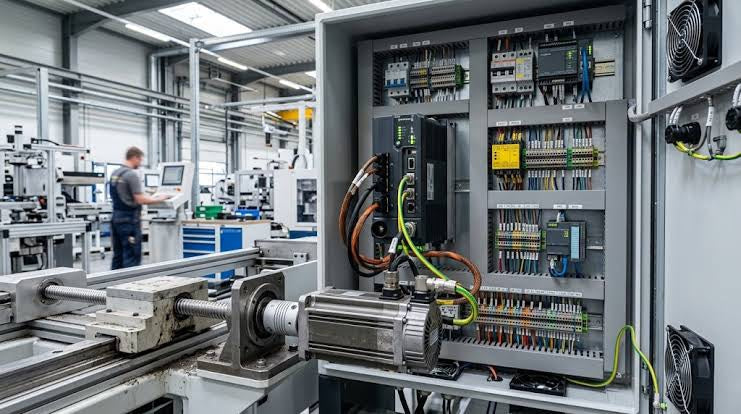
Demystifying Programmable Logic Controllers: Comprehensive Guide to PLC Classification and Selection in Industrial Automation
Modern industrial automation heavily relies on Programmable Logic Controllers (PLCs) to drive factory floor efficiency. Over my 15 years as an industrial automation expert working with DCS, TSI, and control systems, I have seen PLCs evolve into the central nervous system of modern manufacturing. Selecting the right controller requires a deep understanding of PLC types based on physical size, hardware architecture, and power supply configurations.
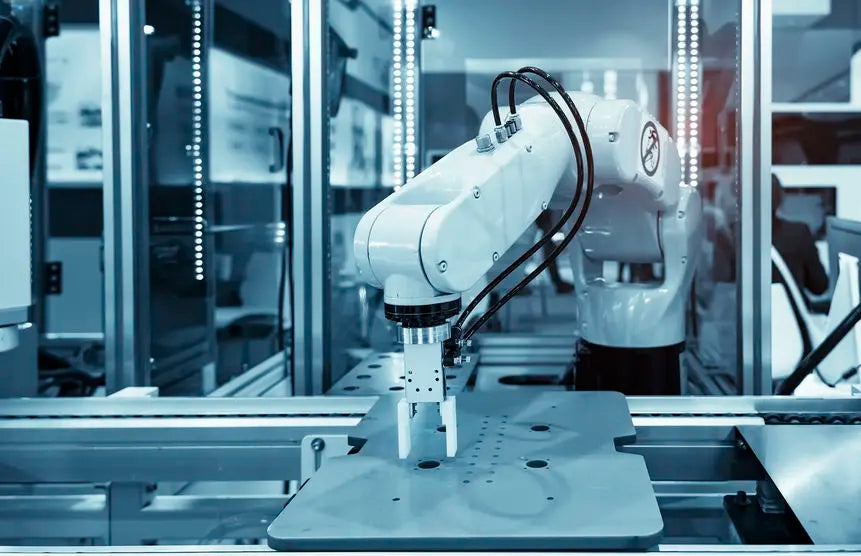
Comprehensive Guide to PLC Types in Modern Industrial Automation
Modern industrial automation relies on programmable logic controllers to govern critical factory operations. System integrators classify PLCs based on scale, hardware architecture, and power supply design. Understanding these core categories enables automation engineers to select the right control system architecture. Consequently, proper hardware selection optimizes performance while minimizing long-term operational costs.

Demystifying the DDE Protocol in Legacy Industrial Automation Systems
Modern control systems rely heavily on seamless interprocess communication to exchange operational data between software programs. Microsoft first introduced the Dynamic Data Exchange (DDE) protocol in 1987 to enable real-time data sharing. In factory automation, DDE served as an early bridge between control software and Windows desktop applications. Therefore, understanding DDE mechanics provides crucial insights into how legacy industrial networks established software-level connectivity.