










Product Details
Product Overview
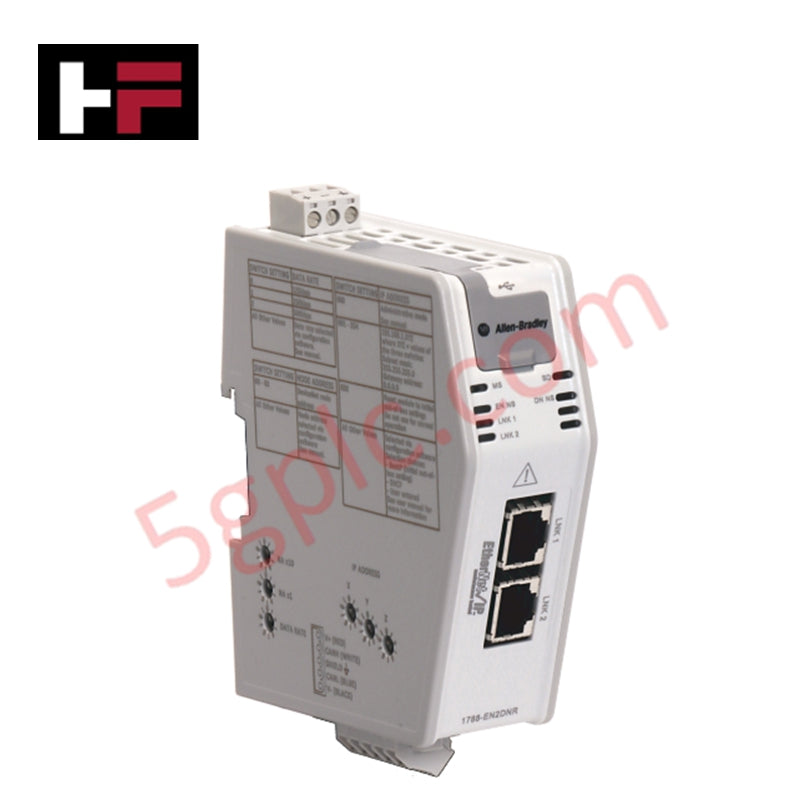
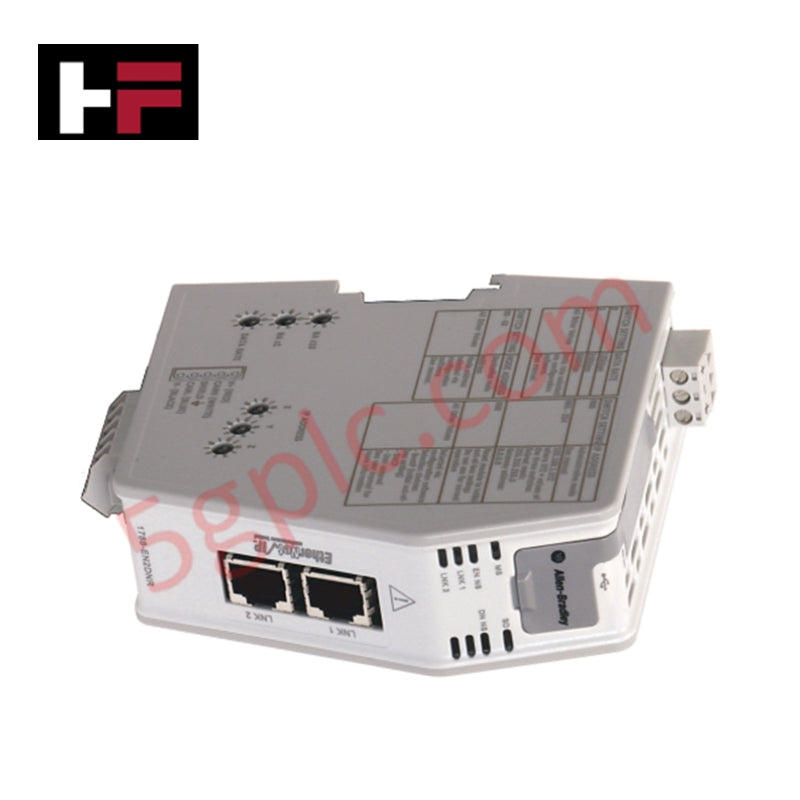
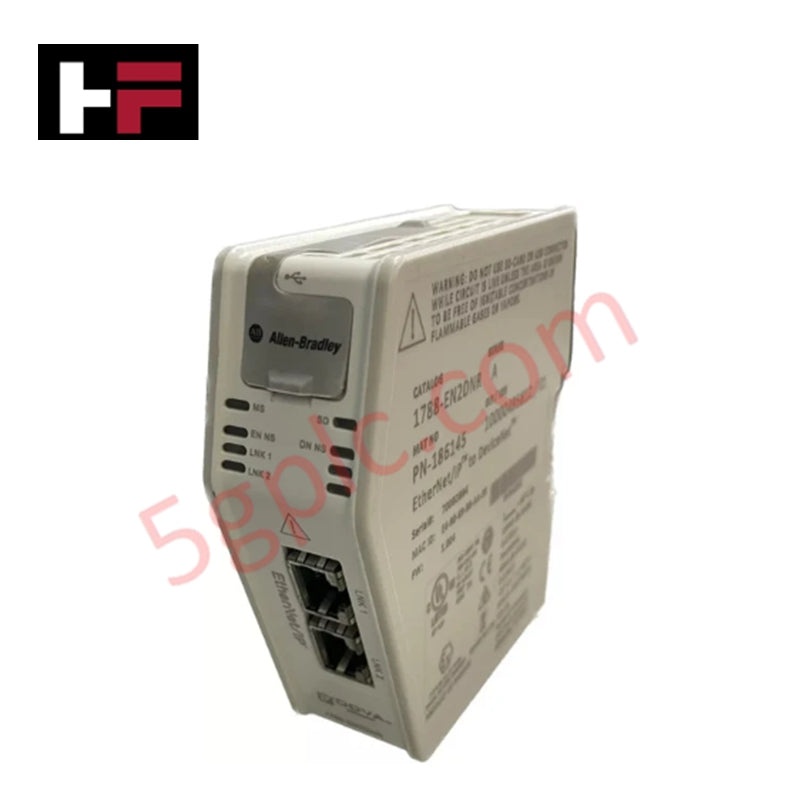
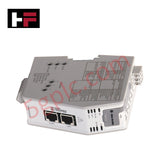
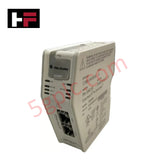
The 1788-EN2DNR from Allen-Bradley connects EtherNet/IP networks directly to DeviceNet segments in industrial control systems. This linking device enables PLCs and controllers to access, monitor, and control up to 63 DeviceNet slave devices through standard Ethernet infrastructure.
This unit ships as 100% Brand New original hardware, ensuring full lifecycle reliability and compatibility with modern automation architectures. The integrated web server allows engineers to configure diagnostics, monitor network status, and manage DeviceNet nodes without additional software tools.
The dual Ethernet ports support flexible network topologies such as linear and ring configurations, while deterministic communication maintains real-time data exchange between control layers.
Technical Specifications
| Parameter | Specification |
|---|---|
| Manufacturer | Allen-Bradley |
| Product Type | EtherNet/IP to DeviceNet Linking Device |
| Series | 1788 Linking Devices |
| Part Number | 1788-EN2DNR |
| Ethernet Ports | 2 × RJ45 |
| DeviceNet Ports | 1 × Terminal |
| Max DeviceNet Nodes | 63 Slaves |
| Input Power | 24 V DC |
| DeviceNet Power | 24 V DC |
| Isolation Voltage | 30 V |
| Ethernet Connections | 32 Class 0, 21 Class 1, 16 Class 3 |
| Mounting | DIN Rail |
| Enclosure | Open Type |
| Operating Shock | 30G |
| Weight | 0.56 lbs (0.26 kg) |
| Power Wiring | 0.25–2.5 mm² |
| DeviceNet Wiring | 0.52 mm² |
| Integrated Web Server | Yes |
Engineering Advantages
The 1788-EN2DNR solves a common integration challenge: connecting legacy DeviceNet field devices to modern EtherNet/IP control systems without replacing installed infrastructure.
Engineers install the module directly on a DIN rail inside standard control cabinets. The compact open-type enclosure fits easily into space-constrained panels. Dual Ethernet ports allow daisy-chain wiring, reducing switch requirements and simplifying panel layout.
The device maintains stable communication under industrial electrical noise. It isolates DeviceNet and Ethernet segments, minimizing interference and improving signal integrity in high-EMI environments such as motor control centers and process plants.
The built-in web server accelerates commissioning. Engineers access diagnostics through a browser, identify node faults, and adjust parameters without dedicated configuration software. This reduces downtime during startup and maintenance.
The module supports multiple CIP connection classes, enabling real-time I/O control, monitoring, and explicit messaging simultaneously. This flexibility supports both high-speed automation tasks and supervisory data exchange.
FAQs
Q1: Can this module replace older DeviceNet scanners?
Yes. The 1788-EN2DNR replaces traditional DeviceNet scanner modules by providing Ethernet-based control access while maintaining compatibility with existing DeviceNet devices.
Q2: How many devices can I connect on the DeviceNet side?
You can connect up to 63 DeviceNet slave devices, depending on network power and topology constraints.
Q3: Does the device require special configuration software?
No. The integrated web server allows direct configuration, diagnostics, and monitoring through a standard web browser.
Q4: What should I consider during installation?
Ensure stable 24 V DC power supply, proper grounding, and correct DeviceNet termination. Maintain cable separation from high-power lines to reduce electromagnetic interference.
Additional Information
- 100% Genuine Parts: All products are original and authentic, ensuring reliable industrial performance.
- 30-Day Refund Guarantee: Return any in-stock item within 30 days in original, unopened packaging for a full refund (excluding shipping and fees).
- 12-Month Warranty: Covers defects in materials or workmanship; excludes misuse, normal wear, or unauthorized modifications.
- Worldwide Shipping: We ship via USPS, UPS, FedEx, and DHL. Delivery times vary by country and may be subject to customs or import fees.
- Support & Contact: Technical and warranty assistance is available anytime. Contact us here: Contact.
- Purchase Guidance: Check product specifications and compatibility carefully before ordering to ensure proper application.
Tech & Buying Guide
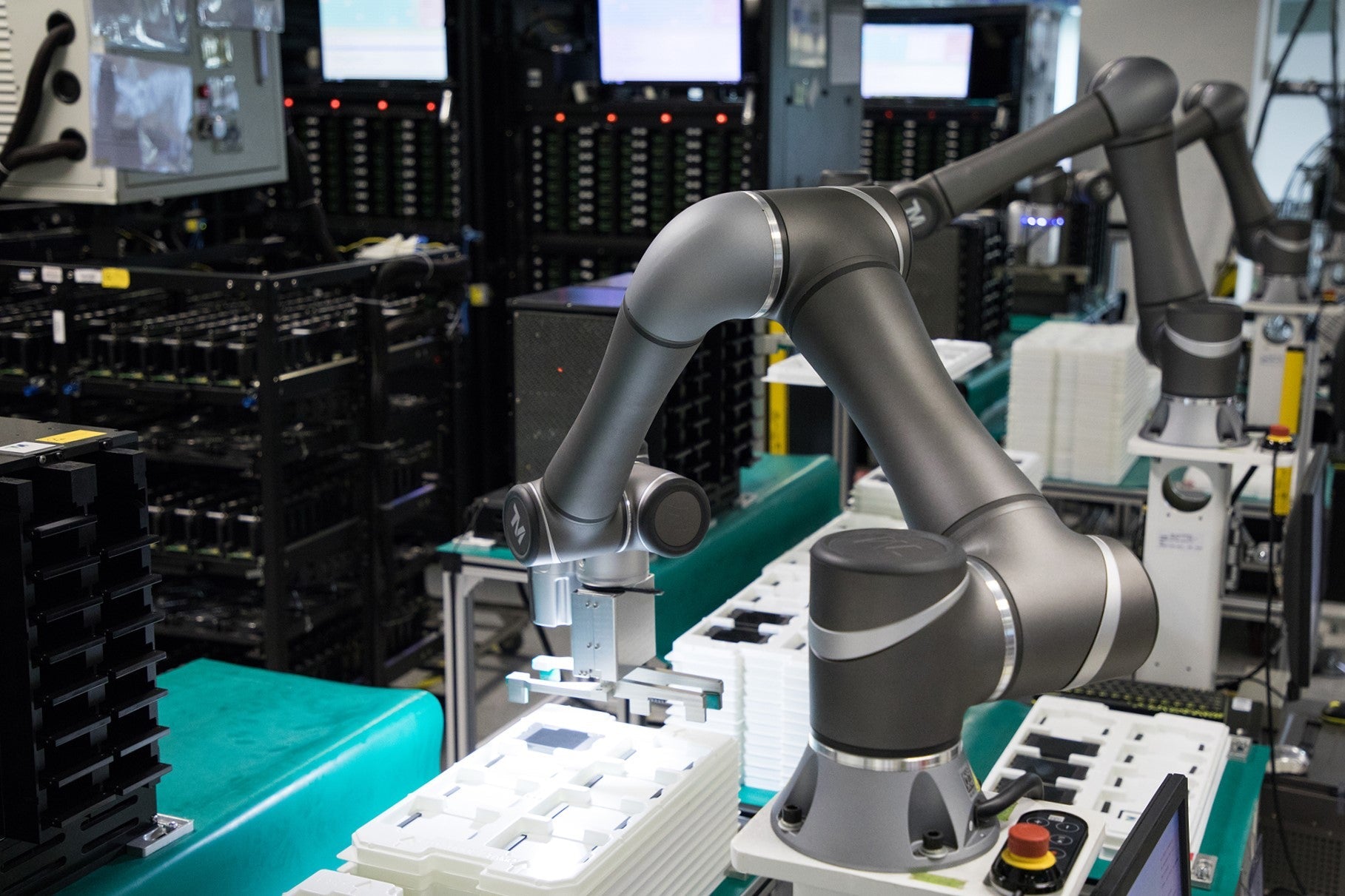
Redundant Automation Systems: Ensuring Continuous Uptime in Critical Control Infrastructure
System reliability directly determines operational profitability across high stakes process industries. Modern industrial automation platforms must eliminate single points of failure to prevent catastrophic shutdowns. Deploying fault tolerant architecture safeguards complex facilities against unexpected hardware glitches, network disruptions, and maintenance outages.

Understanding Types of Noise in Electronic Circuits and Control Systems
Signal integrity directly determines measurement accuracy and loop stability across industrial automation environments. Electronic noise introduces unwanted stochastic interference into analog loops, sensor feedback lines, and digital fieldbus networks. Understanding how intrinsic electronic noise and external electromagnetic interference manifest allows control engineers to optimize signal conditioning and shield sensitive instrumentation effectively.

Why 24V DC Power Supplies Standardize Modern Industrial Automation
Industrial control cabinets worldwide rely on 24V DC as the universal power standard for field instrumentation, sensors, and controllers. Walk into any manufacturing plant, and you will find PLCs, human-machine interfaces (HMIs), and smart actuators running on extra-low voltage DC. Standardizing on 24V DC enhances operational safety, lowers cabinet footprint, and maintains steady control performance across factory networks.