


Product Details
Product Overview
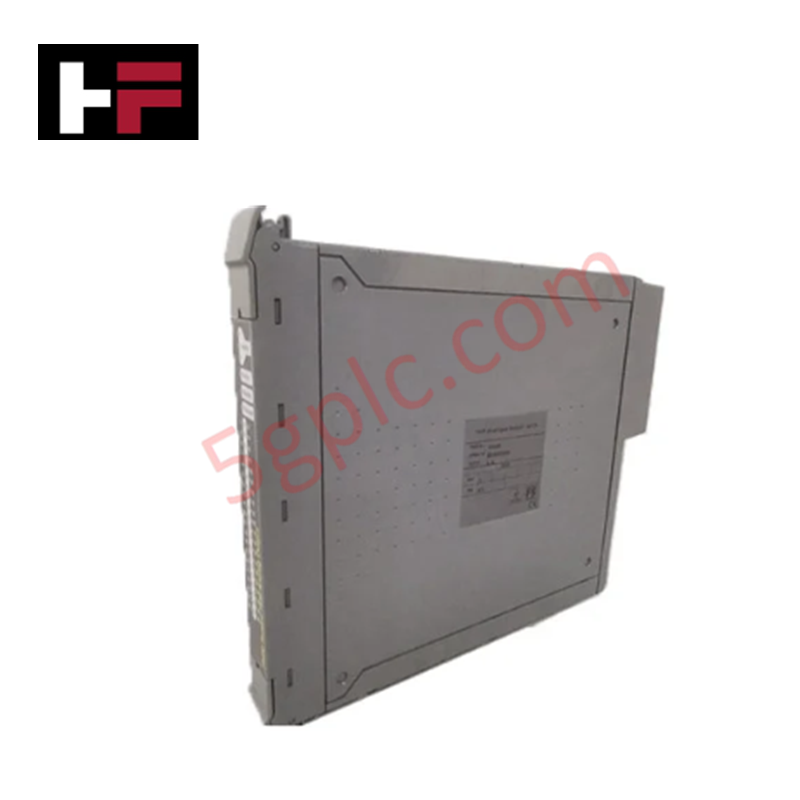
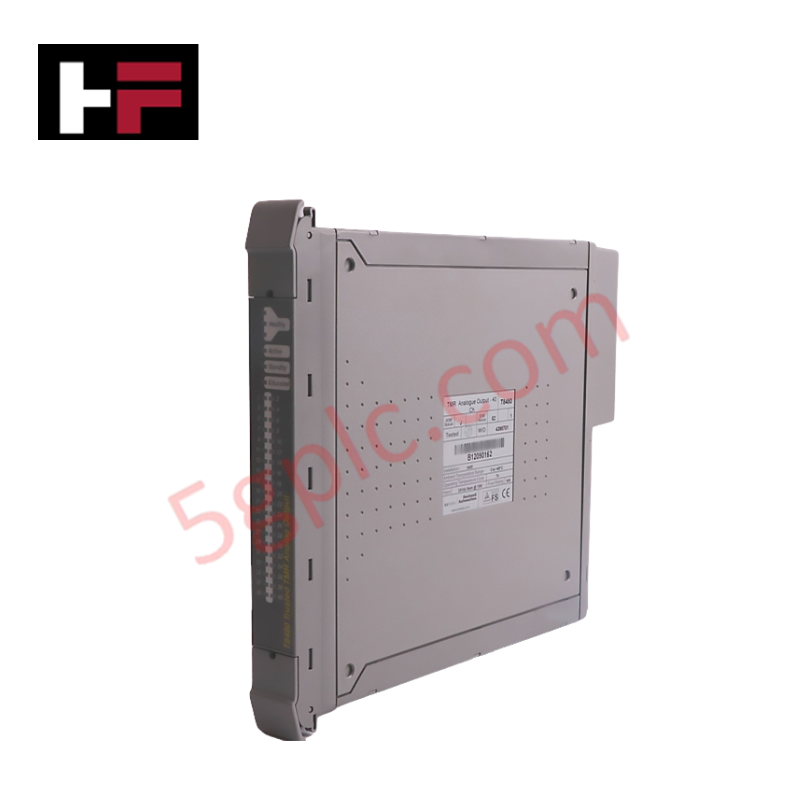
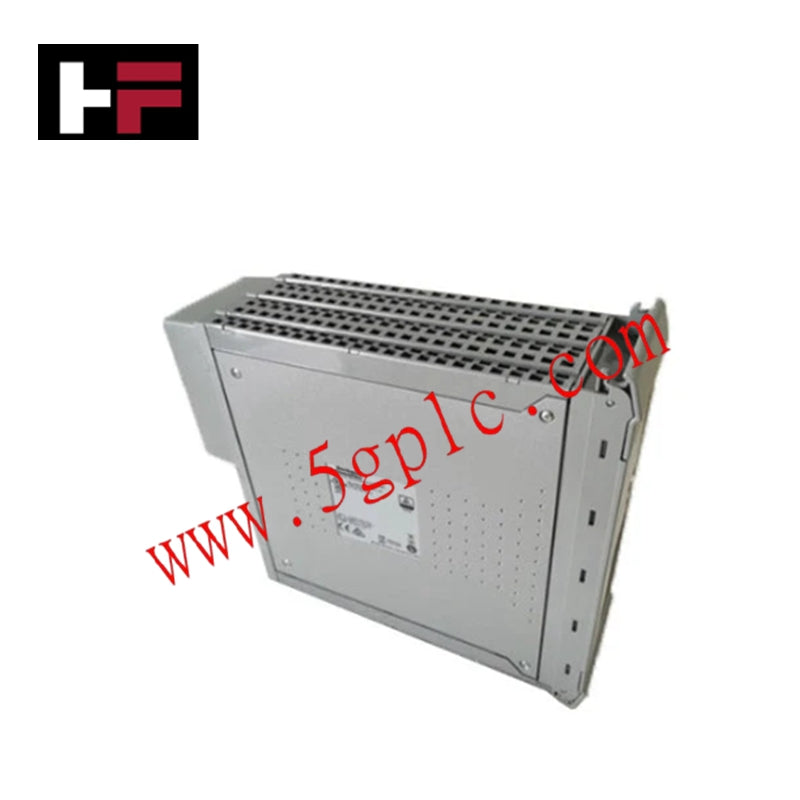
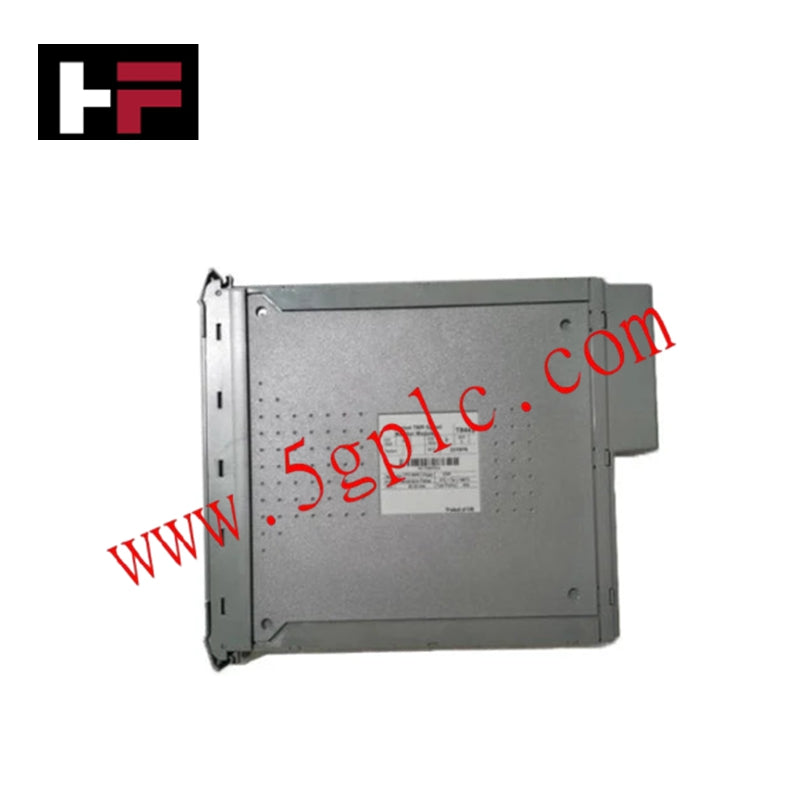
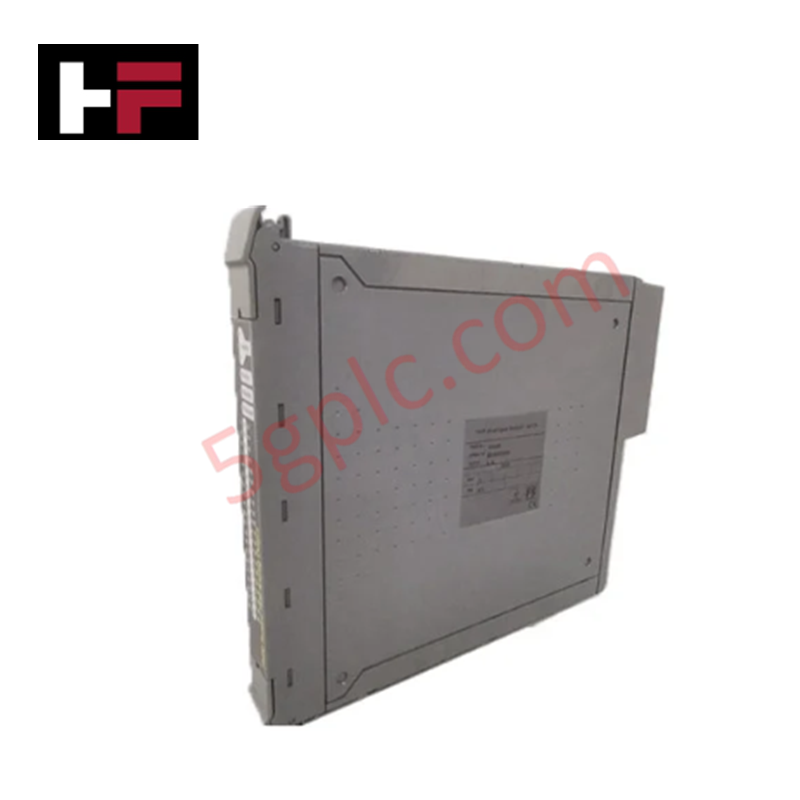
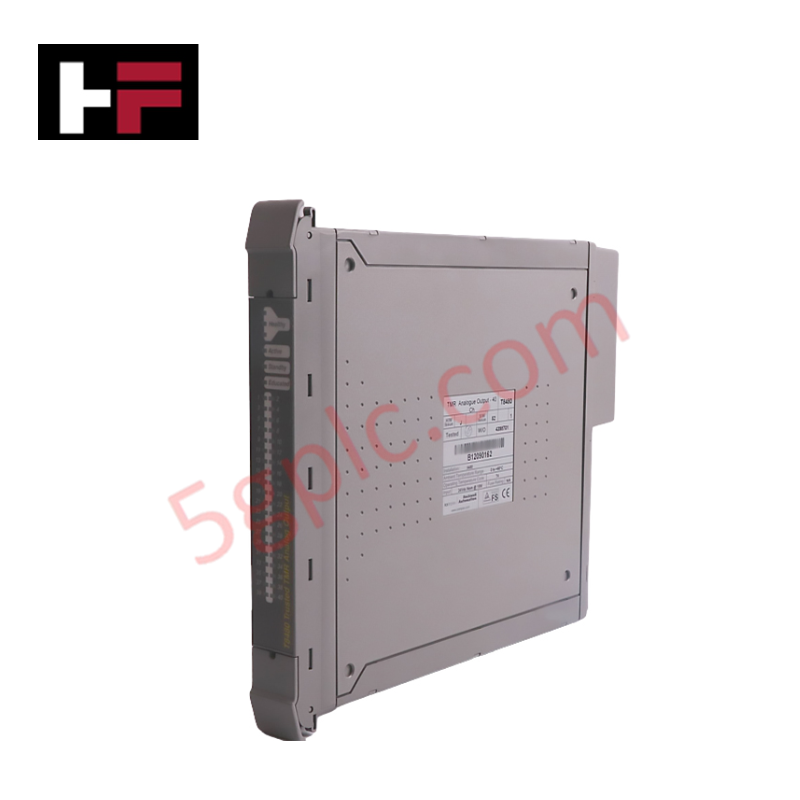
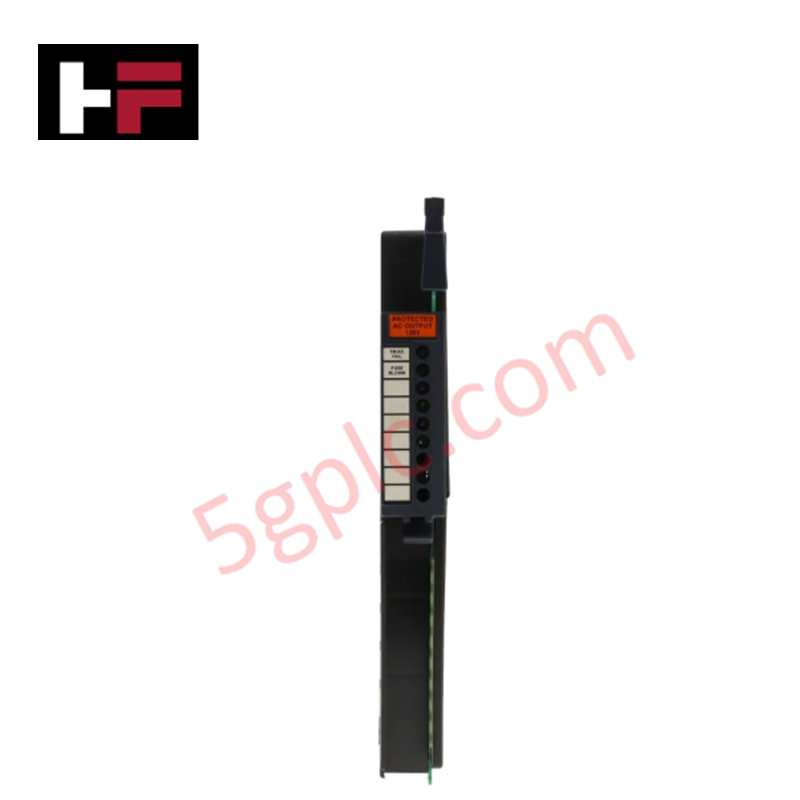
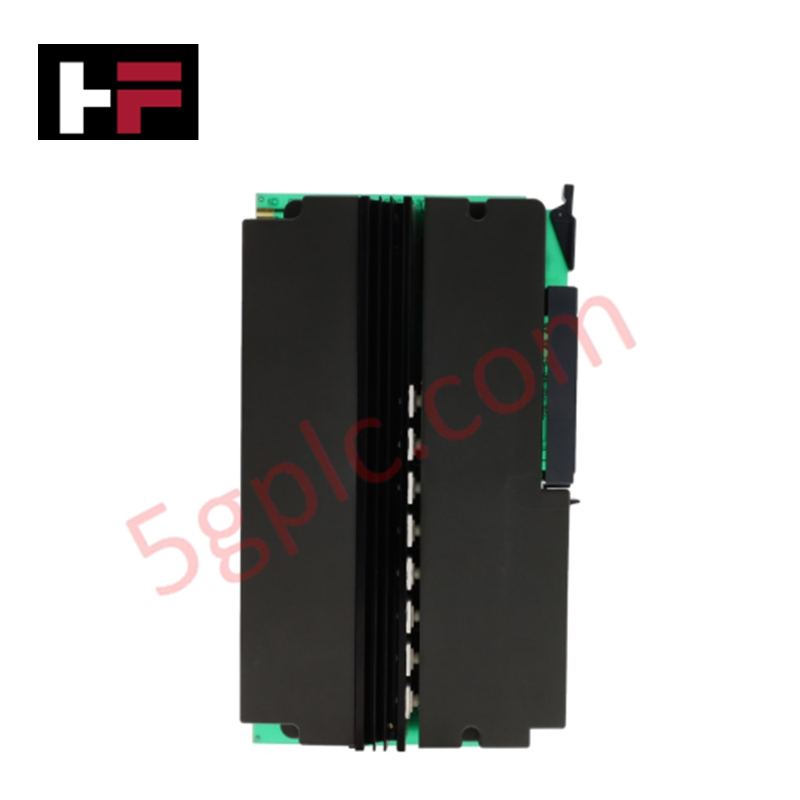
The Allen Bradley 1771-OP serves as a specialized, protected AC output interface for the PLC-5 Universal I/O chassis. This module provides 4 high-integrity output channels designed to drive low-power 120V AC loads while providing an auxiliary +5V DC output for peripheral logic or signaling. We offer this unit as 100% Brand New, original factory stock, ensuring the protective switching characteristics and backplane synchronization required for specialized automation sequences.
Technical Specifications
The 1771-OP manages precise AC power delivery with integrated electronic protection across all four channels.
| Feature | Specification |
| Manufacturer | Allen Bradley (Rockwell Automation) |
| Module Type | Protected AC Output Module |
| Number of Outputs | 4 Channels |
| Operating Voltage Range | 92 to 138 Volts AC |
| Operating Frequency | 47 to 63 Hz |
| Maximum Current (Per Point) | 350 mA |
| Auxiliary Output | +5 Volts DC |
| Backplane Requirement | 1771 Universal I/O Chassis |
| Mounting | Rack Mountable |
| Weight | 1.43 lbs (0.65 kg) |
Engineering Advantages
-
Integrated Circuit Protection: The 1771-OP features internal protection mechanisms that shield the module from common electrical faults. This "Protected" designation ensures that downstream anomalies do not compromise the integrity of the PLC backplane, maintaining system uptime in unpredictable electrical environments.
-
Dual-Voltage Capability: This module provides both 120V AC switching and a +5V DC output. This combination eliminates the need for auxiliary power supplies when interfacing with low-voltage TTL logic, specialized sensors, or small signal indicators located near the output terminations.
-
Optimized for Low-Power Actuators: While high-density modules often struggle with minimum leakage current, the 1771-OP excels at controlling smaller AC loads up to 350 mA. It provides a stable "Off" state for sensitive solenoids and relays that might otherwise stay energized due to leakage in high-amperage cards.
-
Wide Frequency Tolerance: The module operates across a 47 to 63 Hz range. This flexibility allows the 1771-OP to function reliably on both 50 Hz and 60 Hz power grids, making it an ideal choice for global industrial machinery installations and varying facility power standards.
FAQs
-
What does the "Protected" status signify for the 1771-OP?
The 1771-OP contains electronic protection circuitry designed to mitigate the effects of overcurrent and certain surge conditions. This feature prevents localized field-side faults from causing catastrophic failure to the module or the host PLC-5 processor.
-
Can I use the 1771-OP to drive a 2 Amp motor starter?
No. Each output on the 1771-OP supports a maximum of 350 mA. For loads exceeding this limit, such as large NEMA-rated motor starters, you must use an interposing relay or switch to a high-current module like the 1771-OAD.
-
Is this module compatible with all PLC-5 racks?
The 1771-OP fits into any standard 1771 Universal I/O chassis. It communicates through the backplane with PLC-5, SLC 500 (via 1747-ASB), or ControlLogix (via 1771-remote I/O adapters) systems.
-
How do I utilize the +5V DC output?
The +5V DC output provides a small amount of logic-level power for external devices. Engineers typically use this for pull-up resistors, signal conditioning circuits, or low-power LED indicators that require a steady DC reference alongside AC control signals.
Additional Information
- 100% Genuine Parts: All products are original and authentic, ensuring reliable industrial performance.
- 30-Day Refund Guarantee: Return any in-stock item within 30 days in original, unopened packaging for a full refund (excluding shipping and fees).
- 12-Month Warranty: Covers defects in materials or workmanship; excludes misuse, normal wear, or unauthorized modifications.
- Worldwide Shipping: We ship via USPS, UPS, FedEx, and DHL. Delivery times vary by country and may be subject to customs or import fees.
- Support & Contact: Technical and warranty assistance is available anytime. Contact us here: Contact.
- Purchase Guidance: Check product specifications and compatibility carefully before ordering to ensure proper application.
Tech & Buying Guide

Understanding VFD Mechanical Brake Logic and Control in Industrial Automation
Variable Frequency Drives (VFDs) play a crucial role in modern industrial automation by controlling motor speed, torque, and acceleration. However, high-inertia loads and vertical lifting systems require precise mechanical braking logic to ensure operational safety and prevent equipment damage.

Why Programmable Logic Controllers Drop into Stop Mode: An Expert Analysis
Industrial automation systems rely heavily on Programmable Logic Controllers (PLCs) to maintain uninterrupted production. When a PLC unexpectedly shifts from Run to Stop mode, whole manufacturing lines stall.
As control systems evolve across modern factory automation, understanding the root causes of these interruptions helps engineers minimize costly downtime. This technical guide breaks down why PLCs trip into Stop mode and provides practical strategies to mitigate system faults.

Understanding Root Causes of Unplanned PLC Stop Mode in Industrial Automation
Modern Programmable Logic Controllers manage execution through distinct operational states: Run, Stop, Start-Up, and Hold. During power-up, a controller initializes memory registers within Stop mode before briefly transitioning to Start-Up mode. During this phase, internal self-diagnostics evaluate system integrity across hardware and user programs. If the controller detects no critical faults, it enters Run mode to execute the control program continuously. However, any severe system anomaly forces the CPU back into Stop mode immediately to prevent erratic machine behavior across the plant floor.