


Product Details
Product Overview
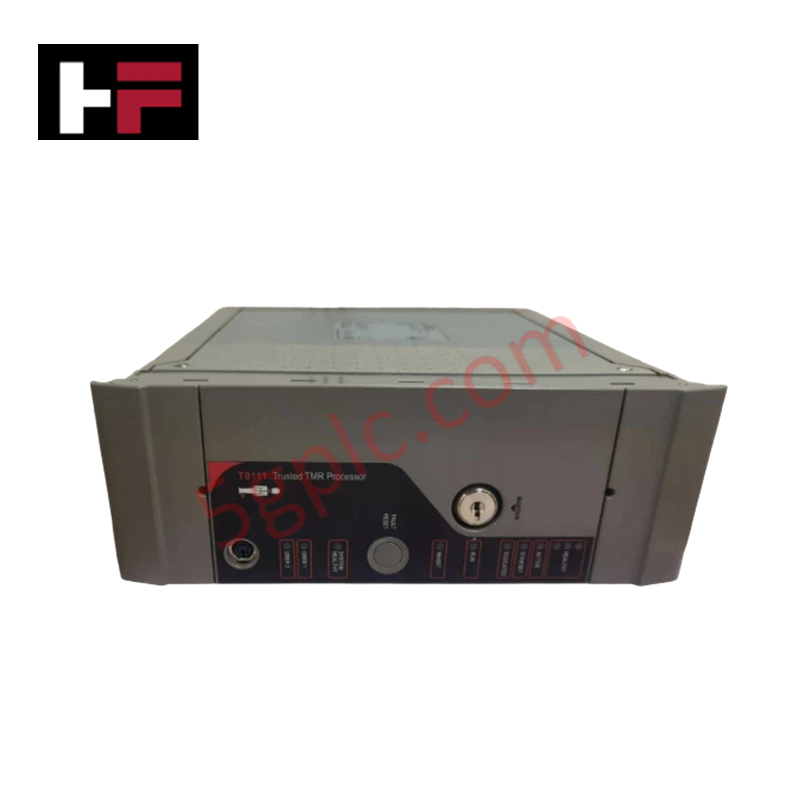
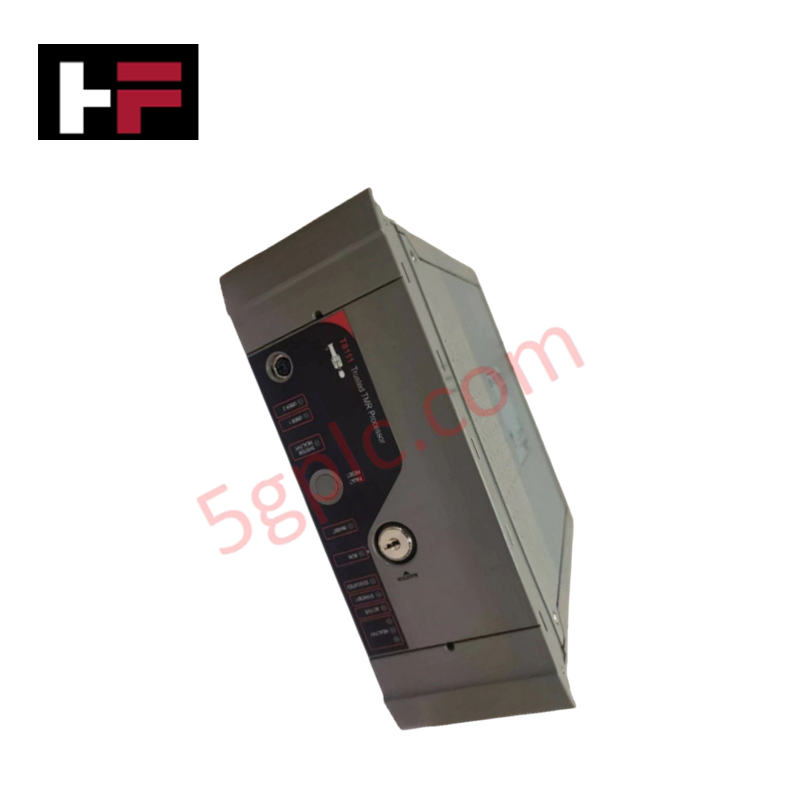
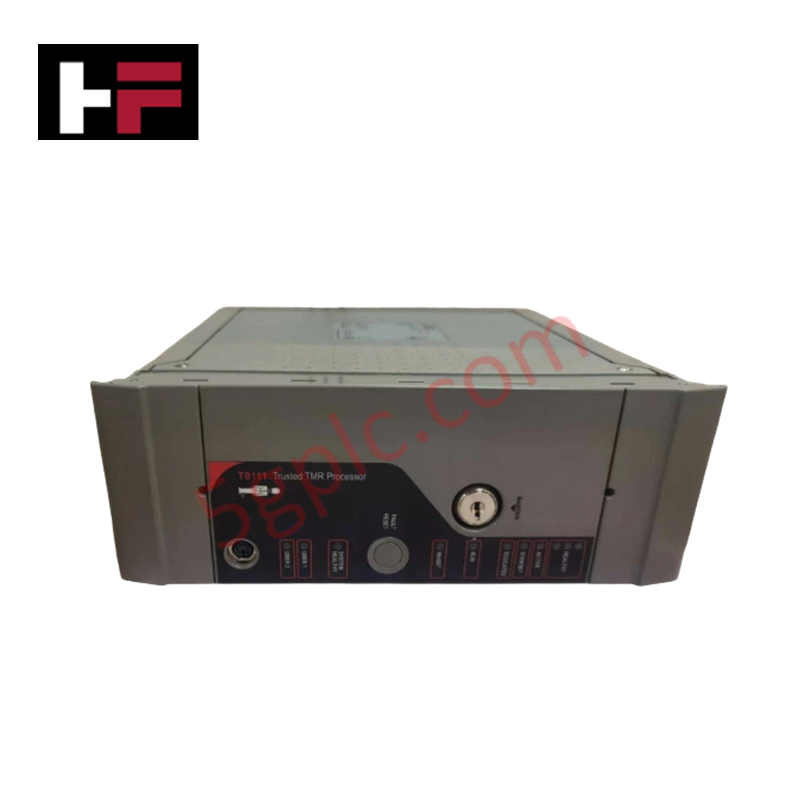
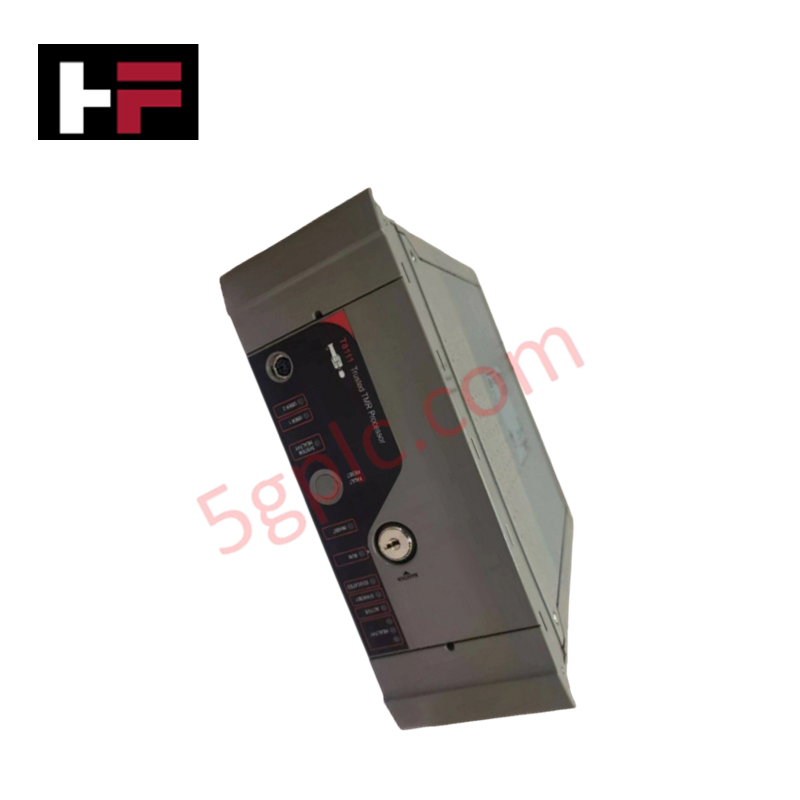
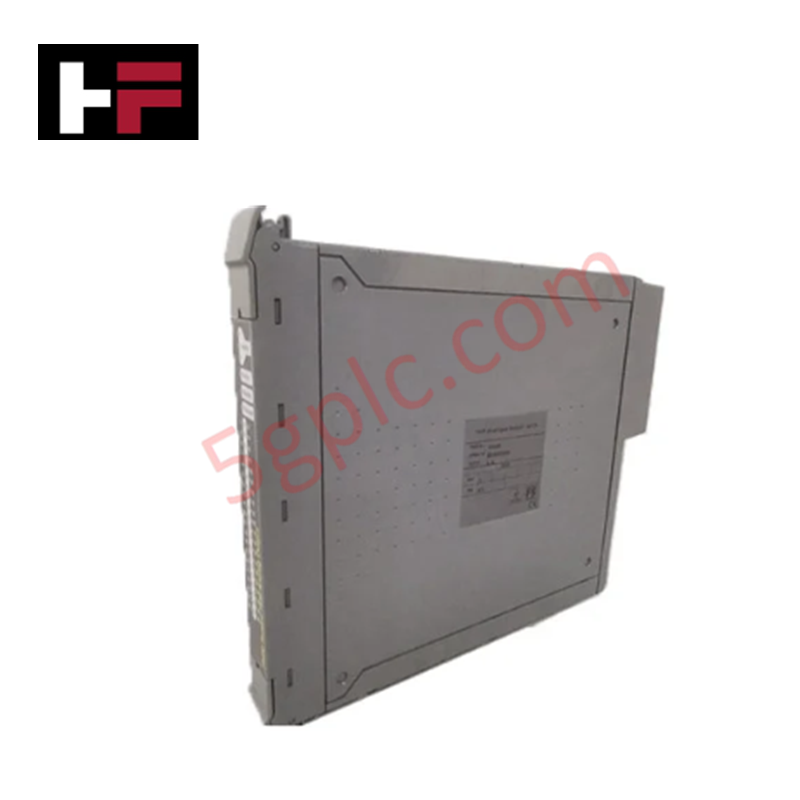
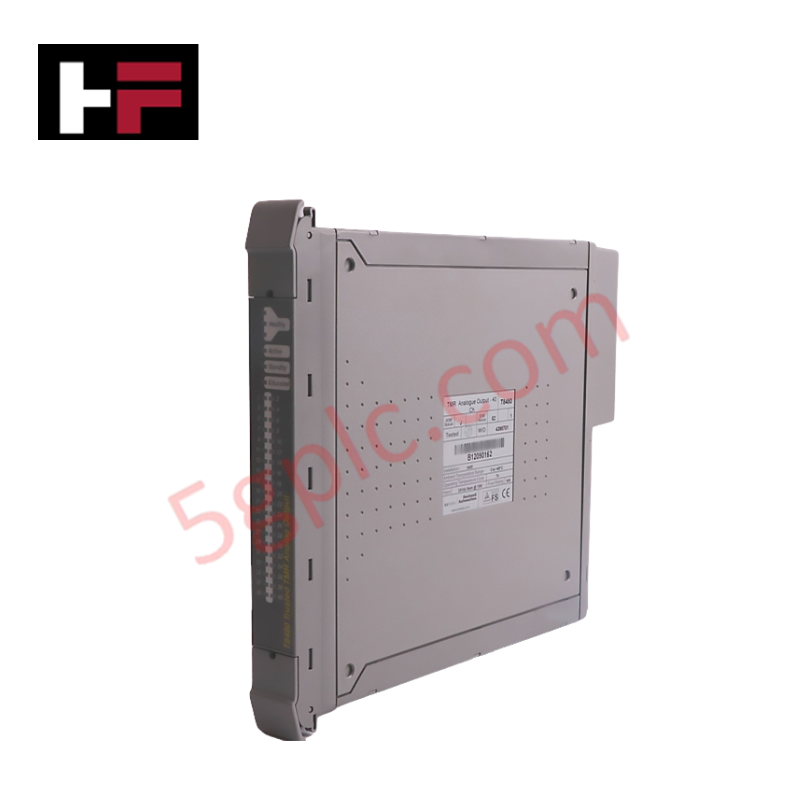
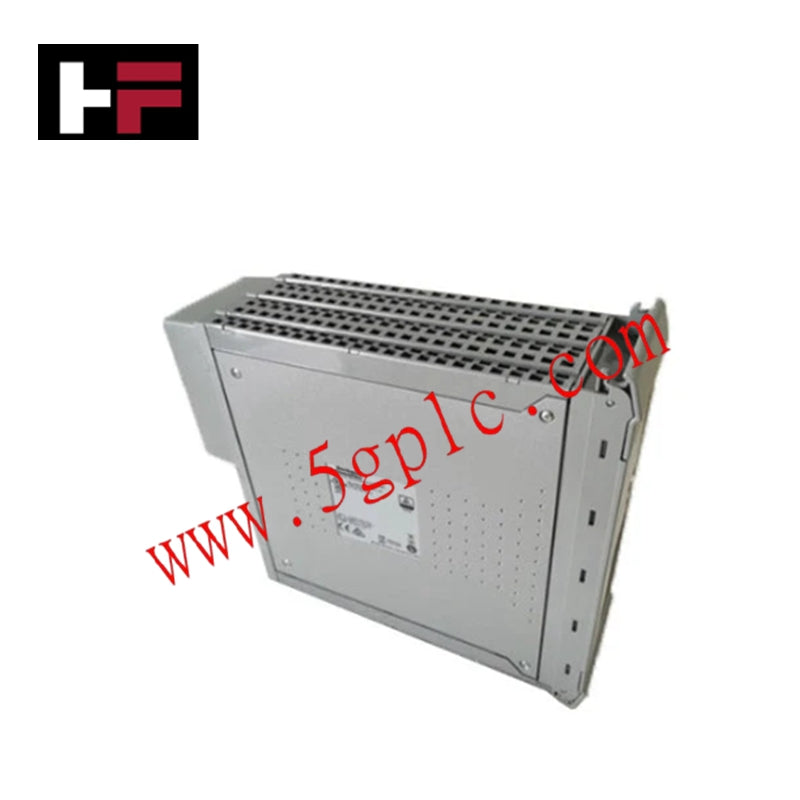
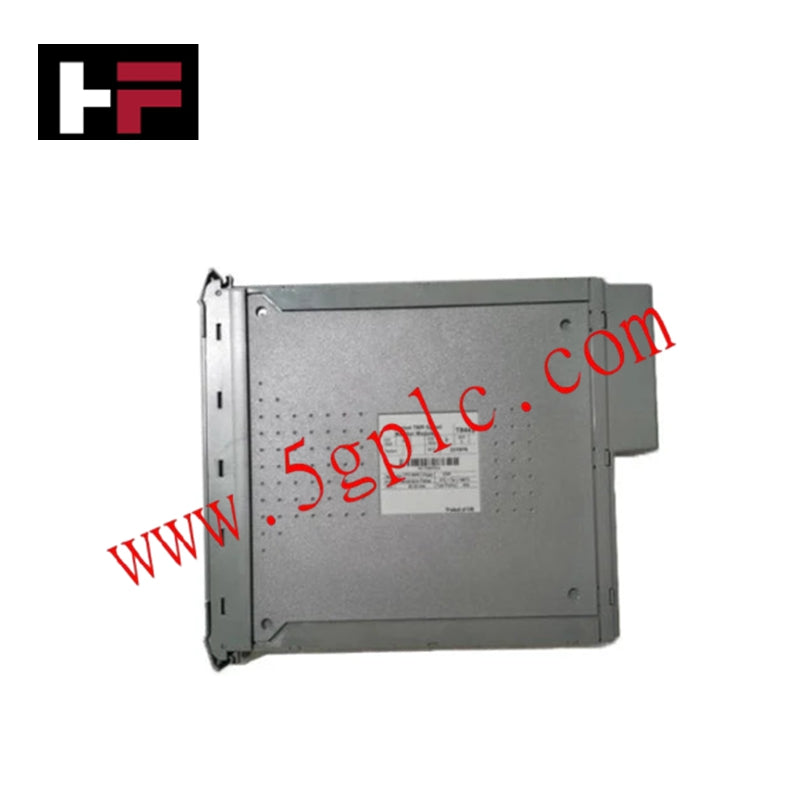
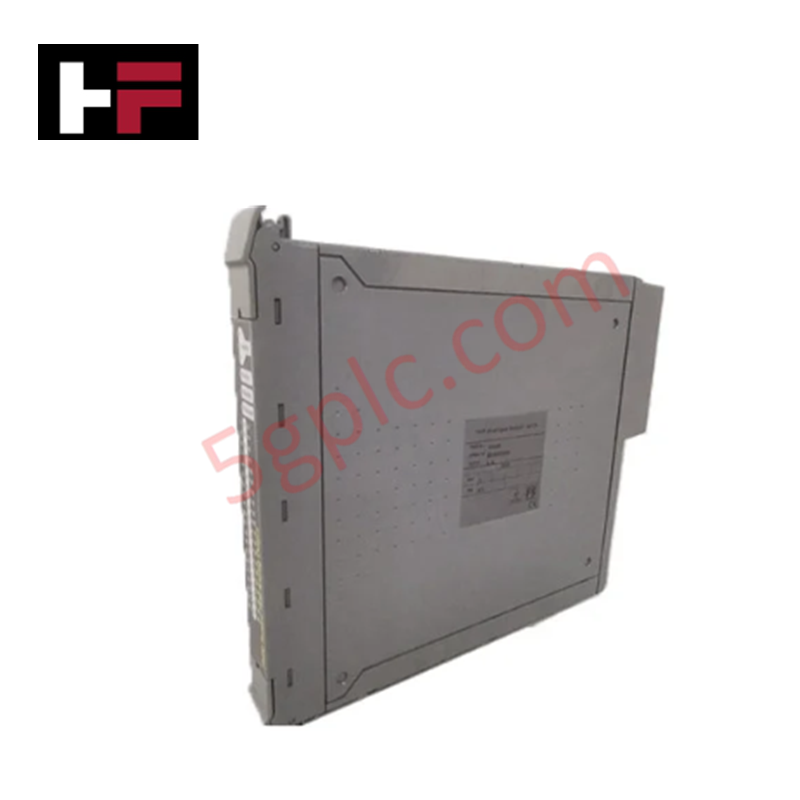
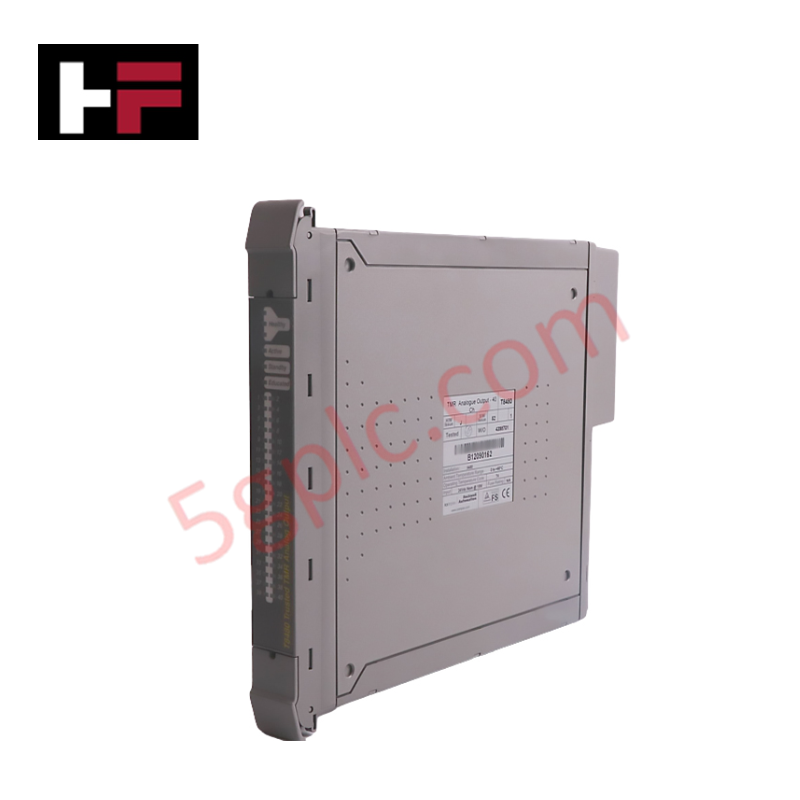
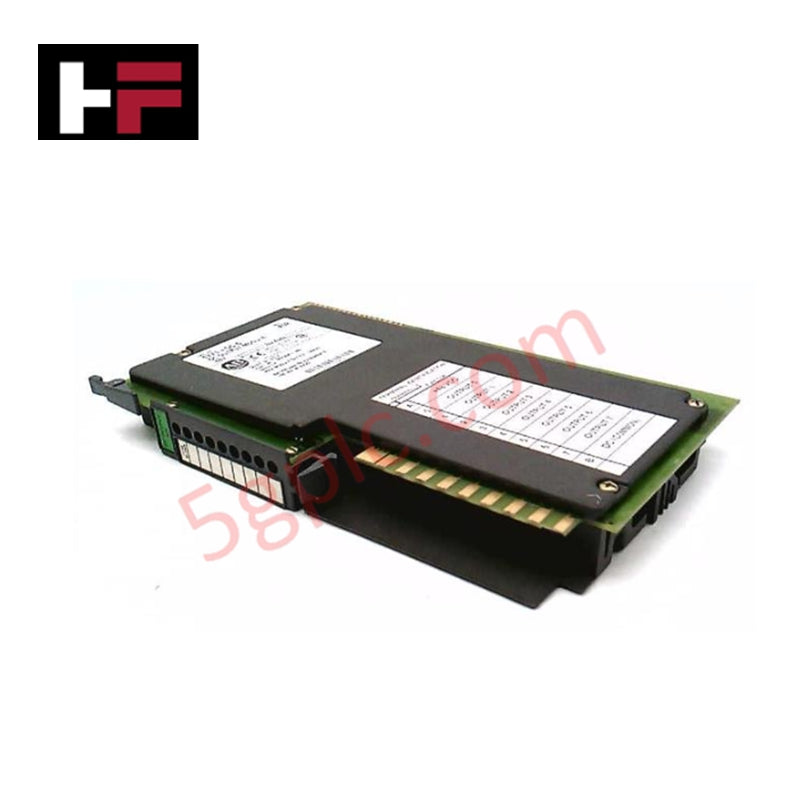
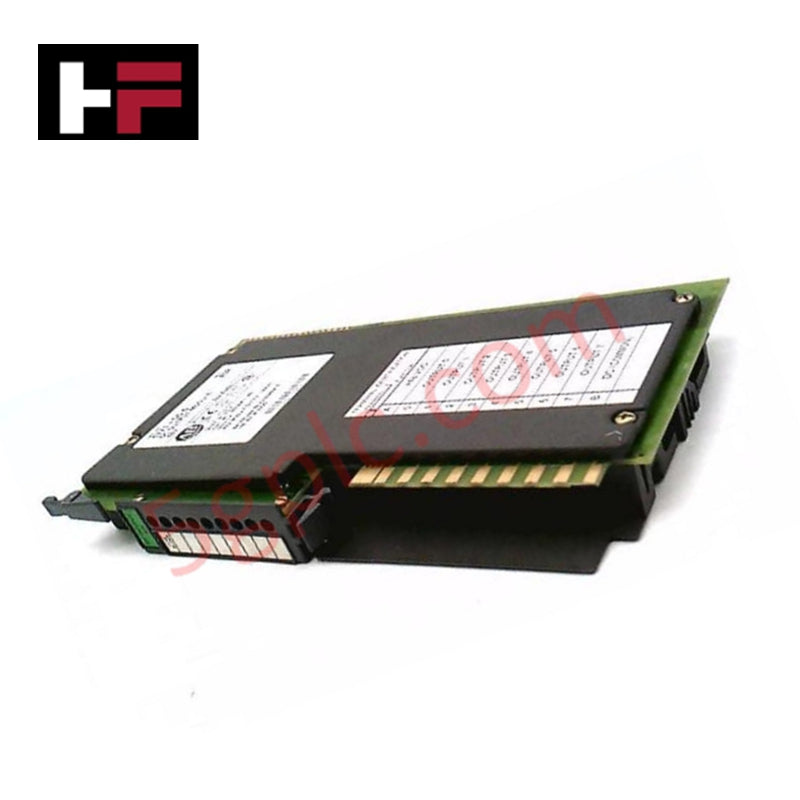
The Allen-Bradley 1771-NT2 serves as a high-precision N-Series analog input interface for the PLC-5 platform. It converts low-level millivolt and thermocouple signals into digital data for the controller, enabling micro-accurate temperature monitoring in heavy industrial environments. This module supports eight independent channels and interfaces directly with a wide variety of thermocouple alloys. We supply this unit as 100% Brand New and Original, ensuring your legacy infrastructure maintains peak performance with factory-calibrated accuracy.
Technical Specifications
The 1771-NT2 utilizes an advanced analog-to-digital architecture to deliver exceptional resolution across multiple sensor types.
| Feature | Specification |
| Manufacturer | Allen-Bradley / Rockwell Automation |
| Product Line | PLC-5 (1771 I/O) |
| Number of Inputs | 8 Isolated Channels |
| Input Signal Types | TC (B, R, S, E, J, K, T, C, N) & Millivolt |
| Input Resolution | 0.95 Microvolt/bit (-5 to +55 mV) |
| Resolution (Type B, R, S) | 0.03 °C/bit |
| Resolution (Type E, J, K, T) | 0.1 °C/bit |
| Backplane Current | 1.5 Amperes |
| Data Format | BCD or Natural Binary |
| Wiring Arm | 1771-WH |
| Remote Terminal Panel | 1771-RTP1 |
Engineering Advantages
-
Ultra-High Resolution Sensing: This module offers a resolution of 0.95 Microvolts per bit. This sensitivity allows the PLC to detect minute thermal fluctuations, ensuring tighter PID control loops in critical processes like glass tempering or chemical refining.
-
Broad Thermocouple Versatility: The 1771-NT2 natively supports nine different thermocouple types. Engineers standardize on this single part number to handle diverse temperature ranges across the plant floor, from cryogenic monitoring to high-heat furnace control.
-
Simplified Field Wiring: The module utilizes the 1771-WH wiring arm. This design allows technicians to pre-wire the field terminations once; they can then swap the module without disconnecting any field wires, drastically reducing Mean Time to Repair (MTTR).
-
N-Series Noise Immunity: As an "N-Series" module, the 1771-NT2 features enhanced filtering and isolation. It successfully rejects electromagnetic interference common in racks located near large motor drives or induction heating equipment.
FAQs
-
Does the 1771-NT2 support Cold Junction Compensation (CJC)? Yes. To ensure measurement accuracy, you must use the 1771-WH wiring arm or the 1771-RTP1 panel, which houses the CJC thermistors. These sensors compensate for the ambient temperature at the terminal junctions.
-
Can I mix millivolt and thermocouple inputs on the same module? Yes. You configure each of the eight channels independently via the PLC-5 software. This allows you to monitor raw millivolt signals alongside various thermocouple types on a single rack slot.
-
How does the module handle a broken sensor wire? The 1771-NT2 includes open-circuit detection. When the module senses an open thermocouple, it drives the data to a specific out-of-range value, triggering your programmed safety alarms or emergency shutdowns.
-
Is this a refurbished or used unit? Absolutely not. We guarantee this 1771-NT2 is 100% Brand New and Original. It arrives in its original factory packaging, ensuring no prior thermal stress or component degradation.
Additional Information
- 100% Genuine Parts: All products are original and authentic, ensuring reliable industrial performance.
- 30-Day Refund Guarantee: Return any in-stock item within 30 days in original, unopened packaging for a full refund (excluding shipping and fees).
- 12-Month Warranty: Covers defects in materials or workmanship; excludes misuse, normal wear, or unauthorized modifications.
- Worldwide Shipping: We ship via USPS, UPS, FedEx, and DHL. Delivery times vary by country and may be subject to customs or import fees.
- Support & Contact: Technical and warranty assistance is available anytime. Contact us here: Contact.
- Purchase Guidance: Check product specifications and compatibility carefully before ordering to ensure proper application.
Tech & Buying Guide

Optimizing Tank Level Control Using Proportional Algorithms in PLC Systems
Industrial automation engineers frequently encounter liquid level regulation challenges across diverse process plants. Traditional ON-OFF control mechanisms often disrupt system stability due to abrupt actuator switching. Therefore, upgrading to closed-loop architectures like proportional control yields smoother responses. In a typical PLC environment, such as Siemens TIA Portal, engineers utilize closed-loop feedback to minimize process errors without requiring full PID complexity.

Understanding Why Your PLC Enters Stop Mode: Causes and Troubleshooting
In industrial automation, programmable logic controllers (PLCs) serve as the core intelligence of modern factory automation and distributed control systems (DCS). Understanding how a PLC transitions between modes is vital for maintenance engineers. Typically, a PLC operates across four primary modes: Run, Stop, Start-Up, and Hold. When power is applied, the system immediately boots into Stop mode before initiating the Start-Up sequence. If the controller encounters a critical error during execution, it automatically reverts to Stop mode to prevent equipment damage. Therefore, monitoring these state transitions helps technicians maintain high system availability.
Comprehensive Guide to Servo Motor Drive Control Techniques in Industrial Automation
Precision motion control systems drive high-throughput manufacturing across modern industrial automation environments. Unlike standard induction motors running on basic variable frequency drives, servo motor systems deliver sub-millimeter positioning accuracy and fast dynamic response.