












Product Details
Product Overview
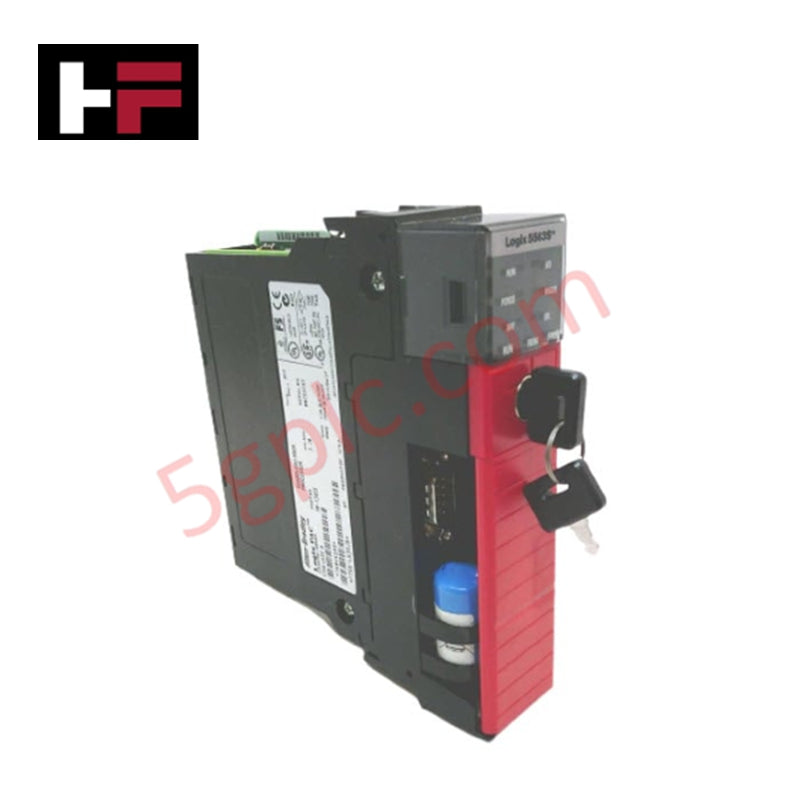
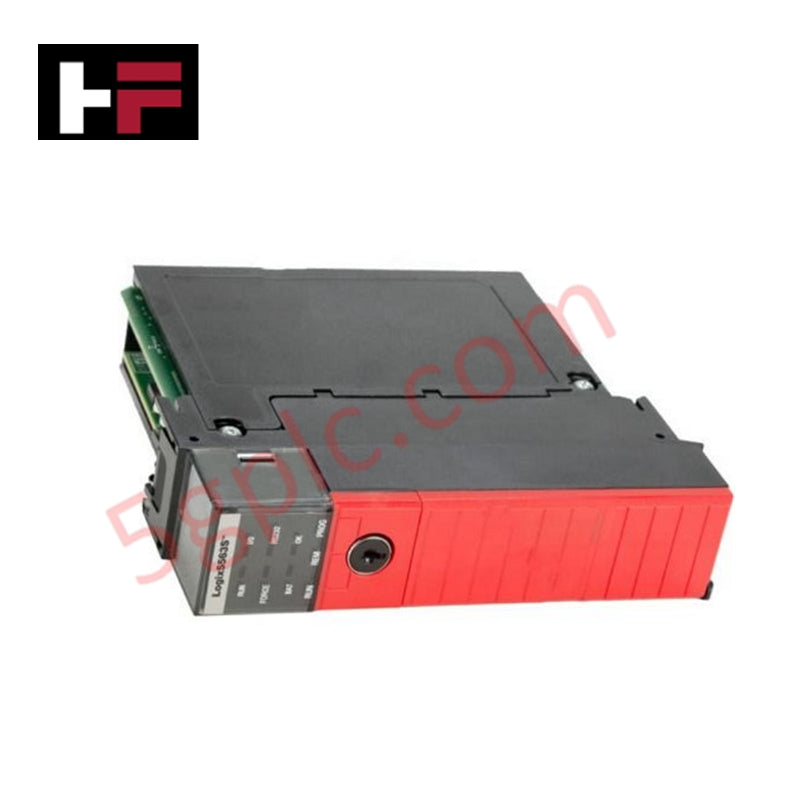
The 1756-L63S GuardLogix controller delivers integrated standard and safety control in a single platform. This controller executes complex logic, manages safety interlocks, and coordinates distributed I/O across ControlLogix architectures. It supports high-speed processing with dedicated safety memory, enabling deterministic response in critical applications such as machine safeguarding and process shutdown systems.
This unit is 100% brand new original, ensuring full lifecycle reliability and compatibility with existing ControlLogix racks and safety networks.
Technical Specifications
| Parameter | Specification |
|---|---|
| Model Number | 1756-L63S |
| Controller Type | GuardLogix Safety Controller |
| User Memory | 8 MB |
| Safety Memory | 4 MB |
| I/O Memory | 478 KB |
| System Compatibility | ControlLogix Platform |
| Category | PLC / Rack Controller Module |
| Weight | 0.93 lbs (≈0.42 kg) |
| Product Status | Discontinued (June 2017) |
| Condition | Brand New Original |
Engineering Advantages
The 1756-L63S integrates standard and safety control into one processor, eliminating the need for separate safety PLCs. This architecture reduces panel space, wiring complexity, and system latency.
Engineers install the module directly into a ControlLogix chassis, which simplifies system expansion and maintenance. The controller supports modular I/O scaling, allowing you to adapt configurations without redesigning the control system.
The dedicated 4 MB safety memory ensures deterministic execution of safety routines, even under heavy system load. This design helps maintain compliance with functional safety standards while preserving overall system performance.
The controller also minimizes electromagnetic interference issues by operating within the ControlLogix backplane architecture, which provides stable communication and power distribution in electrically noisy industrial environments.
FAQs
Q1: Can the 1756-L63S replace older GuardLogix controllers?
Yes. The 1756-L63S can replace earlier GuardLogix models if the system firmware and project configuration match. Always verify compatibility in RSLogix/Studio 5000 before deployment.
Q2: What should I check before installation?
Confirm chassis compatibility, firmware version, and safety task configuration. Ensure proper grounding and power supply stability to maintain safety integrity.
Q3: Does this controller support both standard and safety tasks simultaneously?
Yes. The controller executes standard and safety programs independently using separate memory spaces, ensuring reliable performance for both functions.
Q4: Is this product still usable despite being discontinued?
Yes. Many industrial systems still operate with this model. A brand new unit provides a reliable replacement for maintenance and system continuity.
Additional Information
- 100% Genuine Parts: All products are original and authentic, ensuring reliable industrial performance.
- 30-Day Refund Guarantee: Return any in-stock item within 30 days in original, unopened packaging for a full refund (excluding shipping and fees).
- 12-Month Warranty: Covers defects in materials or workmanship; excludes misuse, normal wear, or unauthorized modifications.
- Worldwide Shipping: We ship via USPS, UPS, FedEx, and DHL. Delivery times vary by country and may be subject to customs or import fees.
- Support & Contact: Technical and warranty assistance is available anytime. Contact us here: Contact.
- Purchase Guidance: Check product specifications and compatibility carefully before ordering to ensure proper application.
Tech & Buying Guide

Master Acceptance Testing: Understanding FAT and SAT in Industrial Control Systems
Factory Acceptance Testing (FAT) and Site Acceptance Testing (SAT) serve as critical quality assurance gateways in complex industrial control systems. Both procedures verify that programmable logic controllers (PLCs), distributed control systems (DCS), and associated field devices meet strict functional specifications. However, executing these tests effectively requires clear delineation between off-site staging and final field commissioning.

Industrial Networking Essentials: Demystifying Hubs, Switches, and Routers in Control Systems
Industrial automation relies heavily on robust networking infrastructure to connect programmable logic controllers (PLCs), distributed control systems (DCS), and human-machine interfaces (HMIs). Modern factory automation environments generate vast amounts of real-time operational data across deterministic networks. Understanding the structural differences between hubs, switches, and routers ensures optimal traffic segmentation, minimizes latency, and maintains high network availability.
Safety Relays in Industrial Automation: Fundamentals, Design Standards, and Fail-Safe Architecture
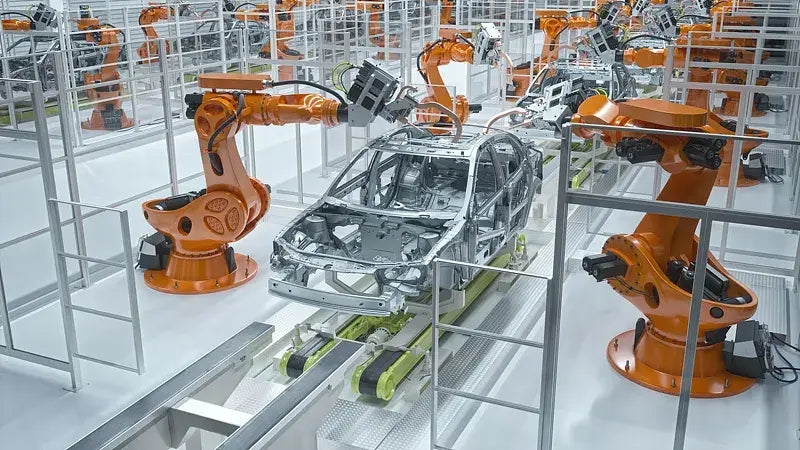
Safety relays form the bedrock of functional safety in modern factory automation, preventing catastrophic equipment failure and protecting plant personnel. While standard electromechanical relays handle basic load switching, they lack the redundant diagnostics required for high-risk industrial environments. Modern industrial automation platforms—including programmable logic controllers (PLCs) and distributed control systems (DCS)—rely on specialized safety relays to monitor field devices and isolate hazards instantly.