










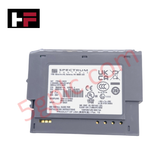
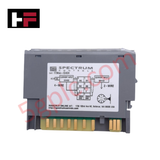
Product Details
Product Overview
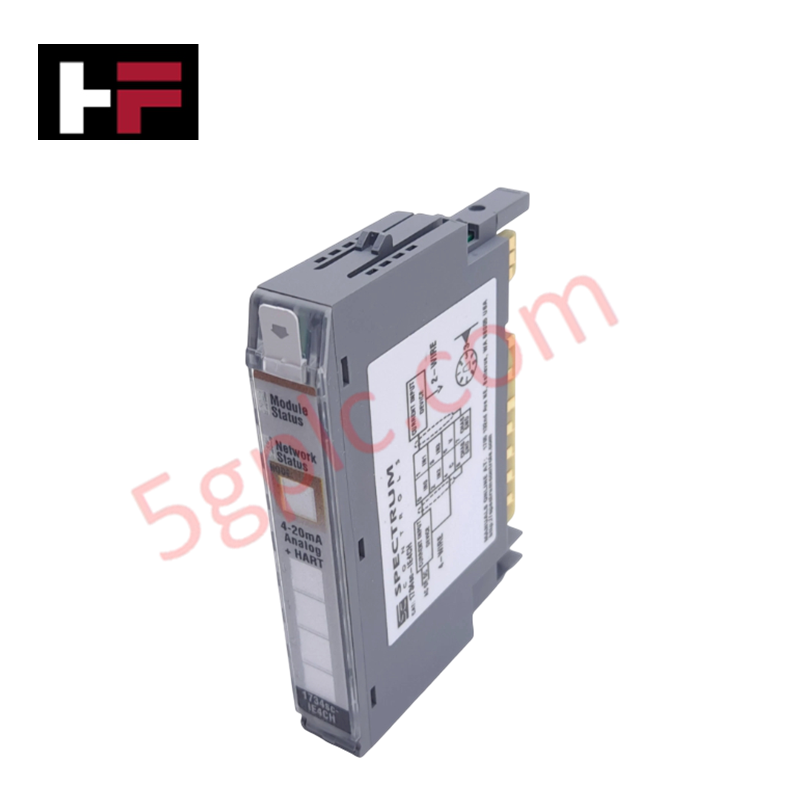
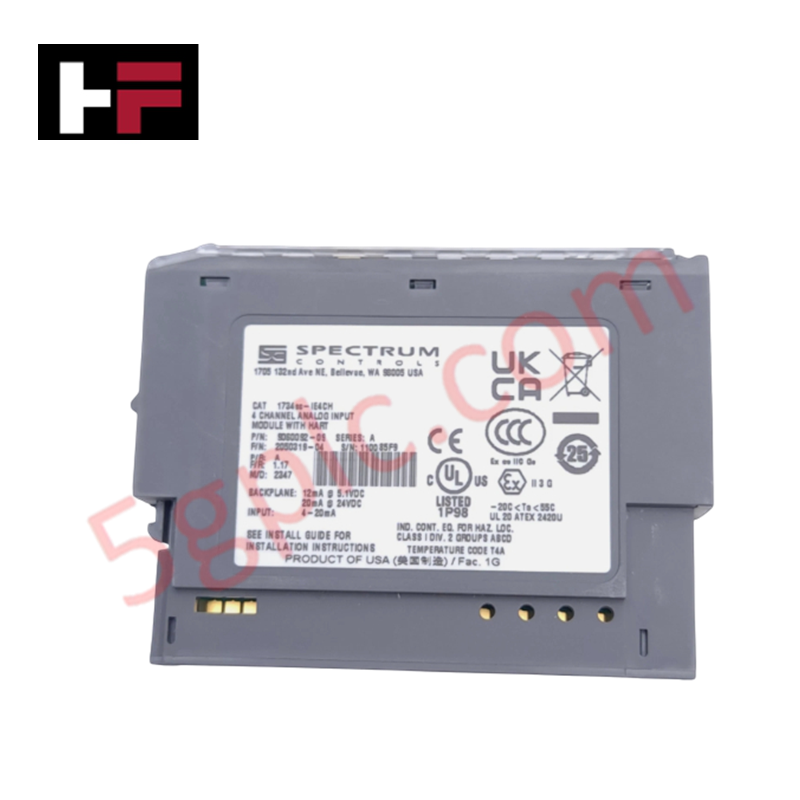
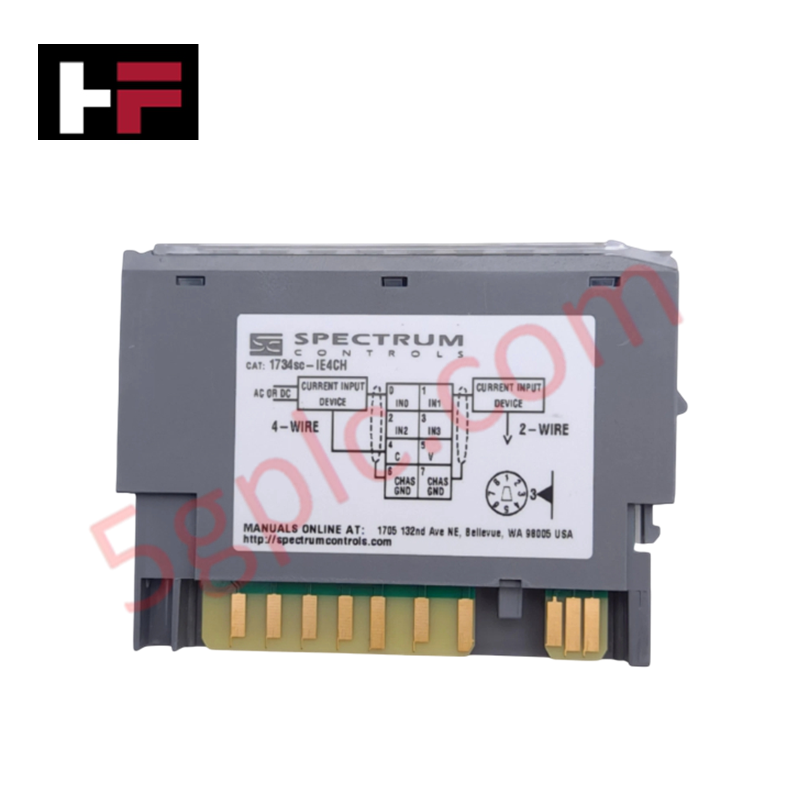
The 1734sc-IE4CH serves as a specialized high-density analog input module for the Allen-Bradley POINT I/O platform. It provides four channels of 4-20mA analog input while simultaneously enabling HART (Highway Addressable Remote Transducer) protocol communication. This module allows engineers to extract secondary process variables and device diagnostics directly from smart field instruments without additional hardware. We supply this module as 100% Brand New and factory-original, ensuring full hardware integrity for your mission-critical process loops.
Technical Specifications
This module features high-resolution conversion and robust electrical isolation to maintain signal purity in industrial environments.
| Feature | Specification |
| Number of Inputs | 4 Analog + HART Channels |
| Resolution | 16-bit |
| Signal Range | 4–20 mA |
| HART Variables | PV, SV, TV, FV (Primary, Secondary, Tertiary, Quaternary) |
| Accuracy | < 0.1% of range (0 °C to 25 °C) |
| Input Impedance | 250 Ohms (Typical) |
| Sampling Time | 33 ms (@480 Hz) to 488 ms (@50/60 Hz) |
| Overcurrent Protection | 28 mA Continuous |
| Isolation | 50 VDC Field-to-Backplane / 10 VDC Channel-to-Channel |
Engineering Advantages
-
HART Data Integration: The 1734sc-IE4CH captures advanced diagnostic data and multi-variable information from smart transmitters. This capability enables predictive maintenance by monitoring device health and secondary process parameters (TV/FV) over the existing 4-20mA wiring.
-
High-Precision Signal Processing: The 16-bit resolution ensures granular data acquisition for sensitive applications. It detects minute fluctuations in process variables, allowing the controller to execute more precise adjustments in closed-loop systems.
-
Enhanced Channel Isolation: The 10 VDC channel-to-channel isolation minimizes ground loop interference and prevents signal "crosstalk" between adjacent inputs. This ensures that a fault on one instrument does not corrupt the data from the remaining three channels.
-
Compact Single-Slot Design: The module fits into a standard POINT I/O base. It provides four HART-enabled channels in a single slot width, maximizing I/O density in small junction boxes and reducing overall cabinet hardware costs.
FAQs
-
Does the 1734sc-IE4CH require a specific terminal base?
The module installs into any standard 1734-TB or 1734-TBS terminal base. Ensure the base remains correctly keyed to the analog input module to prevent incorrect module insertion.
-
Can I use this module for standard 4-20mA signals without HART?
Yes. The module functions as a high-precision 16-bit analog input module for standard 4-20mA transmitters. You can enable or disable the HART communication features via the software configuration.
-
How does the 1734sc-IE4CH handle field-side power?
The module draws backplane power for its internal logic, but you must provide field-side power to your 4-20mA transmitters. Verify that your power supply maintains the required voltage for the 250 Ohm typical impedance of each channel.
-
What software environment supports the HART variables?
You configure the 1734sc-IE4CH using Studio 5000 Logix Designer. The HART variables (PV, SV, TV, FV) map directly into the controller's tag database for easy access in your control logic or HMI.
Additional Information
- 100% Genuine Parts: All products are original and authentic, ensuring reliable industrial performance.
- 30-Day Refund Guarantee: Return any in-stock item within 30 days in original, unopened packaging for a full refund (excluding shipping and fees).
- 12-Month Warranty: Covers defects in materials or workmanship; excludes misuse, normal wear, or unauthorized modifications.
- Worldwide Shipping: We ship via USPS, UPS, FedEx, and DHL. Delivery times vary by country and may be subject to customs or import fees.
- Support & Contact: Technical and warranty assistance is available anytime. Contact us here: Contact.
- Purchase Guidance: Check product specifications and compatibility carefully before ordering to ensure proper application.
Tech & Buying Guide

Demystifying CPU Communication Ports in Siemens PLC Architectures
Industrial automation relies heavily on robust data exchange between devices. Without seamless connectivity, field instruments, network switches, human-machine interfaces, and programmable logic controllers cannot coordinate effectively. Therefore, understanding the various CPU communication ports available in Siemens hardware ensures efficient factory automation design and seamless system integration.

Mastering the Siemens PLC Scan Cycle: How the CPU Executes Automation Programs
Industrial automation relies heavily on programmable logic controllers (PLCs) to manage complex manufacturing processes. Many engineers dive straight into programming without mastering the underlying architecture. However, understanding how a PLC CPU executes a program ensures reliable system design. Therefore, mastering the scan cycle optimizes both performance and troubleshooting in modern control systems.

How to Connect to Siemens S7 PLCs: 5 Essential Communication Methods
Establishing a reliable hardware link between a programming terminal and a Siemens SIMATIC controller is essential for engineering workflows. Field engineers rely on distinct physical layers, ranging from legacy serial connections to high-speed Industrial Ethernet protocols. Modern factory automation environments prioritize fast data transfer and seamless driver integration. Selecting the correct connection method simplifies program downloads, online monitoring, and system troubleshooting in complex control systems.