










Detalles del producto
Descripción del Producto
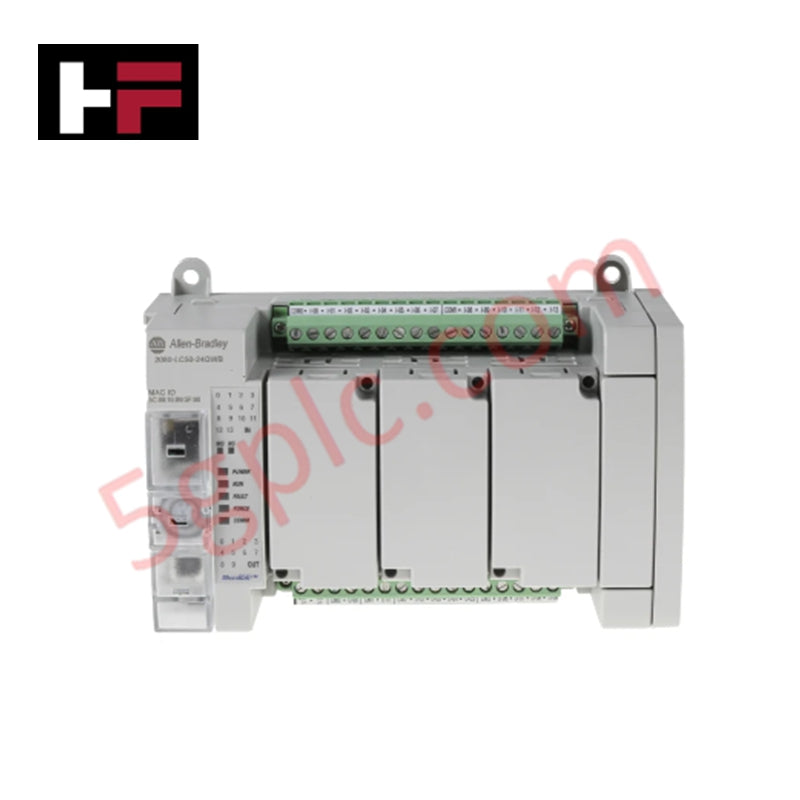
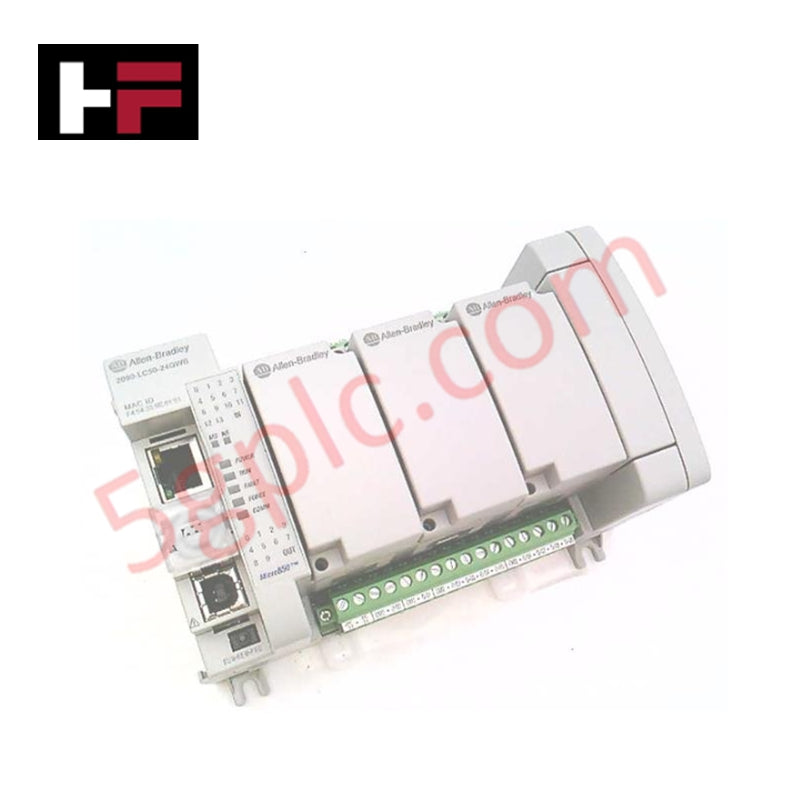
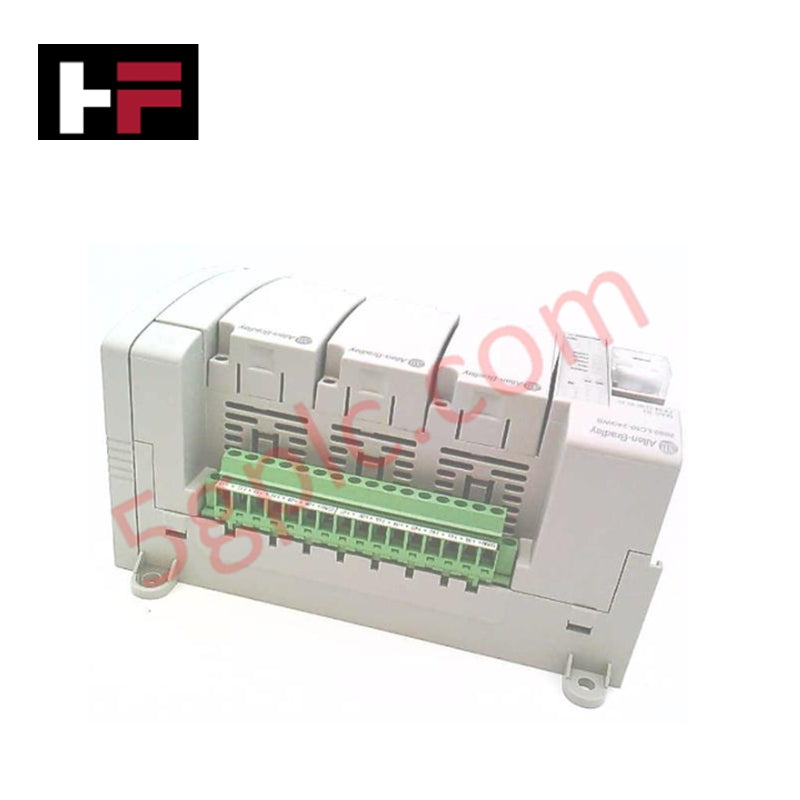
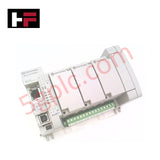
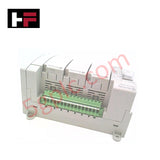
El Allen-Bradley 2080-LC70-24QWB funciona como un controlador Ethernet/IP potente y flexible dentro de la línea de productos Micro870. Diseñado para máquinas independientes de tamaño pequeño a mediano, este controlador lógico programable (PLC) cuenta con 24 puntos de E/S integrados (14 entradas y 10 salidas por relé) y 128 KB de memoria. Ofrece conectividad versátil con puertos nativos Ethernet/IP, Modbus RTU y comunicación serial, permitiendo una integración fluida en diversas redes industriales. Suministramos este artículo como una unidad 100% nueva y sellada de fábrica.
Especificaciones Técnicas
| Parámetro | Especificación |
|---|---|
| Fabricante | Allen-Bradley (Rockwell Automation) |
| Línea de Producto | Micro870 |
| Tipo de Producto | Controlador Ethernet/IP (PLC) |
| Total de Puntos de E/S | 24 (14 Entradas / 10 Salidas) |
| Tipo de Salida | Relé |
| Voltaje de Entrada | 12 / 24 Voltios DC |
| Espacio de Memoria | 128 KB |
| Puertos de Comunicación | Ethernet/IP, RS485/RS232 |
| Características de Comunicación | Modbus RTU Maestro/Esclavo |
| Temperatura de Operación | -20°C a 65°C |
| Peso | 3.00 lbs (1.36 kg) |
Ventajas de Ingeniería
Comunicación y Conectividad Avanzadas
El 2080-LC70-24QWB destaca en conectividad de máquinas con su puerto Ethernet/IP nativo y la interfaz serial RS485/RS232 integrada. Los ingenieros pueden configurar fácilmente el controlador como maestro o esclavo Modbus RTU, permitiendo comunicación directa con variadores de frecuencia (VFD), interfaces hombre-máquina (HMI) y dispositivos de terceros sin necesidad de costosos módulos de comunicación adicionales.
Salida de Relé Robusta para Control Directo de Cargas
Con 10 salidas por relé integradas, este controlador puede conmutar directamente cargas de AC o DC de mayor voltaje, como arrancadores de motor, solenoides y luces indicadoras. Esto elimina la necesidad de relés de interfaz externos en muchas aplicaciones, reduciendo significativamente el espacio en paneles, la complejidad del cableado y el costo total de materiales.
Amplio Rango de Temperatura de Operación
Diseñado para soportar ambientes industriales exigentes, el controlador Micro870 opera de manera confiable en temperaturas ambientales que van desde -20°C hasta 65°C. Esta amplia tolerancia térmica asegura un rendimiento estable en gabinetes sin climatización, armarios exteriores y procesos de manufactura exigentes donde la electrónica comercial estándar fallaría.
Preguntas Frecuentes
P: ¿Cuántos puntos de E/S tiene integrados el 2080-LC70-24QWB?
R: Este controlador cuenta con 24 puntos de E/S integrados, configurados específicamente como 14 entradas digitales y 10 salidas por relé, proporcionando una base sólida para el control de máquinas sin necesidad inmediata de expansión.
P: ¿Qué protocolos de comunicación soporta este controlador Micro870?
R: Cuenta con un puerto Ethernet/IP nativo para integración fluida con ecosistemas Rockwell Automation. Además, el puerto RS485/RS232 soporta protocolos Modbus RTU maestro/esclavo para conectar una amplia variedad de dispositivos industriales de terceros.
P: ¿Qué tipo de salidas utiliza el 2080-LC70-24QWB?
R: El controlador utiliza salidas por relé. Los relés son muy versátiles ya que pueden conmutar cargas tanto de AC como de DC, siendo ideales para controlar directamente dispositivos como contactores, lámparas y pequeños motores.
P: ¿Cuál es el rango de temperatura de operación de este PLC?
R: El 2080-LC70-24QWB está calificado para un rango de temperatura de operación de -20°C a 65°C, asegurando un desempeño confiable en condiciones ambientales desafiantes comúnmente encontradas en entornos industriales.
Información adicional
- 100% Piezas Originales: Todos los productos son originales y auténticos, garantizando un rendimiento industrial confiable.
- Garantía de Reembolso de 30 Días: Devuelva cualquier artículo en stock dentro de los 30 días en su embalaje original y sin abrir para un reembolso completo (excluyendo envío y tarifas).
- Garantía de 12 Meses: Cubre defectos en materiales o mano de obra; excluye mal uso, desgaste normal o modificaciones no autorizadas.
- Envío Mundial: Enviamos vía USPS, UPS, FedEx y DHL. Los tiempos de entrega varían según el país y pueden estar sujetos a aduanas o tarifas de importación.
- Soporte y Contacto: Asistencia técnica y de garantía disponible en cualquier momento. Contáctenos aquí: Contacto.
- Guía de Compra: Verifique cuidadosamente las especificaciones y compatibilidad del producto antes de ordenar para asegurar la aplicación correcta.






Guía de Tecnología y Compras

Comprensión de los gabinetes de marshalling en la arquitectura de sistemas de control industrial
Las implementaciones de sistemas de control industrial dependen de una distribución estructurada de señales para conectar la instrumentación de campo con el hardware de procesamiento central. Un gabinete de marshalling sirve como punto de conexión intermedio fundamental entre los pesados cables multipar de tendido directo de campo y los delicados módulos de entrada/salida (E/S) alojados dentro de los gabinetes del Controlador Lógico Programable (PLC) o del Sistema de Control Distribuido (DCS). Al separar las terminaciones de los cables de campo del hardware de control, los ingenieros mantienen la flexibilidad del sistema, protegen los componentes del controlador y agilizan los procesos de puesta en servicio.

FAT vs SAT en sistemas de control industrial: diferencias clave y guía de ejecución
La implementación de sistemas de control industrial depende de estrictos protocolos de verificación para garantizar la seguridad operativa, la estabilidad del sistema y el cumplimiento normativo. La puesta en marcha de bastidores complejos de controladores lógicos programables (PLC), sistemas de control distribuido (DCS) y sistemas instrumentados de seguridad (SIS) requiere dos hitos fundamentales: la prueba de aceptación en fábrica (FAT) y la prueba de aceptación en el sitio (SAT). Ambos procedimientos validan que la automatización del sistema cumple las especificaciones de diseño, pero se llevan a cabo en diferentes etapas de la ejecución del proyecto y abordan distintos riesgos operativos.

Concentrador vs switch vs enrutador en la arquitectura de automatización industrial
La automatización industrial moderna depende de una infraestructura de redes industriales fiable para intercambiar datos de campo en tiempo real entre sistemas de tecnología operativa. Al integrar controladores lógicos programables, sistemas de control distribuido y nodos de supervisión SCADA, los ingenieros suelen trabajar con equipos de red como concentradores, conmutadores y enrutadores. Aunque estos dispositivos comparten puertos físicos, funcionan en distintas capas del modelo de referencia de interconexión de sistemas abiertos y ofrecen capacidades diferentes de gestión del tráfico.