












Product Details
Product Overview
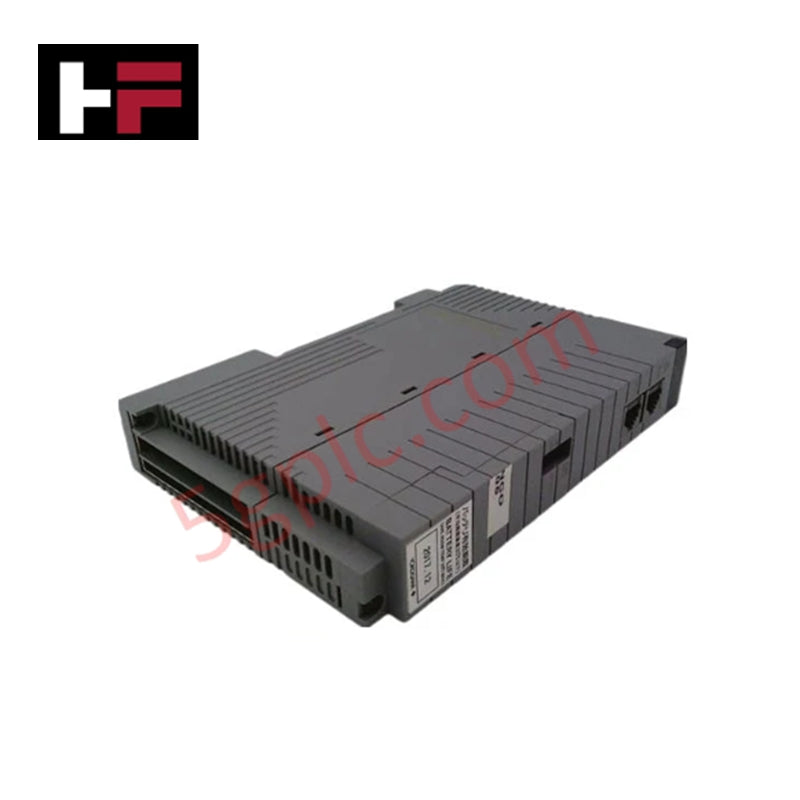
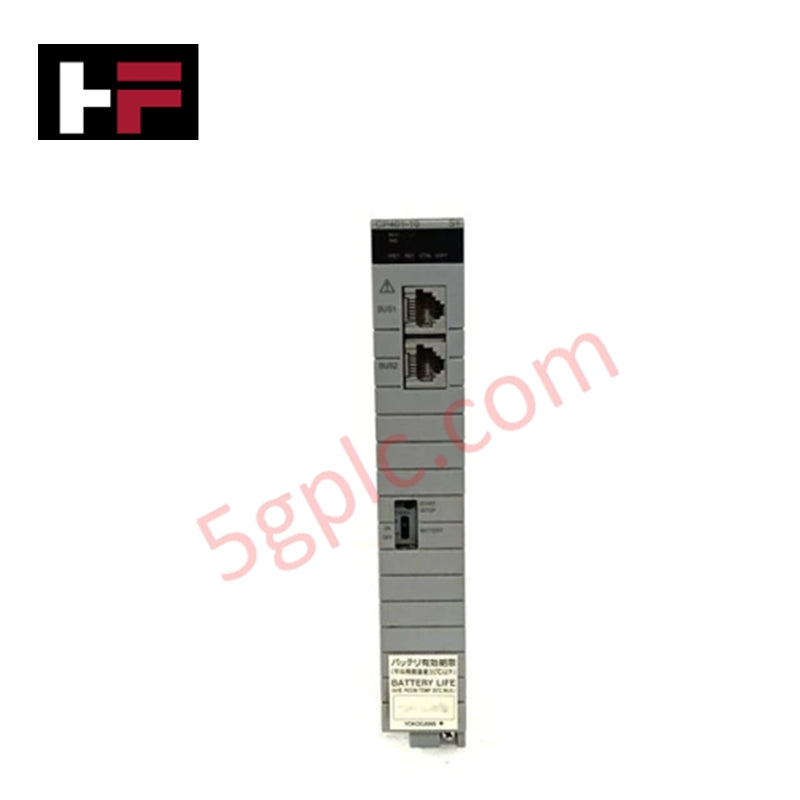
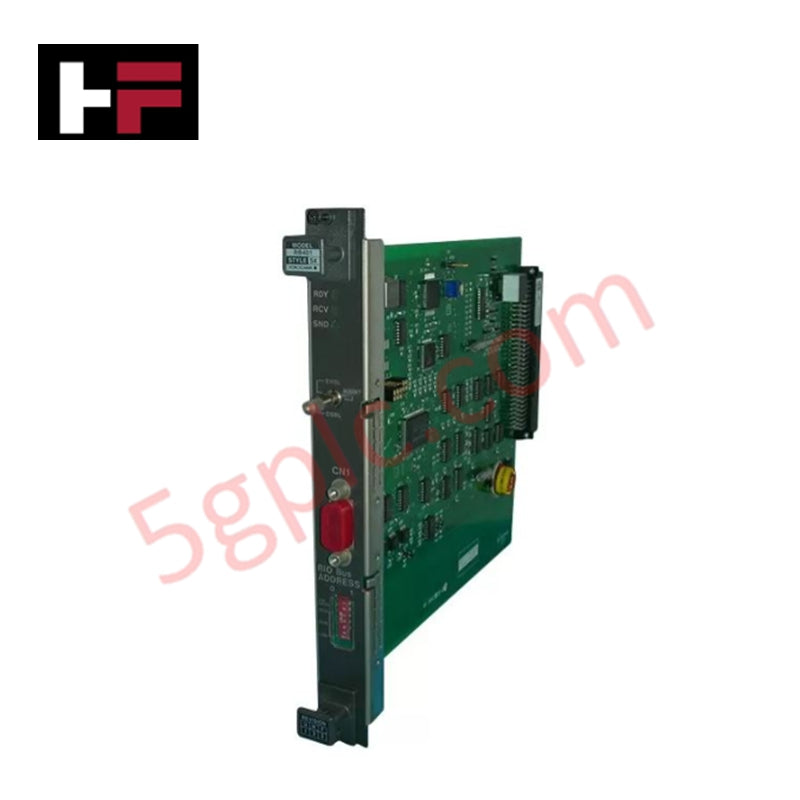
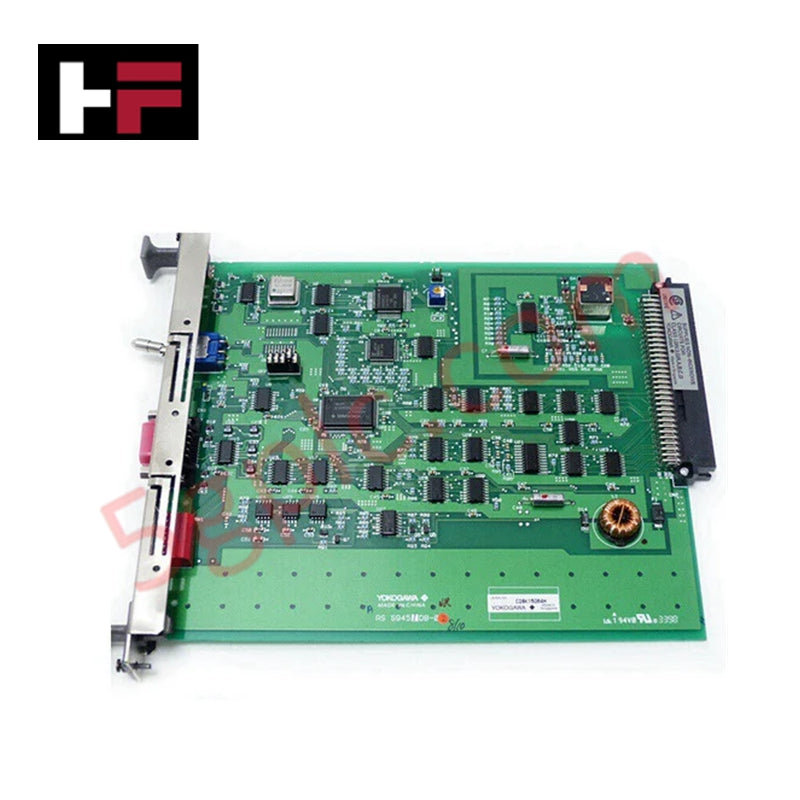
The Yokogawa SNT501-53 serves as a critical slave-side interface for the Optical ESB Bus within the CENTUM VP distributed control system. This module converts electrical signals into optical pulses, enabling high-speed, long-distance communication between the Field Control Station (FCS) and remote I/O nodes. By utilizing fiber optic cables, it eliminates electrical noise interference and ground loops across expansive plant sites. We supply this module as 100% Brand New and original, specifically built to satisfy legacy maintenance requirements and high-durability process demands.
Part Number Breakdown
The SNT501 series utilizes specific coding to define protection levels and environmental resilience:
| Suffix Code | Engineering Definition |
| SNT501 | Base Model: Optical ESB Bus Repeater Slave Module |
| -5 | Standard type with no explosion protection |
| 3 | ISA Standard G3 conformal coating & extended temperature (-20 to 70°C) |
Technical Specifications
The SNT501-53 incorporates specialized components to maintain signal integrity in corrosive and thermally volatile environments.
-
Manufacturer: Yokogawa Electric Corporation
-
Module Type: Slave Module for Optical ESB Bus
-
Environmental Protection: ISA Standard G3 conformal coating (Corrosive gas resistance)
-
Operating Temperature: -20 to 70°C (Extended range for maintenance)
-
Explosion Protection: None
-
Communication Medium: Optical fiber cable
-
System Compatibility: Yokogawa CENTUM VP / CS 3000
-
Function: Electrical-to-optical signal conversion and bus extension
-
Condition: 100% Brand New and Original
Engineering Advantages
The SNT501-53 solves complex signal distribution and environmental challenges through its hardened design:
-
Corrosive Atmosphere Resilience: The ISA G3 compliant conformal coating protects internal circuitry from hydrogen sulfide ($H_2S$), chlorine, and other corrosive gases. This makes it an essential choice for refineries, paper mills, and chemical plants where standard electronics face rapid oxidation and failure.
-
Extended Thermal Tolerance: Unlike standard modules that fail at 50°C, the SNT501-53 functions reliably between -20 and 70°C. This allows for installation in outdoor enclosures or non-ventilated cabinets where ambient temperature fluctuations previously caused communication drops.
-
Total EMI/RFI Immunity: Since fiber optic cables do not conduct electricity, this module completely isolates the communication link from electromagnetic interference. It prevents signal corruption in high-voltage areas, such as those near large motor drives or power switchgear.
-
Simplified Long-Distance Expansion: The optical interface facilitates bus extensions over several kilometers without signal attenuation. This allows engineers to place I/O racks closer to the field instruments, significantly reducing the cost of copper instrumentation cabling across the facility.
FAQs
Is the SNT501-53 compatible with current CENTUM VP projects?
Yokogawa designates this specific "Suffix 3" version primarily for maintenance and legacy support. While it functions within the Optical ESB bus architecture, you must verify your firmware version to ensure the system correctly recognizes the extended temperature parameters.
What is the benefit of the G3 coating for my application?
The G3 rating confirms the module can withstand harsh industrial environments defined by ISA-S71.04. It prevents the growth of metallic whiskers and corrosion on the PCB, extending the module’s lifespan in plants with high humidity and chemical vapors.
Does the SNT501-53 require a specific master module?
Yes. The SNT501-53 acts as a slave unit. You must pair it with a compatible Optical ESB Bus Repeater Master Module (such as the SNT401) at the FCS side to establish a complete optical communication link.
What fiber optic cable types should I use?
For optimal performance and distance, use high-quality multi-mode or single-mode fiber as specified in the Yokogawa hardware manual. Ensure the connectors stay clean and free of dust during installation to prevent signal loss (attenuation).
Additional Information
- 100% Genuine Parts: All products are original and authentic, ensuring reliable industrial performance.
- 30-Day Refund Guarantee: Return any in-stock item within 30 days in original, unopened packaging for a full refund (excluding shipping and fees).
- 12-Month Warranty: Covers defects in materials or workmanship; excludes misuse, normal wear, or unauthorized modifications.
- Worldwide Shipping: We ship via USPS, UPS, FedEx, and DHL. Delivery times vary by country and may be subject to customs or import fees.
- Support & Contact: Technical and warranty assistance is available anytime. Contact us here: Contact.
- Purchase Guidance: Check product specifications and compatibility carefully before ordering to ensure proper application.


Tech & Buying Guide

Understanding Marshalling Cabinets in Industrial Control Systems Architecture
Industrial control system deployments rely on structured signal distribution to bridge field instrumentation with central processing hardware. A marshalling cabinet serves as the vital intermediate connection point between heavy field home-run multi-pair cables and delicate input/output (I/O) modules housed inside Programmable Logic Controller (PLC) or Distributed Control System (DCS) enclosures. By segregating field cable terminations from control hardware, engineers maintain system flexibility, safeguard controller components, and streamline commissioning workflows.

FAT vs SAT in Industrial Control Systems: Key Differences and Execution Guide
Industrial control system deployment relies on strict verification protocols to guarantee operational safety, system stability, and regulatory compliance. Commissioning complex Programmable Logic Controller (PLC) racks, Distributed Control Systems (DCS), and Safety Instrumented Systems (SIS) requires two critical milestones: the Factory Acceptance Test (FAT) and the Site Acceptance Test (SAT). Both procedures validate that system automation meets design specifications, but they occur at different stages of project execution and target distinct operational risks.

Hub vs Switch vs Router in Industrial Automation Architecture
Modern factory automation relies on reliable industrial networking infrastructure to exchange real-time field data across operational technology systems. Engineers often encounter networking hardware like hubs, switches, and routers when integrating Programmable Logic Controllers, Distributed Control Systems, and SCADA monitoring nodes. Although these devices share physical ports, they operate at different layers of the Open Systems Interconnection reference model and deliver distinct traffic management capabilities.