












Product Details
Product Overview
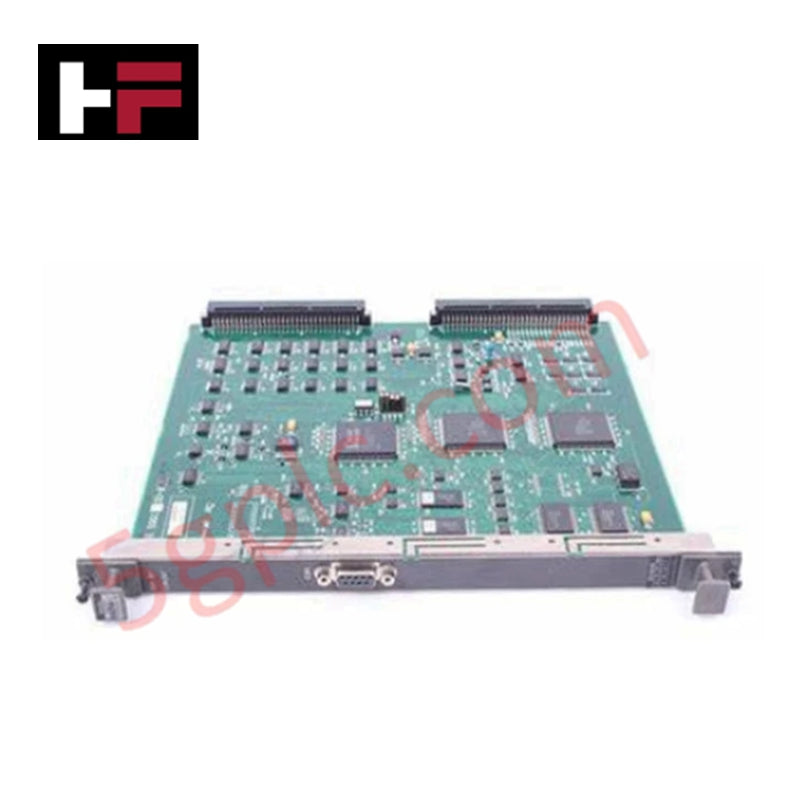
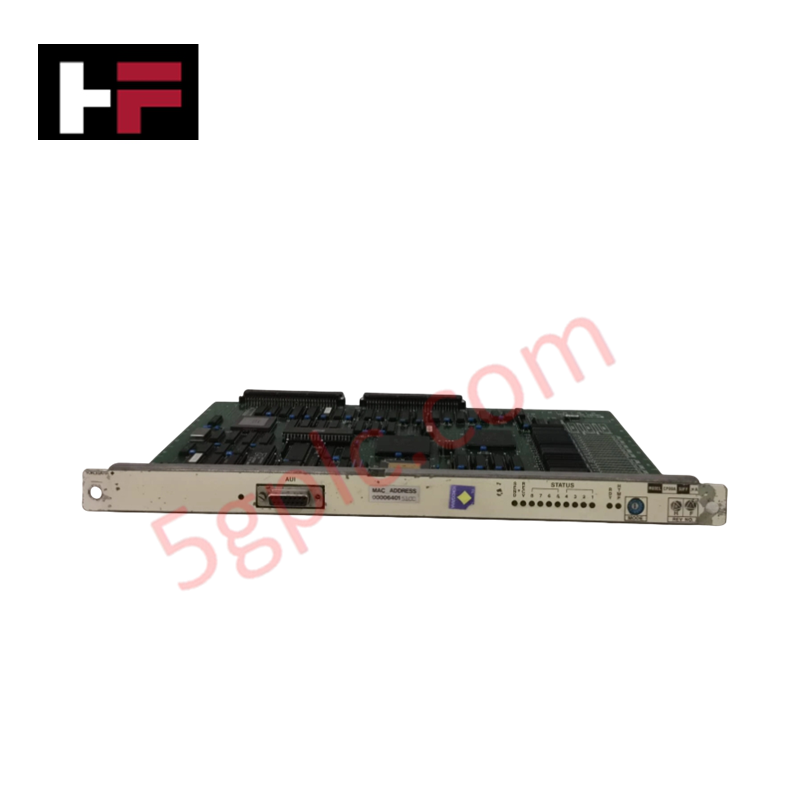
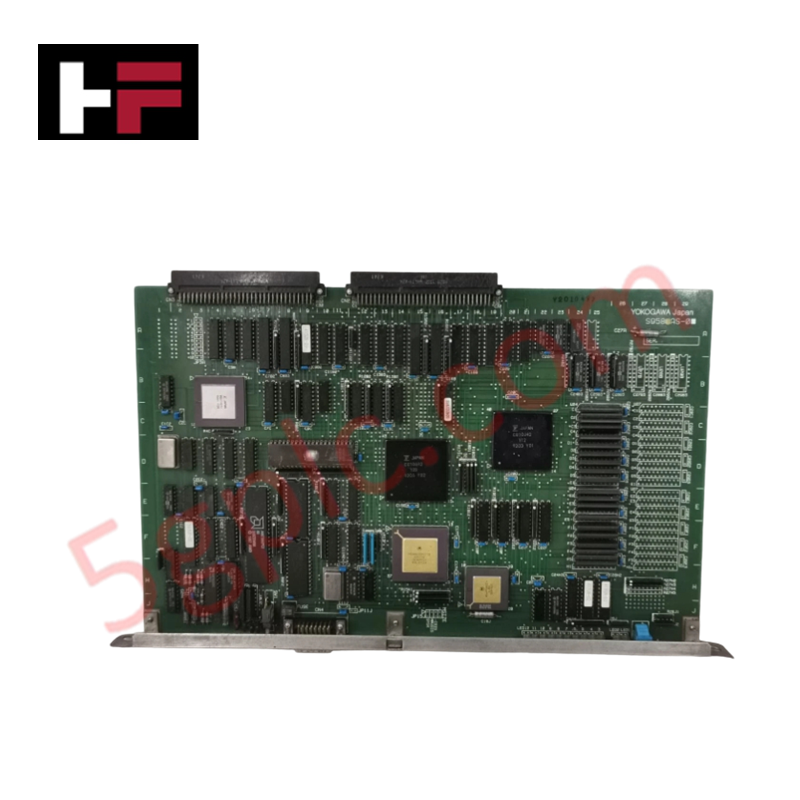
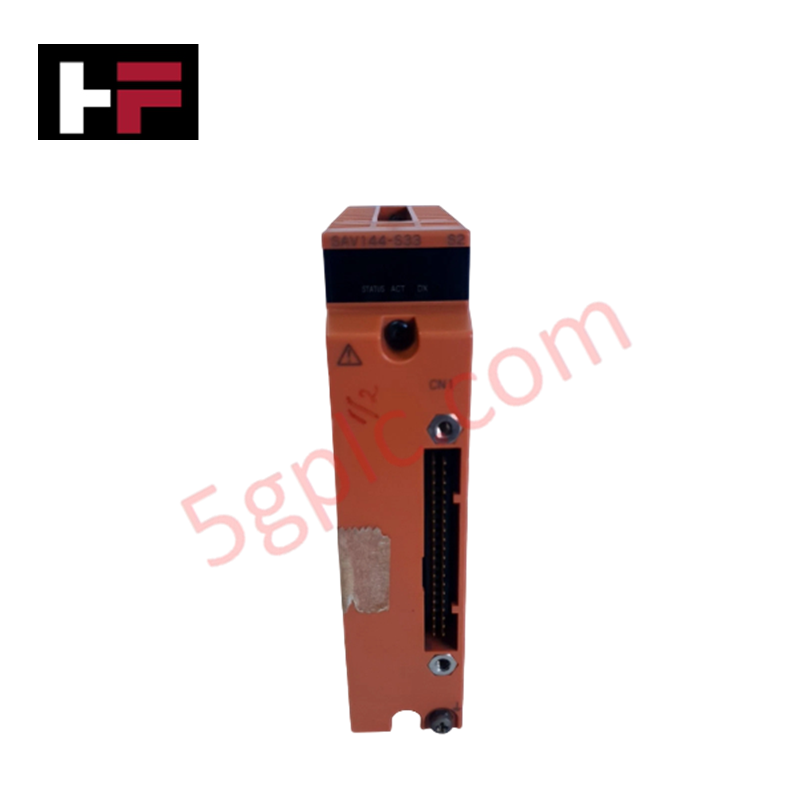
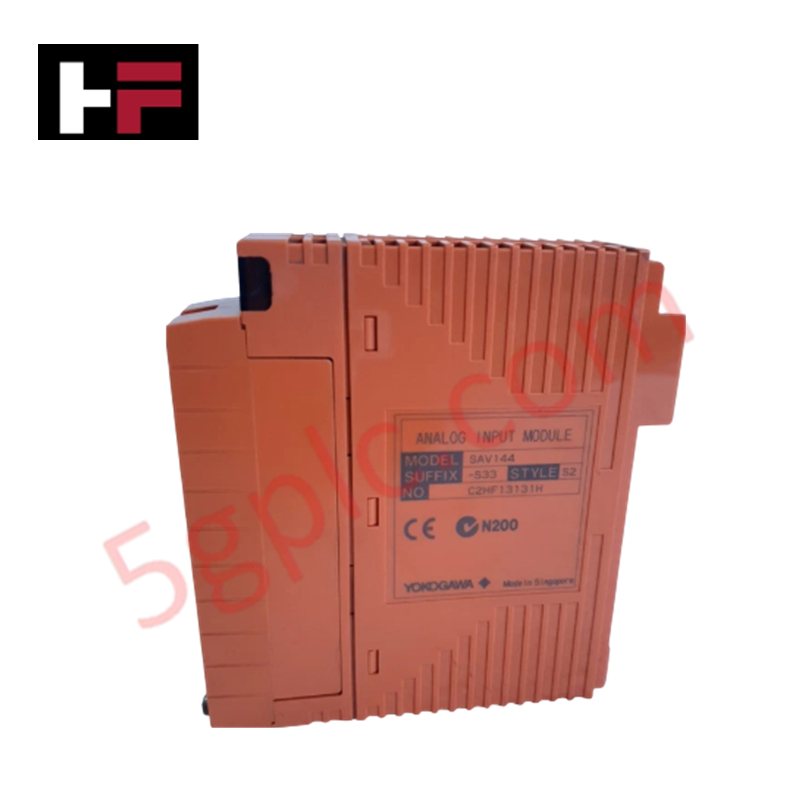
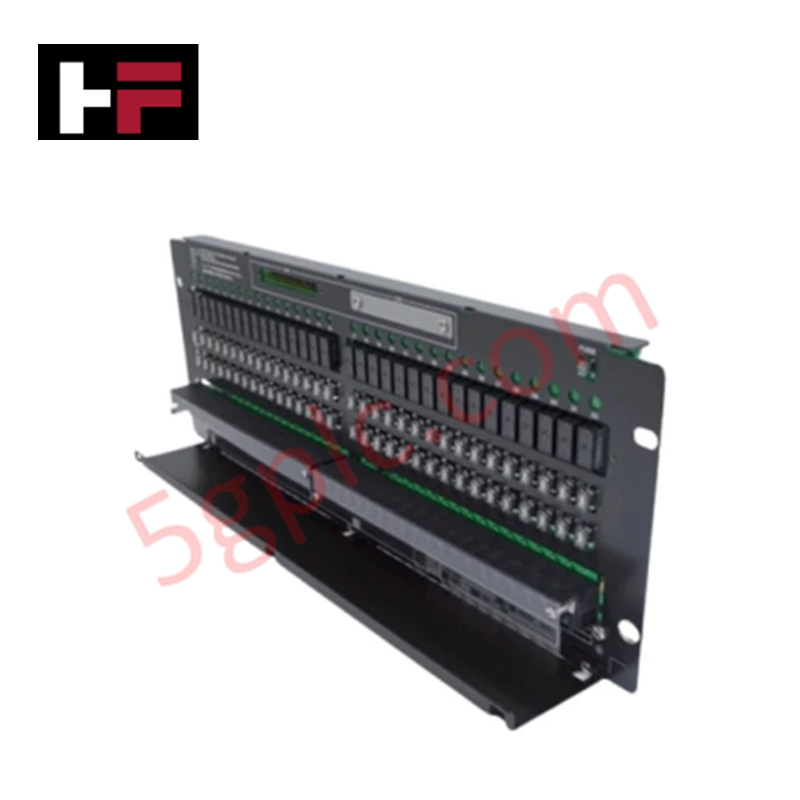
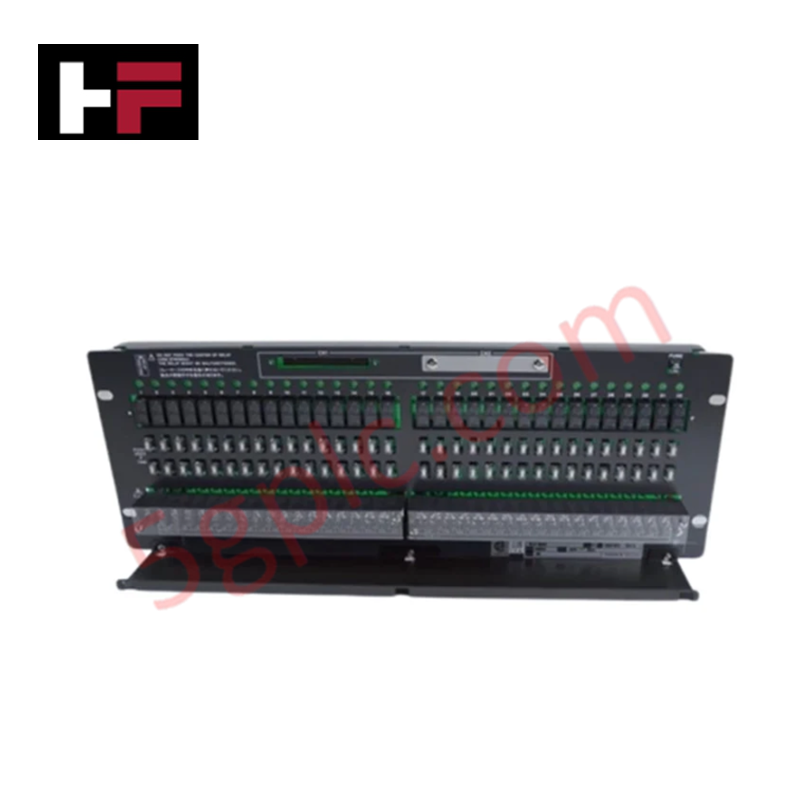
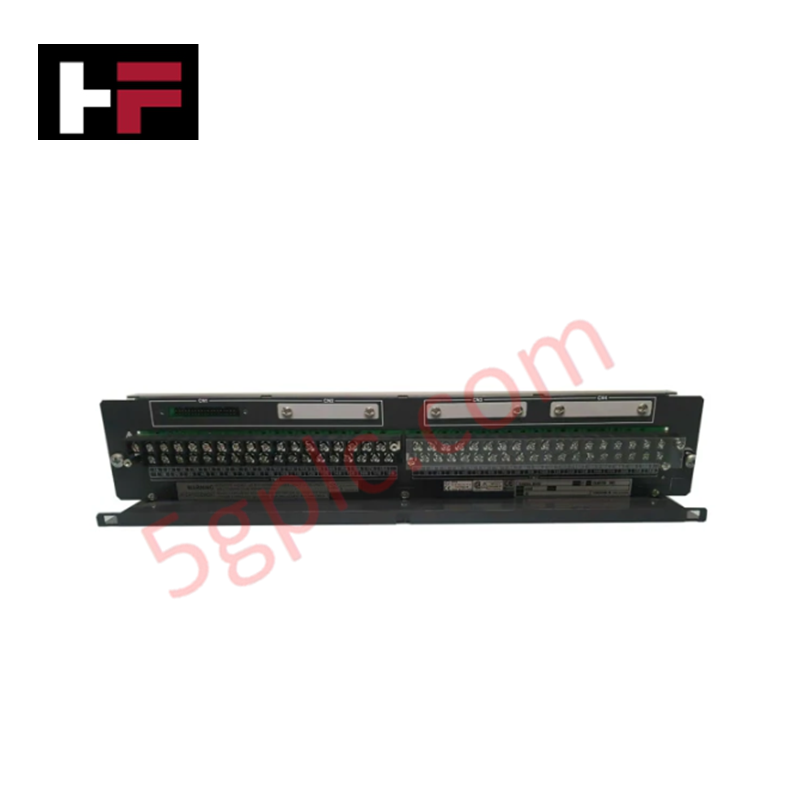
The Yokogawa SB301 serves as a high-speed Bus Coupler Module for the CENTUM CS 3000 Distributed Control System (DCS). This module facilitates the vital link between the Field Control Unit (FCU) and the expanded I/O nodes via the ESB (Extended Serial Backplane) bus. By managing signal synchronization and data routing, the SB301 ensures that remote I/O data reaches the central processor with deterministic speed and zero packet loss.
Technical Specifications
The SB301 architecture supports the high-reliability requirements of large-scale industrial networks:
| Feature | Specification |
| Manufacturer | Yokogawa |
| Model | SB301 |
| Product Type | Bus Coupler Module |
| Bus Interface | ESB Bus (Extended Serial Backplane) |
| System Compatibility | CENTUM CS 3000 / CS 1000 |
| Mounting | Dedicated Slot in FCU or I/O Node |
| Communication Rate | 128 Mbps (Typical for ESB) |
| Condition | 100% Brand New and Original |
Engineering Advantages
-
Deterministic Data Transmission: The SB301 utilizes Yokogawa's proprietary ESB bus technology to maintain a constant 128 Mbps data rate. This ensures that critical safety and control signals transit without the collisions or latencies common in standard Ethernet architectures.
-
Seamless I/O Expansion: This module allows engineers to extend the distance between the main controller and remote I/O nests. By acting as the primary gateway, the SB301 simplifies the hardware layout, allowing for decentralized I/O distribution across wide plant areas.
-
On-Board Signal Refresh: The internal circuitry of the SB301 amplifies and cleanses the bus signal as it passes through the module. This feature prevents signal degradation over long cable runs, ensuring that data from the furthest I/O point remains as accurate as local signals.
-
Fault-Tolerant Architecture: When used in redundant configurations, the SB301 supports dual-bus communication. If the primary bus path fails, the module switches to the secondary path instantaneously, preventing system trips and ensuring continuous process availability.
FAQs
-
Is the Yokogawa SB301 unit brand new?
Yes. We provide the SB301 exclusively as 100% Brand New and Original stock. Every unit arrives in its original Yokogawa factory packaging, complete with all anti-static protections and quality inspection seals.
-
Does the SB301 support hot-swapping?
The SB301 supports replacement while the system is energized if the system is configured for redundancy. However, we recommend following Yokogawa’s specific "Online Module Replacement" procedures to ensure the ESB bus remains stable during the swap.
-
What is the difference between the SB301 and standard communication cards?
Unlike general communication cards, the SB301 is a dedicated Bus Coupler. It does not process logic; instead, it provides the physical and protocol-level bridge required for the ESB bus to function between different hardware nests.
-
How do I verify if the SB301 is communicating correctly?
Check the "STATUS" LED on the module front panel. A steady green light indicates normal operation. If the LED flashes amber or turns red, the module has detected a bus error or a hardware internal failure, requiring diagnostic review through the HIS (Human Interface Station).
Additional Information
- 100% Genuine Parts: All products are original and authentic, ensuring reliable industrial performance.
- 30-Day Refund Guarantee: Return any in-stock item within 30 days in original, unopened packaging for a full refund (excluding shipping and fees).
- 12-Month Warranty: Covers defects in materials or workmanship; excludes misuse, normal wear, or unauthorized modifications.
- Worldwide Shipping: We ship via USPS, UPS, FedEx, and DHL. Delivery times vary by country and may be subject to customs or import fees.
- Support & Contact: Technical and warranty assistance is available anytime. Contact us here: Contact.
- Purchase Guidance: Check product specifications and compatibility carefully before ordering to ensure proper application.
Tech & Buying Guide

Essential Motion Control Commands: A Practical Guide for Engineers
Automation engineers often rely on precise position and speed control to drive modern factory machinery. Modern industrial systems, such as Programmable Logic Controllers (PLCs) and Distributed Control Systems (DCS), depend heavily on standardized motion instructions. Mastering these commands ensures operational safety, protects mechanical components, and optimizes cycle times across production lines.
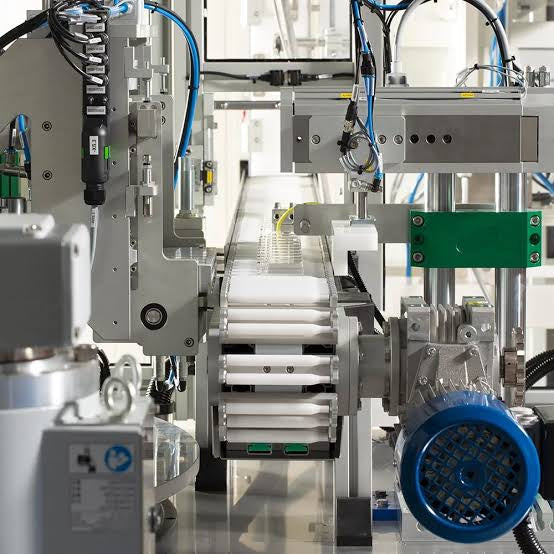
Mastering Modern Industrial Joystick Controls in Heavy Automation
Industrial joysticks play a pivotal role in human-machine interaction across heavy material handling and mobile hydraulics. These tactile controllers translate complex operator movements into precise electrical signals for PLCs, motion controllers, and DCS networks. Consequently, selecting and installing the right joystick architecture ensures operator safety, reduces fatigue, and optimizes equipment performance.

Navigating Industrial Automation Failures: Types, Causes, and Mitigation Strategies
Modern manufacturing relies heavily on automated control systems to maximize throughput and maintain product quality. However, unplanned downtime in industrial automation can cost facility operators thousands of dollars per hour. Understanding how programmable logic controllers (PLCs), distributed control systems (DCS), and field instrumentation fail empowers engineering teams to implement robust preventive maintenance strategies.