










Product Details
Product Overview
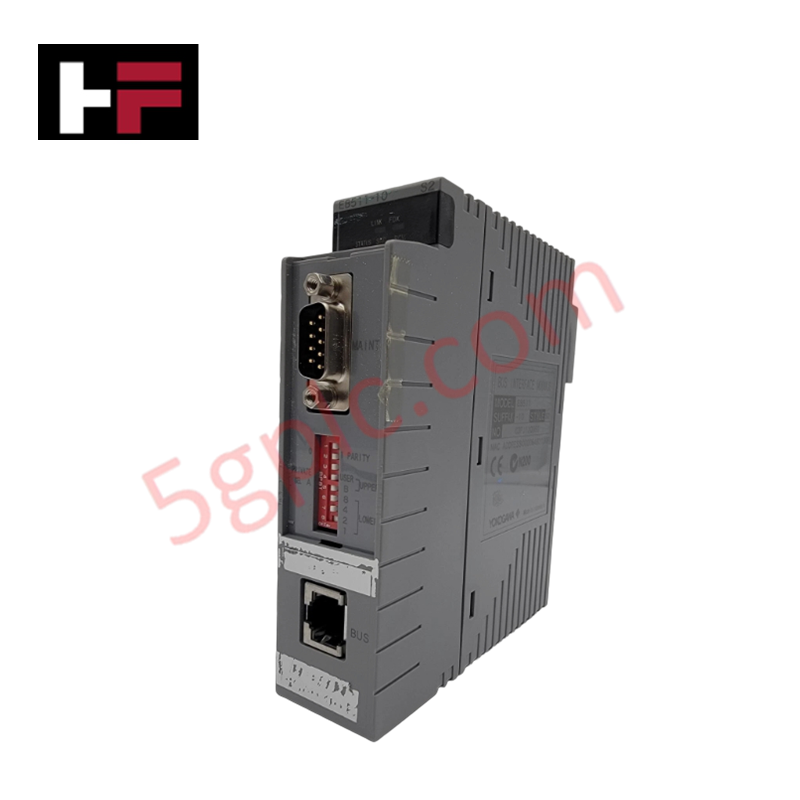
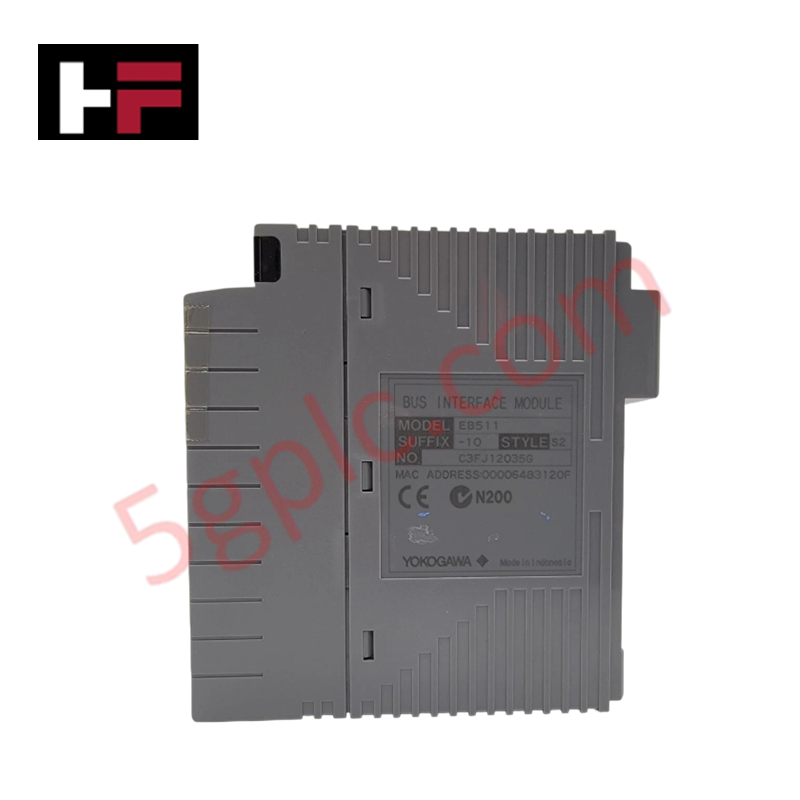
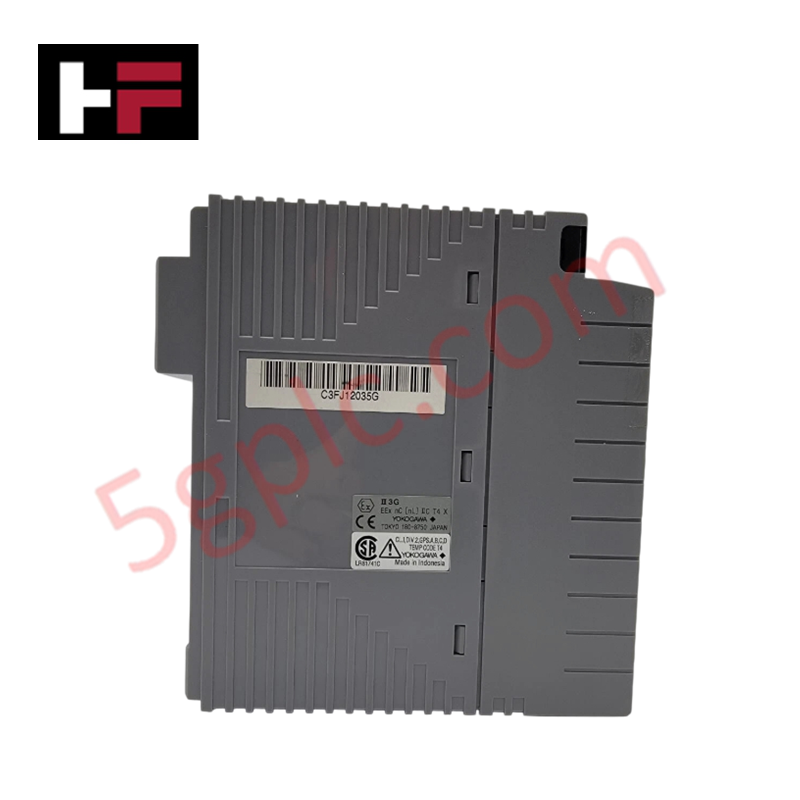
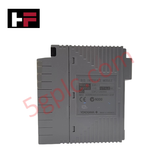
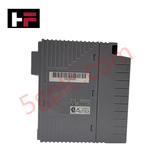
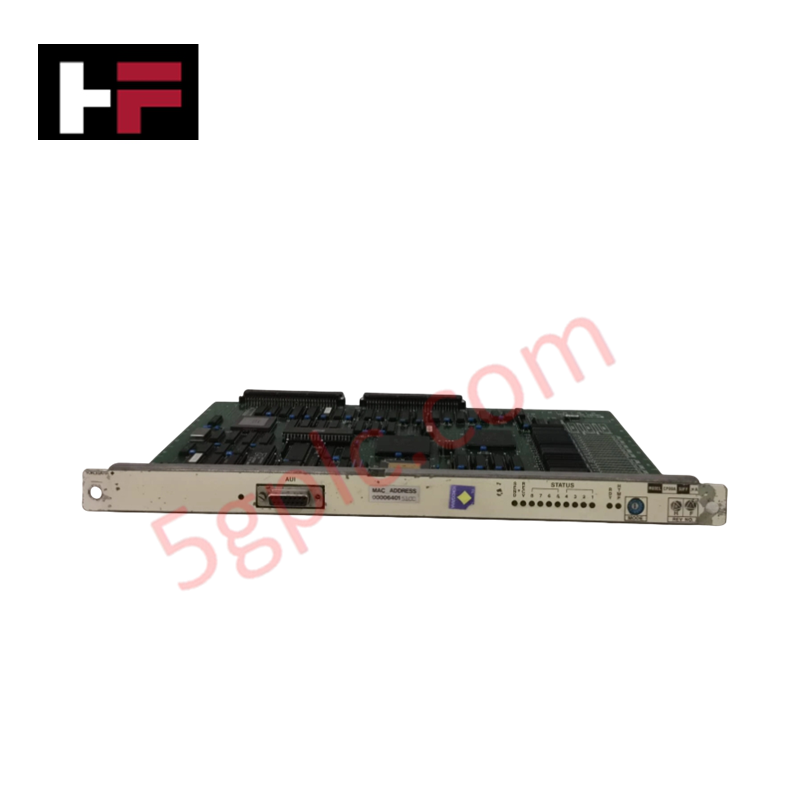
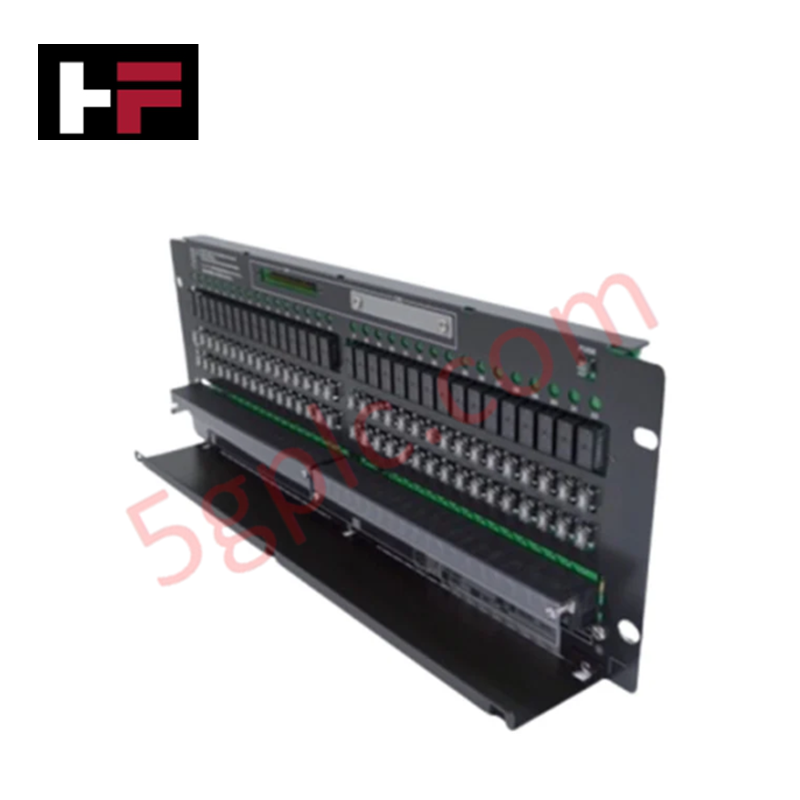
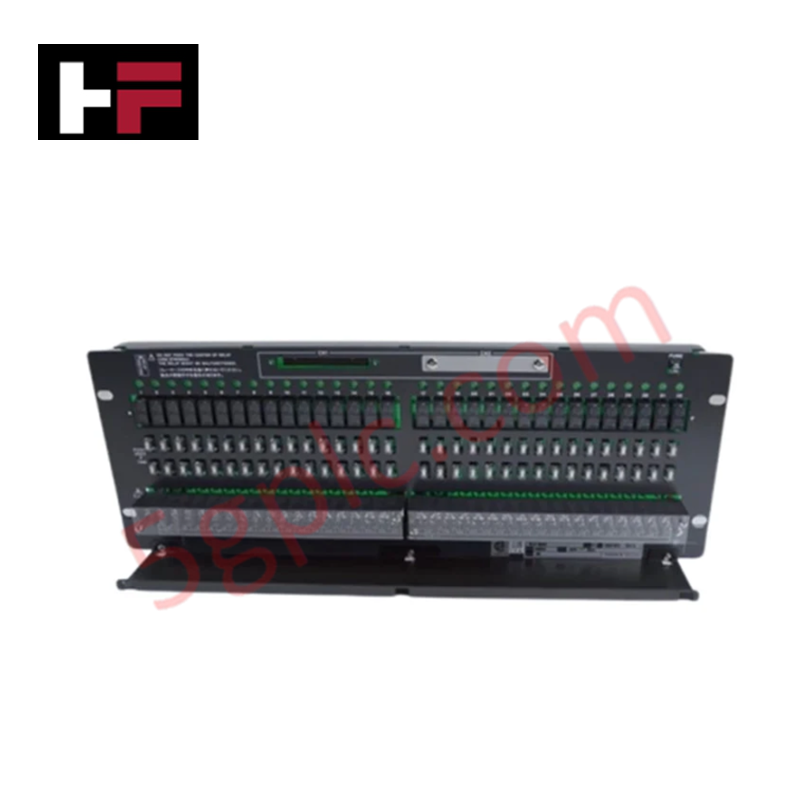
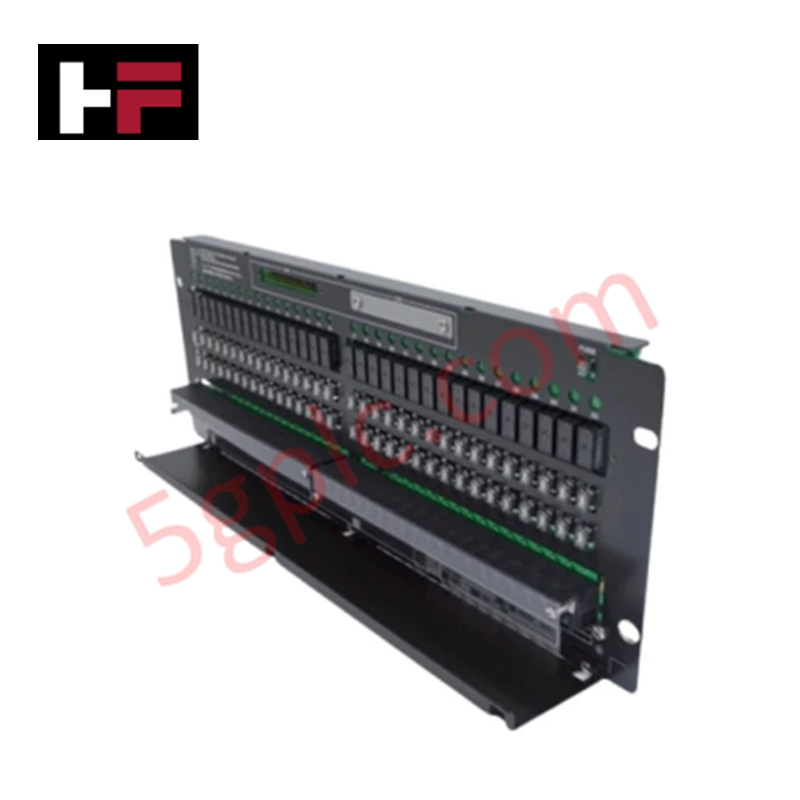
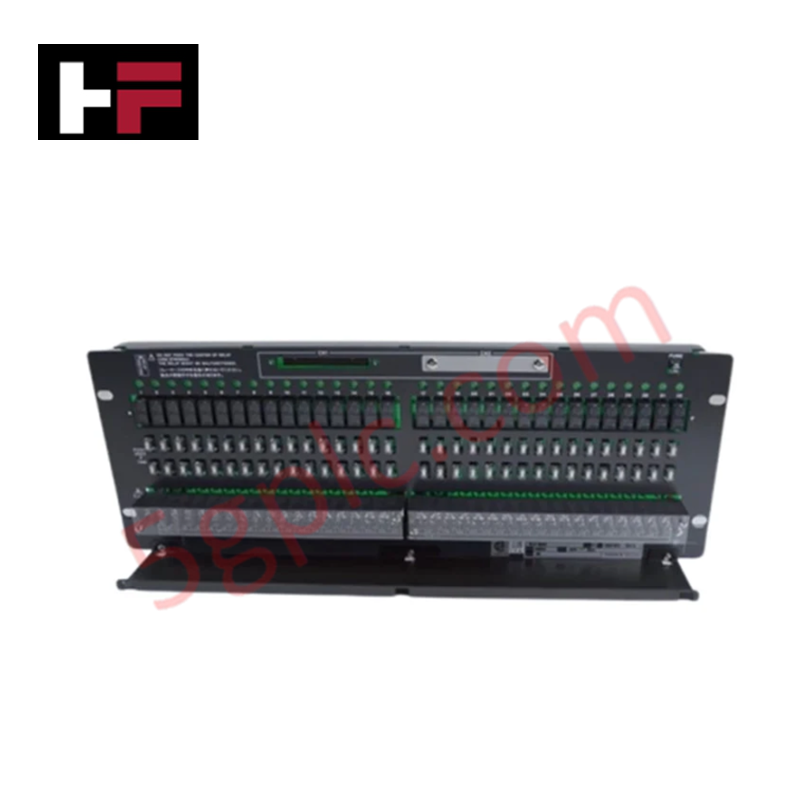
The Yokogawa EB511-10 serves as the primary ER Bus interface module for CENTUM CS 3000 and CENTUM VP distributed control systems. This module establishes a deterministic data link between the Field Control Station (FCS) and remote I/O nodes, facilitating real-time synchronization of process variables. We supply this unit as 100% Brand New and Original, providing a critical solution for maintaining or expanding legacy and modern DCS architectures in high-stakes environments like refineries and power plants.
Technical Specifications
| Feature | Specifications |
| Model Designation | EB511-10 |
| Hardware Function | ER Bus Interface / Communication Module |
| Physical Layer | IEEE 802.3 10BASE-2 (Coaxial) |
| Network Topology | 10BASE-2 Coaxial Bus |
| Current Consumption | Direct supply via system rack backplane |
| Dimensions | 25 mm (W) x 127 mm (H) x 127 mm (D) |
| Operating Temp | 0°C to 50°C |
| Weight | 0.3 kg |
Engineering Advantages
-
Optimized Coaxial Connectivity: The EB511-10 utilizes the 10BASE-2 physical layer to provide superior electrical isolation and noise immunity. This prevents high-frequency industrial interference from corrupting the ER Bus signal path, ensuring clean data transmission across the facility.
-
Deterministic Data Exchange: The module eliminates latency bottlenecks by managing the bus traffic with high-priority timing. It synchronizes remote field data with the central control logic at high speeds, supporting critical safety and control loops.
-
Seamless Legacy Migration: This unit bridges the gap between older CENTUM CS systems and modern CENTUM VP upgrades. It allows engineers to replace aging bus interface units without requiring a complete overhaul of the existing 10BASE-2 coaxial backbone.
-
Streamlined Protocol Bridging: The hardware supports transparent bridging for Foundation Fieldbus, PROFIBUS, and HART protocols. This integration allows a single ER Bus backbone to carry multi-protocol signal data, reducing the complexity of the network architecture.
FAQs
-
Can the EB511-10 replace older EB511 versions in a CENTUM CS 3000 system?
Yes. The EB511-10 maintains full backward compatibility with the EB511 series. It functions as a direct drop-in replacement, restoring network stability to aging DCS clusters.
-
What are the primary installation requirements for the coaxial connection?
You must use high-quality RG-58 coaxial cable and ensure proper termination with 50-ohm BNC terminators at both ends of the bus segment. Poor termination often causes signal reflections, which the EB511-10 will detect as communication errors.
-
Does this module require external power?
No. The module draws its power directly from the system rack backplane. This reduces cabinet wiring complexity and ensures that the communication interface powers up simultaneously with the rest of the I/O rack.
-
How does the EB511-10 handle signal interference in refineries?
The module utilizes the inherent shielding properties of the 10BASE-2 coaxial standard. By grounding the outer conductor effectively, the module repels electromagnetic interference (EMI) and radio frequency interference (RFI) typical of heavy industrial processing areas.
Additional Information
- 100% Genuine Parts: All products are original and authentic, ensuring reliable industrial performance.
- 30-Day Refund Guarantee: Return any in-stock item within 30 days in original, unopened packaging for a full refund (excluding shipping and fees).
- 12-Month Warranty: Covers defects in materials or workmanship; excludes misuse, normal wear, or unauthorized modifications.
- Worldwide Shipping: We ship via USPS, UPS, FedEx, and DHL. Delivery times vary by country and may be subject to customs or import fees.
- Support & Contact: Technical and warranty assistance is available anytime. Contact us here: Contact.
- Purchase Guidance: Check product specifications and compatibility carefully before ordering to ensure proper application.
Tech & Buying Guide
Mastering Modern Industrial Joystick Controls in Heavy Automation
Industrial joysticks play a pivotal role in human-machine interaction across heavy material handling and mobile hydraulics. These tactile controllers translate complex operator movements into precise electrical signals for PLCs, motion controllers, and DCS networks. Consequently, selecting and installing the right joystick architecture ensures operator safety, reduces fatigue, and optimizes equipment performance.

Navigating Industrial Automation Failures: Types, Causes, and Mitigation Strategies
Modern manufacturing relies heavily on automated control systems to maximize throughput and maintain product quality. However, unplanned downtime in industrial automation can cost facility operators thousands of dollars per hour. Understanding how programmable logic controllers (PLCs), distributed control systems (DCS), and field instrumentation fail empowers engineering teams to implement robust preventive maintenance strategies.

Essential Motion Control Commands: A Practical Guide for Engineers
Automation engineers often rely on precise position and speed control to drive modern factory machinery. Modern industrial systems, such as Programmable Logic Controllers (PLCs) and Distributed Control Systems (DCS), depend heavily on standardized motion instructions. Mastering these commands ensures operational safety, protects mechanical components, and optimizes cycle times across production lines.