




Product Details
Product Overview
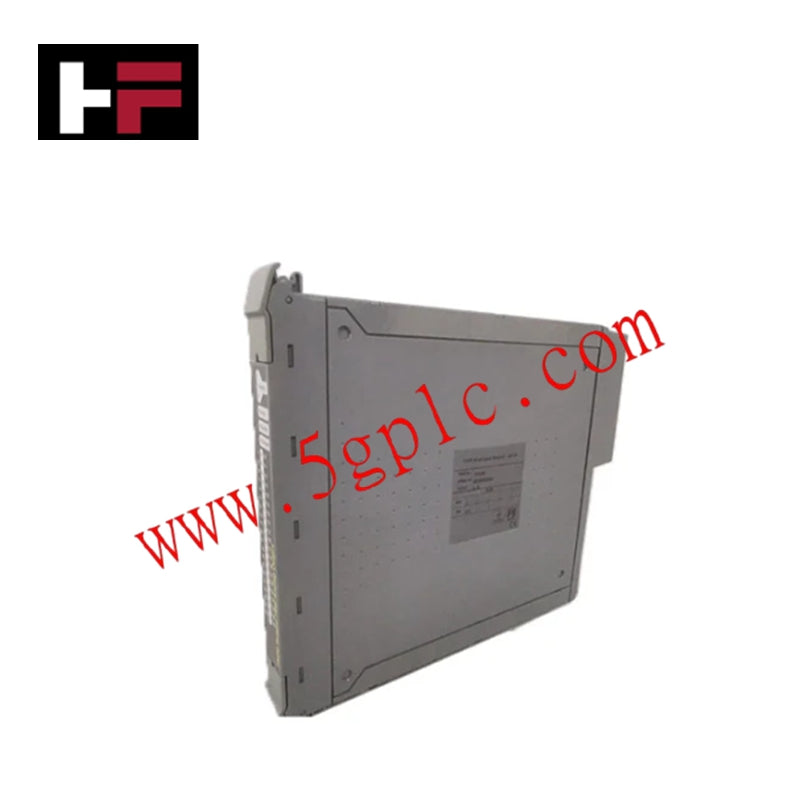
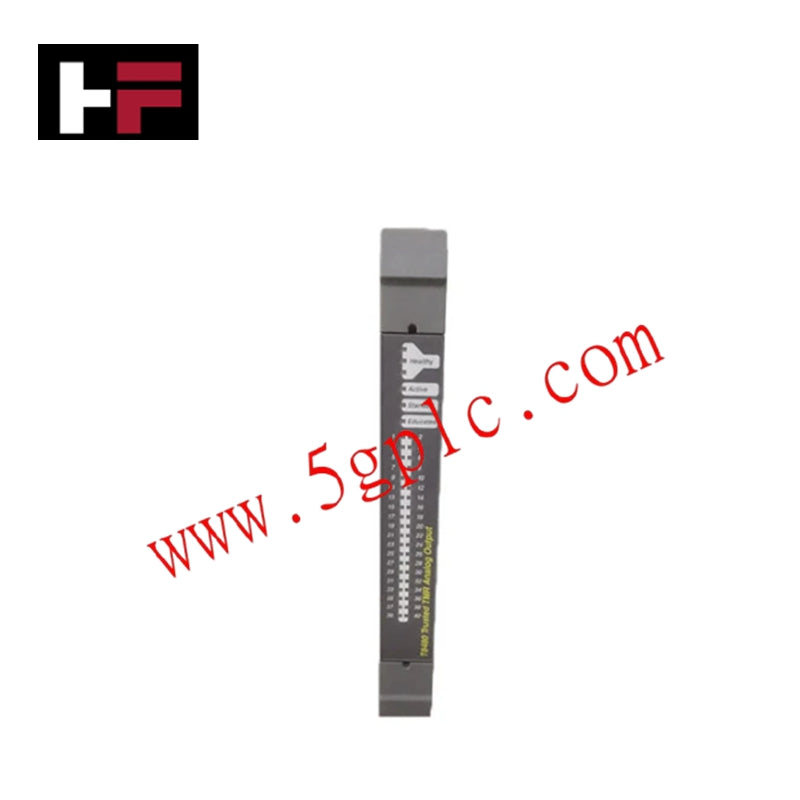
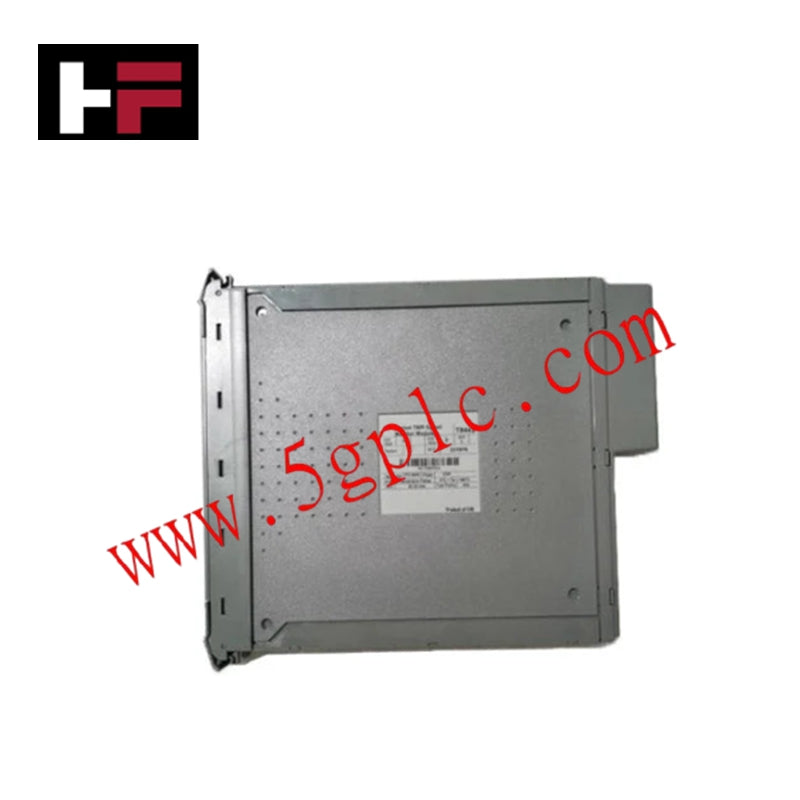
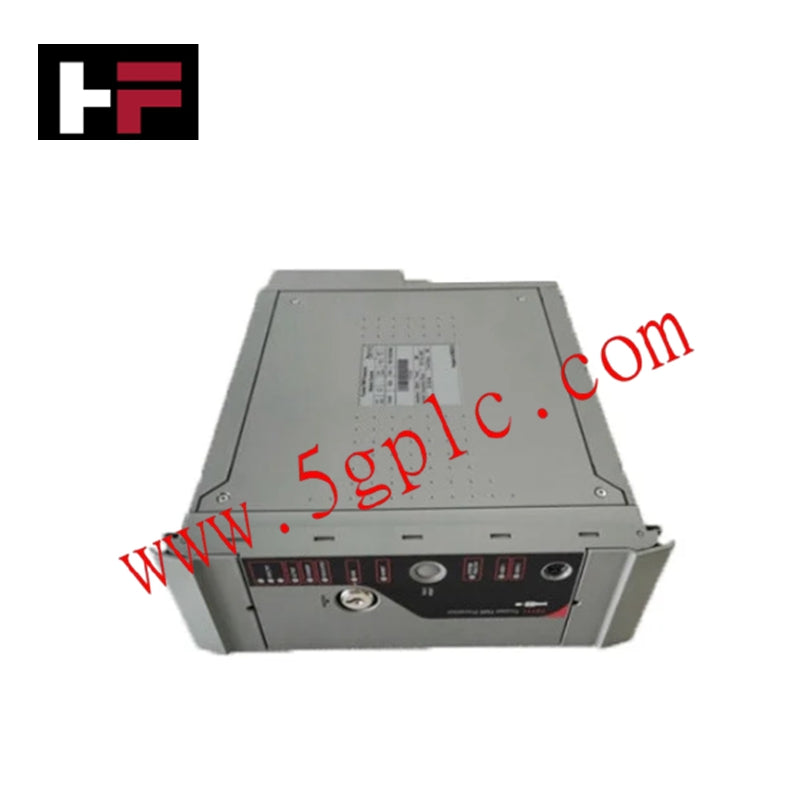
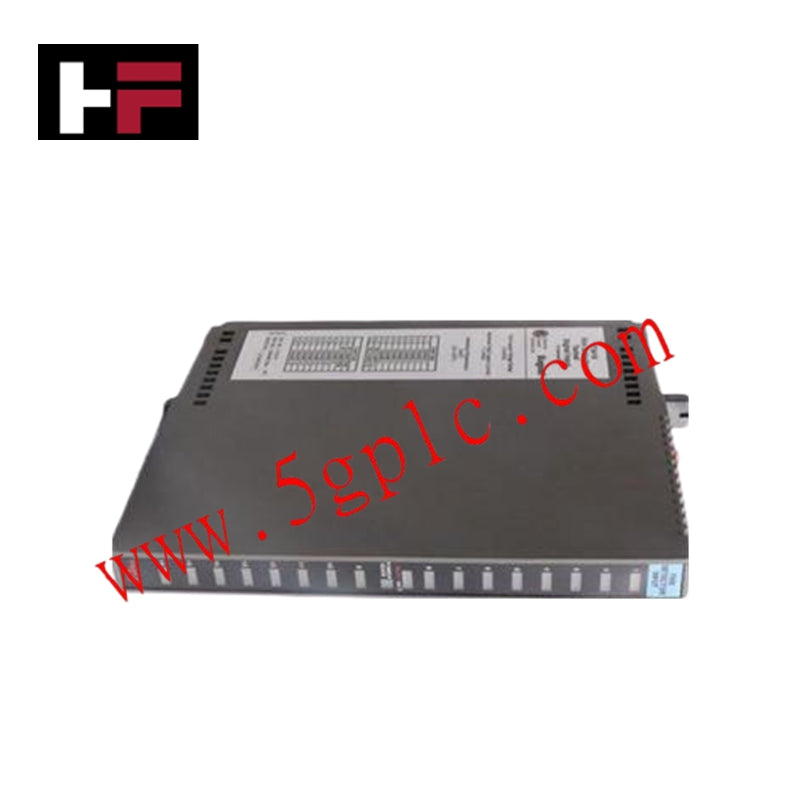
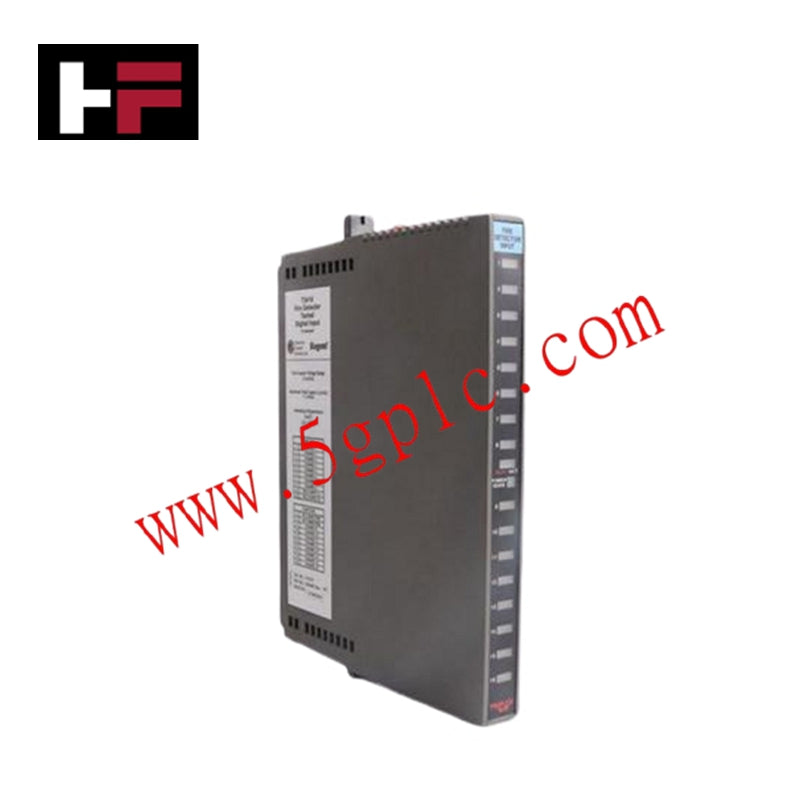
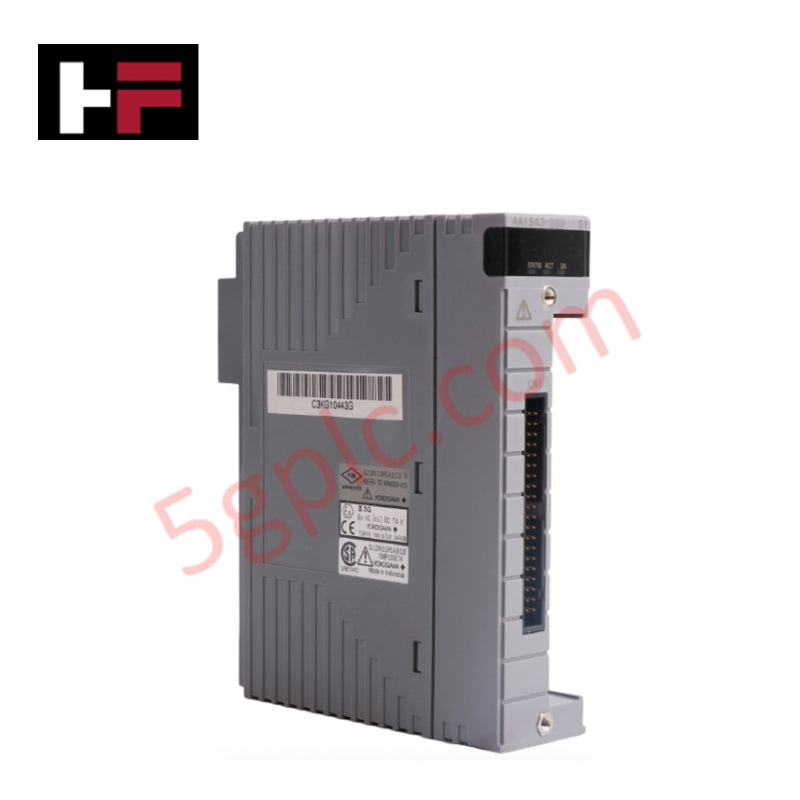
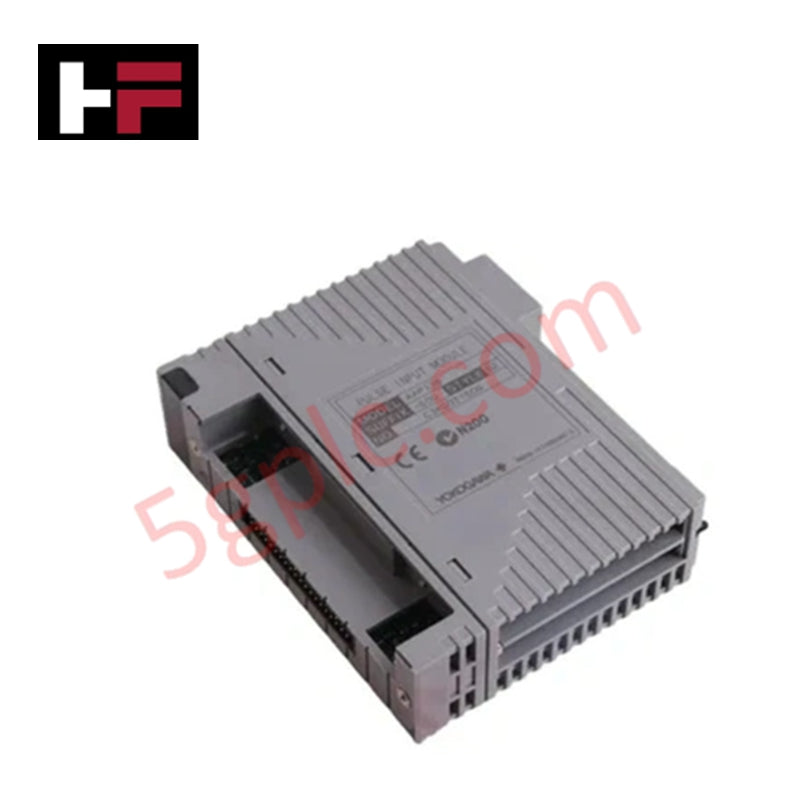
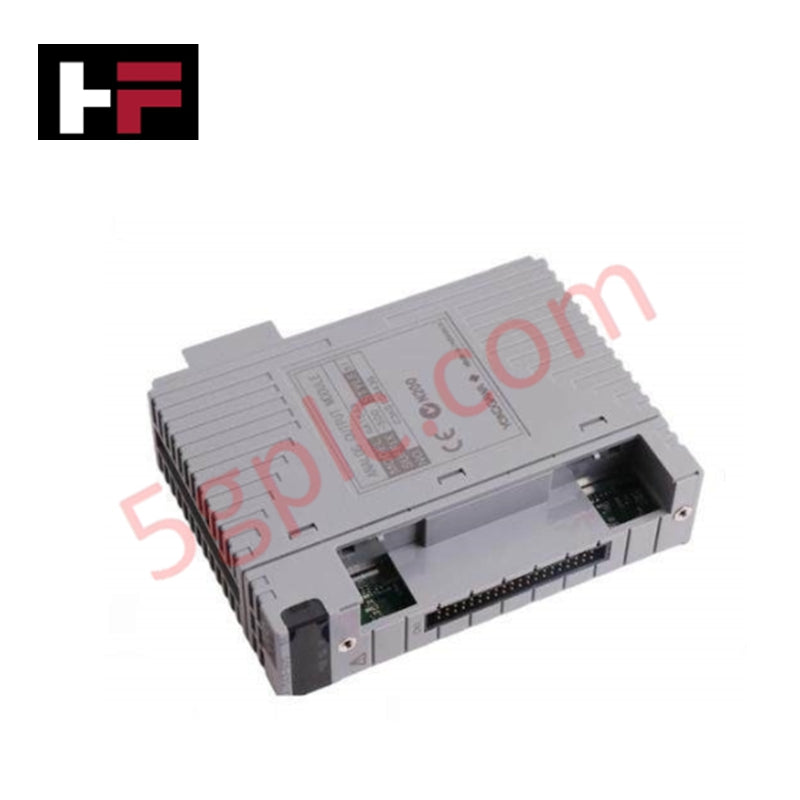
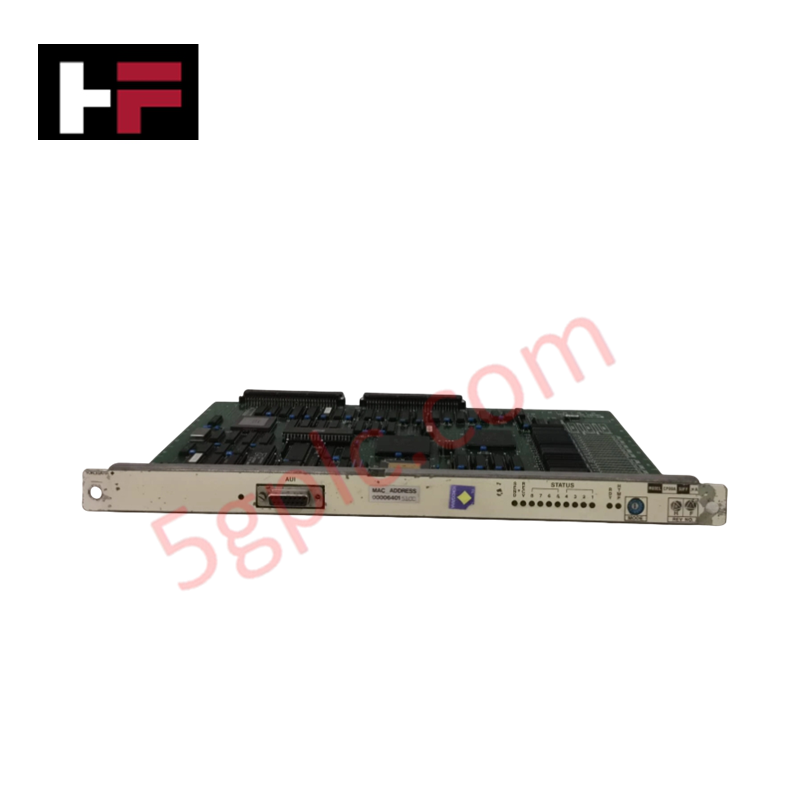
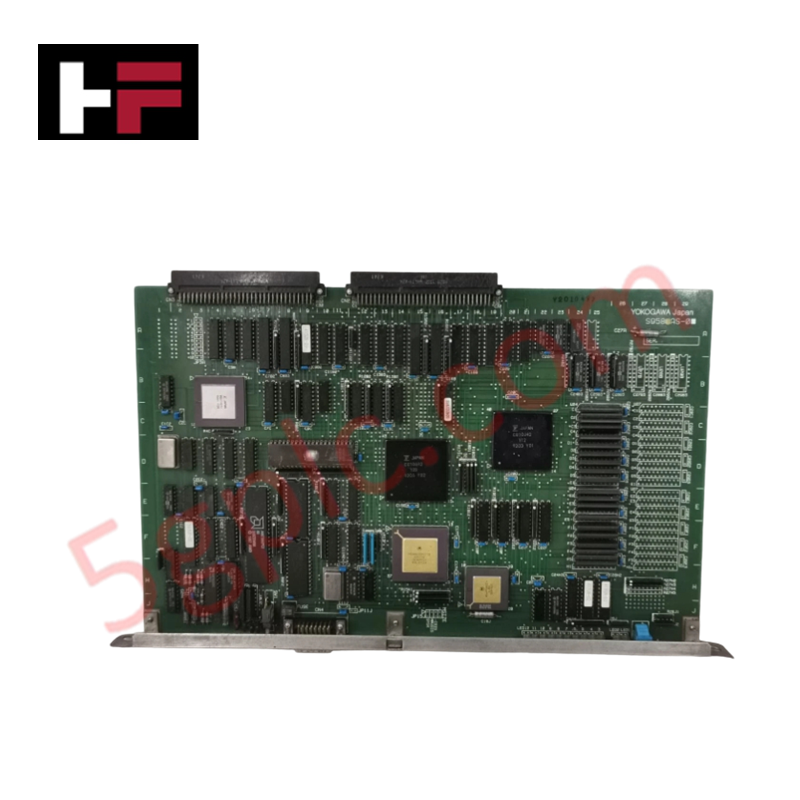
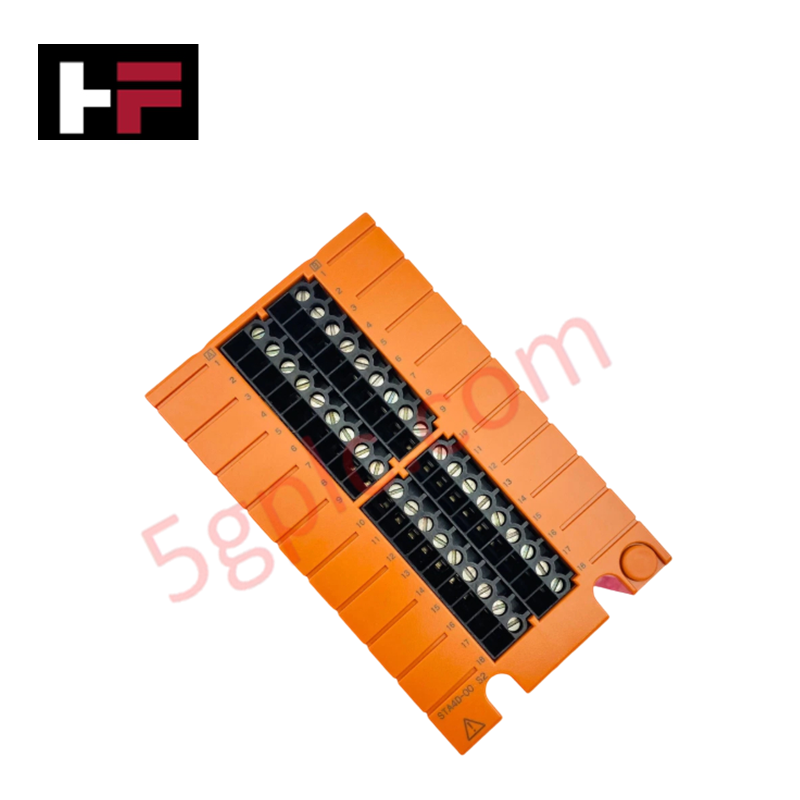
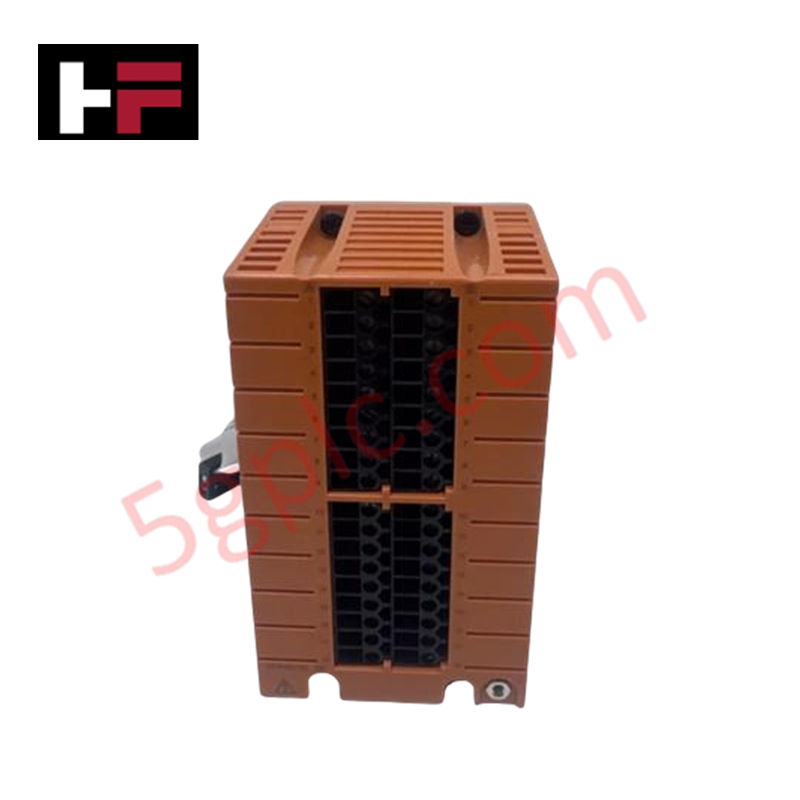
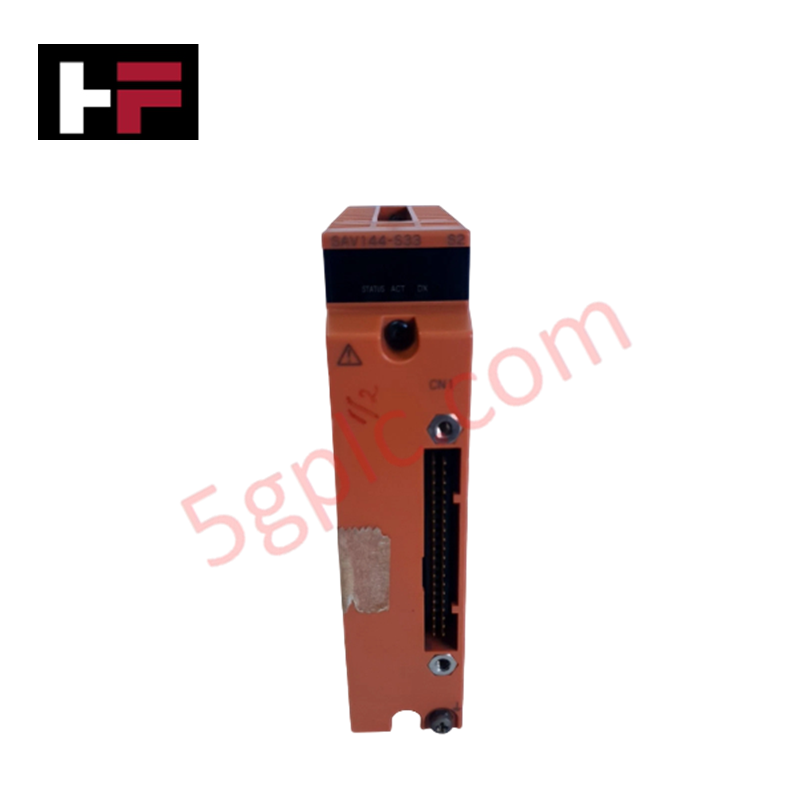
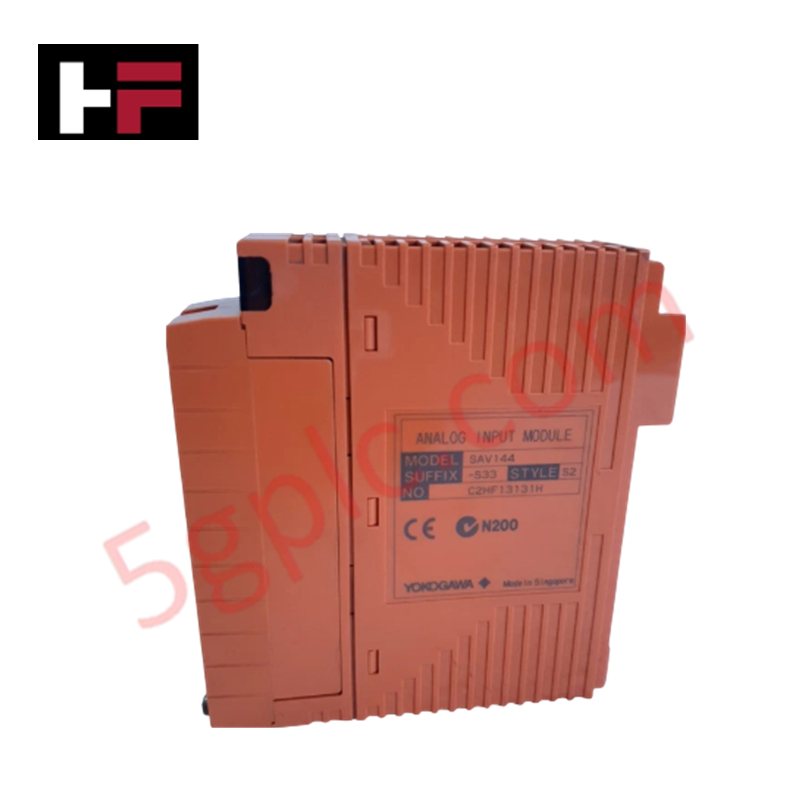
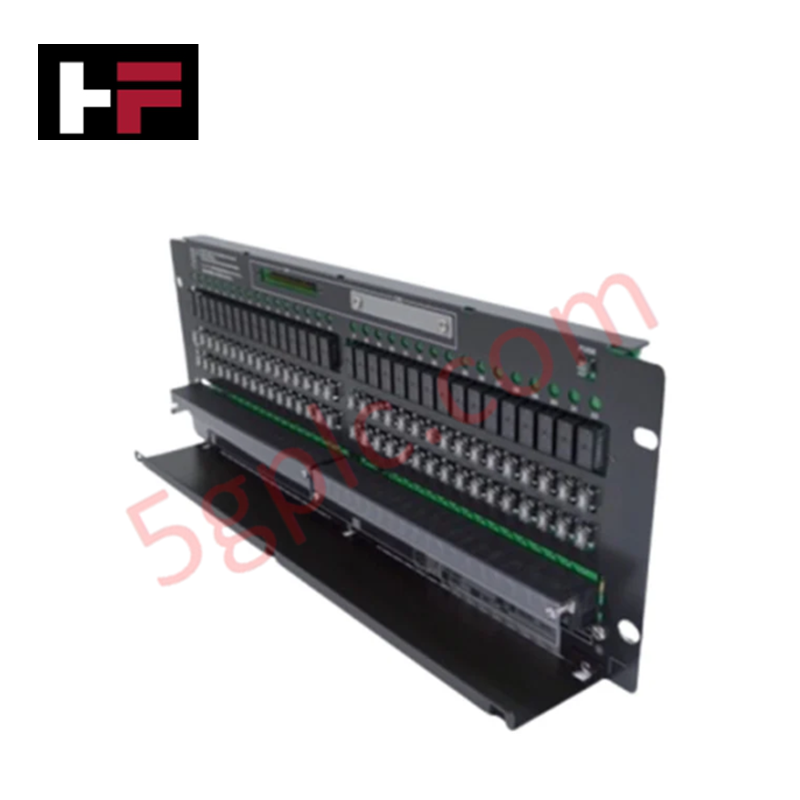
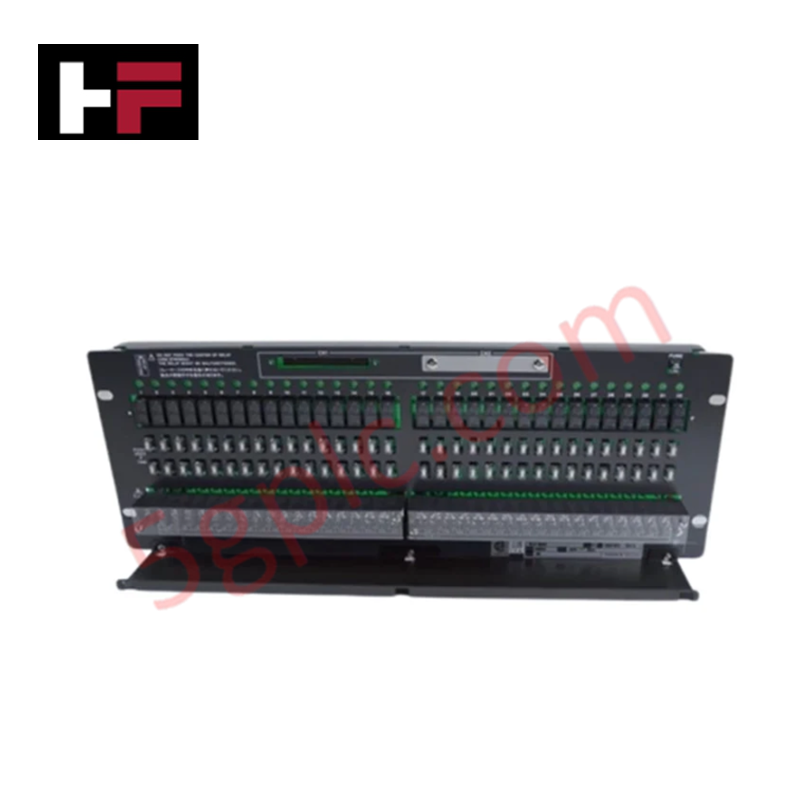
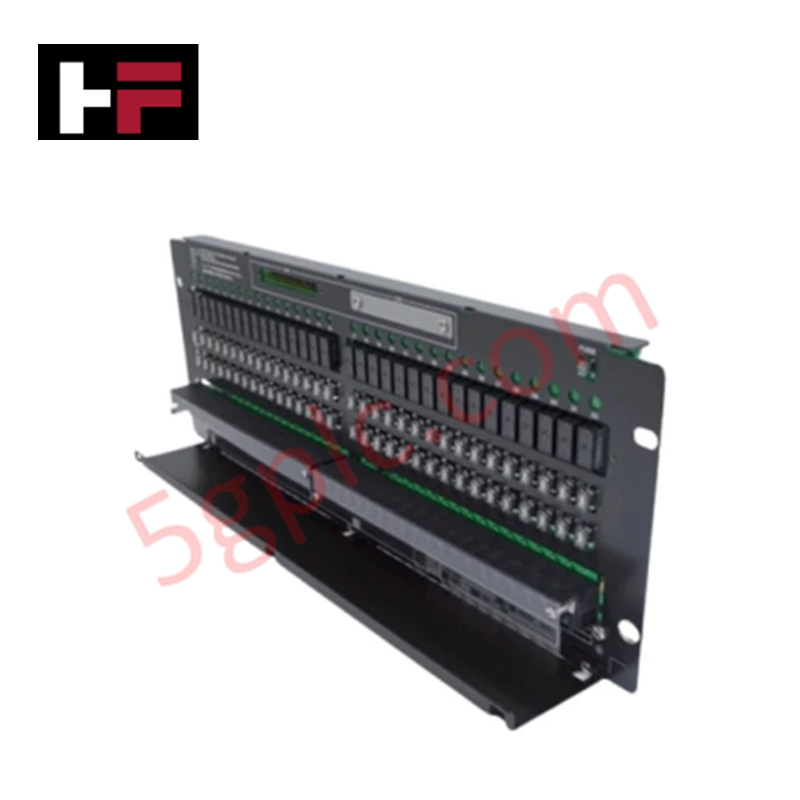
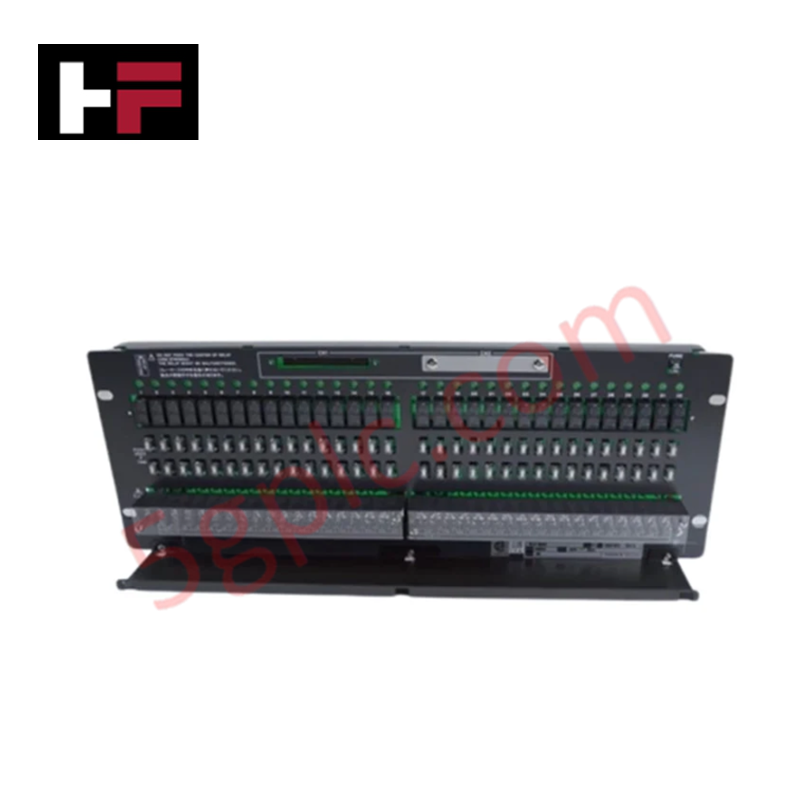
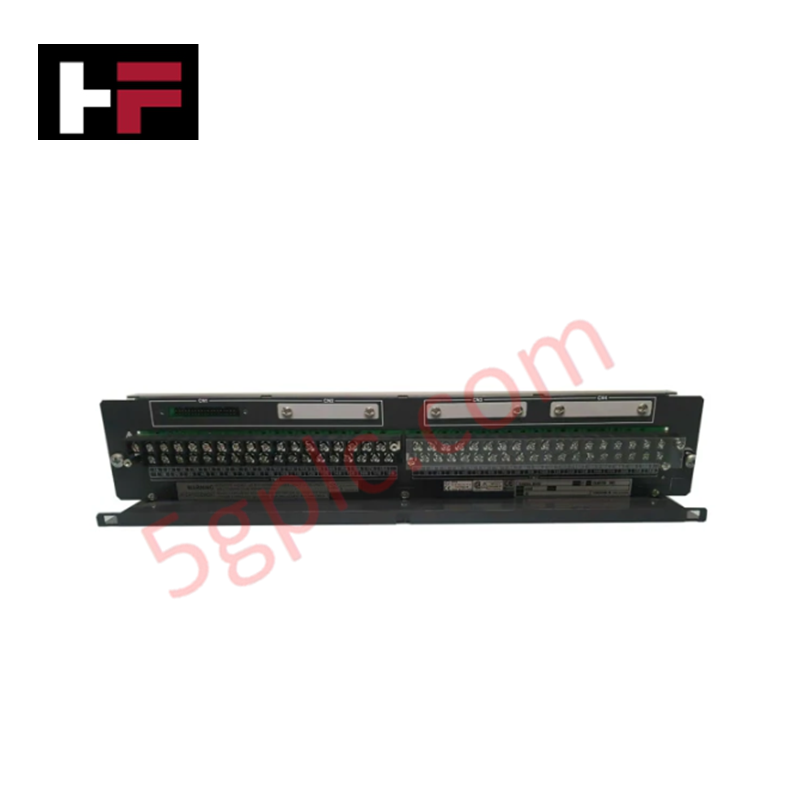
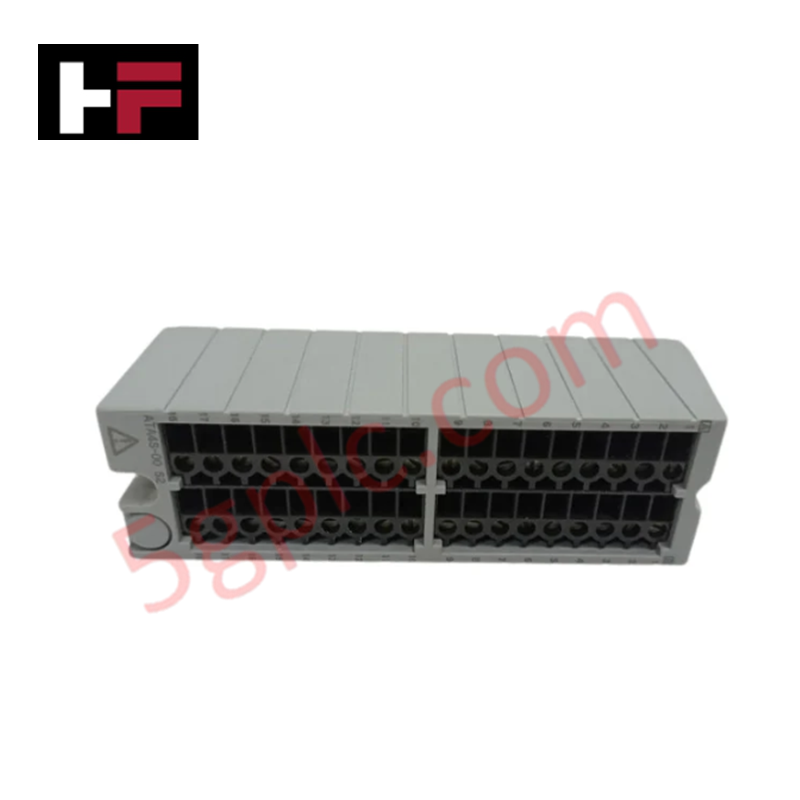
The ATR8S-00 (Part No. ATR8D-00) is a specialized signal conditioning and termination interface designed for Yokogawa’s CENTUM VP and CS 3000 Field Control Stations. Engineered specifically for high-availability temperature monitoring, this unit facilitates the integration of RTD and Thermocouple sensors into the AAR181 and similar I/O modules.
The primary engineering advantage of the ATR8D-00 lies in its redundant branching capability. It allows a single set of field sensors to be cross-connected to two separate I/O modules, ensuring that a single module failure does not result in the loss of critical process data. The M3.5 pressure clamp terminals are designed to maintain a gas-tight seal, which is vital for preventing oxidation of low-millivolt signals in corrosive chemical environments.
Technical Specifications
-
Manufacturer: Yokogawa Electric Corporation
-
Model Identification: ATR8D-00
-
I/O Capacity: 8 Differential Channels
-
Redundancy Support: Dual-redundant module branching
-
Terminal Interface: M3.5 Pressure Clamp (Spring-loaded contact)
-
Dielectric Strength: 500 V AC (Terminals to Ground)
-
Insulation Resistance: 10 MΩ minimum at 500 V DC
-
Sensor Compatibility: Pt100, Pt50, JPt100 (RTD); Type K, J, T, E, B, R, S, N (TC)
-
Cold Junction Compensation: Integrated reference sensors for Thermocouple precision
-
Operating Ambient: 0°C to 60°C (32°F to 140°F)
-
Relative Humidity: 5% to 95% RH (Non-condensing)
-
Weight: 0.8 kg (1.76 lbs)
-
Origin: Made in Japan
Operational Implementation
The ATR8D-00 (ATR8D-00) is typically deployed in mid-stream and downstream oil and gas applications where temperature excursions must be monitored with zero downtime. Unlike standard screw terminals that may loosen over time due to thermal cycling, the pressure clamp mechanism provides constant force, ensuring measurement stability for sensitive RTD resistance values.
Additional Information
- 100% Genuine Parts: All products are original and authentic, ensuring reliable industrial performance.
- 30-Day Refund Guarantee: Return any in-stock item within 30 days in original, unopened packaging for a full refund (excluding shipping and fees).
- 12-Month Warranty: Covers defects in materials or workmanship; excludes misuse, normal wear, or unauthorized modifications.
- Worldwide Shipping: We ship via USPS, UPS, FedEx, and DHL. Delivery times vary by country and may be subject to customs or import fees.
- Support & Contact: Technical and warranty assistance is available anytime. Contact us here: Contact.
- Purchase Guidance: Check product specifications and compatibility carefully before ordering to ensure proper application.
Tech & Buying Guide

Essential Motion Control Commands: A Practical Guide for Engineers
Automation engineers often rely on precise position and speed control to drive modern factory machinery. Modern industrial systems, such as Programmable Logic Controllers (PLCs) and Distributed Control Systems (DCS), depend heavily on standardized motion instructions. Mastering these commands ensures operational safety, protects mechanical components, and optimizes cycle times across production lines.
Mastering Modern Industrial Joystick Controls in Heavy Automation
Industrial joysticks play a pivotal role in human-machine interaction across heavy material handling and mobile hydraulics. These tactile controllers translate complex operator movements into precise electrical signals for PLCs, motion controllers, and DCS networks. Consequently, selecting and installing the right joystick architecture ensures operator safety, reduces fatigue, and optimizes equipment performance.

Navigating Industrial Automation Failures: Types, Causes, and Mitigation Strategies
Modern manufacturing relies heavily on automated control systems to maximize throughput and maintain product quality. However, unplanned downtime in industrial automation can cost facility operators thousands of dollars per hour. Understanding how programmable logic controllers (PLCs), distributed control systems (DCS), and field instrumentation fail empowers engineering teams to implement robust preventive maintenance strategies.