










Product Details
Product Overview
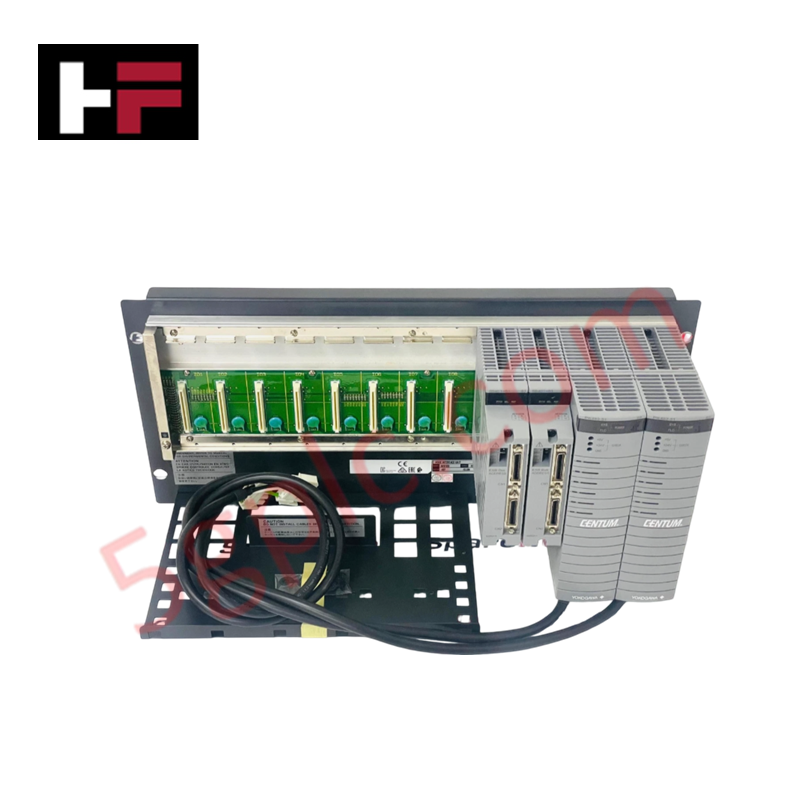
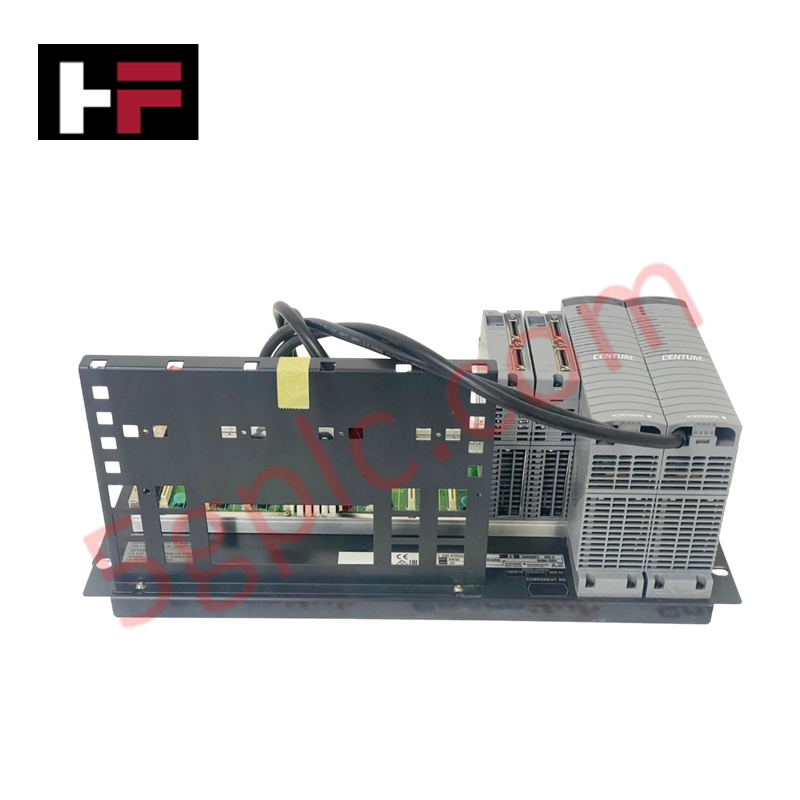
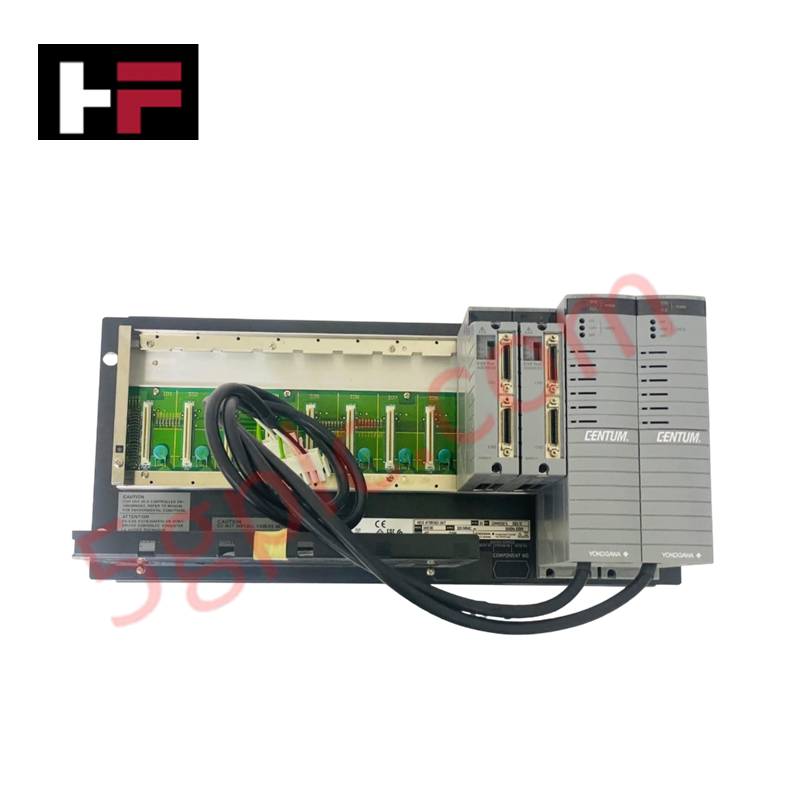
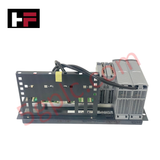
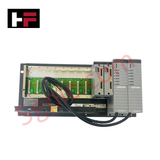
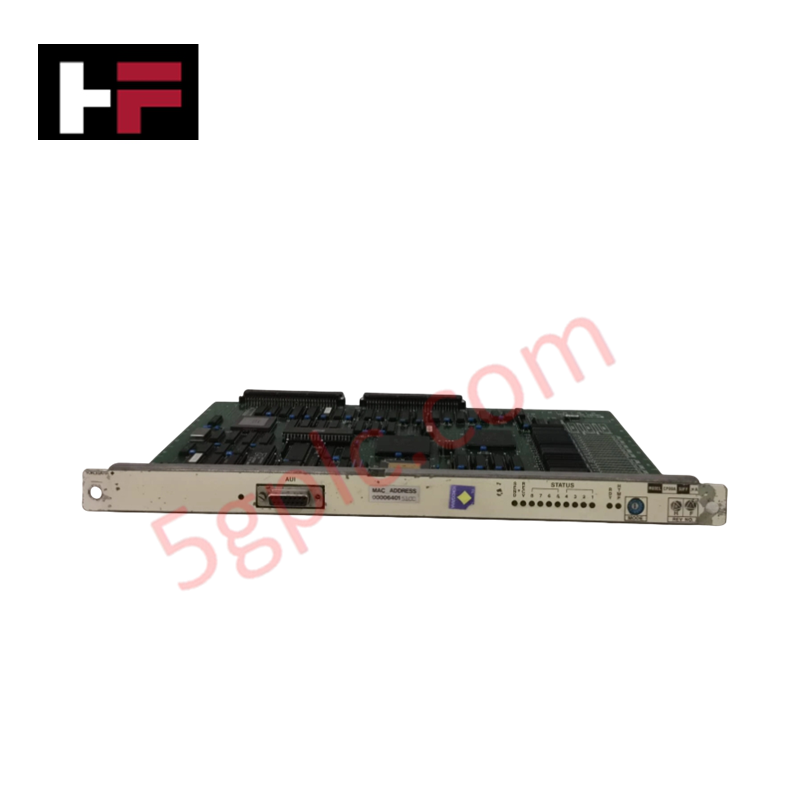
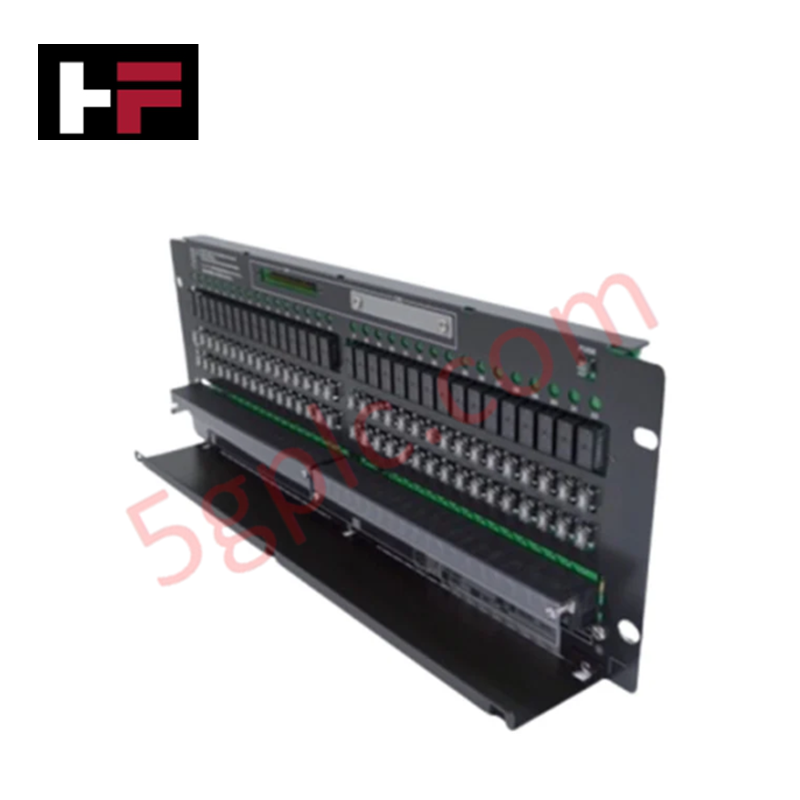
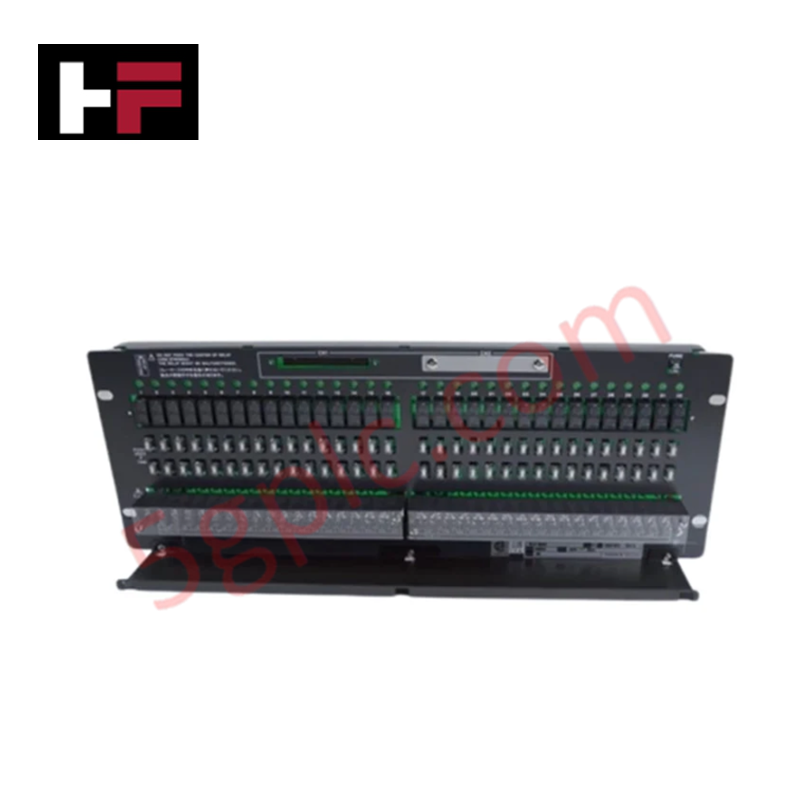
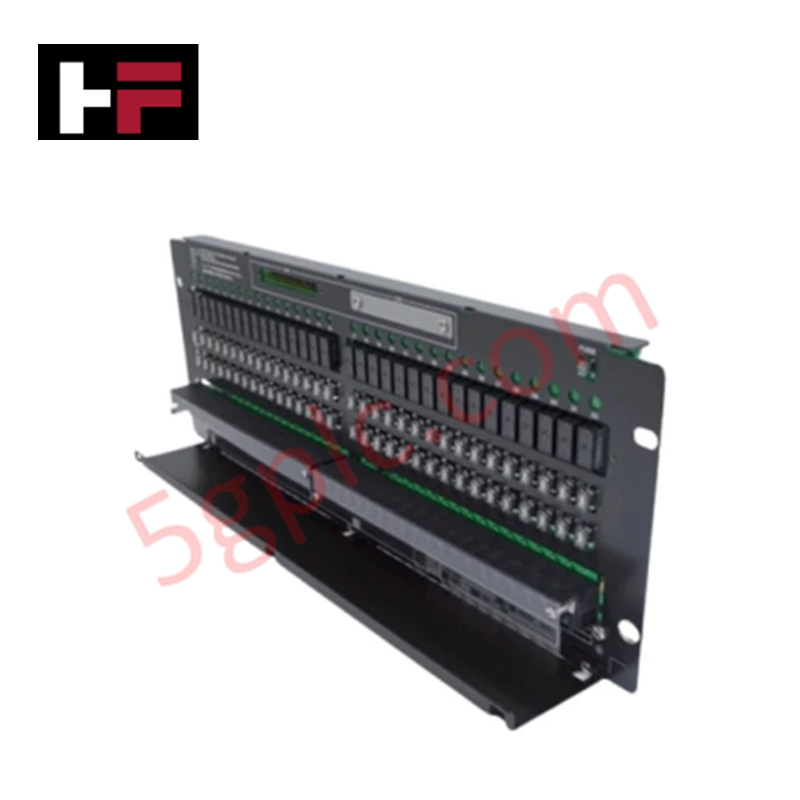
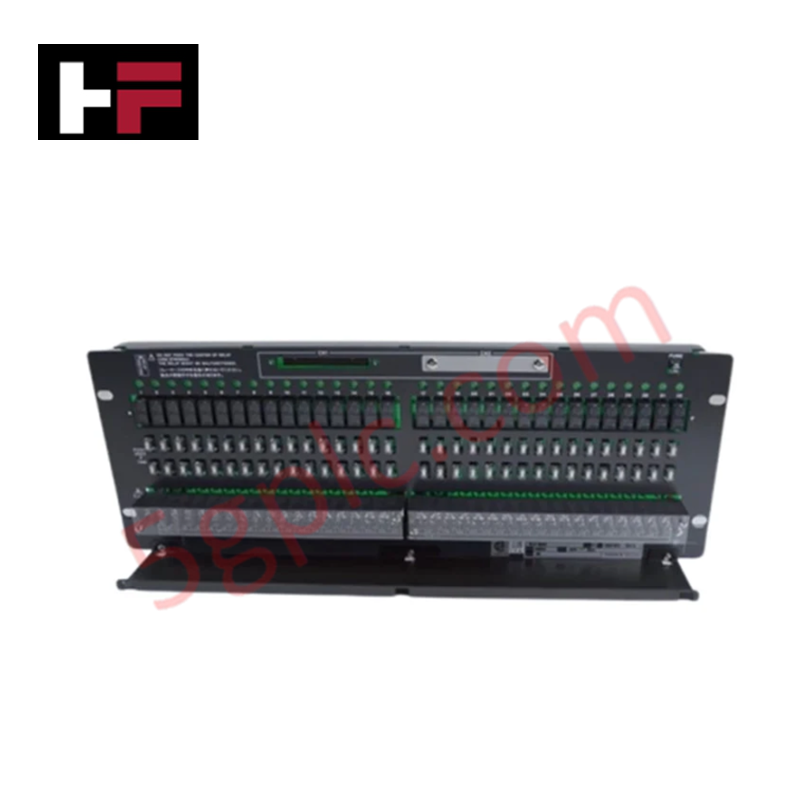
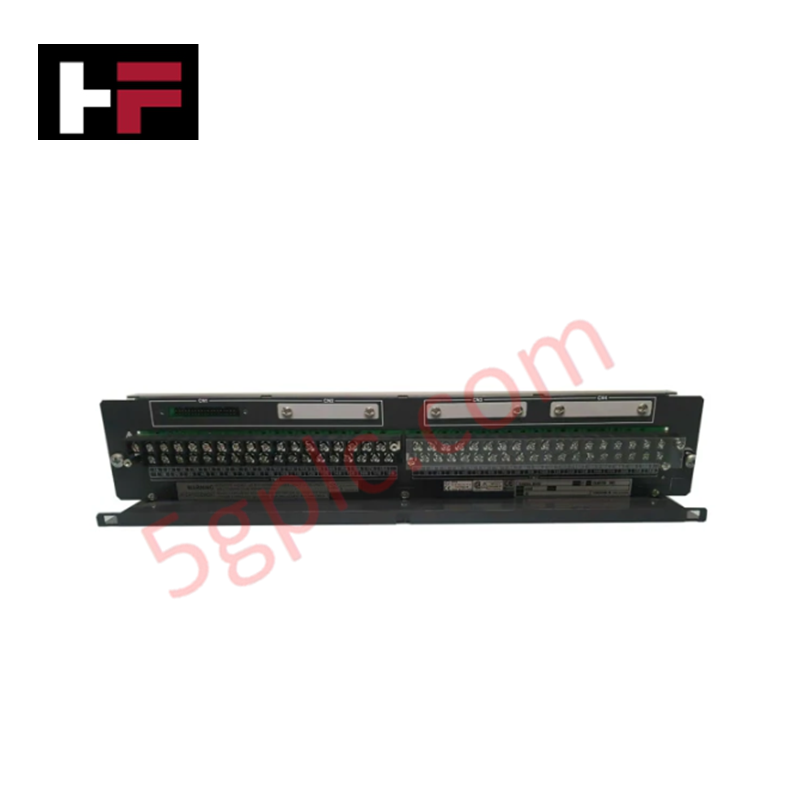
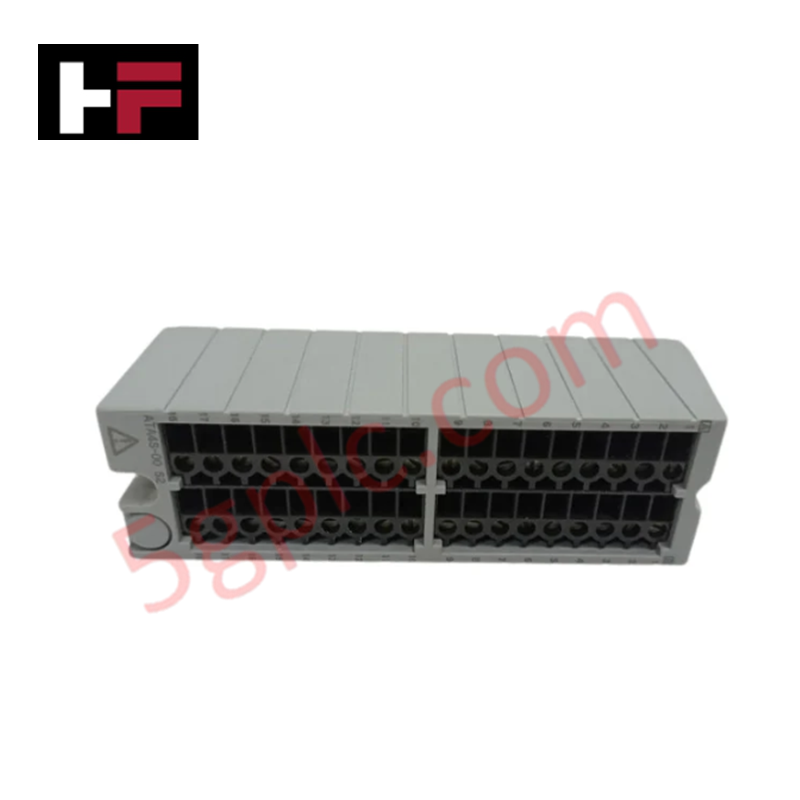
The Yokogawa ANB10D-425/CU2T/NDEL functions as a high-availability expansion interface for the CENTUM VP distributed control system. This unit connects multiple I/O modules to the Field Control Unit (FCU) via a dual-redundant Extended Serial Backplane (ESB) bus, ensuring zero data loss during communication failovers. It incorporates dual-redundant power supplies compatible with 220–240 V AC grids to maintain continuous operation. We supply this unit as 100% Brand New and Original, featuring the pre-installed /NDEL node expansion license and integrated /CU2T termination hardware for immediate system integration.
Part Number Breakdown
The suffix and option codes define the electrical and functional architecture of this specific node:
-
ANB10D: Base model for dual-redundant ESB bus node units.
-
-4: Equipped with dual-redundant power supply modules for high availability.
-
2: Specified for 220 - 240 V AC power supply input.
-
5: Basic type hardware designed for non-explosion protection environments.
-
/CU2T: Includes the Connector Unit with integrated S9564FA Terminators (2 pieces).
-
/NDEL: Includes the Software License for Node Expansion pre-installed.
Technical Specifications
-
Communication Interface: Dual-redundant ESB Bus
-
Input Voltage: 220 V to 240 V AC (50/60 Hz)
-
Redundancy Logic: Parallel redundant power and dual-path communication
-
Bus Termination: Includes two S9564FA terminators within the CU2T unit
-
I/O Capacity: Supports up to 8 Yokogawa I/O modules per node
-
Software Integration: Factory-installed /NDEL expansion license
-
Mounting Standard: 19-inch rack-mount (8U height)
-
Net Weight: 10 kg
Engineering Advantages
-
Seamless End-of-Chain Termination: The /CU2T option eliminates the need for external termination resistors. By integrating two S9564FA terminators directly into the connector interface, this model simplifies cabinet wiring and prevents signal reflection at the final node of the ESB bus chain.
-
High-Availability Power Architecture: Two independent power modules share the electrical load during normal operation. If one power source fails, the remaining module instantly assumes the full load, preventing system downtime and protecting the integrity of your process control loops.
-
Pre-Authorized System Scaling: The /NDEL option includes the software license required for node expansion. This allows engineers to expand system capacity immediately during commissioning without the administrative delay of purchasing and activating separate software keys.
-
Deterministic Data Acquisition: The dual-redundant ESB bus provides a dedicated high-speed path for I/O data. This architecture ensures that critical process variables reach the FCU with consistent timing, even in environments with high electromagnetic interference.
FAQs
-
Can I use this unit in a 110V AC power environment? No. The "2" suffix specifically designates a 220–240 V AC input requirement. Using 110V will result in insufficient power for the node and I/O modules. You must utilize the ANB10D-415 variant for 110V systems.
-
Is this unit suitable for the final position in an ESB bus? Yes. The /CU2T option specifically includes the integrated terminators (S9564FA) required for the last node in the communication chain.
-
What happens if one of the ESB cables is disconnected? The system continues to operate through the secondary ESB bus path without interruption. The CENTUM VP diagnostic tools will flag a "communication redundancy lost" alarm, allowing maintenance personnel to fix the issue without halting the process.
-
Does the /NDEL license cover the entire project? The /NDEL license authorizes this specific node unit to operate within the CENTUM VP environment. Each node unit added to the system typically requires its own expansion authorization.
Additional Information
- 100% Genuine Parts: All products are original and authentic, ensuring reliable industrial performance.
- 30-Day Refund Guarantee: Return any in-stock item within 30 days in original, unopened packaging for a full refund (excluding shipping and fees).
- 12-Month Warranty: Covers defects in materials or workmanship; excludes misuse, normal wear, or unauthorized modifications.
- Worldwide Shipping: We ship via USPS, UPS, FedEx, and DHL. Delivery times vary by country and may be subject to customs or import fees.
- Support & Contact: Technical and warranty assistance is available anytime. Contact us here: Contact.
- Purchase Guidance: Check product specifications and compatibility carefully before ordering to ensure proper application.
Tech & Buying Guide
Mastering Modern Industrial Joystick Controls in Heavy Automation
Industrial joysticks play a pivotal role in human-machine interaction across heavy material handling and mobile hydraulics. These tactile controllers translate complex operator movements into precise electrical signals for PLCs, motion controllers, and DCS networks. Consequently, selecting and installing the right joystick architecture ensures operator safety, reduces fatigue, and optimizes equipment performance.

Navigating Industrial Automation Failures: Types, Causes, and Mitigation Strategies
Modern manufacturing relies heavily on automated control systems to maximize throughput and maintain product quality. However, unplanned downtime in industrial automation can cost facility operators thousands of dollars per hour. Understanding how programmable logic controllers (PLCs), distributed control systems (DCS), and field instrumentation fail empowers engineering teams to implement robust preventive maintenance strategies.
Essential Motion Control Commands: A Practical Guide for Engineers
Automation engineers often rely on precise position and speed control to drive modern factory machinery. Modern industrial systems, such as Programmable Logic Controllers (PLCs) and Distributed Control Systems (DCS), depend heavily on standardized motion instructions. Mastering these commands ensures operational safety, protects mechanical components, and optimizes cycle times across production lines.