










Product Details
Product Overview
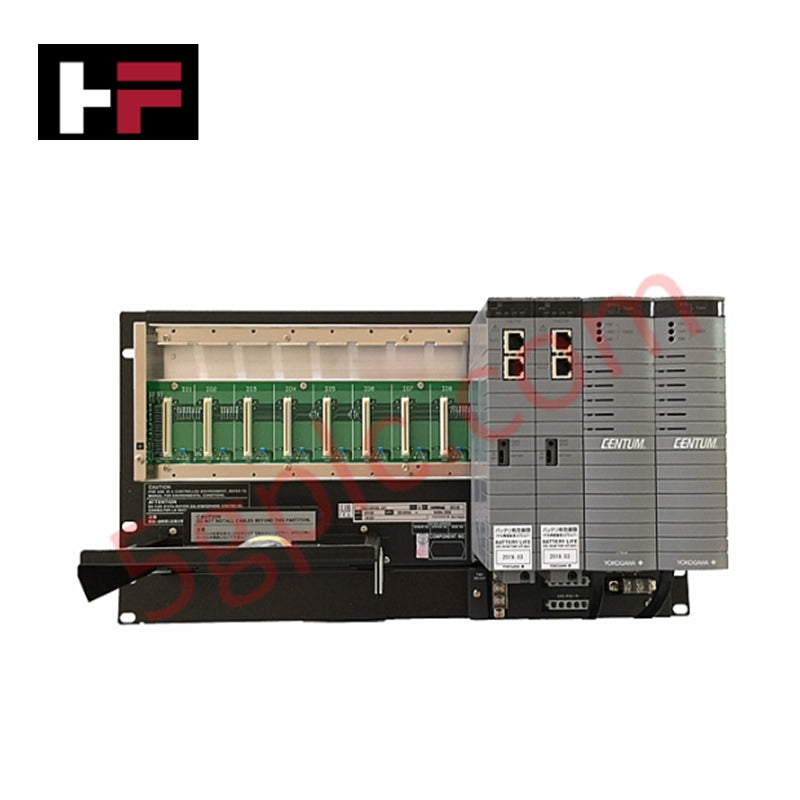
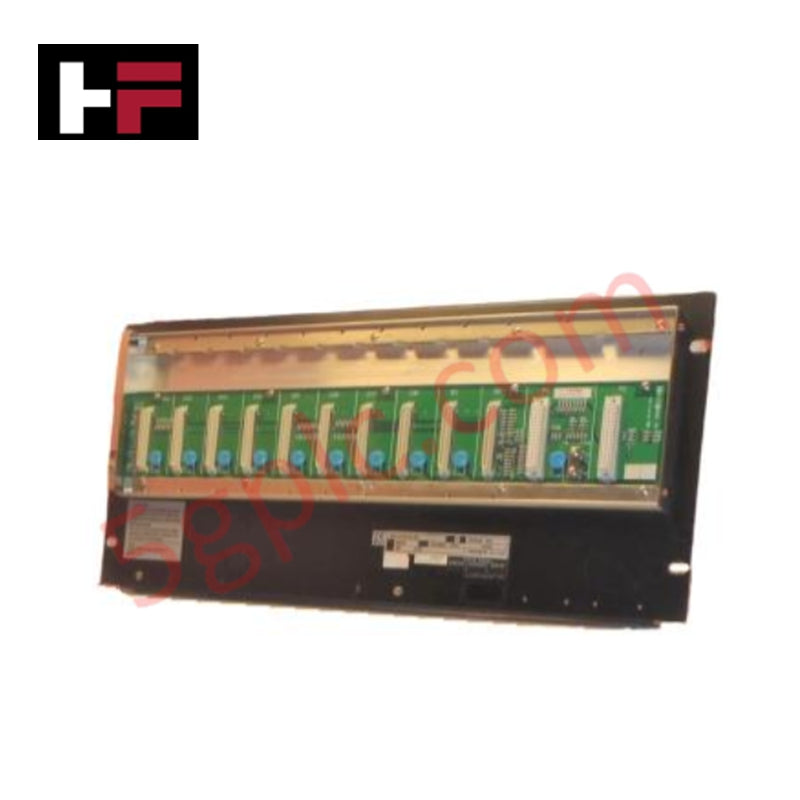
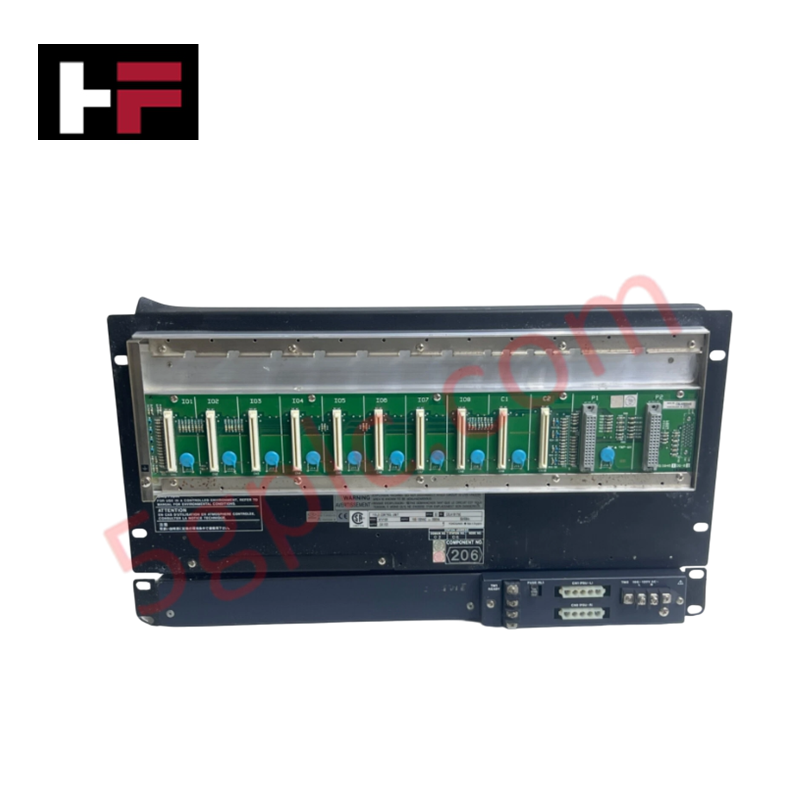
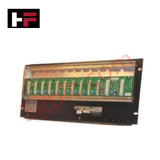
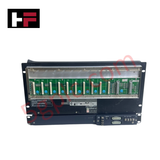
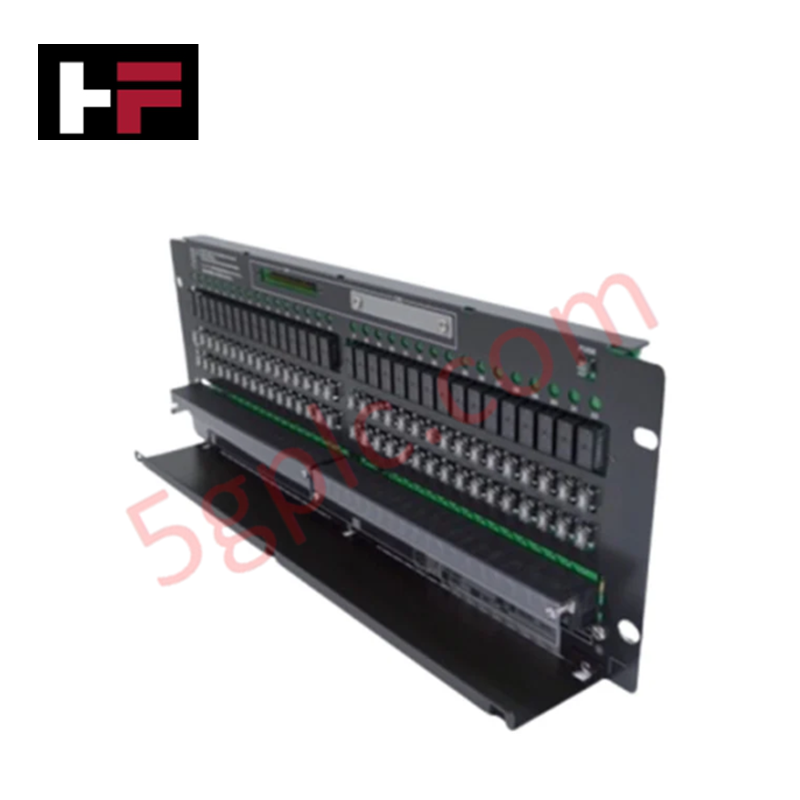
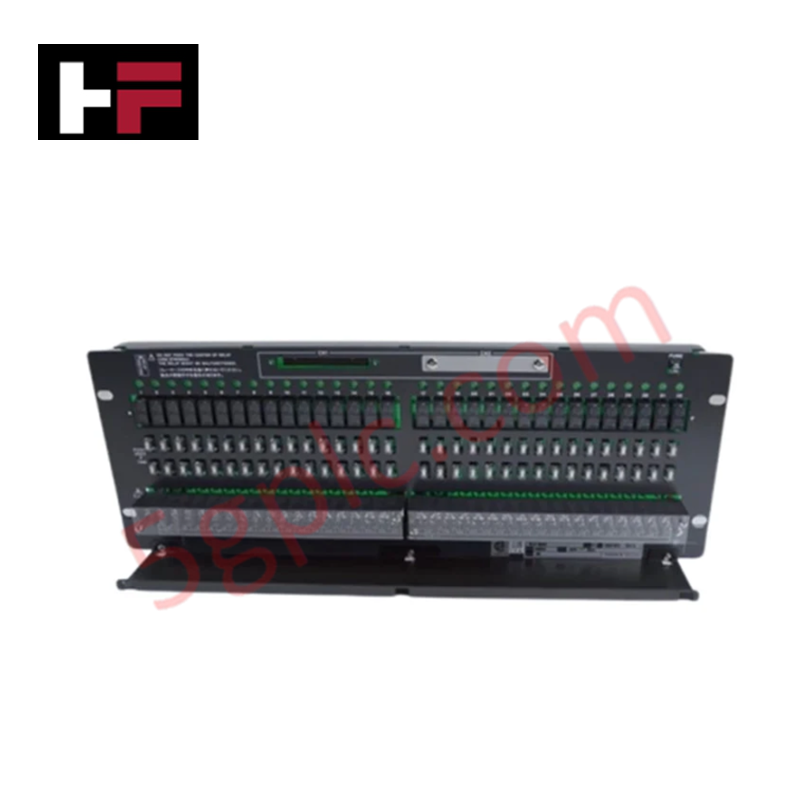
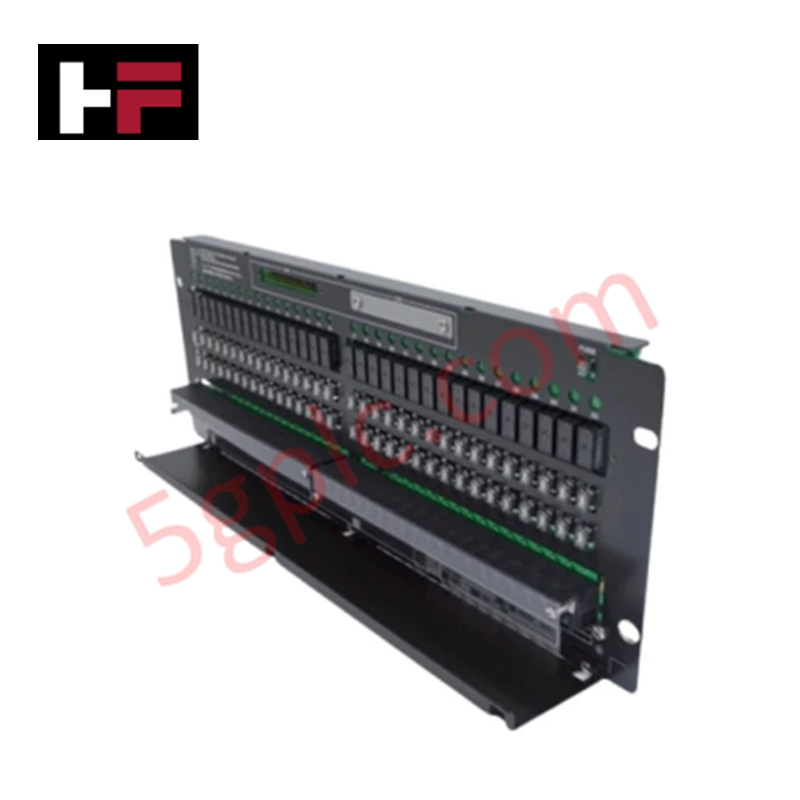
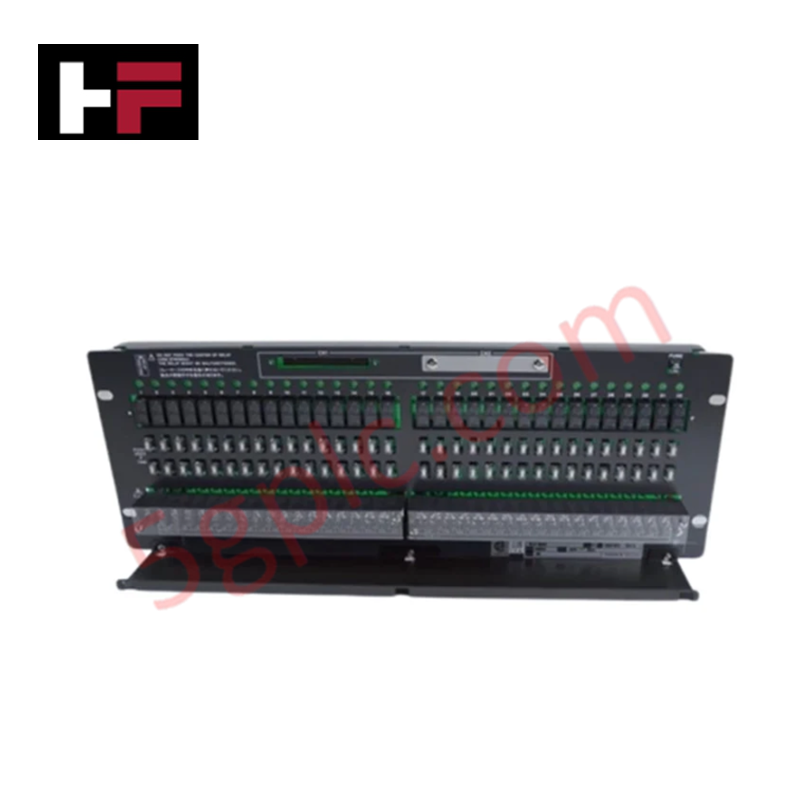
The Yokogawa ANB10D-425/CU2N is a high-availability Duplicated Node Interface Unit (NIU) designed for the CENTUM VP Distributed Control System (DCS). This unit functions as a remote or local I/O subrack, housing up to 8 FIO (Field Input/Output) modules. The "D" designation indicates a Duplexed (Redundant) architecture, providing dual paths for power and communication. This specific model features G3-level corrosive resistance, making it the definitive choice for facilities exposed to aggressive atmospheric contaminants.
Condition: 100% Brand New and Original Factory Sealed.
Part Number Breakdown: ANB10D-425/CU2N
Yokogawa utilizes a comprehensive suffix and option code system to define the NIU's electrical and environmental properties:
-
ANB10D: Duplicated Node Interface Unit (for FIO).
-
-4: Dual-redundant 100-120 V AC Power Supply.
-
2: 19-inch Rack-mount type with insulation bushing.
-
5: With G3 Corrosive Resistance
-
/CU2N: Communication interface option specifying connector types and enhanced noise filtering.
Technical Specifications
The ANB10D-425 provides a stable and environmentally hardened electrical environment for critical I/O modules.
-
Number of I/O Slots: 8 slots (supports Analog, Digital, and Communication FIO modules)
-
Interface Bus: ESB Bus (Extended Serial Backplane)
-
Power Supply: 100-120 V AC, 50/60 Hz (Dual-redundant)
-
Mounting: Standard 19-inch rack-mount (with insulation bushing)
-
Environmental Protection: ISA Standard S71.04 Class G3
-
Current Consumption: Max 100 VA (at 100-120 V AC)
-
Redundancy: Supports dual PW481 power units and dual EC401 bus modules.
Engineering Advantages
-
G3-Rated Corrosive Resistance: The internal circuit boards of the ANB10D-425/CU2N are treated with a specialized conformal coating. This prevents silver and copper corrosion caused by aggressive gases in refineries and chemical plants, significantly extending the unit's lifespan in unconditioned environments.
-
Mission-Critical Availability: Engineered to eliminate single points of failure, this unit utilizes dual-redundant power supplies and ESB bus interfaces. This ensures that all 8 I/O modules remain online and communicating with the Field Control Unit (FCU) even if one power circuit or cable fails.
-
Ground Loop Protection: The "2" in the suffix indicates the inclusion of insulation bushings. This physical isolation prevents electrical noise from the cabinet frame from interfering with sensitive analog and digital signals, maintaining high signal-to-noise ratios.
-
Scalable I/O Distribution: This NIU allows for the physical distribution of I/O modules across the plant. By connecting several ANB10D units via YCB301 ESB bus cables, a single controller can manage widely dispersed field points while maintaining high-speed data synchronization.
-
Hot-Swappable Maintenance: All redundant components are hot-swappable. Maintenance teams can replace a faulty power supply or bus interface module while the system is live and the process is running, maximizing plant uptime.
FAQs
-
What is the difference between ANB10D and ANB11D?
The ANB10D is for standard ESB Bus (local or near-distance), while the ANB11D is used for the Optical ESB Bus, allowing for much longer distances between the controller and the I/O node.
-
How do I connect the ANB10D-425 to the Field Control Unit?
The NIU connects to the FCU (e.g., AFV30D) using ESB Bus Cables. For a redundant system, these cables must be used in pairs to maintain the duplicated communication path.
-
Does this unit include the I/O modules?
No. The ANB10D-425/CU2N is the base chassis and power assembly. You must order specific I/O modules (e.g., AAI141, ADV151) separately based on your project's signal requirements.
-
Can I use this unit in a 220V AC environment?
No. The suffix "-4" indicates a 100-120V AC rating. For 220-240V AC power environments, the ANB10D-2xx series is required.
Additional Information
- 100% Genuine Parts: All products are original and authentic, ensuring reliable industrial performance.
- 30-Day Refund Guarantee: Return any in-stock item within 30 days in original, unopened packaging for a full refund (excluding shipping and fees).
- 12-Month Warranty: Covers defects in materials or workmanship; excludes misuse, normal wear, or unauthorized modifications.
- Worldwide Shipping: We ship via USPS, UPS, FedEx, and DHL. Delivery times vary by country and may be subject to customs or import fees.
- Support & Contact: Technical and warranty assistance is available anytime. Contact us here: Contact.
- Purchase Guidance: Check product specifications and compatibility carefully before ordering to ensure proper application.
Tech & Buying Guide

Essential Motion Control Commands: A Practical Guide for Engineers
Automation engineers often rely on precise position and speed control to drive modern factory machinery. Modern industrial systems, such as Programmable Logic Controllers (PLCs) and Distributed Control Systems (DCS), depend heavily on standardized motion instructions. Mastering these commands ensures operational safety, protects mechanical components, and optimizes cycle times across production lines.
Mastering Modern Industrial Joystick Controls in Heavy Automation
Industrial joysticks play a pivotal role in human-machine interaction across heavy material handling and mobile hydraulics. These tactile controllers translate complex operator movements into precise electrical signals for PLCs, motion controllers, and DCS networks. Consequently, selecting and installing the right joystick architecture ensures operator safety, reduces fatigue, and optimizes equipment performance.

Navigating Industrial Automation Failures: Types, Causes, and Mitigation Strategies
Modern manufacturing relies heavily on automated control systems to maximize throughput and maintain product quality. However, unplanned downtime in industrial automation can cost facility operators thousands of dollars per hour. Understanding how programmable logic controllers (PLCs), distributed control systems (DCS), and field instrumentation fail empowers engineering teams to implement robust preventive maintenance strategies.