












Product Details
Product Overview
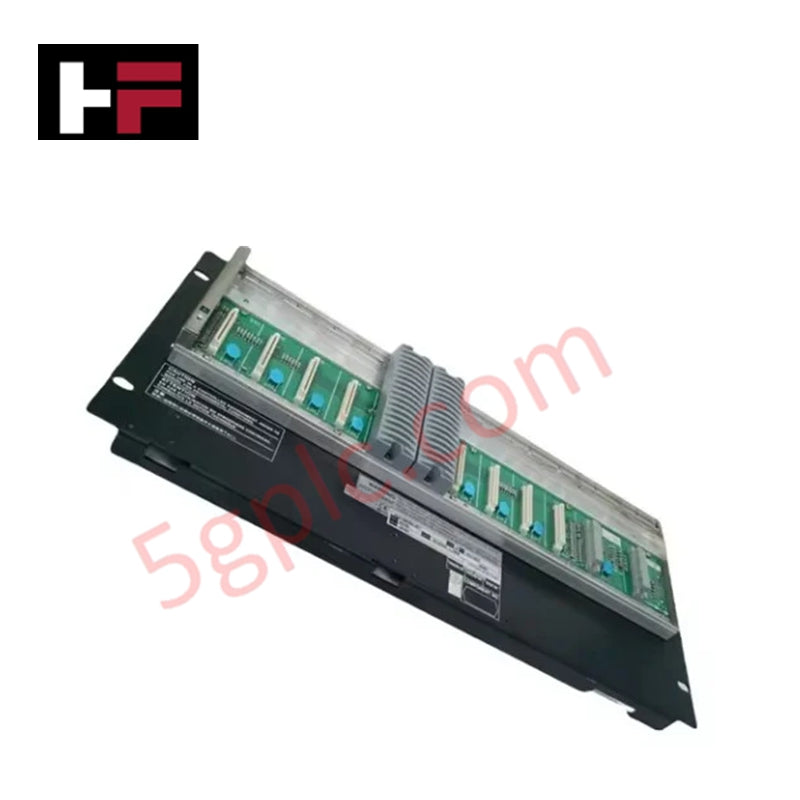
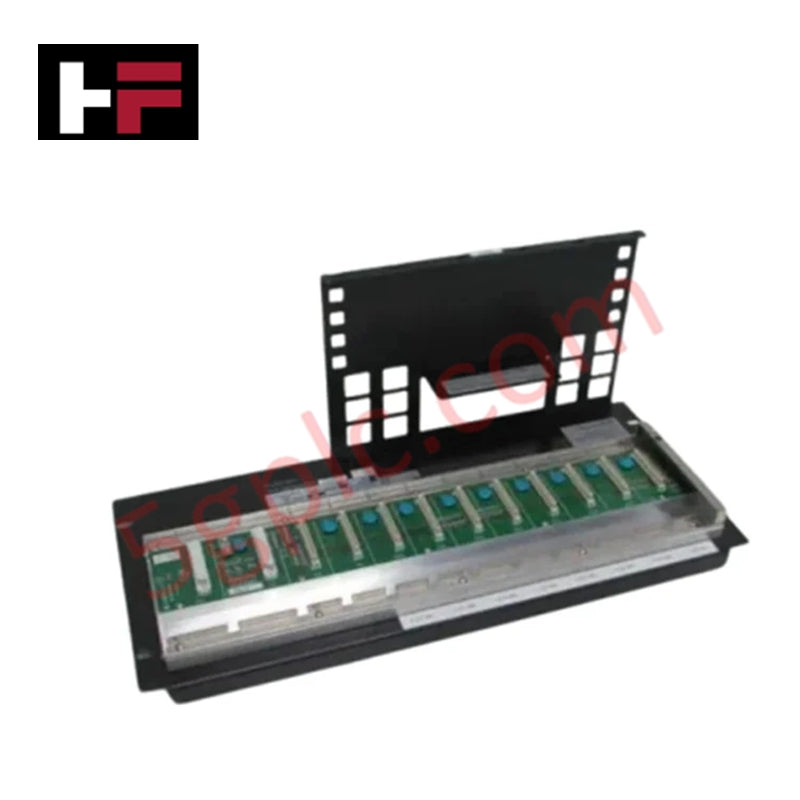
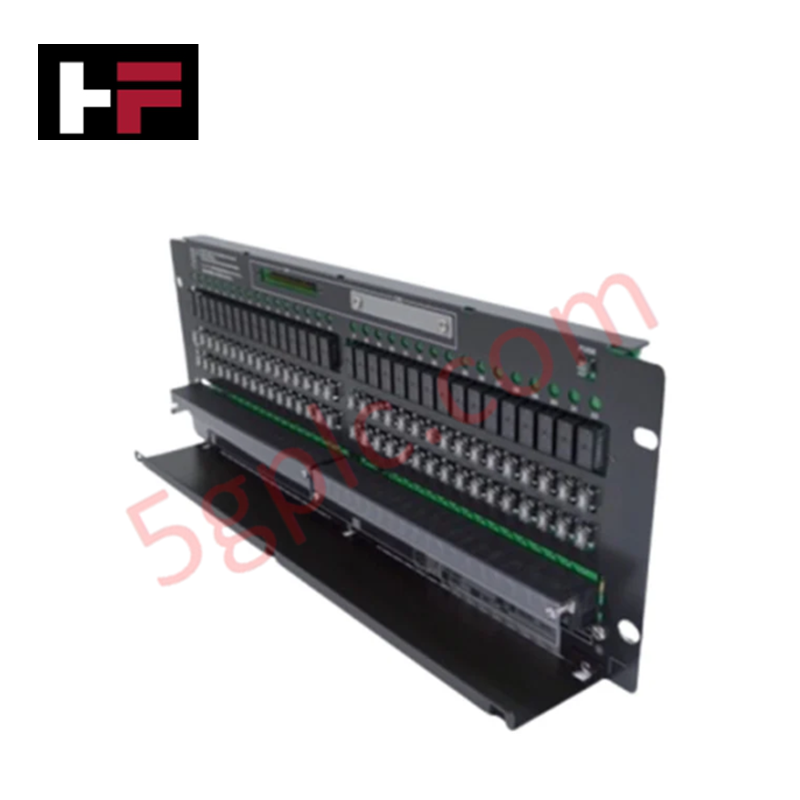
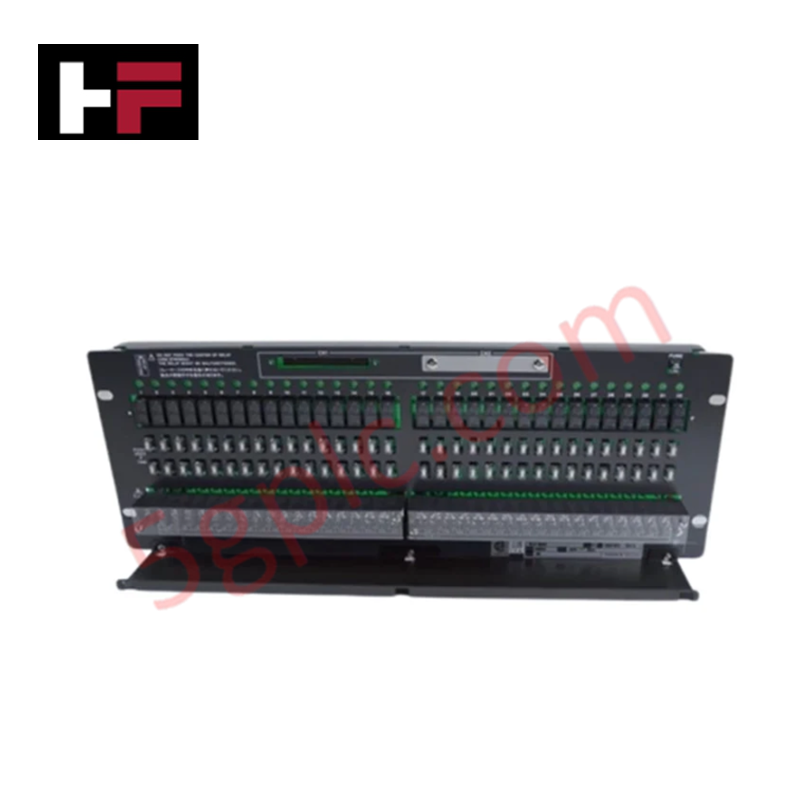
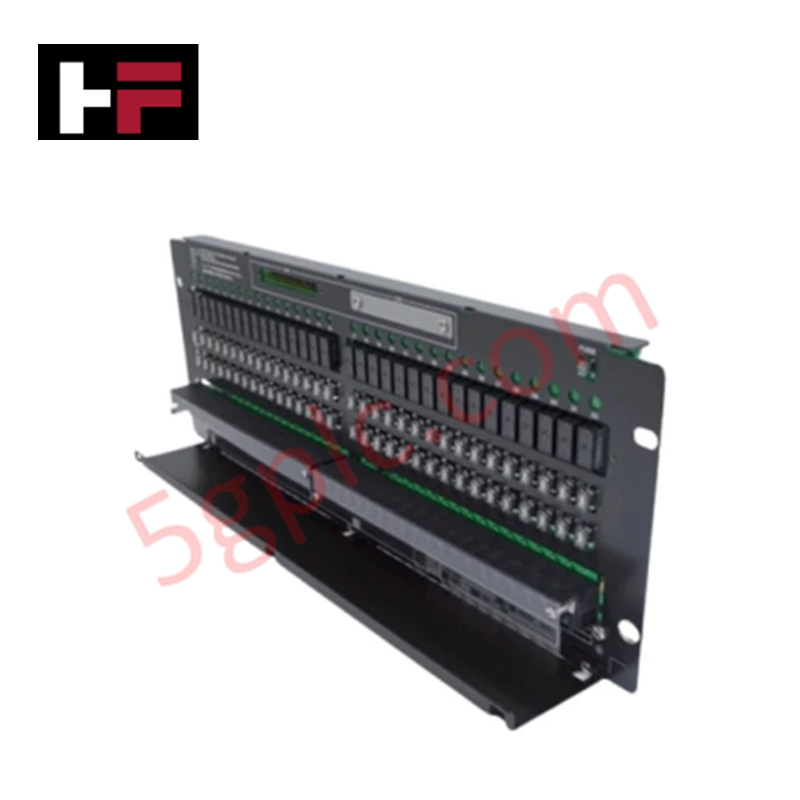
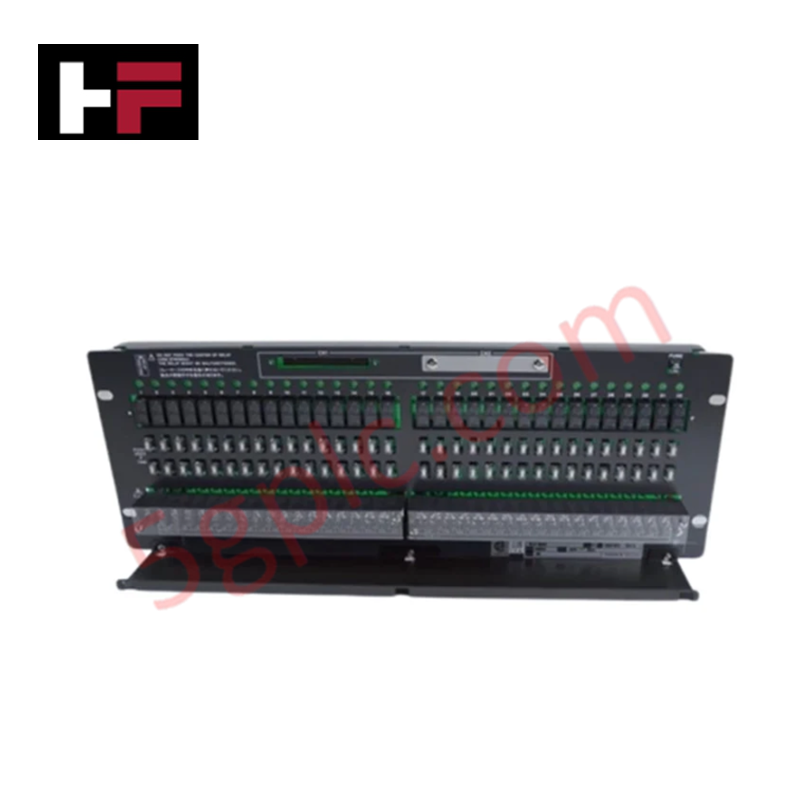
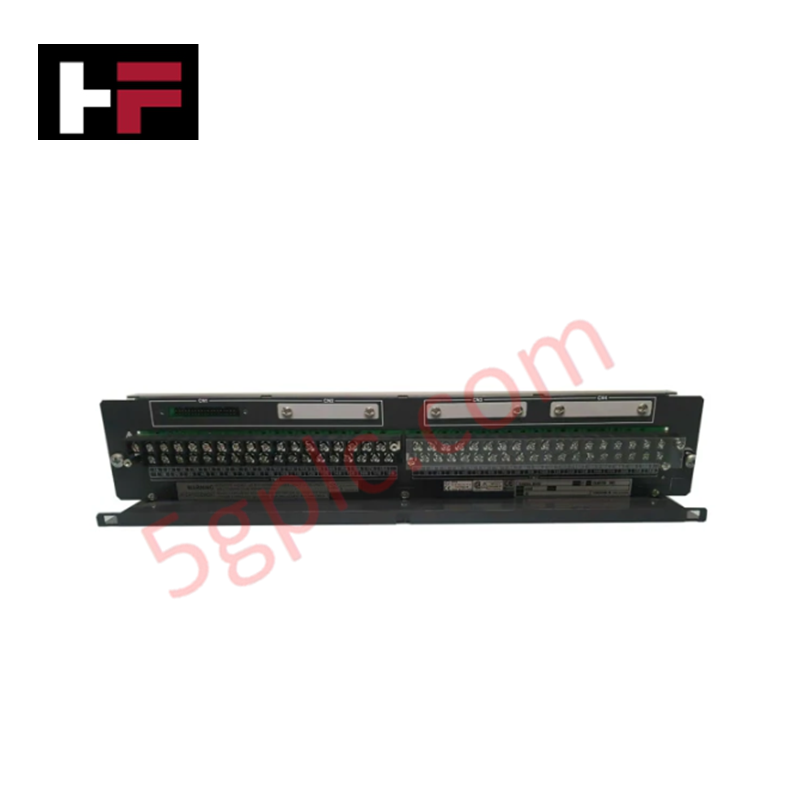
The Yokogawa ANB10D-415/CU2N acts as the high-availability interface for expanding I/O capacity within the CENTUM VP Distributed Control System (DCS). This ESB Bus Node Unit facilitates high-speed communication between the Field Control Station (FCS) and FIO modules. By supporting dual-redundant ESB bus paths and power modules, this unit maintains continuous process visibility and control. We provide this hardware as 100% Brand New and Original, ensuring your automation architecture meets strict factory specifications for mission-critical reliability.
Part Number Breakdown: ANB10D-415/CU2N
Yokogawa defines the configuration of the ANB10D series through a modular suffix and option system:
| Code | Type | Technical Definition |
| ANB10D | Model | Node Unit for Dual-Redundant ESB Bus |
| -4 | Suffix 1 | Dual-redundant power supply configuration |
| 1 | Suffix 2 | 100 - 120 V AC power supply input |
| 5 | Suffix 3 | Basic type (Non-explosion protection) |
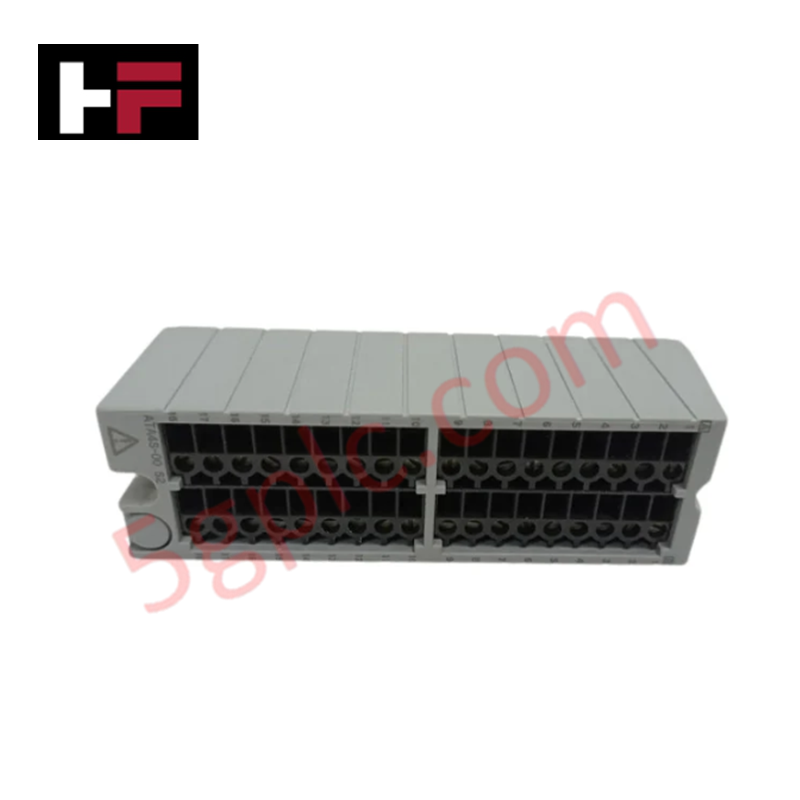
| /CU2N | Option | Connector Unit for ESB Bus (Includes 2x S9562FA) |
Technical Specifications
The ANB10D-415/CU2N incorporates robust electrical and mechanical parameters to handle high-density I/O traffic:
-
Communication Bus: Dual-redundant ESB Bus (Extended Serial Backplane)
-
Input Voltage: 100 - 120 V AC, 50/60 Hz
-
Redundancy: Supports dual-path bus and dual-power module hot-swapping
-
Mounting: 19-inch Rack Mounting (Requires 5U space)
-
Included Hardware: 2 pieces of S9562FA Connector Units
-
Installation Accessories: M5 x 4 screws and insulation bushes
-
Weight: 10 kg (Net)
Engineering Advantages
The ANB10D-415/CU2N addresses specific industrial installation and uptime challenges:
-
Mitigate Ground Loop Interference: The unit includes specialized insulation bushes (accessories). These components isolate the chassis from the rack frame, preventing circulating ground currents from corrupting sensitive analog I/O signals.
-
High-Speed Signal Integrity: The /CU2N option provides two S9562FA connector units. These factory-certified connectors ensure a low-impedance path for the 125 Mbps ESB bus, preventing data packet loss in electrically noisy environments near VFDs or high-voltage switchgear.
-
Uninterrupted Process Uptime: The dual-redundant power supply (Suffix -4) configuration allows the node to draw current from independent AC sources. If one power module fails, the secondary module carries the full load instantly, permitting the replacement of the faulty unit without interrupting the control logic or field data flow.
-
Flexible Cabinet Integration: Designed for 19-inch rack mounting, the unit utilizes standard M5 screws. This allows engineers to consolidate extensive I/O points into high-density cabinets, reducing the overall footprint in the control room or Remote Instrument Enclosure (RIE).
FAQs
-
Does the /CU2N option include terminators? No. The /CU2N refers to the standard Connector Unit. If this node sits at the end of an ESB bus chain, you must use a connector unit with a terminator (/CU2T) or add an external terminator to prevent signal reflection.
-
Can I use this unit with 220V AC power? No. This specific configuration (Suffix 1) targets 100-120V AC. Applying 220V AC will damage the internal power modules. For 220V applications, you require the ANB10D-425 model.
-
How does the unit handle vibration in industrial racks? The 10 kg robust chassis and M5 secure mounting system withstand the mechanical vibrations common in process plants. The included insulation bushes also provide a degree of mechanical damping between the unit and the rack frame.
-
Is this unit compatible with the latest CENTUM VP software? Yes. The ANB10D-415 remains a standard component for current CENTUM VP deployments, providing full compatibility with LFS1500 and related control functions.
Additional Information
- 100% Genuine Parts: All products are original and authentic, ensuring reliable industrial performance.
- 30-Day Refund Guarantee: Return any in-stock item within 30 days in original, unopened packaging for a full refund (excluding shipping and fees).
- 12-Month Warranty: Covers defects in materials or workmanship; excludes misuse, normal wear, or unauthorized modifications.
- Worldwide Shipping: We ship via USPS, UPS, FedEx, and DHL. Delivery times vary by country and may be subject to customs or import fees.
- Support & Contact: Technical and warranty assistance is available anytime. Contact us here: Contact.
- Purchase Guidance: Check product specifications and compatibility carefully before ordering to ensure proper application.
Tech & Buying Guide
Mastering Modern Industrial Joystick Controls in Heavy Automation
Industrial joysticks play a pivotal role in human-machine interaction across heavy material handling and mobile hydraulics. These tactile controllers translate complex operator movements into precise electrical signals for PLCs, motion controllers, and DCS networks. Consequently, selecting and installing the right joystick architecture ensures operator safety, reduces fatigue, and optimizes equipment performance.

Navigating Industrial Automation Failures: Types, Causes, and Mitigation Strategies
Modern manufacturing relies heavily on automated control systems to maximize throughput and maintain product quality. However, unplanned downtime in industrial automation can cost facility operators thousands of dollars per hour. Understanding how programmable logic controllers (PLCs), distributed control systems (DCS), and field instrumentation fail empowers engineering teams to implement robust preventive maintenance strategies.

Essential Motion Control Commands: A Practical Guide for Engineers
Automation engineers often rely on precise position and speed control to drive modern factory machinery. Modern industrial systems, such as Programmable Logic Controllers (PLCs) and Distributed Control Systems (DCS), depend heavily on standardized motion instructions. Mastering these commands ensures operational safety, protects mechanical components, and optimizes cycle times across production lines.