












Product Details
Product Overview
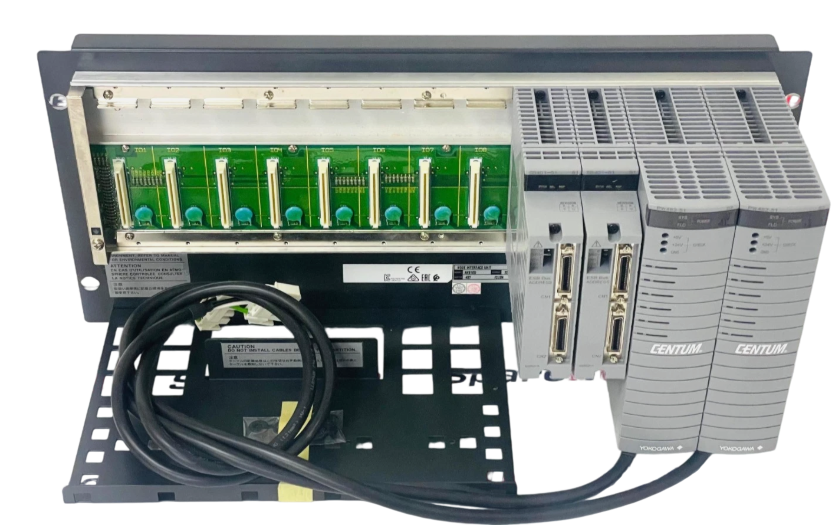
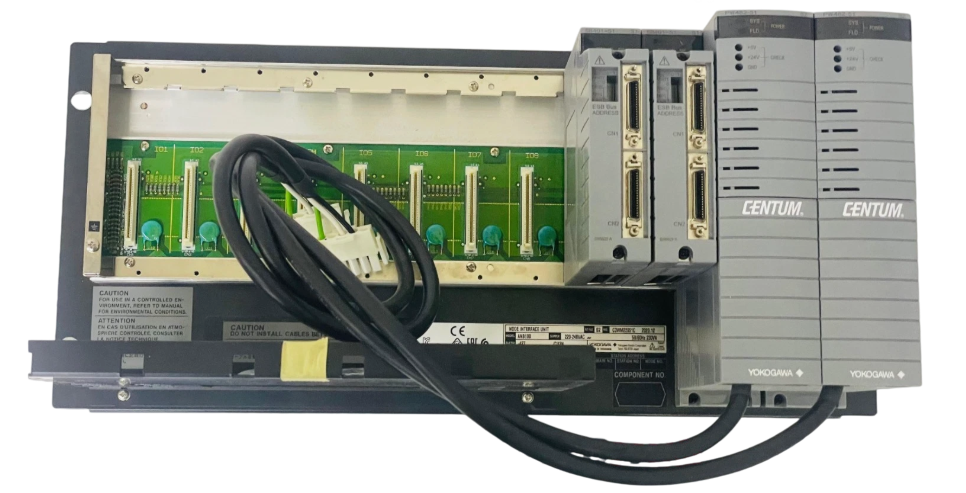
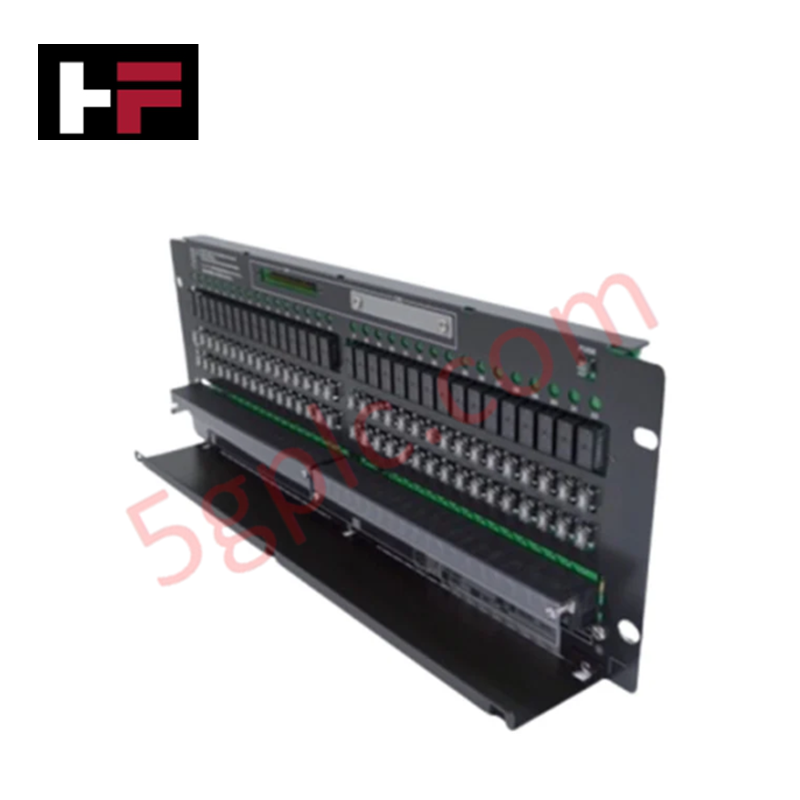
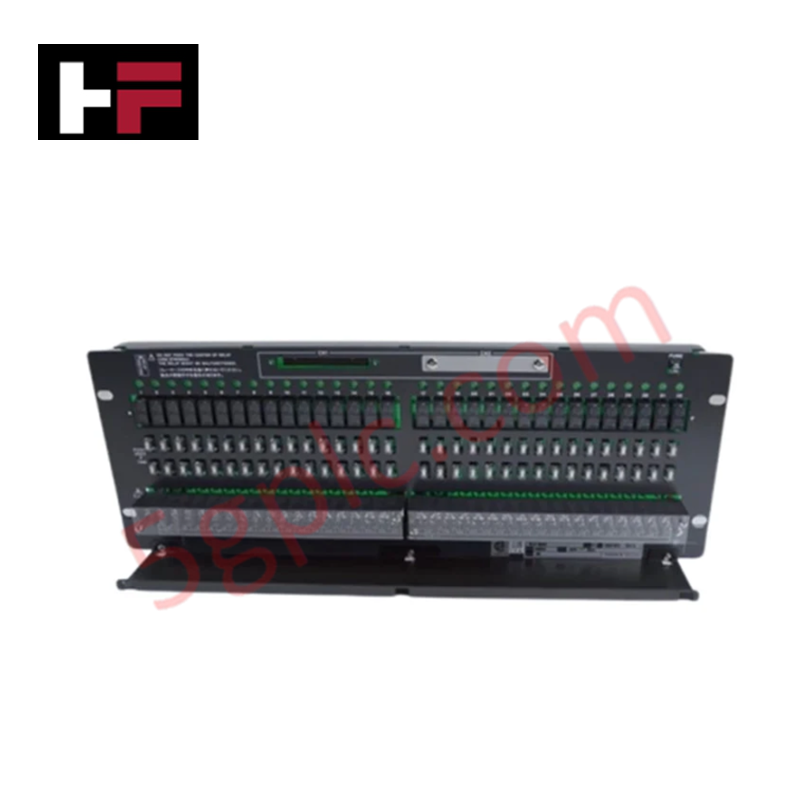
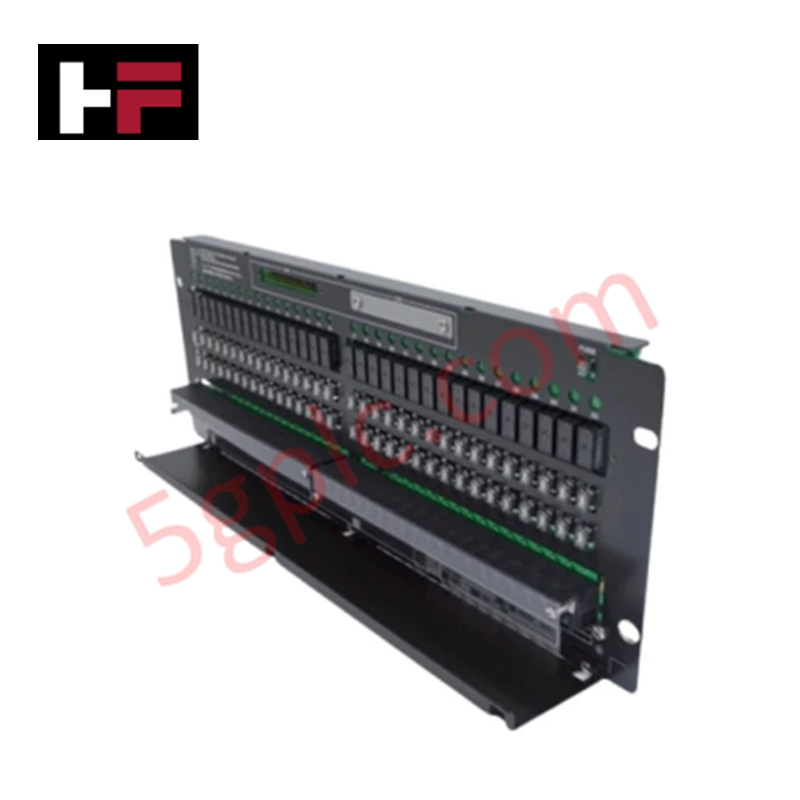
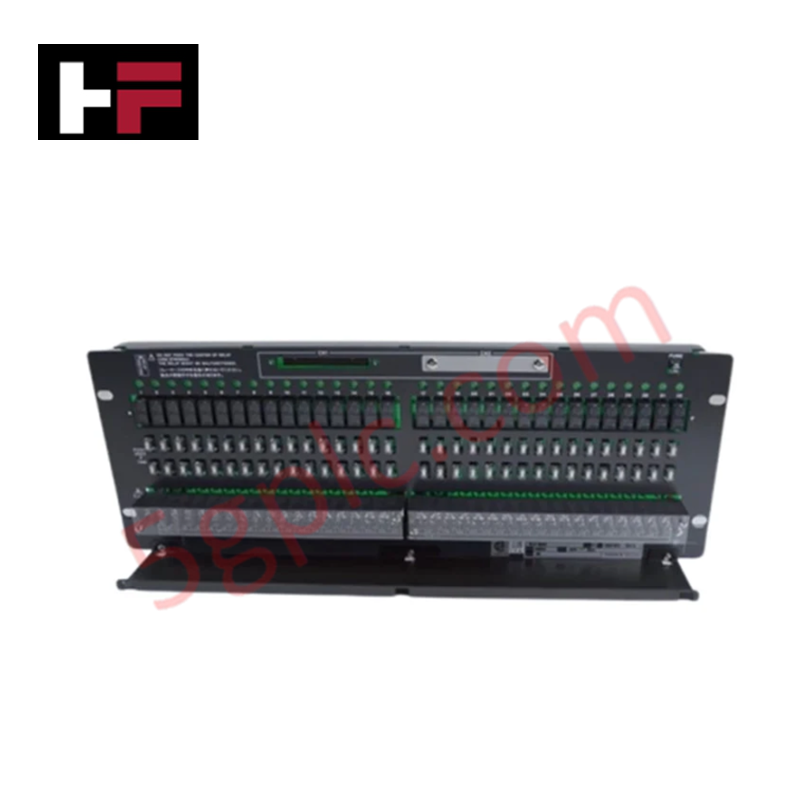
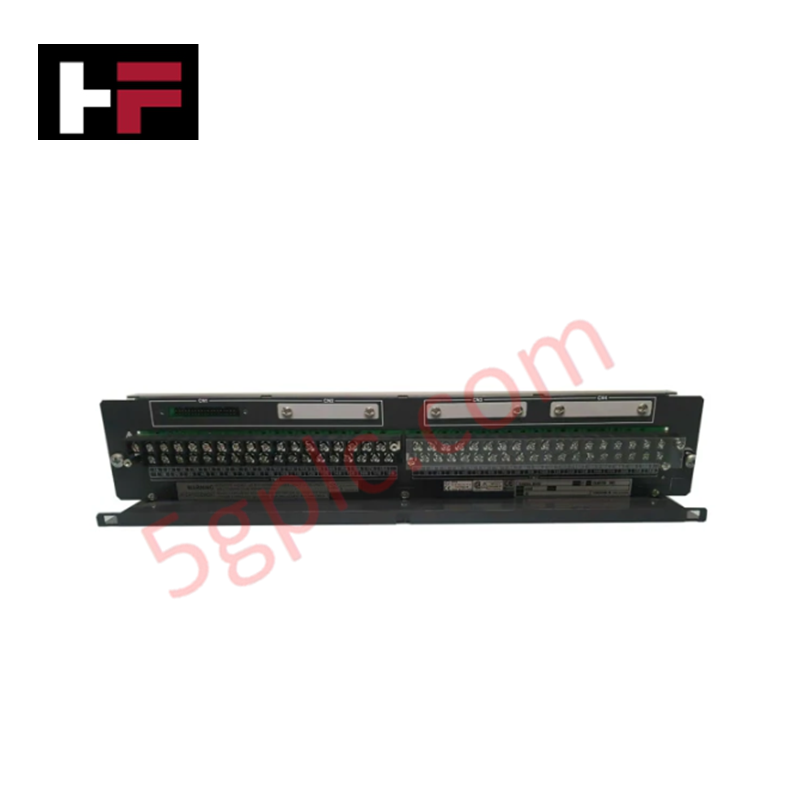
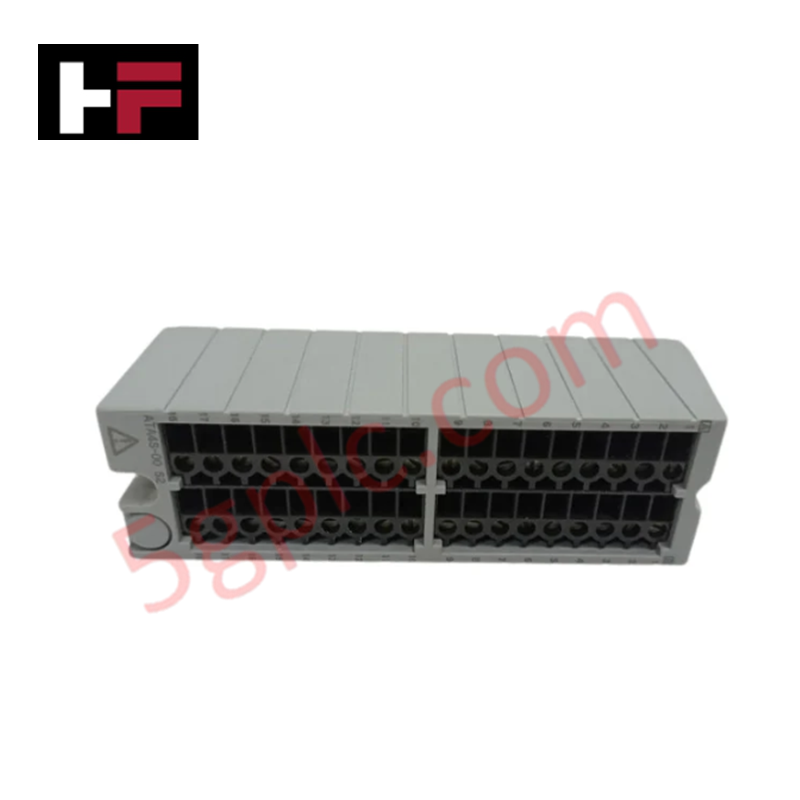
The Yokogawa ANB10D-410/CU2T serves as a high-availability interface for expanding I/O capacity within the CENTUM VP Distributed Control System (DCS). This ESB Bus Node Unit facilitates high-speed, dual-path communication between the Field Control Station (FCS) and remote FIO modules. By integrating redundant power modules and a specialized terminator interface, the unit ensures deterministic data flow across the system backplane. We supply this unit as 100% Brand New and Original, providing a factory-certified solution for mission-critical process automation.
Part Number Breakdown: ANB10D-410/CU2T
Yokogawa utilizes a specific alphanumeric coding system to define the electrical and functional configuration of the node:
| Code | Specification | Technical Definition |
| ANB10D | Model | Node Unit for Dual-Redundant ESB Bus |
| -4 | Redundancy | Dual-redundant power supply configuration |
| 1 | Power Supply | 100 - 120 V AC power supply input |
| 0 | Protection | Basic type (Non-explosion protection) |
| /CU2T | Option | Connector Unit with Integrated Terminator for ESB Bus |
Technical Specifications
The ANB10D-410/CU2T incorporates heavy-duty components designed for continuous industrial operation:
-
Bus Architecture: Dual-redundant ESB Bus (Extended Serial Backplane)
-
Input Voltage: 100 - 120 V AC (50/60 Hz)
-
Power Redundancy: Supports two hot-swappable power supply modules
-
Termination: Integrated /CU2T Connector Unit with internal electrical terminator
-
I/O Capacity: Accommodates Yokogawa FIO (Field Input/Output) modules
-
Mounting: 19-inch rack-mountable (Occupies 5U of vertical space)
-
Weight: 10 kg (Net)
-
Indicators: Front-panel LEDs for Power and Communication status
Engineering Advantages
The ANB10D-410/CU2T addresses specific technical hurdles in DCS deployment and maintenance:
-
Eliminate Signal Reflections: The integrated /CU2T option provides a built-in terminator within the connector unit. This hardware-level termination prevents signal "echoes" on the ESB bus, which typically cause data corruption in long daisy-chained rack configurations.
-
Continuous Process Uptime: The dual-redundant power architecture (Suffix -4) allows the node to draw current from two independent AC sources. If one power module fails, the secondary module instantly carries the full load, permitting online replacement without interrupting the control logic or field I/O signals.
-
Redundant Path Communication: By supporting the dual-redundant ESB bus, this node maintains 100% visibility of field data even if one communication cable sustains physical damage. This dual-path system ensures high-speed, 128 Mbps synchronization remains intact.
-
Industrial Noise Immunity: Specifically engineered for the 100-120V AC standard, the internal power modules filter high-frequency transients and electromagnetic interference (EMI) common in environments with large motors and high-voltage switchgear.
FAQs
-
Does this unit require an external terminator?
No. The /CU2T option includes an integrated terminator. You should place this specific model at the end of an ESB bus chain to provide the necessary electrical termination for the entire segment.
-
Can I replace an ANB10S with this ANB10D model?
Yes. The ANB10D (Duplexed) offers superior reliability compared to the ANB10S (Single). However, you must ensure your Field Control Station (FCS) has the dual-redundant ESB bus ports and cables to utilize the secondary path.
-
Is this unit compatible with 240V AC power?
No. Suffix "1" designates a 100-120V AC input. Connecting this unit to 240V AC will result in immediate hardware failure. For 240V applications, please request the ANB10D-420 model.
-
What mounting accessories come with the unit?
Standard units typically include the necessary M5 mounting screws and insulation bushes. The insulation bushes are essential to prevent ground loops between the 10 kg chassis and the rack frame.
Additional Information
- 100% Genuine Parts: All products are original and authentic, ensuring reliable industrial performance.
- 30-Day Refund Guarantee: Return any in-stock item within 30 days in original, unopened packaging for a full refund (excluding shipping and fees).
- 12-Month Warranty: Covers defects in materials or workmanship; excludes misuse, normal wear, or unauthorized modifications.
- Worldwide Shipping: We ship via USPS, UPS, FedEx, and DHL. Delivery times vary by country and may be subject to customs or import fees.
- Support & Contact: Technical and warranty assistance is available anytime. Contact us here: Contact.
- Purchase Guidance: Check product specifications and compatibility carefully before ordering to ensure proper application.
Tech & Buying Guide
Mastering Modern Industrial Joystick Controls in Heavy Automation
Industrial joysticks play a pivotal role in human-machine interaction across heavy material handling and mobile hydraulics. These tactile controllers translate complex operator movements into precise electrical signals for PLCs, motion controllers, and DCS networks. Consequently, selecting and installing the right joystick architecture ensures operator safety, reduces fatigue, and optimizes equipment performance.

Navigating Industrial Automation Failures: Types, Causes, and Mitigation Strategies
Modern manufacturing relies heavily on automated control systems to maximize throughput and maintain product quality. However, unplanned downtime in industrial automation can cost facility operators thousands of dollars per hour. Understanding how programmable logic controllers (PLCs), distributed control systems (DCS), and field instrumentation fail empowers engineering teams to implement robust preventive maintenance strategies.
Essential Motion Control Commands: A Practical Guide for Engineers
Automation engineers often rely on precise position and speed control to drive modern factory machinery. Modern industrial systems, such as Programmable Logic Controllers (PLCs) and Distributed Control Systems (DCS), depend heavily on standardized motion instructions. Mastering these commands ensures operational safety, protects mechanical components, and optimizes cycle times across production lines.