












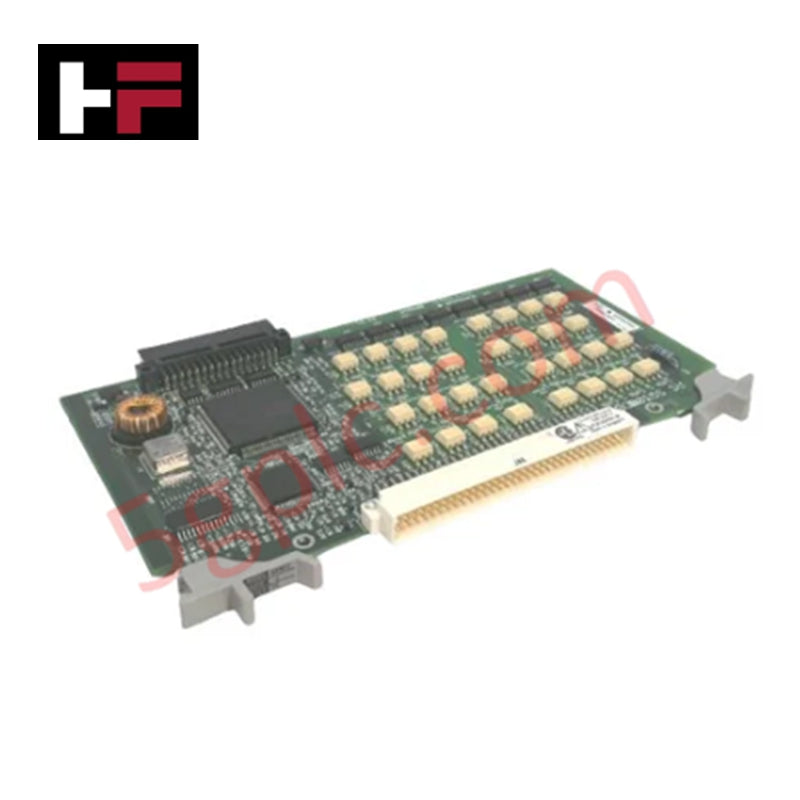
Product Details
Product Overview
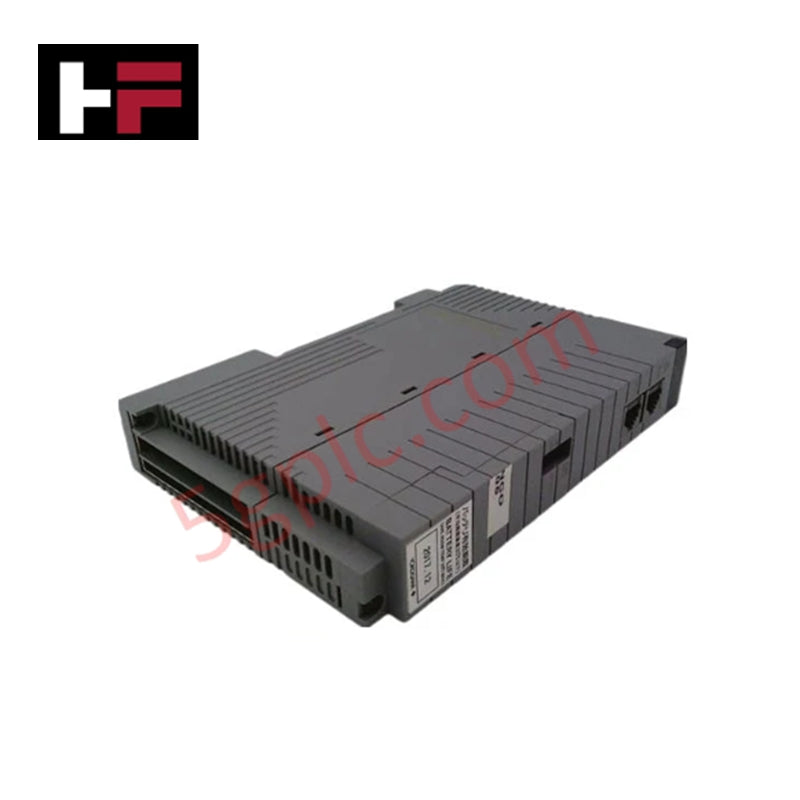
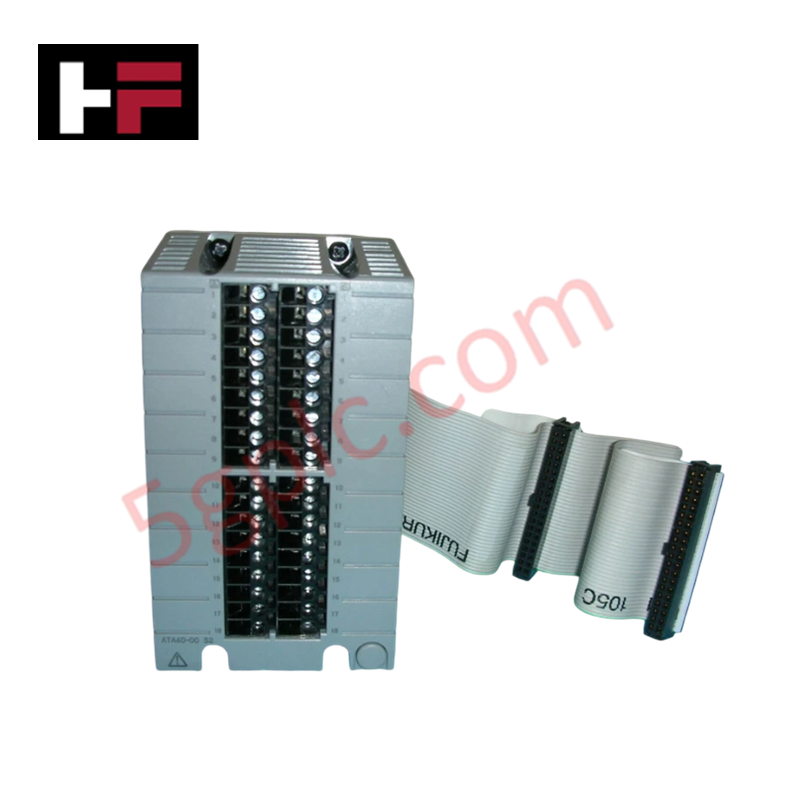
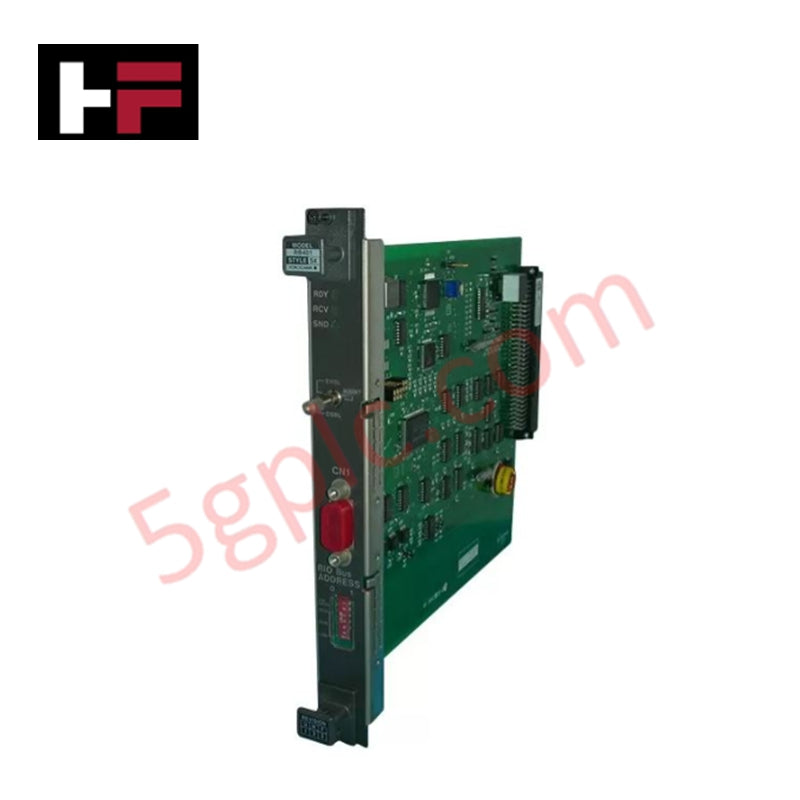
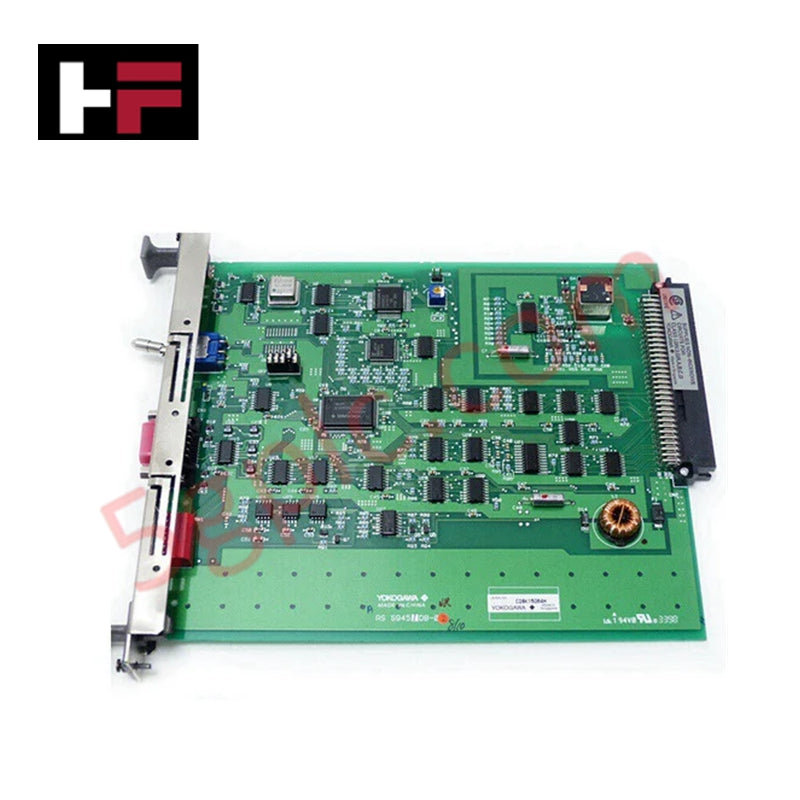
The Yokogawa ADM52-2 serves as a high-density relay output interface for the CENTUM Distributed Control System (DCS). This module manages 32 independent channels, allowing the system to switch external power circuits for heavy-duty actuators, large solenoid valves, and motor starters. By providing physical dry-contact isolation, the ADM52-2 bridges the gap between sensitive digital control logic and high-voltage field equipment.
Technical Specifications
The ADM52-2 delivers robust switching capabilities within a compact form factor:
| Parameter | Specification |
| Manufacturer | Yokogawa |
| Model | ADM52-2 |
| Output Type | Relay (Dry Contact) |
| Number of Channels | 32 Channels |
| Contact Rating (DC) | 2 A at 24 V DC |
| Contact Rating (AC) | 2 A at 240 V AC |
| Power Consumption | 3 W |
| Weight | 0.4 kg |
| Condition | 100% Brand New and Original |
Engineering Advantages
-
High-Capacity Load Switching: Unlike standard transistor outputs, the ADM52-2 utilizes mechanical relays rated for 2 A at 240 V AC. This allows the module to drive industrial loads directly without requiring interposing external relays, significantly reducing cabinet wiring complexity and hardware costs.
-
Galvanic Signal Isolation: The relay architecture provides superior electrical isolation between the DCS backplane and field-side transients. This protects the Field Control Station (FCS) from voltage surges and electromagnetic interference (EMI) originating from large motors or inductive loads.
-
Optimized Thermal Performance: Even while managing 32 active channels, the module consumes only 3 W of internal power. This low thermal signature prevents heat buildup in high-density I/O nests, ensuring stable operation in enclosed cabinets without supplemental cooling.
-
Universal Voltage Compatibility: The dry-contact outputs handle both DC and AC voltages. This versatility enables engineers to mix different voltage levels across the 32 channels, provided they stay within the 2 A current limit.
FAQs
-
Is the Yokogawa ADM52-2 supplied as a new or refurbished part?
We guarantee this unit is 100% Brand New and Original. Every ADM52-2 arrives in its original Yokogawa factory packaging, ensuring zero previous usage and the full mechanical life of the internal relays.
-
What are the key differences between the ADM52-2 and standard digital output modules?
The ADM52-2 features physical relay contacts rather than solid-state transistors. This allows for higher current ratings (2A) and the ability to switch AC voltages up to 240V, which standard DC output modules cannot accommodate.
-
Does this module support hot-swapping in a live DCS environment?
Yes, provided your Yokogawa I/O nest and system software configuration support online module replacement. Always ensure you have disconnected the high-voltage field-side power before removing the module to prevent arcing at the backplane connectors.
-
How should I protect the relays when switching inductive loads?
When switching solenoid valves or motor contactors, we recommend installing external surge suppressors (diodes for DC or varistors for AC) across the load. This prevents back-EMF from prematurely wearing out the ADM52-2 relay contacts.
Additional Information
- 100% Genuine Parts: All products are original and authentic, ensuring reliable industrial performance.
- 30-Day Refund Guarantee: Return any in-stock item within 30 days in original, unopened packaging for a full refund (excluding shipping and fees).
- 12-Month Warranty: Covers defects in materials or workmanship; excludes misuse, normal wear, or unauthorized modifications.
- Worldwide Shipping: We ship via USPS, UPS, FedEx, and DHL. Delivery times vary by country and may be subject to customs or import fees.
- Support & Contact: Technical and warranty assistance is available anytime. Contact us here: Contact.
- Purchase Guidance: Check product specifications and compatibility carefully before ordering to ensure proper application.


Tech & Buying Guide

Understanding Marshalling Cabinets in Industrial Control Systems Architecture
Industrial control system deployments rely on structured signal distribution to bridge field instrumentation with central processing hardware. A marshalling cabinet serves as the vital intermediate connection point between heavy field home-run multi-pair cables and delicate input/output (I/O) modules housed inside Programmable Logic Controller (PLC) or Distributed Control System (DCS) enclosures. By segregating field cable terminations from control hardware, engineers maintain system flexibility, safeguard controller components, and streamline commissioning workflows.

FAT vs SAT in Industrial Control Systems: Key Differences and Execution Guide
Industrial control system deployment relies on strict verification protocols to guarantee operational safety, system stability, and regulatory compliance. Commissioning complex Programmable Logic Controller (PLC) racks, Distributed Control Systems (DCS), and Safety Instrumented Systems (SIS) requires two critical milestones: the Factory Acceptance Test (FAT) and the Site Acceptance Test (SAT). Both procedures validate that system automation meets design specifications, but they occur at different stages of project execution and target distinct operational risks.

Hub vs Switch vs Router in Industrial Automation Architecture
Modern factory automation relies on reliable industrial networking infrastructure to exchange real-time field data across operational technology systems. Engineers often encounter networking hardware like hubs, switches, and routers when integrating Programmable Logic Controllers, Distributed Control Systems, and SCADA monitoring nodes. Although these devices share physical ports, they operate at different layers of the Open Systems Interconnection reference model and deliver distinct traffic management capabilities.