




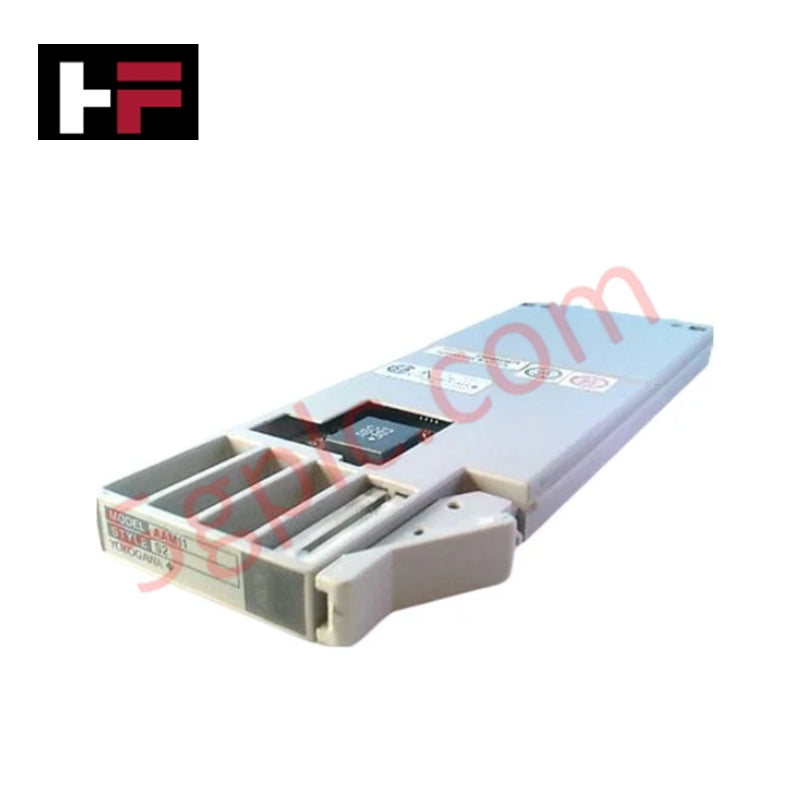
Product Details
Product Overview
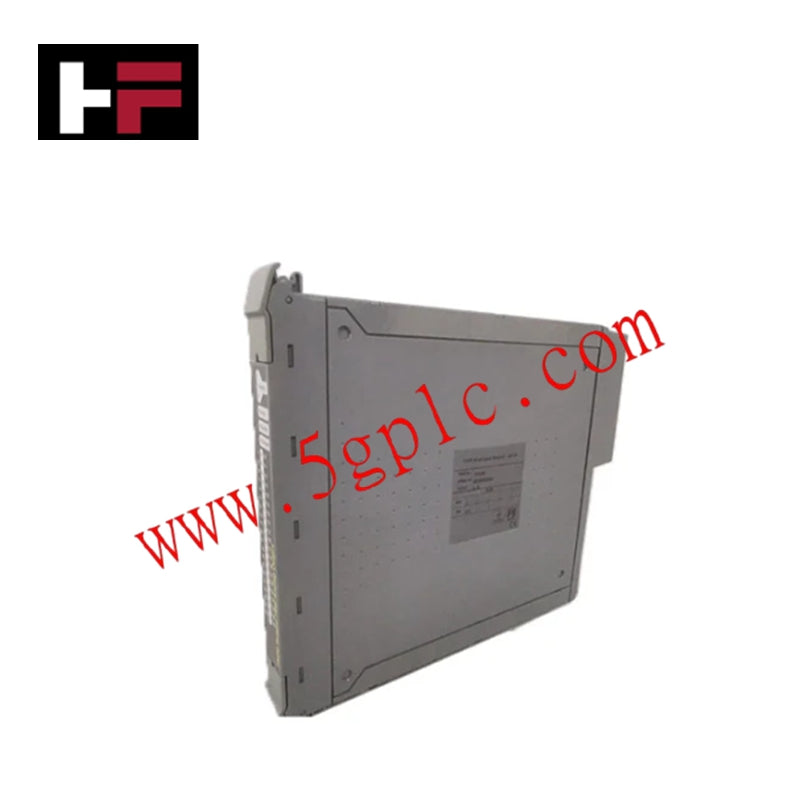
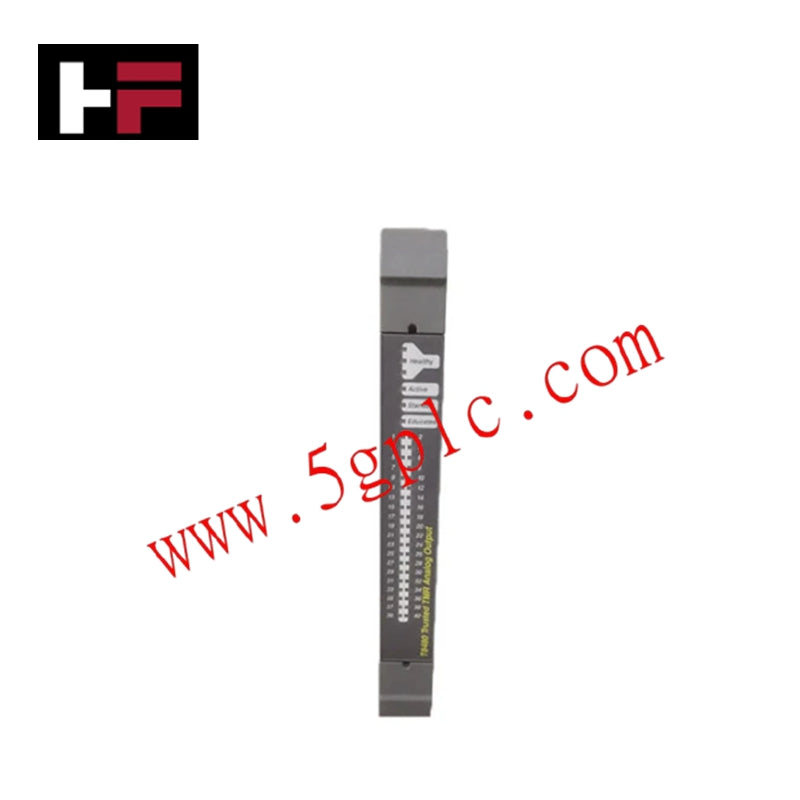
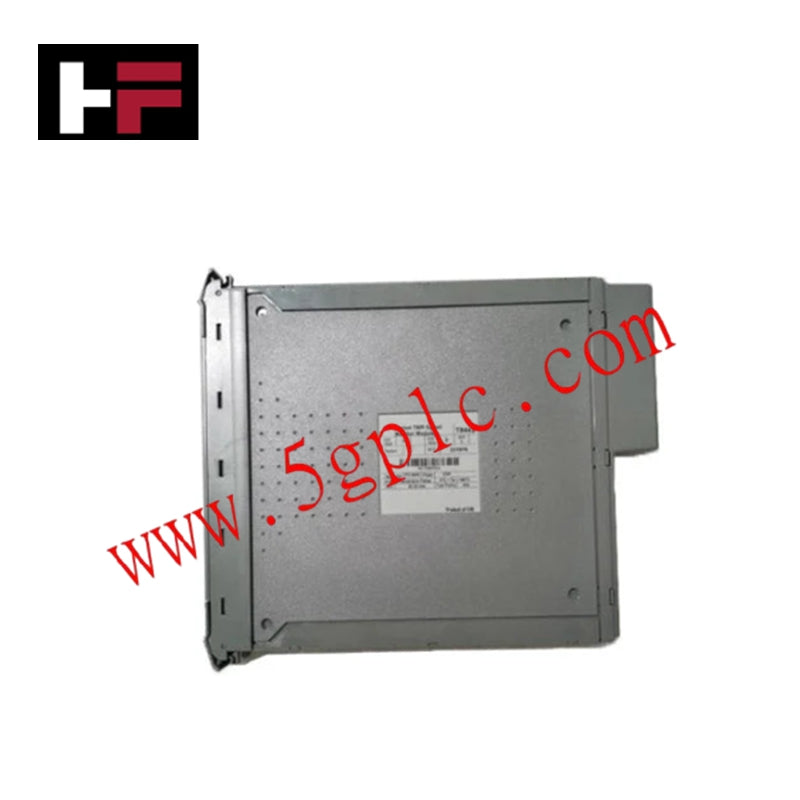
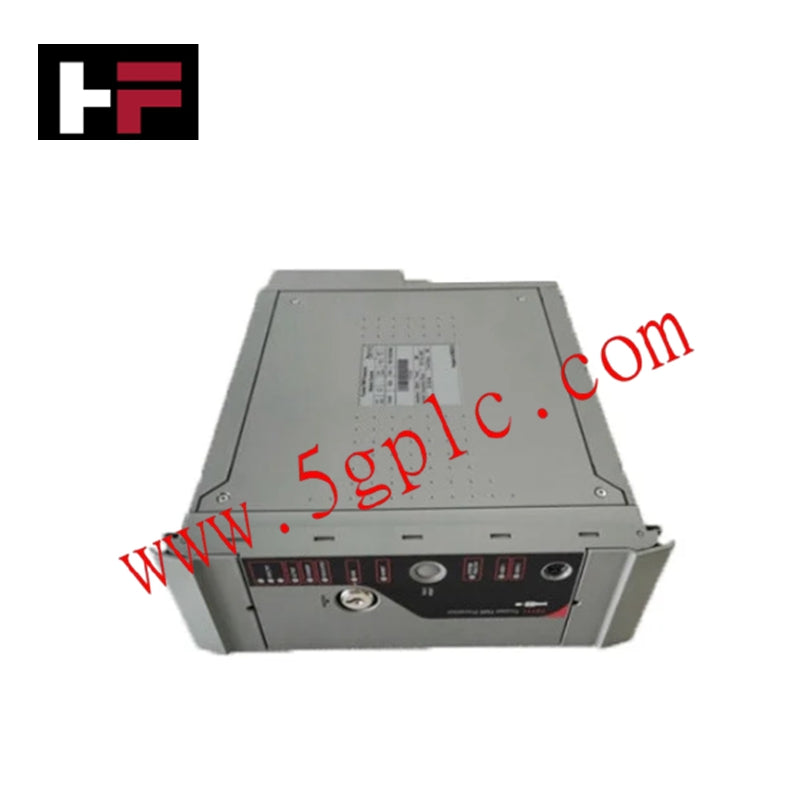
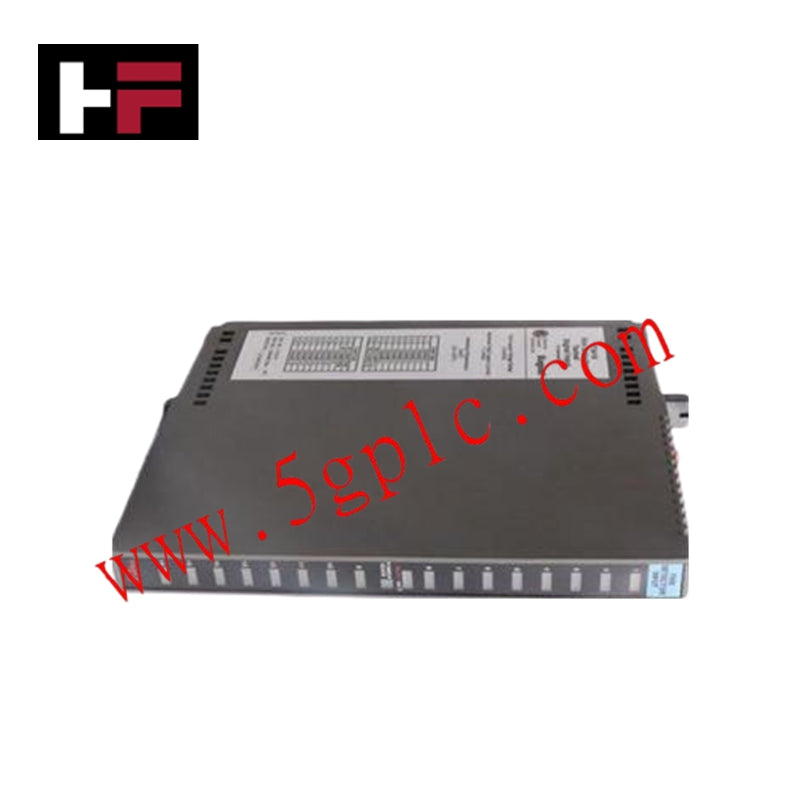
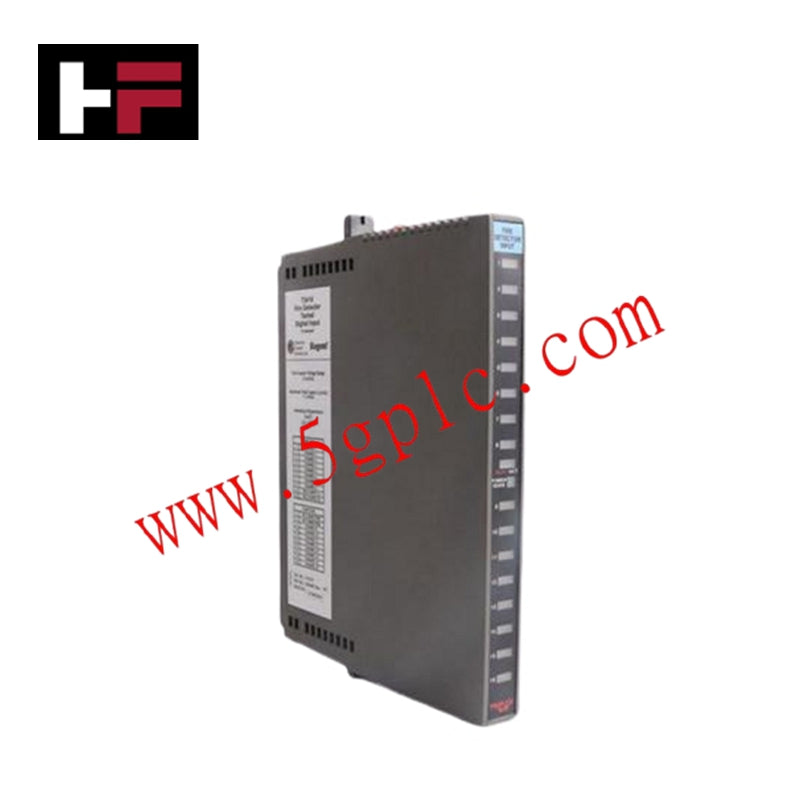
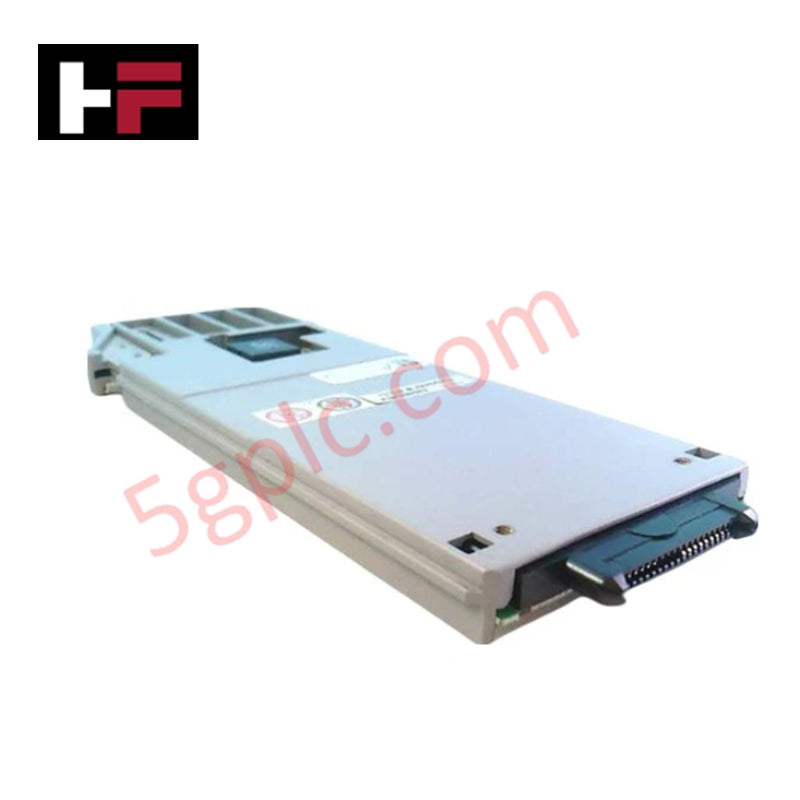
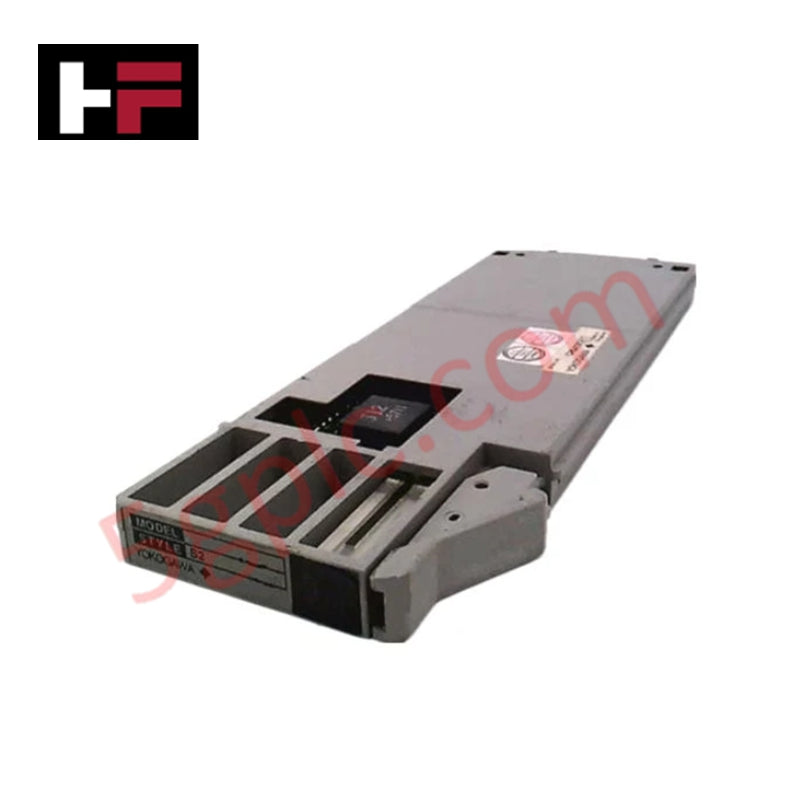
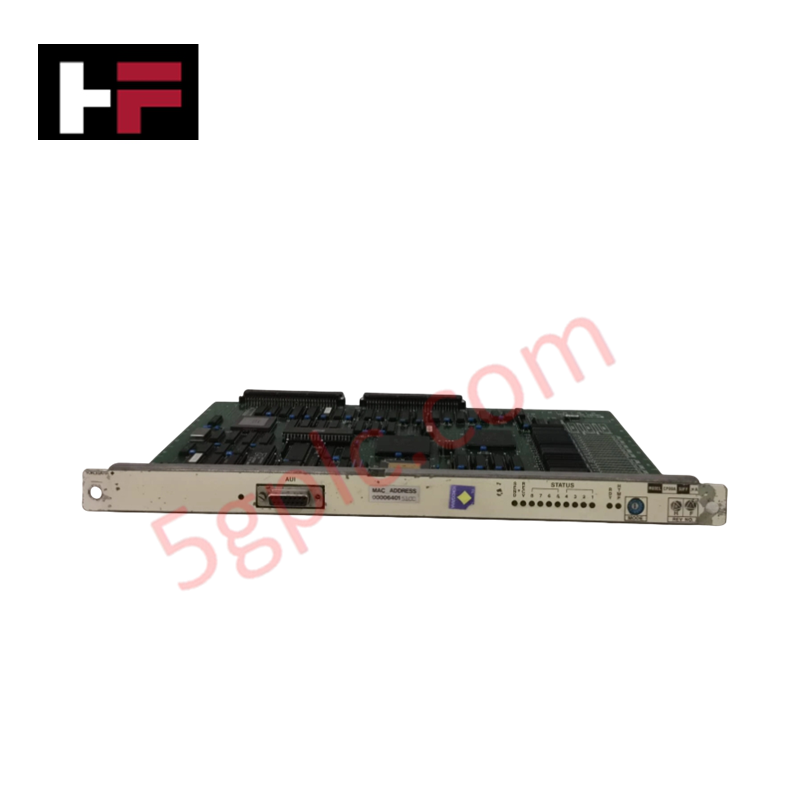
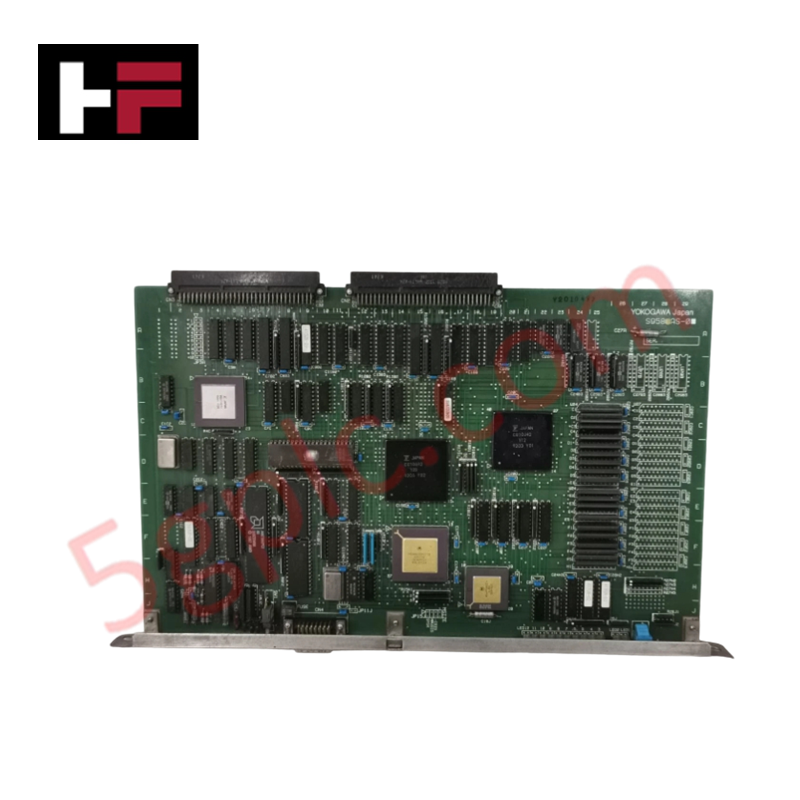
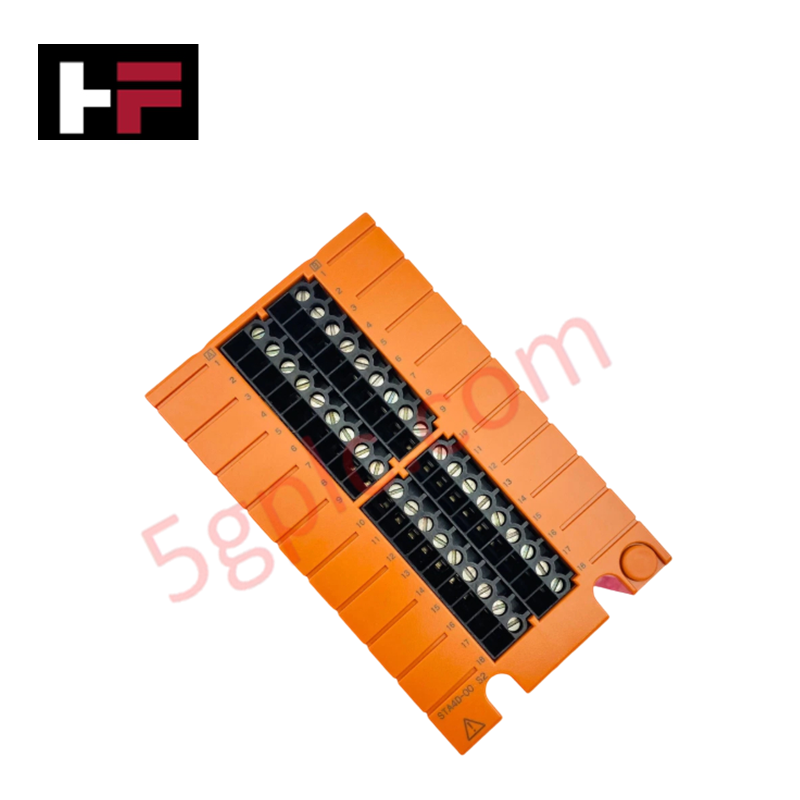
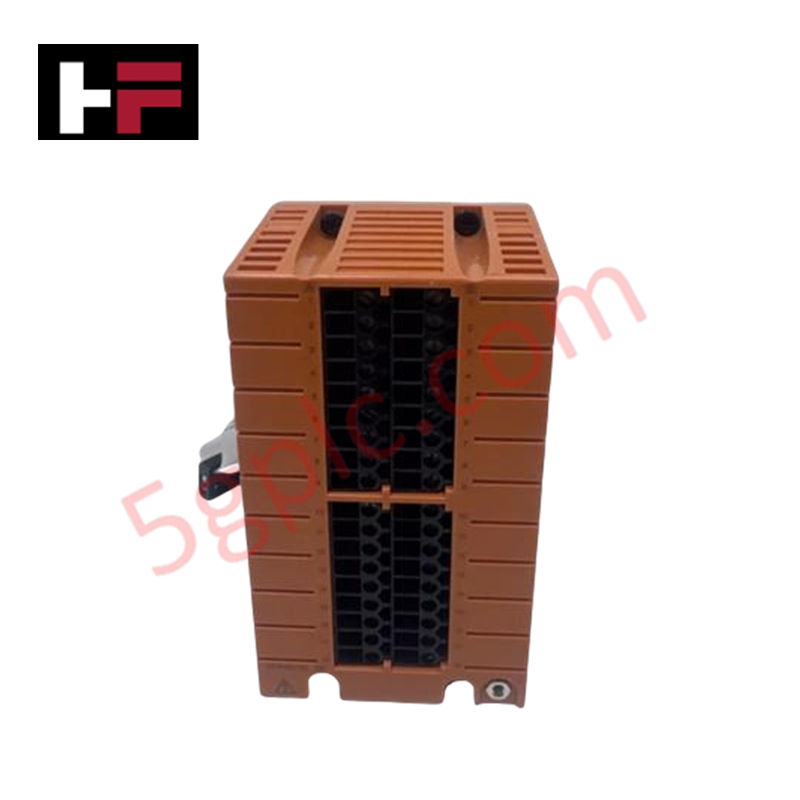
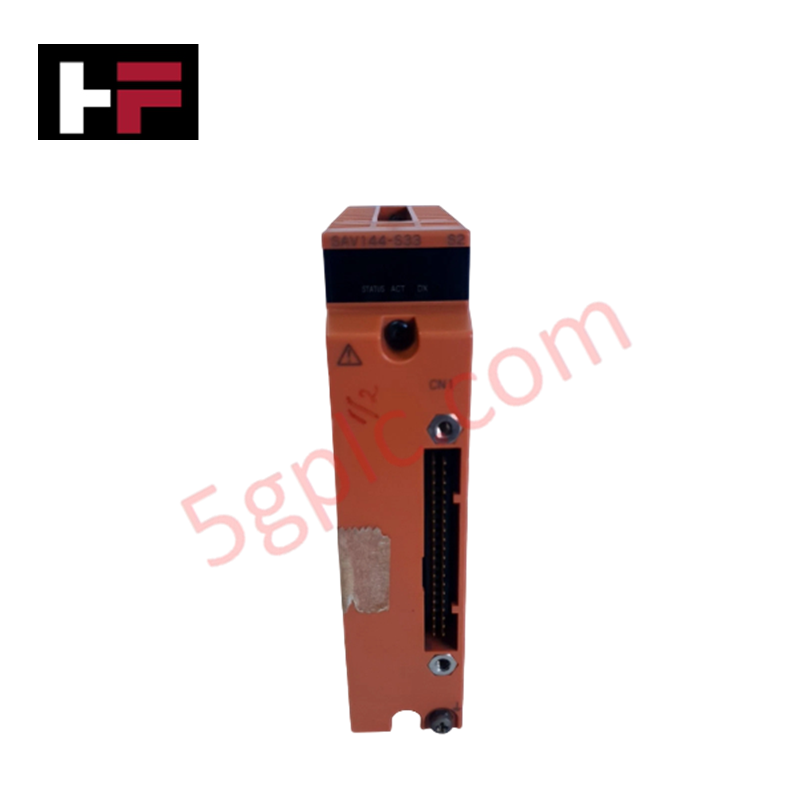
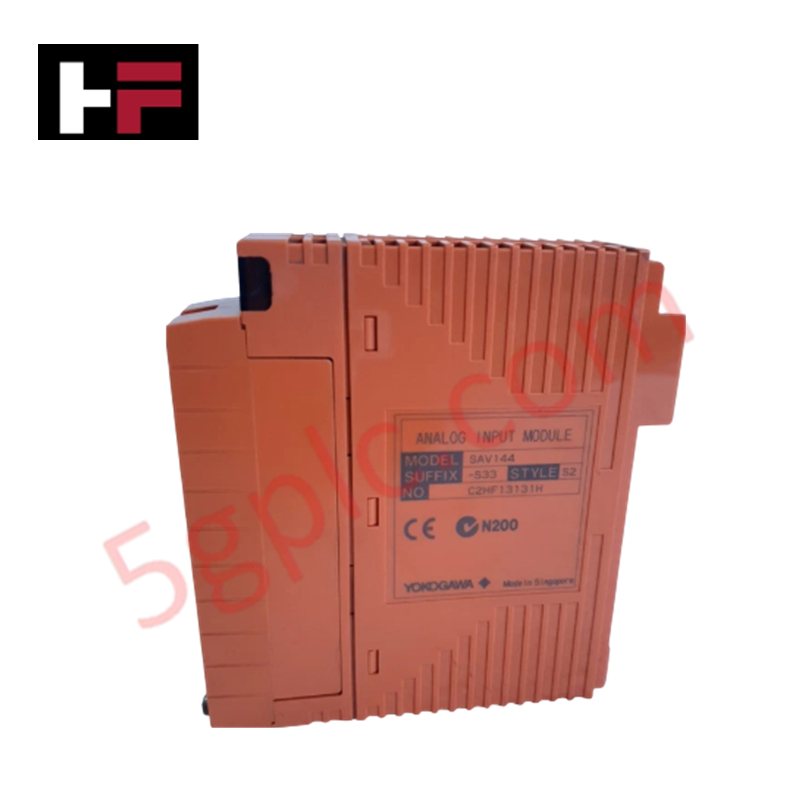
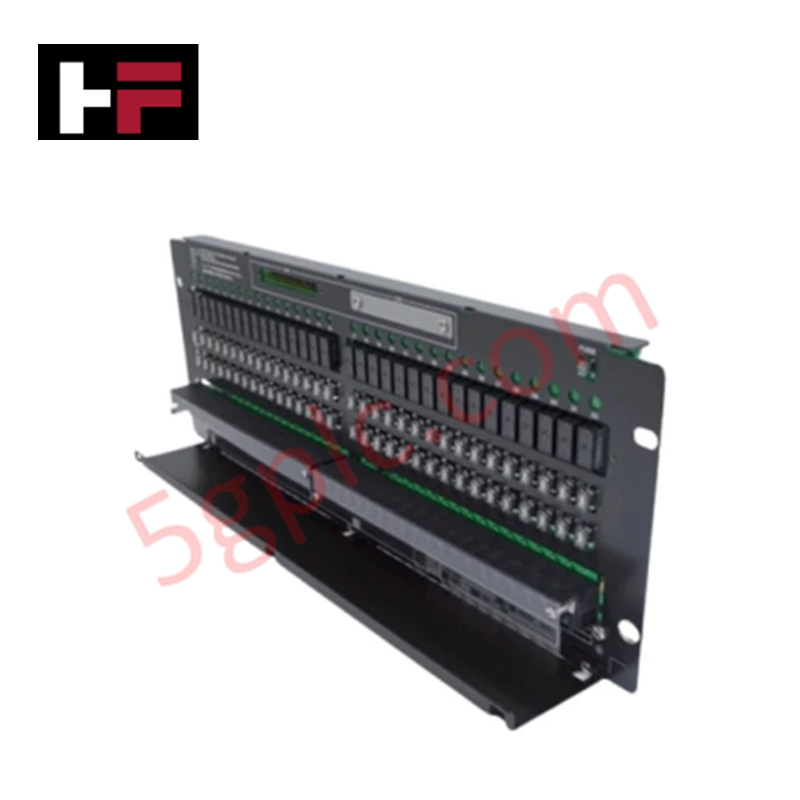
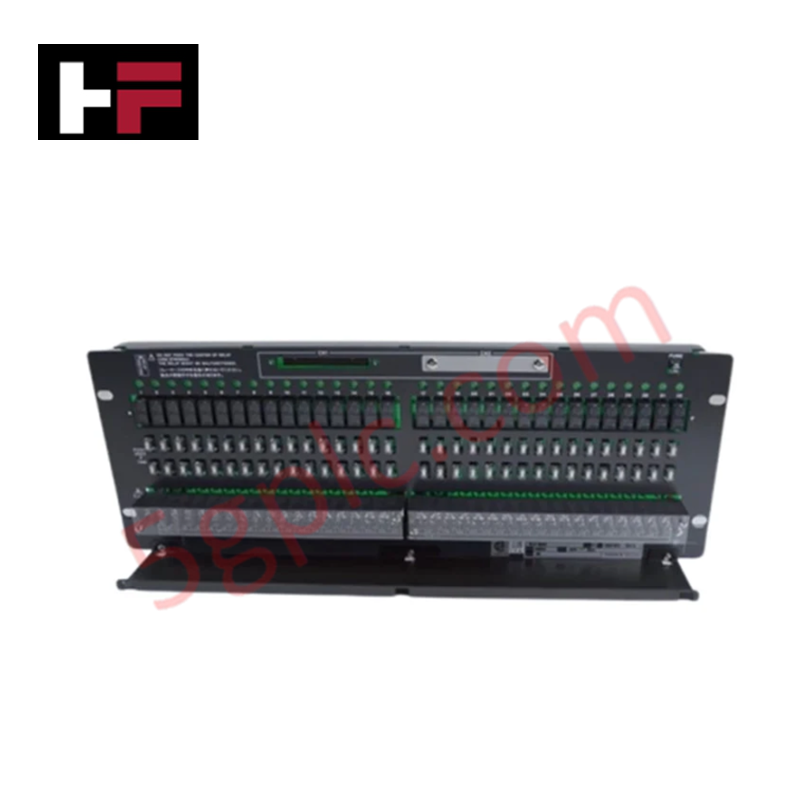
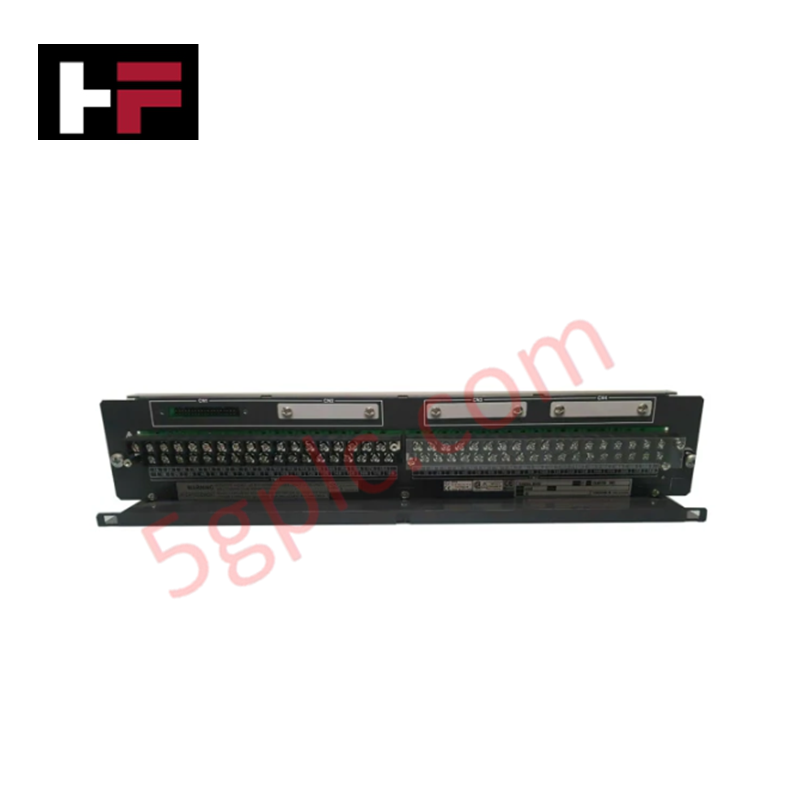
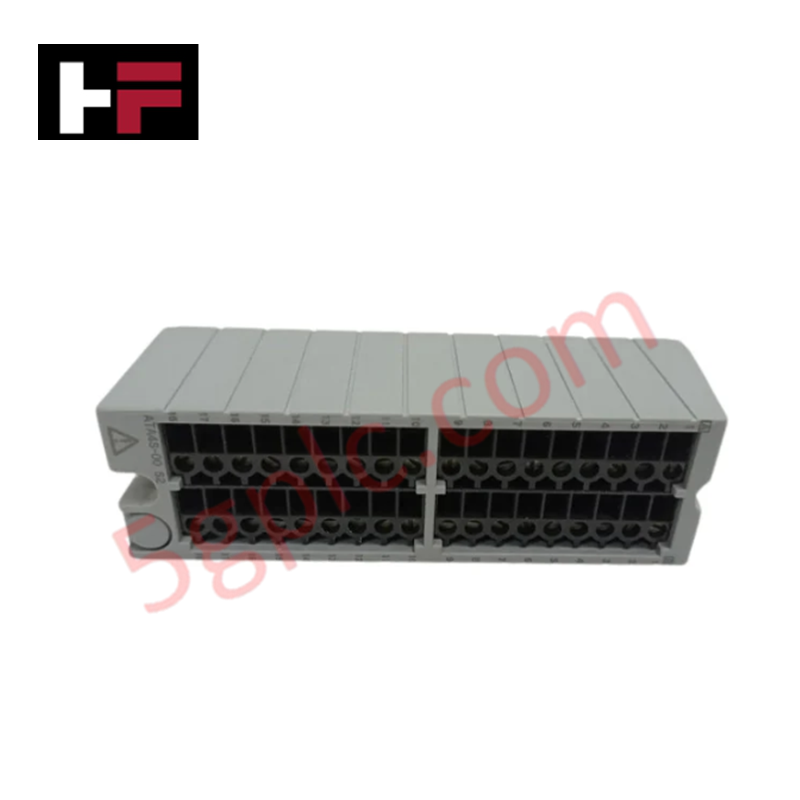
The Yokogawa AAM11B serves as a high-precision analog input interface within industrial automation architectures. This module processes standard DC current and voltage signals, converting field data into actionable digital insights for the controller. It integrates a dedicated 24 V DC power supply to energize two-wire transmitters, simplifying field wiring and reducing the need for external power hardware.
Technical Specifications
The AAM11B delivers reliable signal conditioning through the following verified parameters:
| Feature | Specification |
| Input Signal (Current) | 0 to 20 mA DC |
| Input Signal (Voltage) | 0 to 10 V DC |
| Input Resistance | 250 Ω (Current) / 1 MΩ (Voltage) |
| Communication | BRAIN Protocol (Configuration & Diagnostics) |
| Power Supply Output | 24 V DC (for Two-Wire Transmitters) |
| Accuracy | High-precision signal conversion |
| Condition | 100% Brand New and Original |
Engineering Advantages
-
Direct Field Device Management: The module utilizes the BRAIN protocol to establish digital communication with smart field devices. This allows engineers to perform remote configuration, real-time monitoring, and advanced diagnostics without physical access to the transmitter.
-
Integrated Loop Power: By providing an internal 24 V DC supply, the AAM11B eliminates the complexity of external power distribution blocks. This design reduces cabinet footprint and minimizes potential points of failure in the wiring loop.
-
Superior Signal Integrity: High input resistance (1 MΩ for voltage) ensures minimal circuit loading, while robust isolation protects the system against ground loops and common-mode noise.
-
Reliable Data Transmission: The high-accuracy conversion circuitry ensures that the control system receives a true representation of field conditions, critical for high-stakes process industries.
FAQs
-
Does this AAM11B unit come with a warranty and original packaging?
Yes. We supply this module as 100% Brand New and Original. It arrives in the manufacturer’s authentic packaging and includes our standard industrial warranty to ensure long-term performance.
-
How does the BRAIN communication benefit my existing setup?
The AAM11B uses BRAIN protocol to overlay a digital signal onto the analog loop. This enables you to check device health and adjust transmitter parameters directly from the control station, significantly reducing maintenance downtime.
-
Can the AAM11B handle both current and voltage simultaneously on the same channel?
The module supports both 0-20 mA and 0-10 V signals; however, you must configure the specific input type to match the field device requirements to ensure the correct input resistance (250 Ω vs. 1 MΩ) applies.
-
Is this module compatible with older CENTUM systems?
The AAM11B maintains compatibility with standard Yokogawa analog input requirements. We recommend verifying your specific system's I/O nest and firmware version to ensure seamless hardware integration.
Additional Information
- 100% Genuine Parts: All products are original and authentic, ensuring reliable industrial performance.
- 30-Day Refund Guarantee: Return any in-stock item within 30 days in original, unopened packaging for a full refund (excluding shipping and fees).
- 12-Month Warranty: Covers defects in materials or workmanship; excludes misuse, normal wear, or unauthorized modifications.
- Worldwide Shipping: We ship via USPS, UPS, FedEx, and DHL. Delivery times vary by country and may be subject to customs or import fees.
- Support & Contact: Technical and warranty assistance is available anytime. Contact us here: Contact.
- Purchase Guidance: Check product specifications and compatibility carefully before ordering to ensure proper application.
Tech & Buying Guide

Essential Motion Control Commands: A Practical Guide for Engineers
Automation engineers often rely on precise position and speed control to drive modern factory machinery. Modern industrial systems, such as Programmable Logic Controllers (PLCs) and Distributed Control Systems (DCS), depend heavily on standardized motion instructions. Mastering these commands ensures operational safety, protects mechanical components, and optimizes cycle times across production lines.
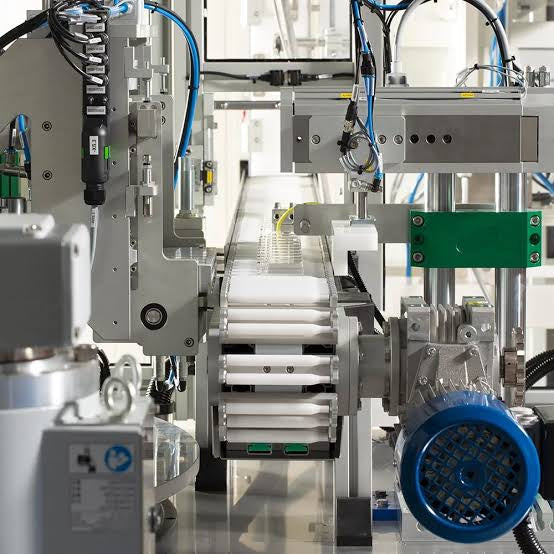
Mastering Modern Industrial Joystick Controls in Heavy Automation
Industrial joysticks play a pivotal role in human-machine interaction across heavy material handling and mobile hydraulics. These tactile controllers translate complex operator movements into precise electrical signals for PLCs, motion controllers, and DCS networks. Consequently, selecting and installing the right joystick architecture ensures operator safety, reduces fatigue, and optimizes equipment performance.

Navigating Industrial Automation Failures: Types, Causes, and Mitigation Strategies
Modern manufacturing relies heavily on automated control systems to maximize throughput and maintain product quality. However, unplanned downtime in industrial automation can cost facility operators thousands of dollars per hour. Understanding how programmable logic controllers (PLCs), distributed control systems (DCS), and field instrumentation fail empowers engineering teams to implement robust preventive maintenance strategies.