










Product Details
Product Overview
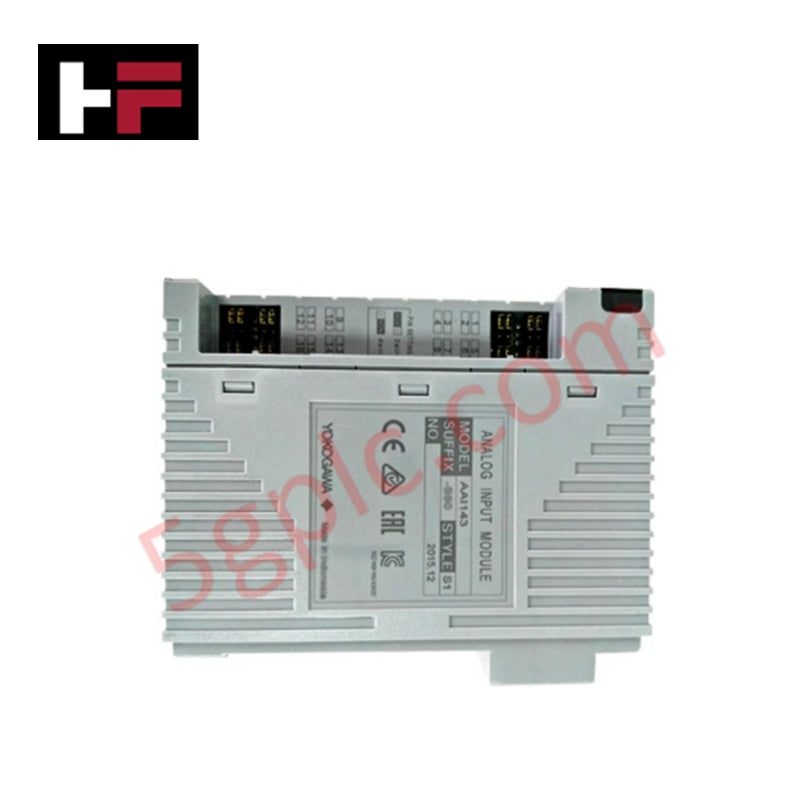
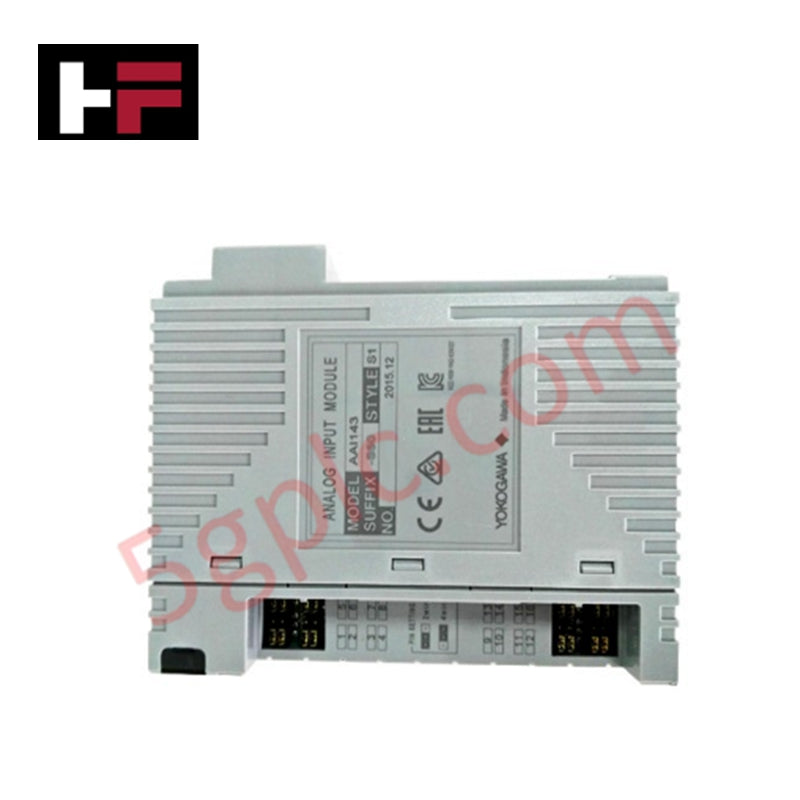
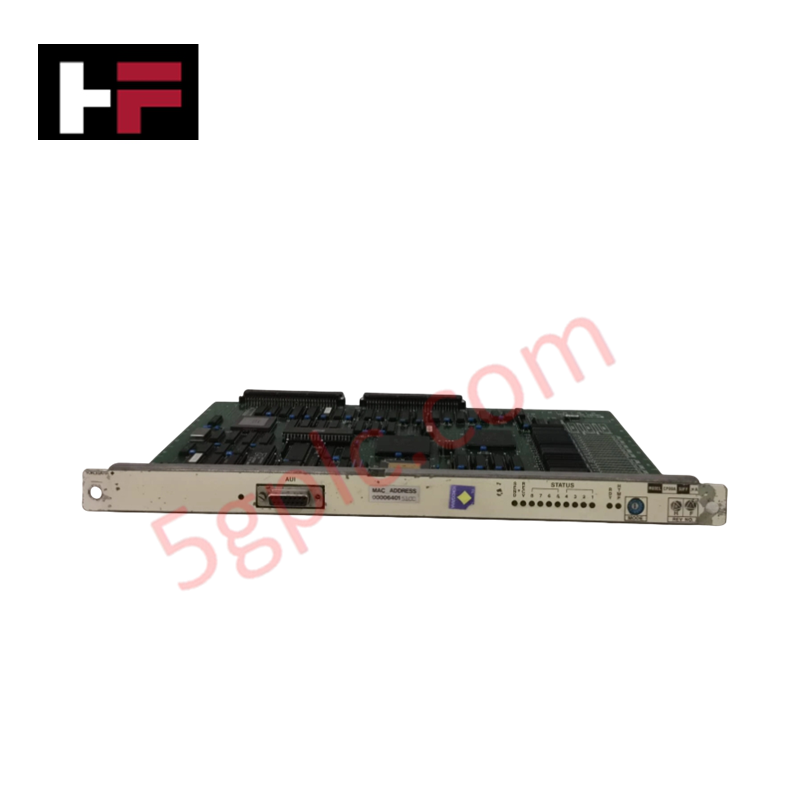
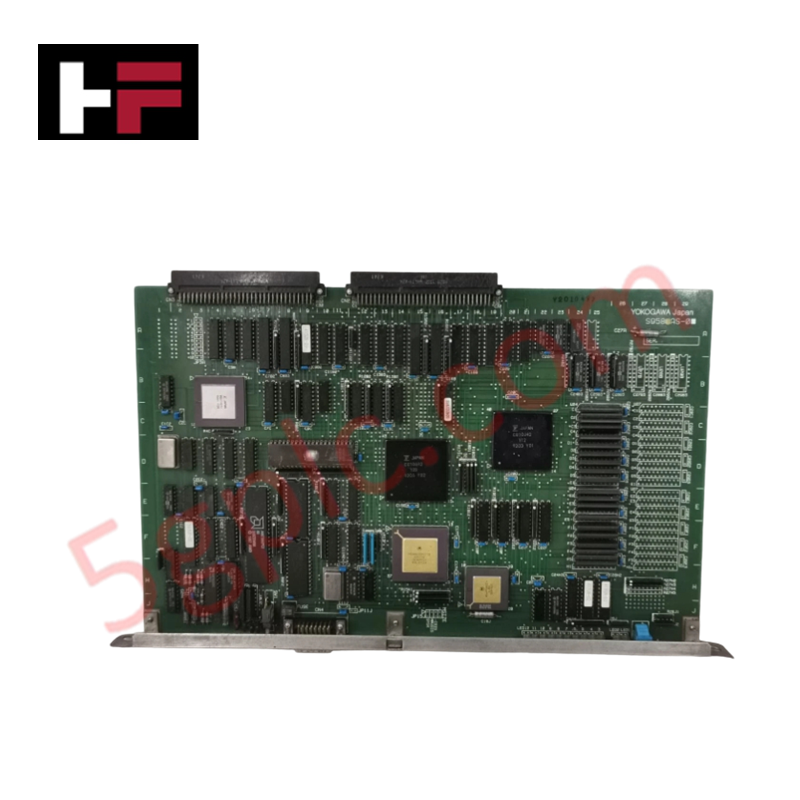
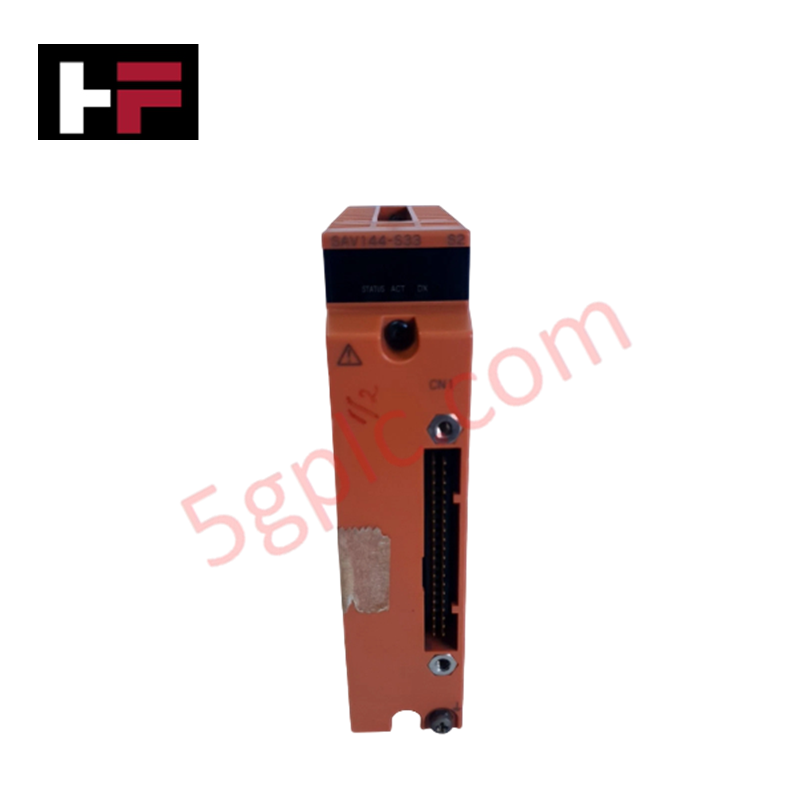
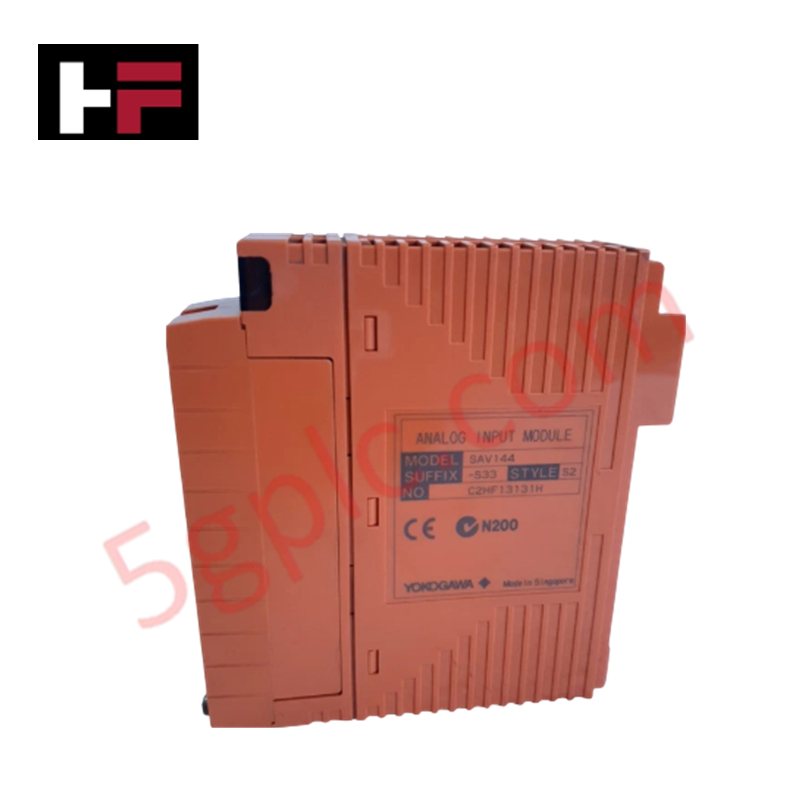
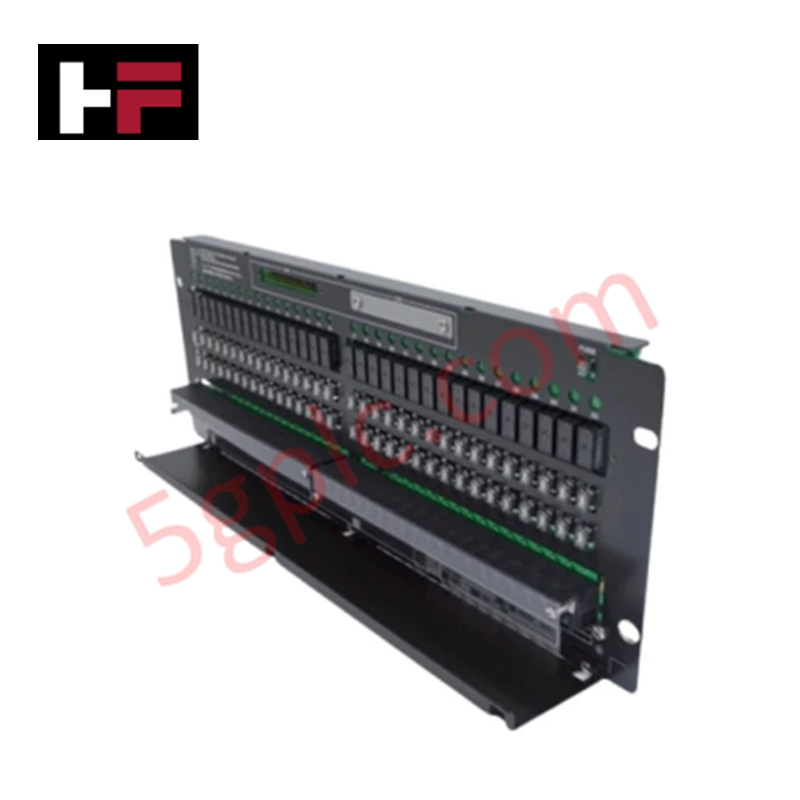
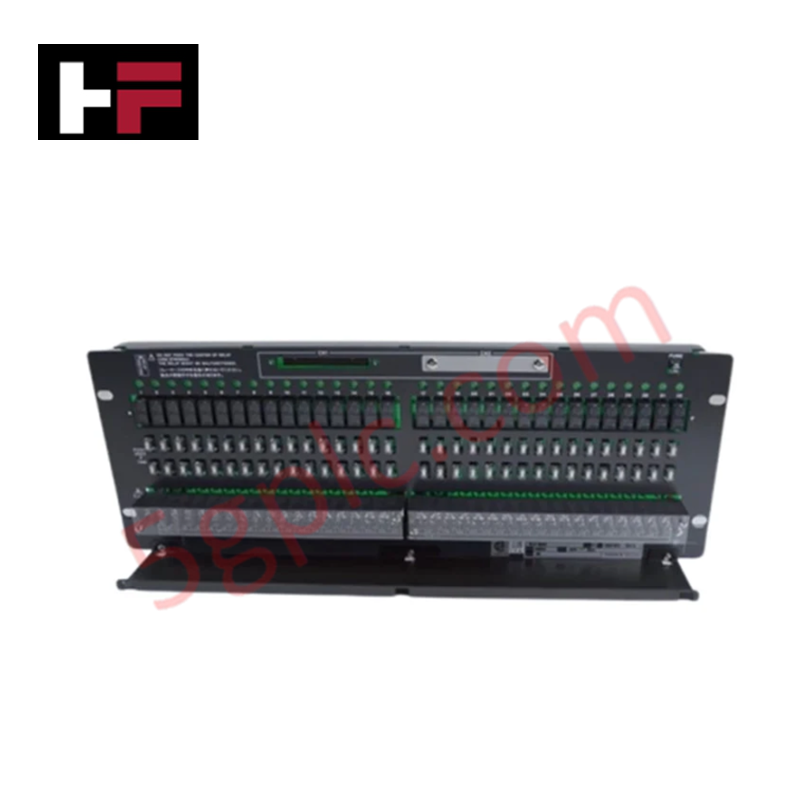
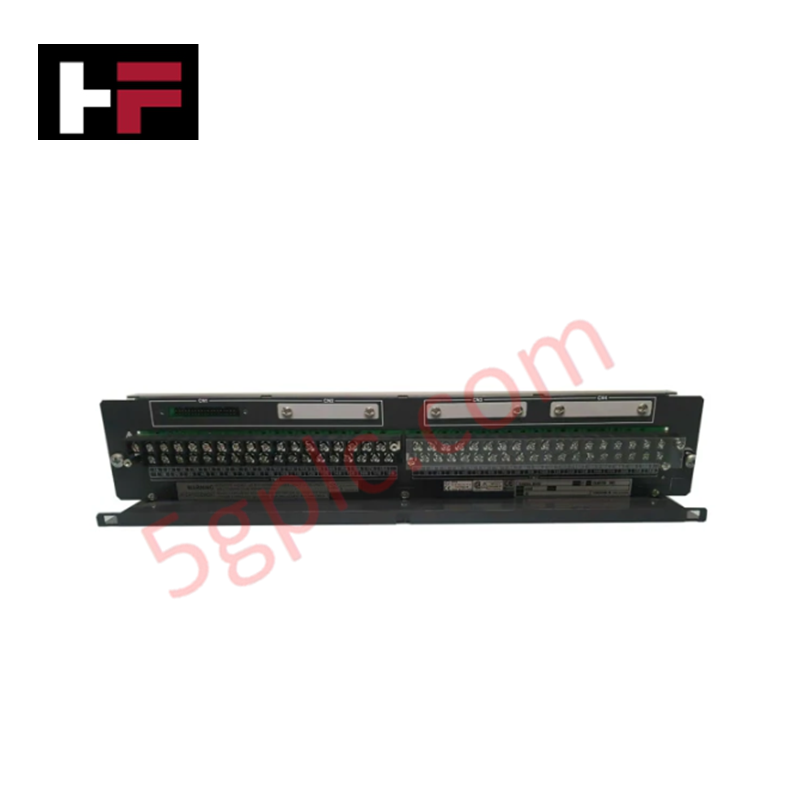
The Yokogawa AAI143-H50/A4S10 acts as a high-density, high-speed interface for 16-channel analog signal acquisition within the CENTUM VP and CS 3000 Distributed Control Systems (DCS). This module converts 4 to 20 mA DC signals from field instruments into precise digital data for the control stations. By providing individual channel isolation, it ensures that field-side electrical disturbances do not compromise the integrity of the central processing environment.
Part Number Breakdown: AAI143-H50/A4S10
Yokogawa hardware follows a modular suffix system to define environmental and physical configurations:
-
AAI143: Base model for Isolated Analog Input (4 to 20 mA, 16-channel).
-
-H: High-speed type (Optimized for faster sampling rates compared to the -S series).
-
5: Standard type for non-explosion protected areas.
-
0: Basic functional type without specialized software requirements.
-
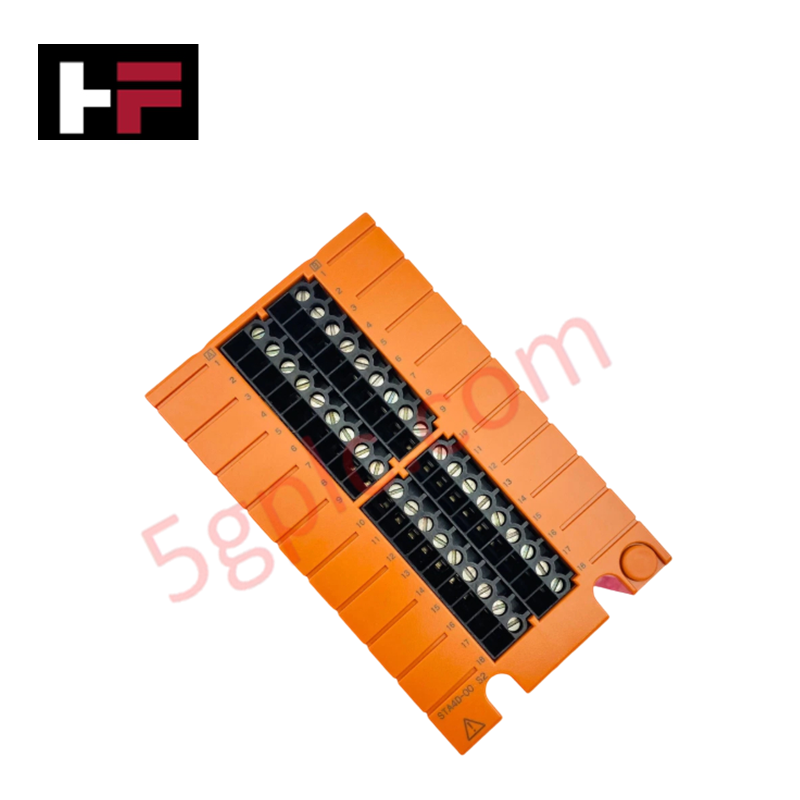
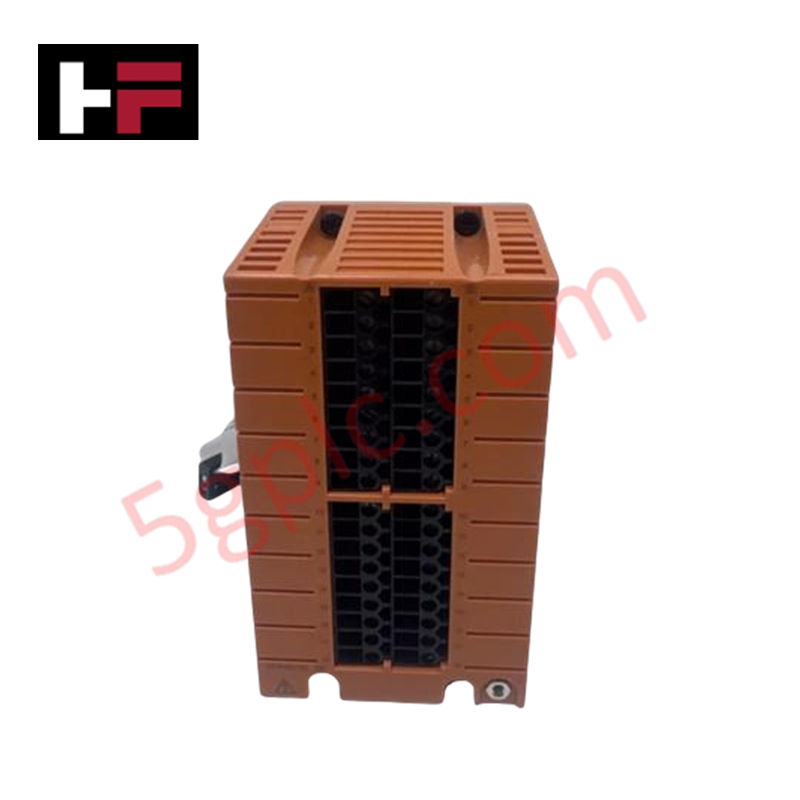
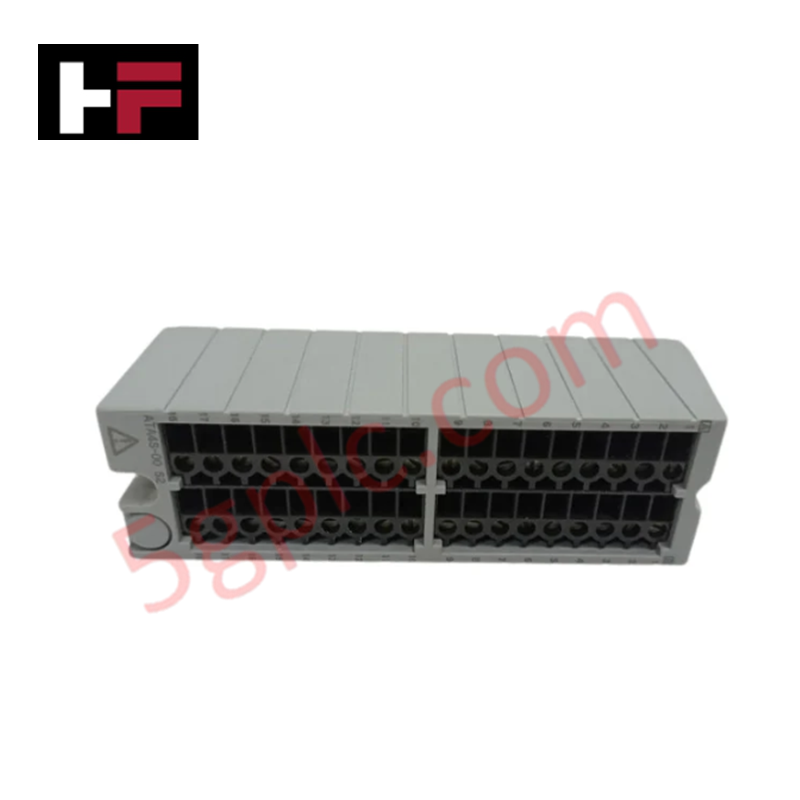
/A4S10: Equipped with the Pressure Clamp Terminal Block, facilitating rapid and secure field wiring.
Technical Specifications
We supply every unit in 100% brand new, original factory condition with complete traceability.
| Feature | Specification |
| Number of Channels | 16-channel, isolated |
| Input Signal | 4 to 20 mA DC |
| Withstanding Voltage | 500 V AC (Input to System) |
| Sampling Period | High-speed processing enabled |
| Terminal Block Type | A4S10 Pressure Clamp |
| Module Weight | Approx. 0.40 kg (with terminal block) |
Engineering Advantages
-
Noise Suppression & Isolation: The AAI143-H50 utilizes advanced galvanometric isolation for all 16 channels. This design prevents ground loops and mitigates the impact of electromagnetic interference (EMI) often found in motor control centers and heavy industrial environments.
-
Tool-Free Field Wiring: The /A4S10 pressure clamp terminal block removes the complexity of traditional screw terminals. Technicians insert stripped wires directly into the clamp, ensuring a vibration-proof connection that resists loosening over time.
-
Thermal Efficiency: The module's low power consumption circuit design minimizes heat generation within the I/O rack. This allows for higher packing density in control cabinets without requiring additional cooling infrastructure.
-
Hot-Swap Capability: Support for online module replacement allows for maintenance and upgrades without shutting down the entire process station, maintaining 99.9999% availability for critical loops.
FAQs
-
How does the AAI143-H50 differ from the AAI143-S50?
The "H" designation indicates high-speed sampling. Use the AAI143-H50 for loops requiring faster response times, such as turbine control or high-speed pressure monitoring, where the standard "S" type sampling rate may be insufficient.
-
Can I use the A4S10 terminal block with other AAI series modules?
The A4S10 is specifically designed for 16-channel analog modules. While physically compatible with several AAI models, always verify the pin-out alignment in the Yokogawa hardware manual before cross-installing.
-
Does this module support dual-redundant configurations?
Yes. When installed in a redundant-capable I/O nest, two AAI143-H50 modules work in parallel to provide seamless failover protection if one module encounters a hardware fault.
-
Is external power required for the 4-20 mA loop?
The AAI143-H50 is a non-isolated-from-power type (sink). You must provide loop power from an external 24 V DC source for 2-wire transmitters, or use 4-wire transmitters that provide their own signal power.
Additional Information
- 100% Genuine Parts: All products are original and authentic, ensuring reliable industrial performance.
- 30-Day Refund Guarantee: Return any in-stock item within 30 days in original, unopened packaging for a full refund (excluding shipping and fees).
- 12-Month Warranty: Covers defects in materials or workmanship; excludes misuse, normal wear, or unauthorized modifications.
- Worldwide Shipping: We ship via USPS, UPS, FedEx, and DHL. Delivery times vary by country and may be subject to customs or import fees.
- Support & Contact: Technical and warranty assistance is available anytime. Contact us here: Contact.
- Purchase Guidance: Check product specifications and compatibility carefully before ordering to ensure proper application.
Tech & Buying Guide

Essential Motion Control Commands: A Practical Guide for Engineers
Automation engineers often rely on precise position and speed control to drive modern factory machinery. Modern industrial systems, such as Programmable Logic Controllers (PLCs) and Distributed Control Systems (DCS), depend heavily on standardized motion instructions. Mastering these commands ensures operational safety, protects mechanical components, and optimizes cycle times across production lines.
Mastering Modern Industrial Joystick Controls in Heavy Automation
Industrial joysticks play a pivotal role in human-machine interaction across heavy material handling and mobile hydraulics. These tactile controllers translate complex operator movements into precise electrical signals for PLCs, motion controllers, and DCS networks. Consequently, selecting and installing the right joystick architecture ensures operator safety, reduces fatigue, and optimizes equipment performance.

Navigating Industrial Automation Failures: Types, Causes, and Mitigation Strategies
Modern manufacturing relies heavily on automated control systems to maximize throughput and maintain product quality. However, unplanned downtime in industrial automation can cost facility operators thousands of dollars per hour. Understanding how programmable logic controllers (PLCs), distributed control systems (DCS), and field instrumentation fail empowers engineering teams to implement robust preventive maintenance strategies.