










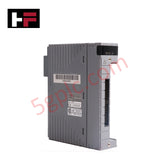
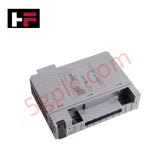
Product Details
Product Description
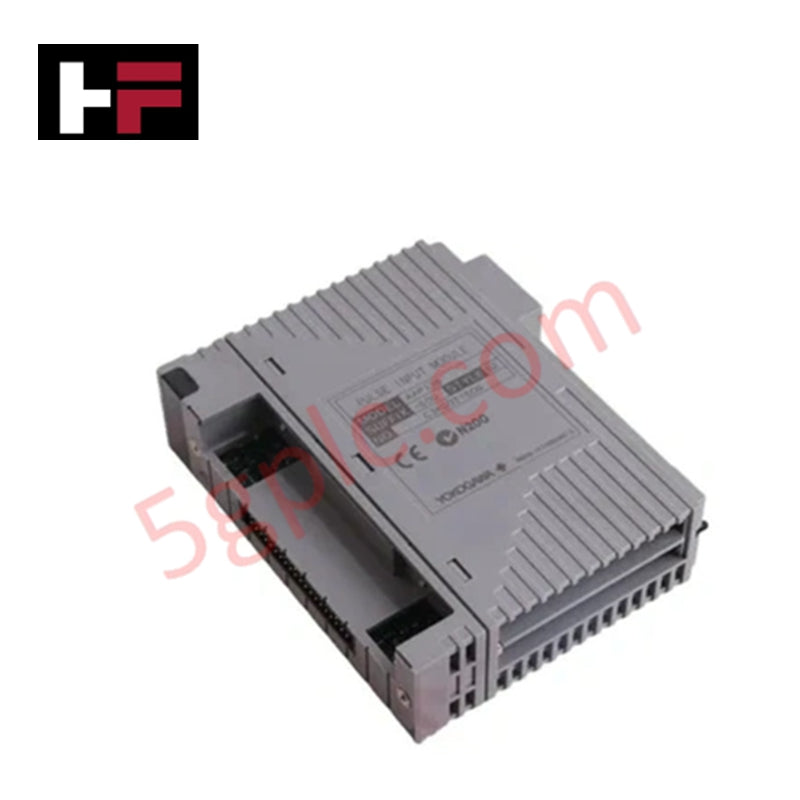
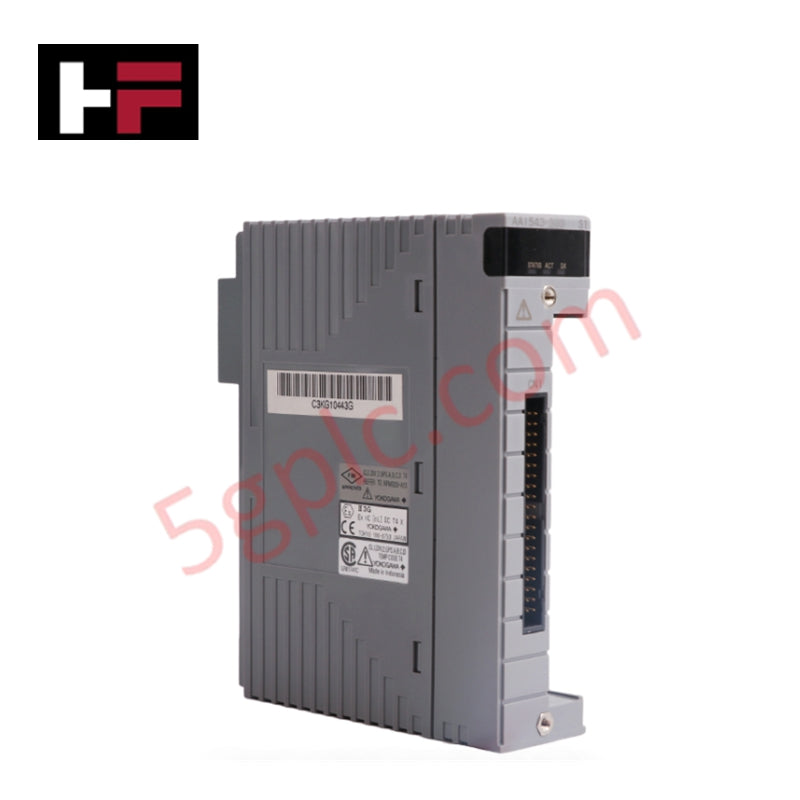
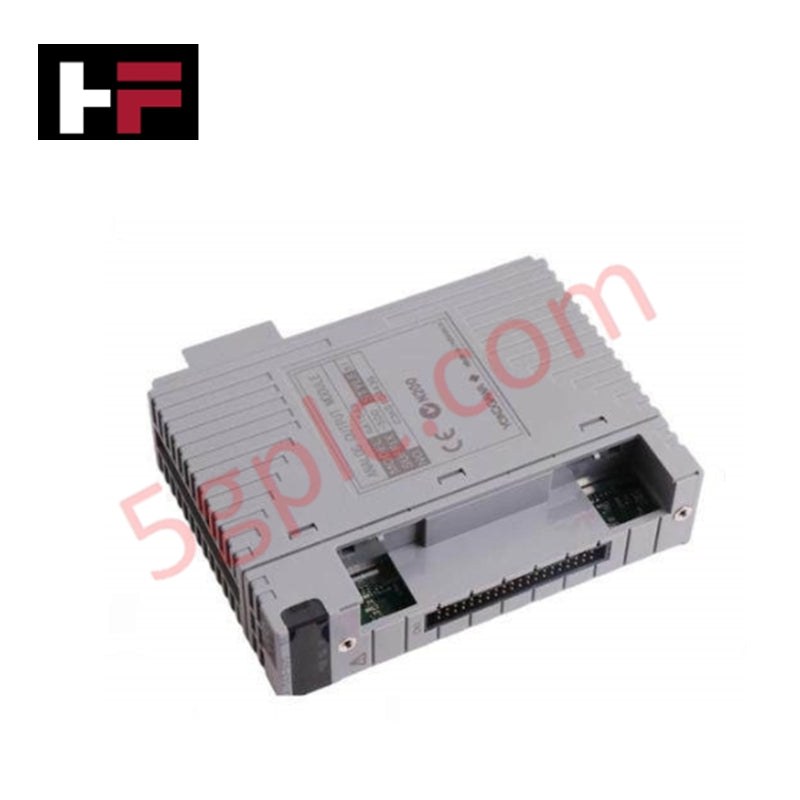
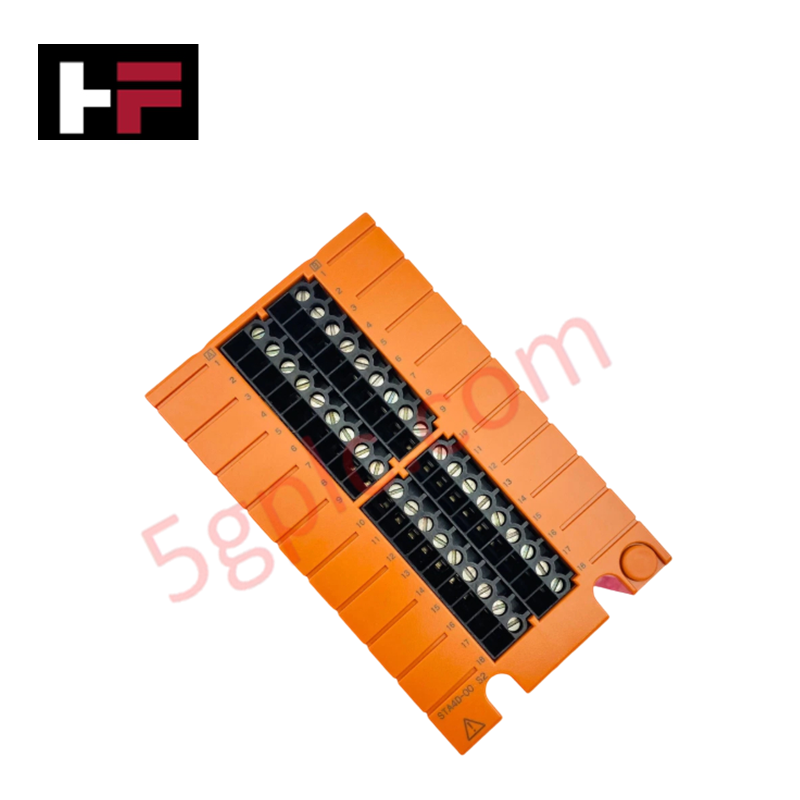
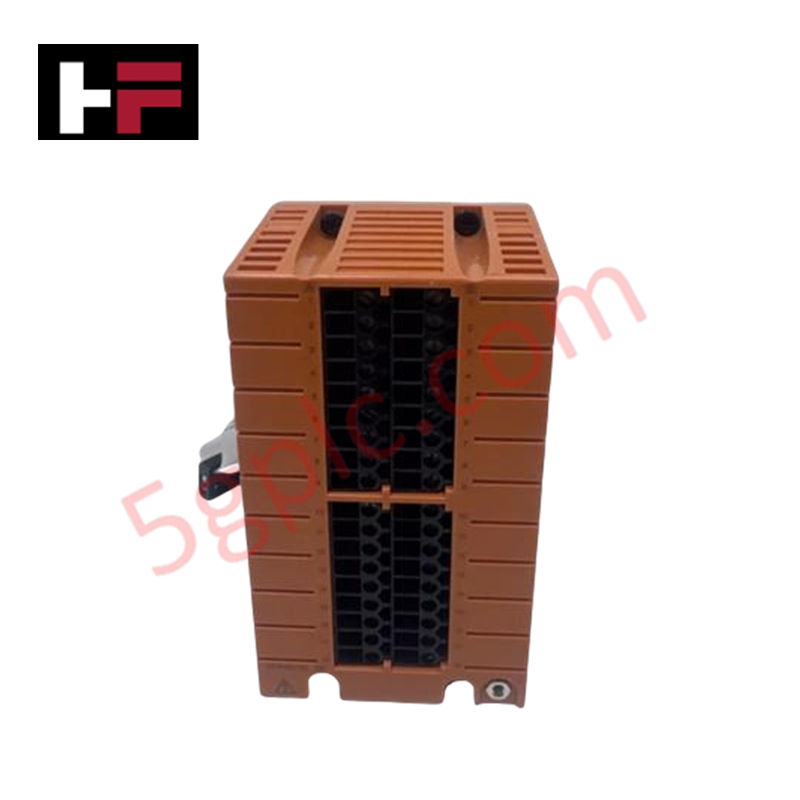
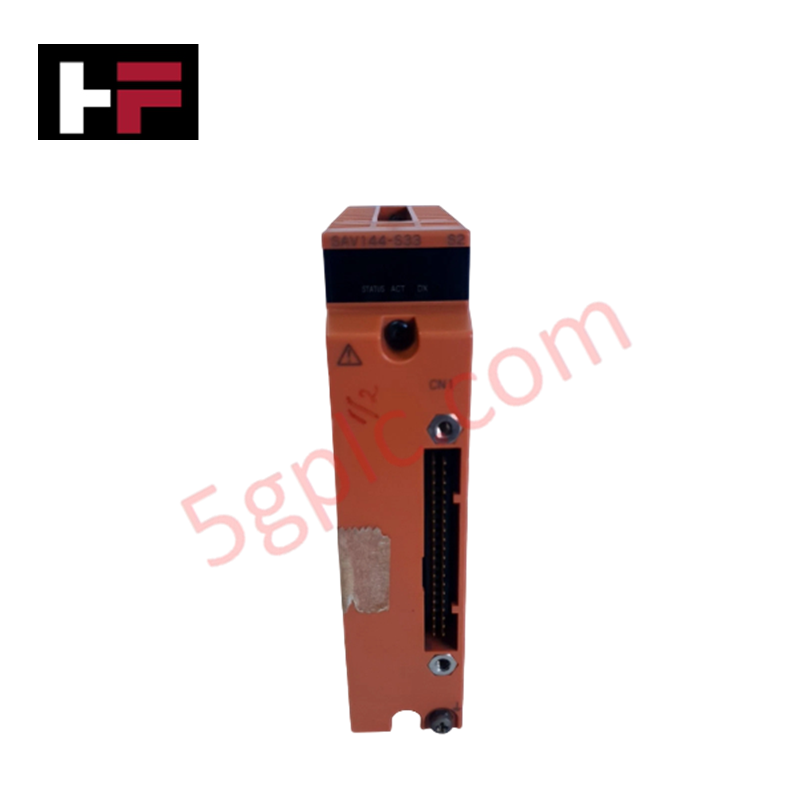
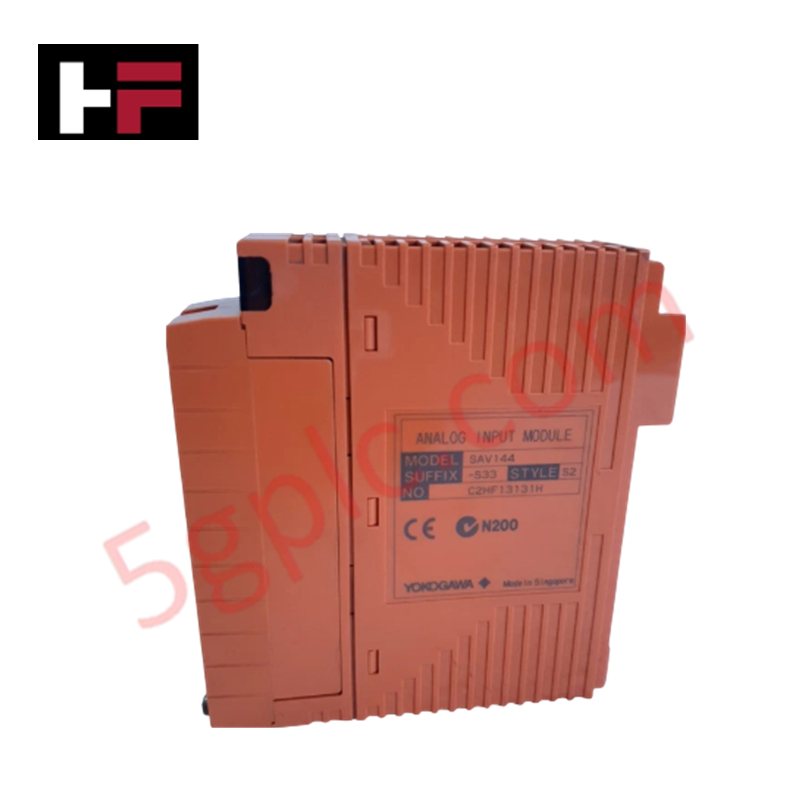
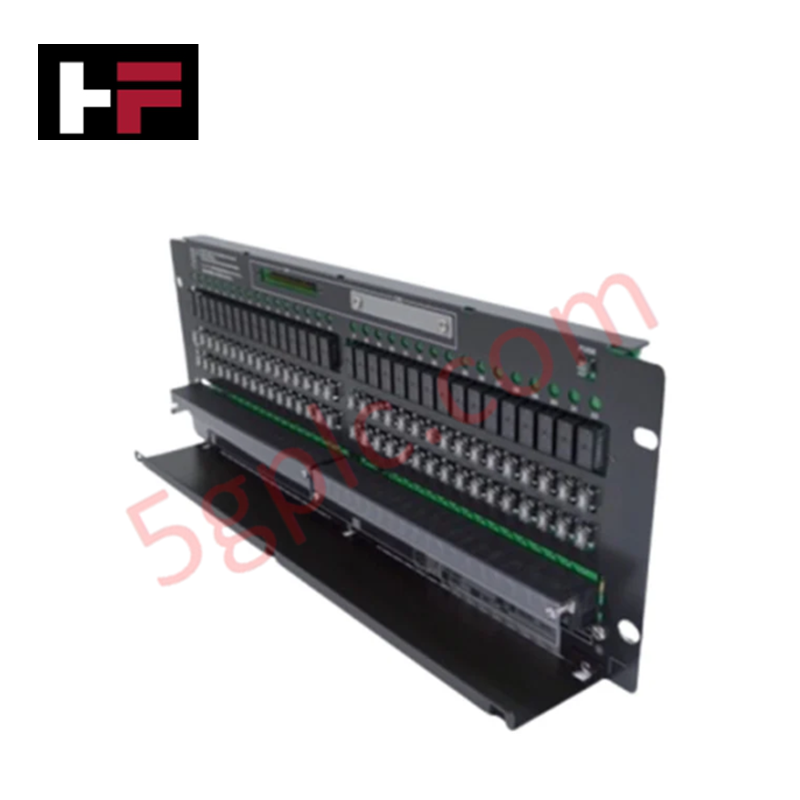
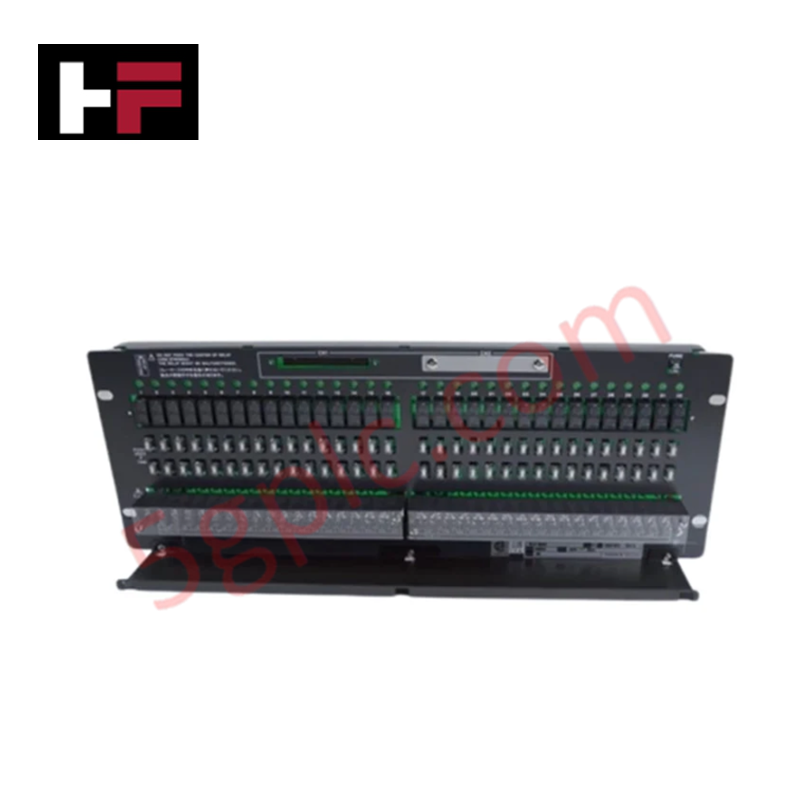
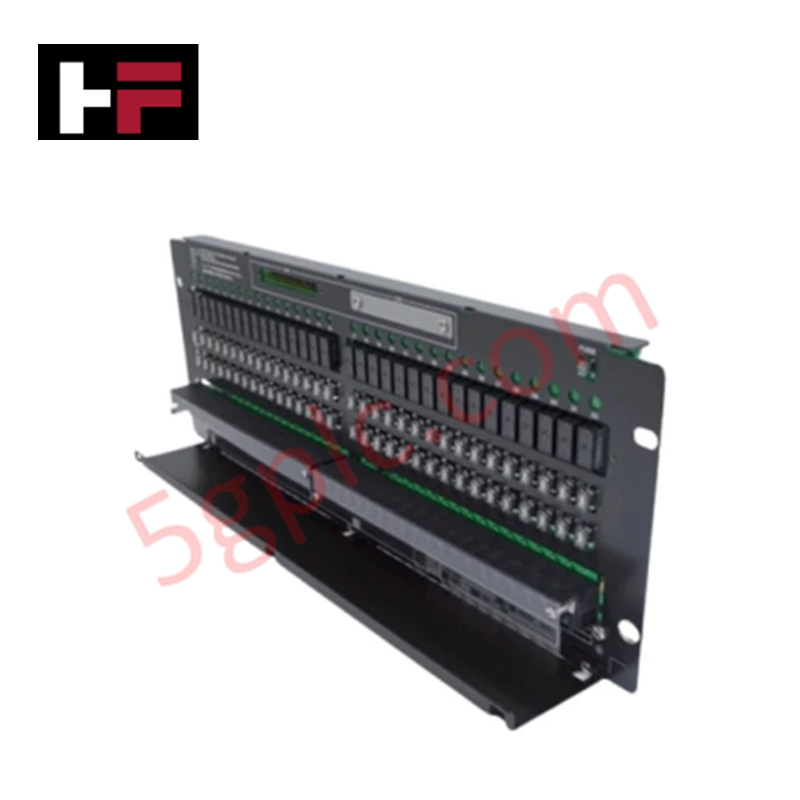
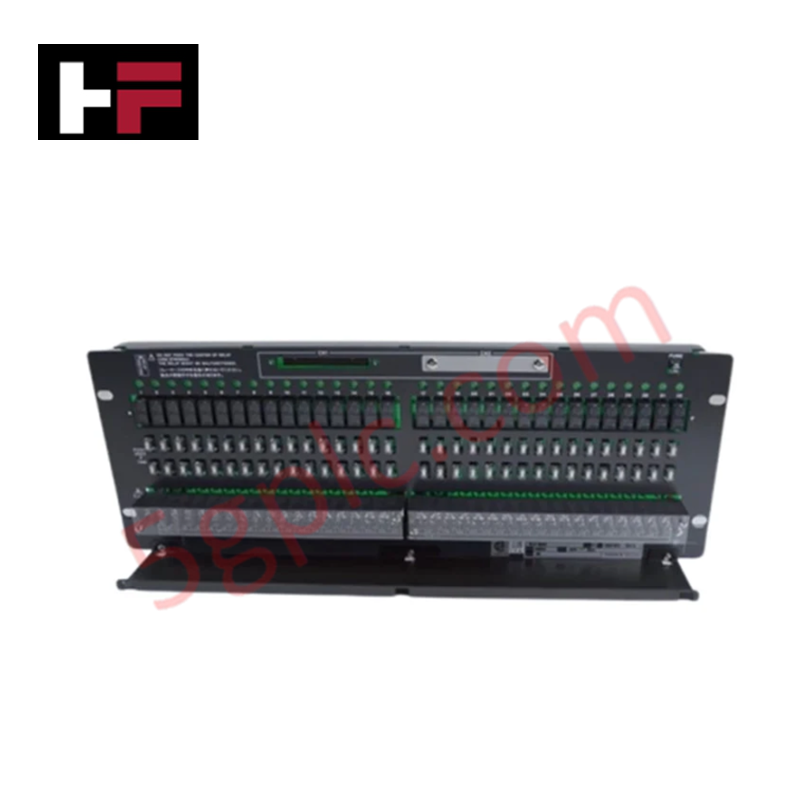
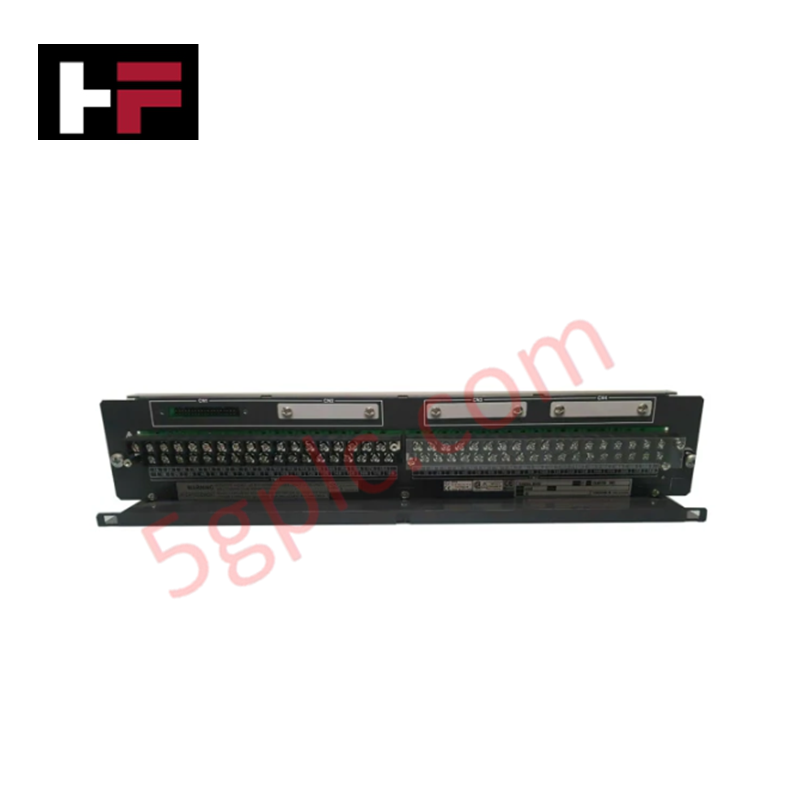
The AAI141-S50 analog input module from Yokogawa is part of the Field I/O (FIO) platform, designed for accurate current signal acquisition in industrial automation systems. Unlike isolated modules, the AAI141-S50 is a non-isolated unit, optimized for applications where isolation is not required but precision and reliability remain critical. With 16 input channels, this module supports 4–20 mA DC signals and integrates seamlessly into dual-redundant configurations, ensuring system stability and dependable performance.
Technical Specifications
-
Manufacturer: Yokogawa
-
Model Number: AAI141-S50
-
Type: Non-Isolated Analog Input Module
-
Channels: 16 analog input channels
-
Signal Range: 4–20 mA DC
-
Accuracy: ±0.1% of full scale
-
Resolution: 16-bit
-
Operating Temperature: -20°C to +70°C
-
Power Supply: 24 V DC
-
Redundancy: Dual-redundant configuration supported
-
Current Consumption:
-
310 mA (5 V DC)
-
450 mA (24 V DC)
-
Update Period: 10 ms
-
Step Response Time: 100 ms
-
Weight: 0.2 kg
Key Features
-
Non-Isolated Design: Simplifies installation where isolation is not required
-
High Resolution: 16-bit conversion for precise signal measurement
-
Compact and Lightweight: At 0.2 kg, easy to install and maintain
-
Dual-Redundancy Support: Ensures reliability in critical control systems
-
Energy Efficient: Low current consumption for stable operation
Application Scenarios
-
Oil and gas process monitoring
-
Chemical and pharmaceutical manufacturing
-
Power generation instrumentation
-
General industrial automation requiring non-isolated current input
FAQ
Q: How many channels does the AAI141-S50 provide? A: It supports 16 non-isolated analog input channels.
Q: What type of signals can this module measure? A: It is designed for 4–20 mA DC current signals.
Q: Is redundancy supported? A: Yes, the module supports dual-redundant configurations for increased reliability.
Comparison with Similar Models
-
AAI143-S50: Isolated analog input module with HART support
-
AAI141-S50: Non-isolated version, optimized for simpler installations
Additional Information
- 100% Genuine Parts: All products are original and authentic, ensuring reliable industrial performance.
- 30-Day Refund Guarantee: Return any in-stock item within 30 days in original, unopened packaging for a full refund (excluding shipping and fees).
- 12-Month Warranty: Covers defects in materials or workmanship; excludes misuse, normal wear, or unauthorized modifications.
- Worldwide Shipping: We ship via USPS, UPS, FedEx, and DHL. Delivery times vary by country and may be subject to customs or import fees.
- Support & Contact: Technical and warranty assistance is available anytime. Contact us here: Contact.
- Purchase Guidance: Check product specifications and compatibility carefully before ordering to ensure proper application.
Tech & Buying Guide

Essential Motion Control Commands: A Practical Guide for Engineers
Automation engineers often rely on precise position and speed control to drive modern factory machinery. Modern industrial systems, such as Programmable Logic Controllers (PLCs) and Distributed Control Systems (DCS), depend heavily on standardized motion instructions. Mastering these commands ensures operational safety, protects mechanical components, and optimizes cycle times across production lines.
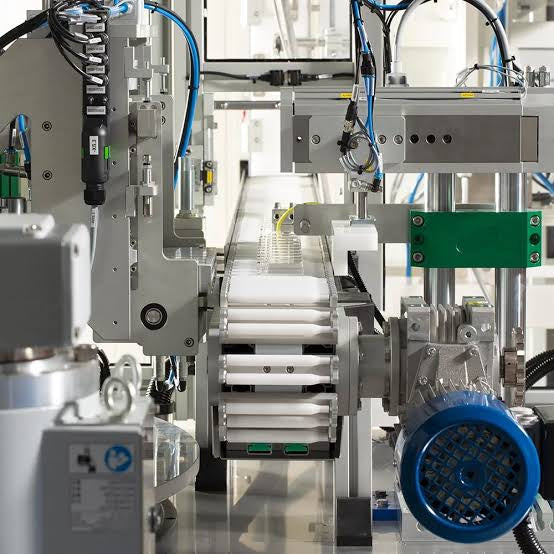
Mastering Modern Industrial Joystick Controls in Heavy Automation
Industrial joysticks play a pivotal role in human-machine interaction across heavy material handling and mobile hydraulics. These tactile controllers translate complex operator movements into precise electrical signals for PLCs, motion controllers, and DCS networks. Consequently, selecting and installing the right joystick architecture ensures operator safety, reduces fatigue, and optimizes equipment performance.
Navigating Industrial Automation Failures: Types, Causes, and Mitigation Strategies
Modern manufacturing relies heavily on automated control systems to maximize throughput and maintain product quality. However, unplanned downtime in industrial automation can cost facility operators thousands of dollars per hour. Understanding how programmable logic controllers (PLCs), distributed control systems (DCS), and field instrumentation fail empowers engineering teams to implement robust preventive maintenance strategies.