












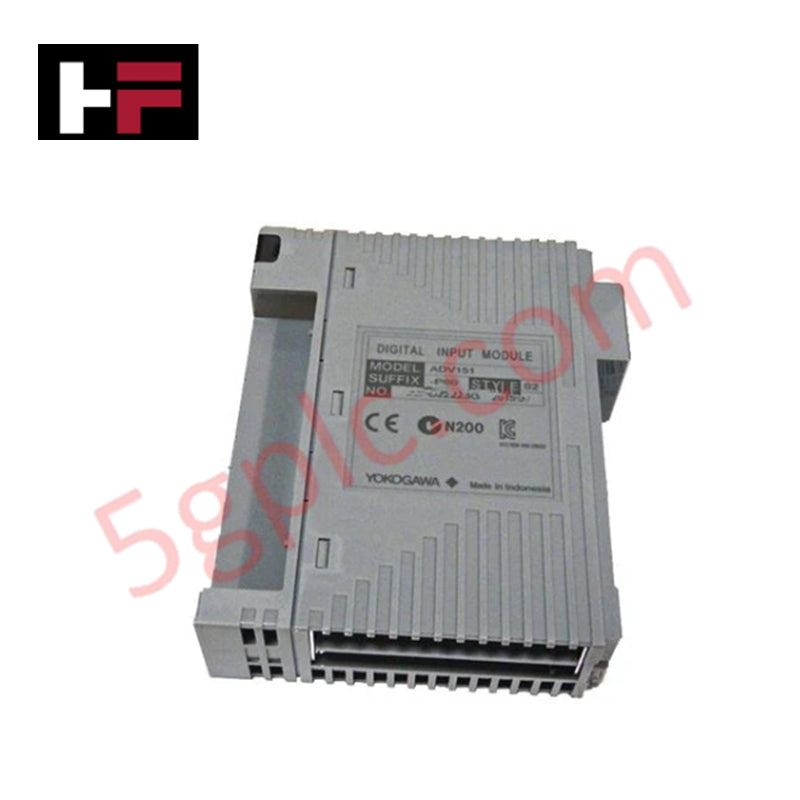
Product Details
Product Overview
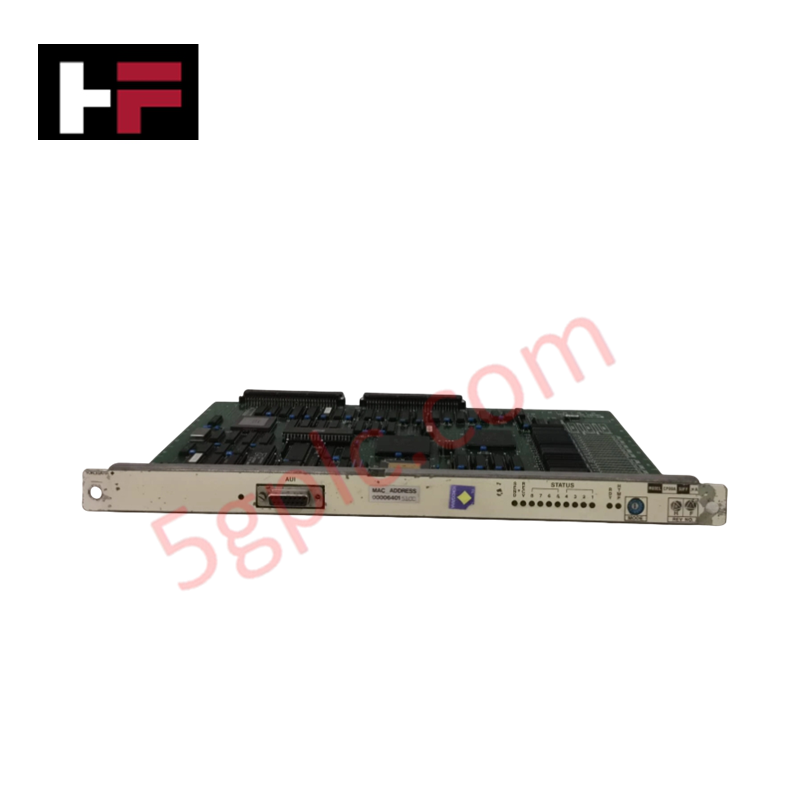
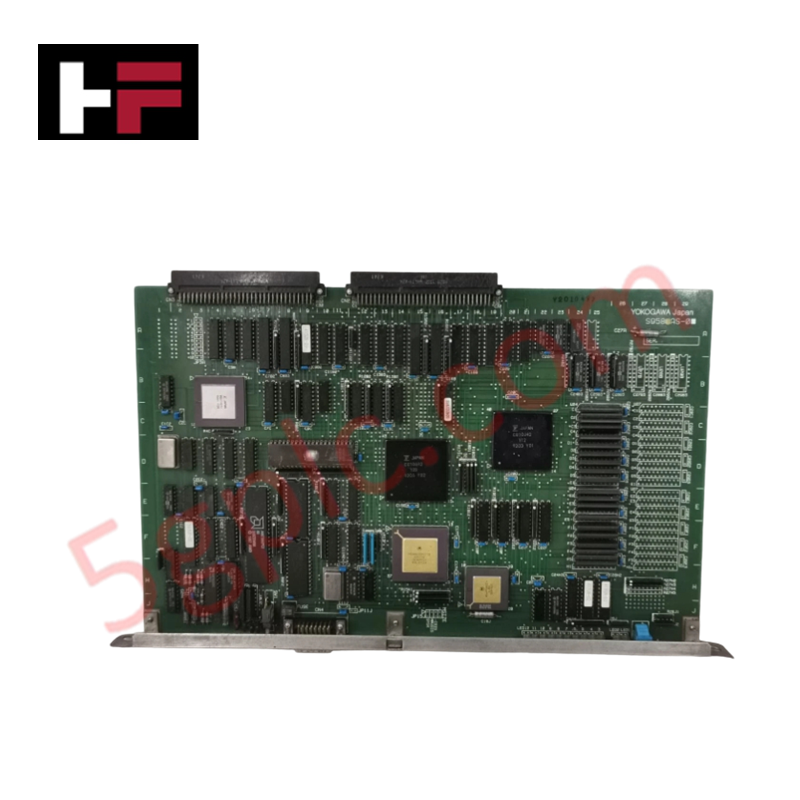
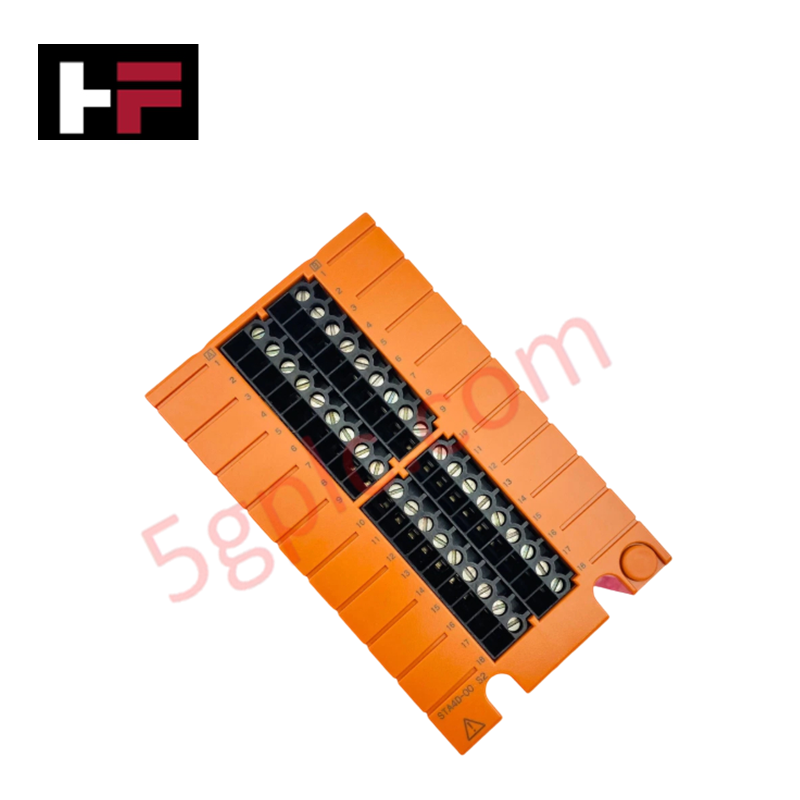
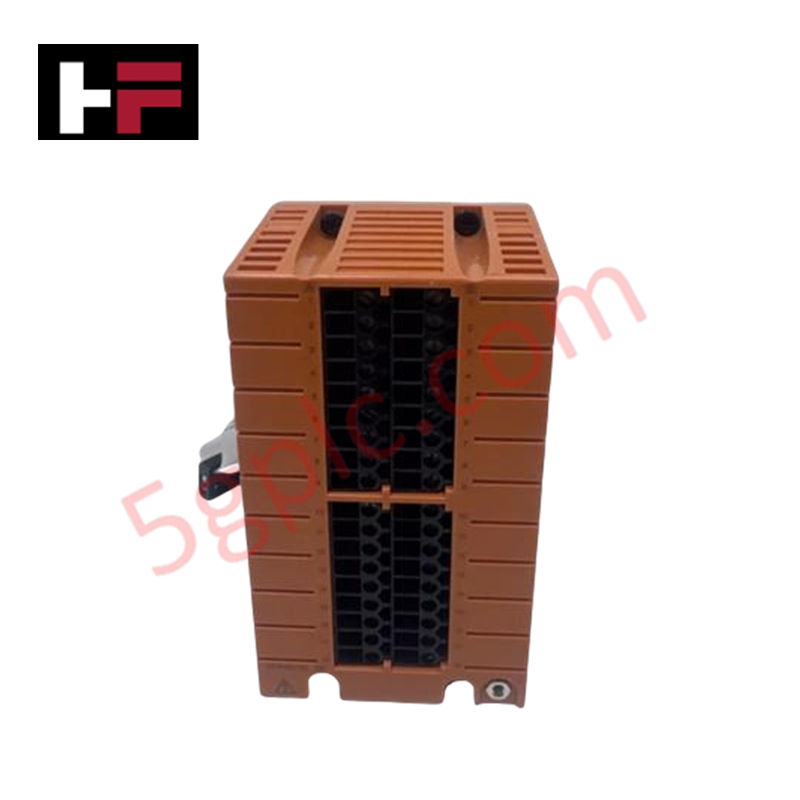
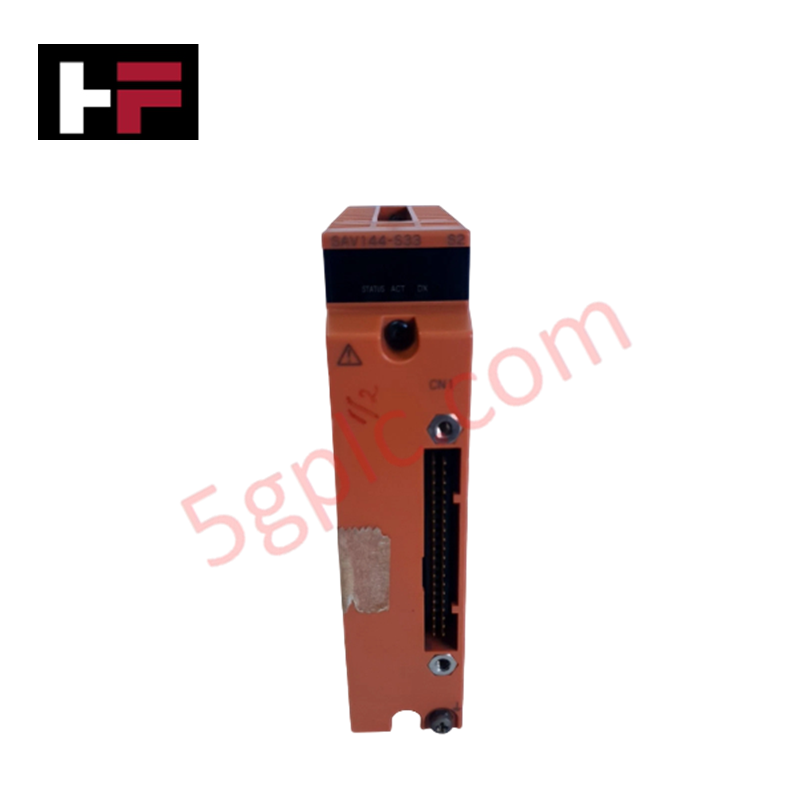
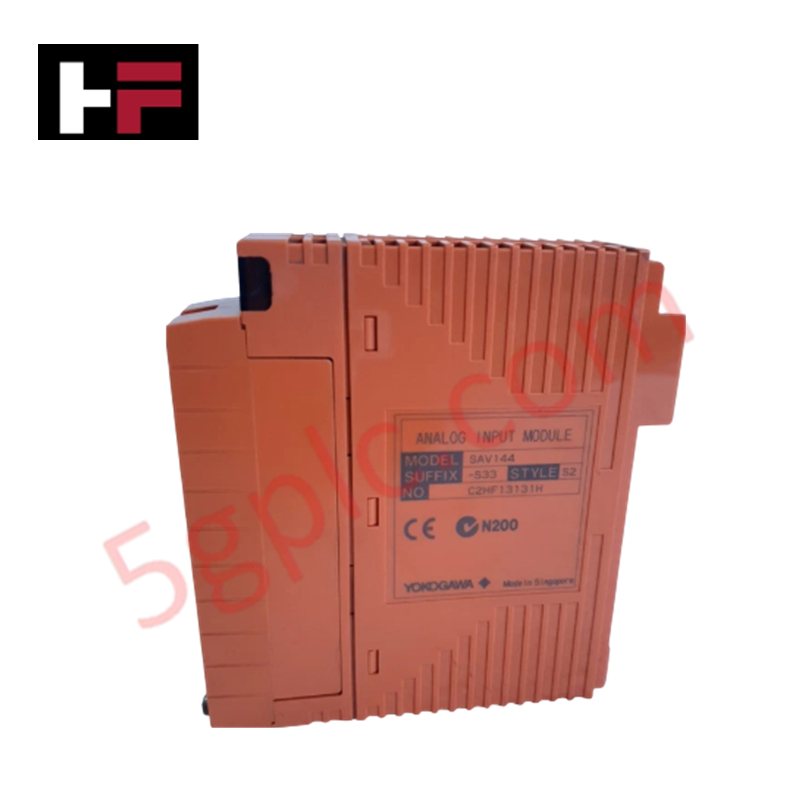
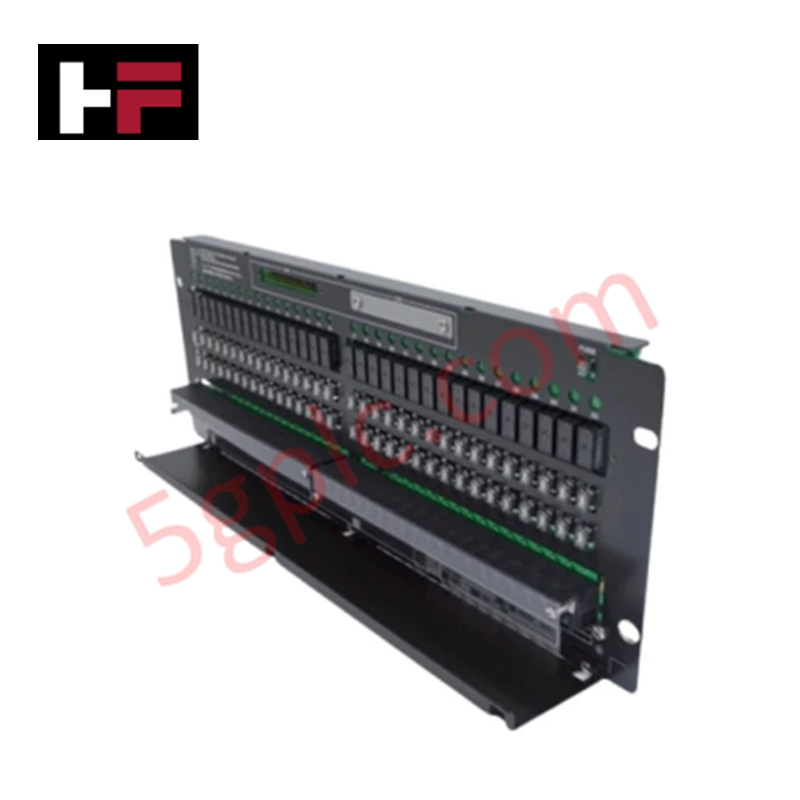
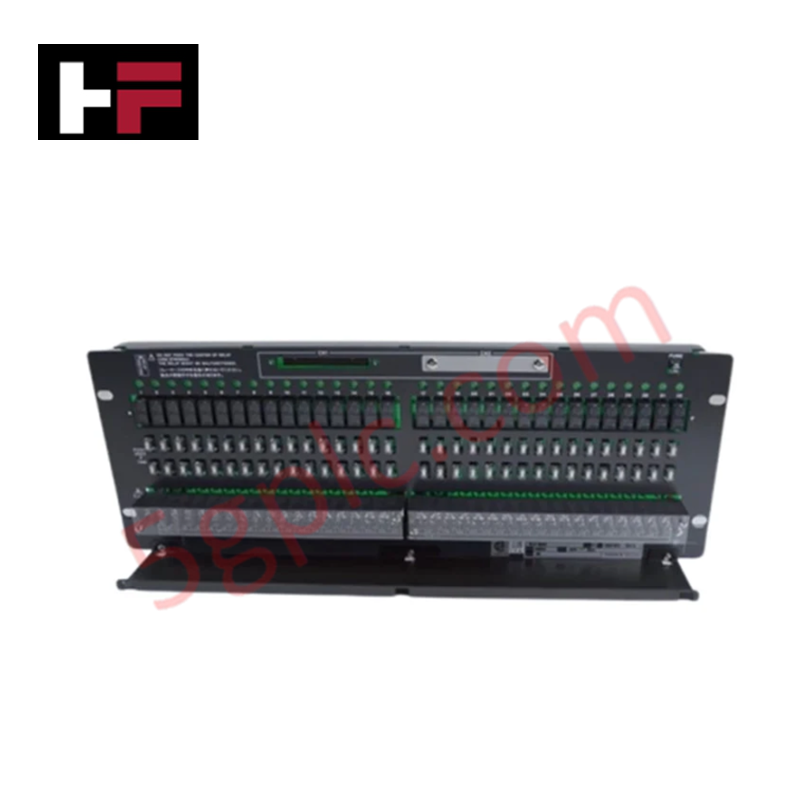
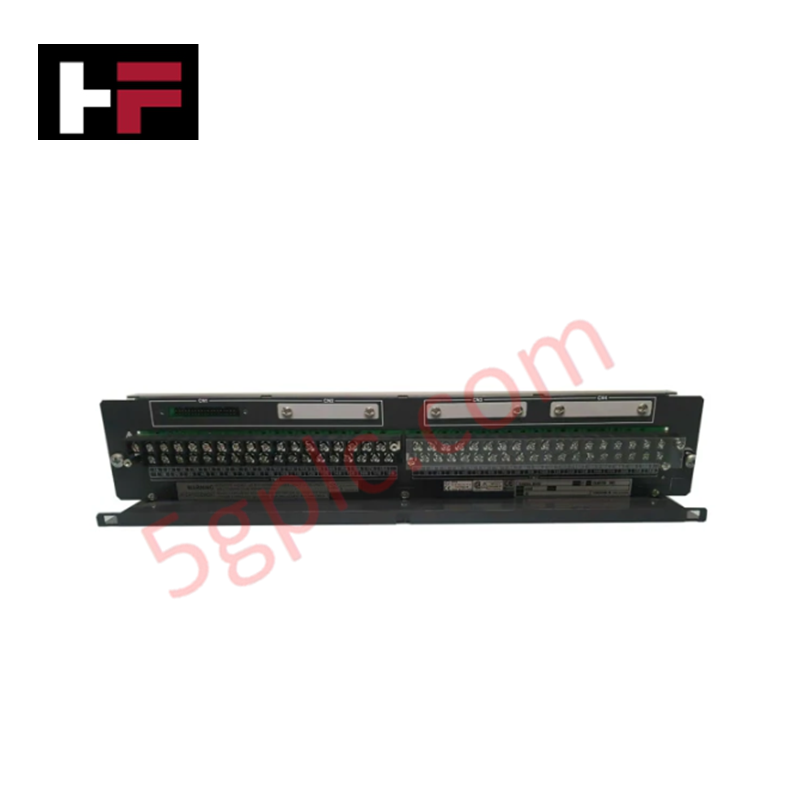
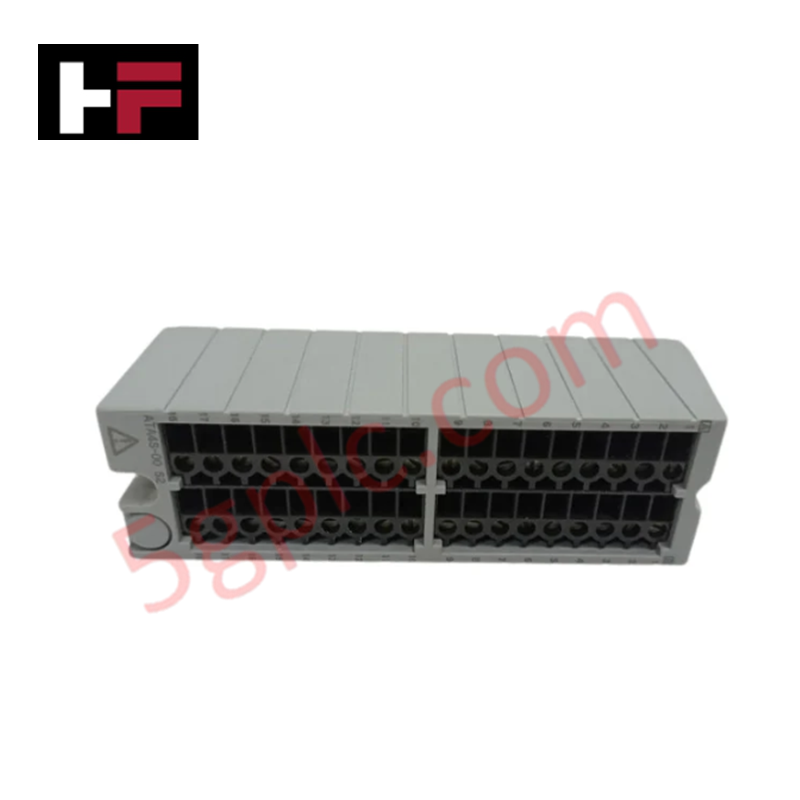
The Yokogawa AAV542-S00 functions as a specialized analog input interface for the CENTUM VP distributed control system. This module facilitates the precise acquisition of field signals, converting analog variables into actionable digital data for complex process control. Although the manufacturer has officially discontinued this series, we provide 100% Brand New and Original units from our secure inventory to support your legacy system maintenance and critical infrastructure uptime.
Part Number Breakdown: AAV542-S00
Yokogawa utilizes a specific alphanumeric coding system to denote module hardware specifications:
| Suffix Code | Specification Category | Technical Definition |
| AAV542 | Base Model | Analog Input Module |
| -S | Type | Standard Configuration |
| 0 | Always 0 | Basic Type |
| 0 | Always 0 | Fixed Style Code |
Technical Specifications
The AAV542-S00 features a lightweight, rack-mounted design engineered for high-density I/O environments:
-
Module Type: Analog Input
-
Isolation: Channel-to-system isolation (Standard)
-
System Compatibility: Yokogawa CENTUM VP / FIO Series
-
Weight: 0.51 lbs (approx. 0.23 kg)
-
Mounting: I/O Unit Rack / Field Control Unit (FCU)
-
Input Channels: High-density configuration (Consult manual for channel count)
-
Signal Processing: Real-time data conversion for DCS loops
Engineering Advantages
The AAV542-S00 addresses critical operational challenges in aging automation environments:
-
Legacy System Life Extension: This module allows plants to maintain existing CENTUM VP architectures without undergoing expensive, full-scale system migrations. It drops directly into existing racks, requiring zero modifications to the physical cabinet layout.
-
Signal Noise Mitigation: Internal isolation circuitry shields the control logic from electrical noise generated in the field. This ensures that electromagnetic interference (EMI) does not corrupt the process data, maintaining loop stability in high-voltage environments.
-
Rapid Hardware Replacement: The module supports fast-swap procedures. Engineers can replace faulty units quickly to minimize process downtime, as the system automatically synchronizes configuration parameters upon insertion into the rack.
-
High Thermal Tolerance: The hardware design manages heat dissipation efficiently within the PLC rack. This prevents localized hotspots, ensuring the electronics remain stable even when installed in densely packed I/O enclosures.
FAQs
-
Can I install the AAV542-S00 while the system is live?
Yes, the CENTUM VP FIO architecture typically supports hot-swapping. You must follow the standard safety protocols outlined in the Yokogawa hardware manual to ensure no interruption to the control bus during the swap.
-
How do you guarantee the quality of a discontinued module?
We source only Brand New units from surplus factory stock. Every module remains in its original packaging, ensuring the internal components have not suffered from use or previous field exposure.
-
Does this module require specific software configuration?
The CENTUM VP Engineering Station identifies the AAV542-S00 via its hardware ID. If you replace an identical model, the system retains the existing I/O mapping; if adding new, you must define the signal range in the project builder.
-
What should I check if the module shows a "FAIL" LED?
Check the backplane connection first. If the seat is secure, verify that the field wiring has not exceeded the allowable input voltage, as extreme overvoltage can trigger the module's internal protection circuits.
Additional Information
- 100% Genuine Parts: All products are original and authentic, ensuring reliable industrial performance.
- 30-Day Refund Guarantee: Return any in-stock item within 30 days in original, unopened packaging for a full refund (excluding shipping and fees).
- 12-Month Warranty: Covers defects in materials or workmanship; excludes misuse, normal wear, or unauthorized modifications.
- Worldwide Shipping: We ship via USPS, UPS, FedEx, and DHL. Delivery times vary by country and may be subject to customs or import fees.
- Support & Contact: Technical and warranty assistance is available anytime. Contact us here: Contact.
- Purchase Guidance: Check product specifications and compatibility carefully before ordering to ensure proper application.
Tech & Buying Guide
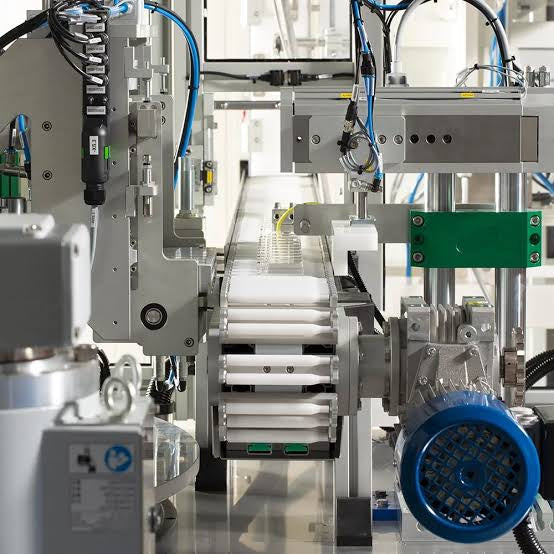
Mastering Modern Industrial Joystick Controls in Heavy Automation
Industrial joysticks play a pivotal role in human-machine interaction across heavy material handling and mobile hydraulics. These tactile controllers translate complex operator movements into precise electrical signals for PLCs, motion controllers, and DCS networks. Consequently, selecting and installing the right joystick architecture ensures operator safety, reduces fatigue, and optimizes equipment performance.

Navigating Industrial Automation Failures: Types, Causes, and Mitigation Strategies
Modern manufacturing relies heavily on automated control systems to maximize throughput and maintain product quality. However, unplanned downtime in industrial automation can cost facility operators thousands of dollars per hour. Understanding how programmable logic controllers (PLCs), distributed control systems (DCS), and field instrumentation fail empowers engineering teams to implement robust preventive maintenance strategies.
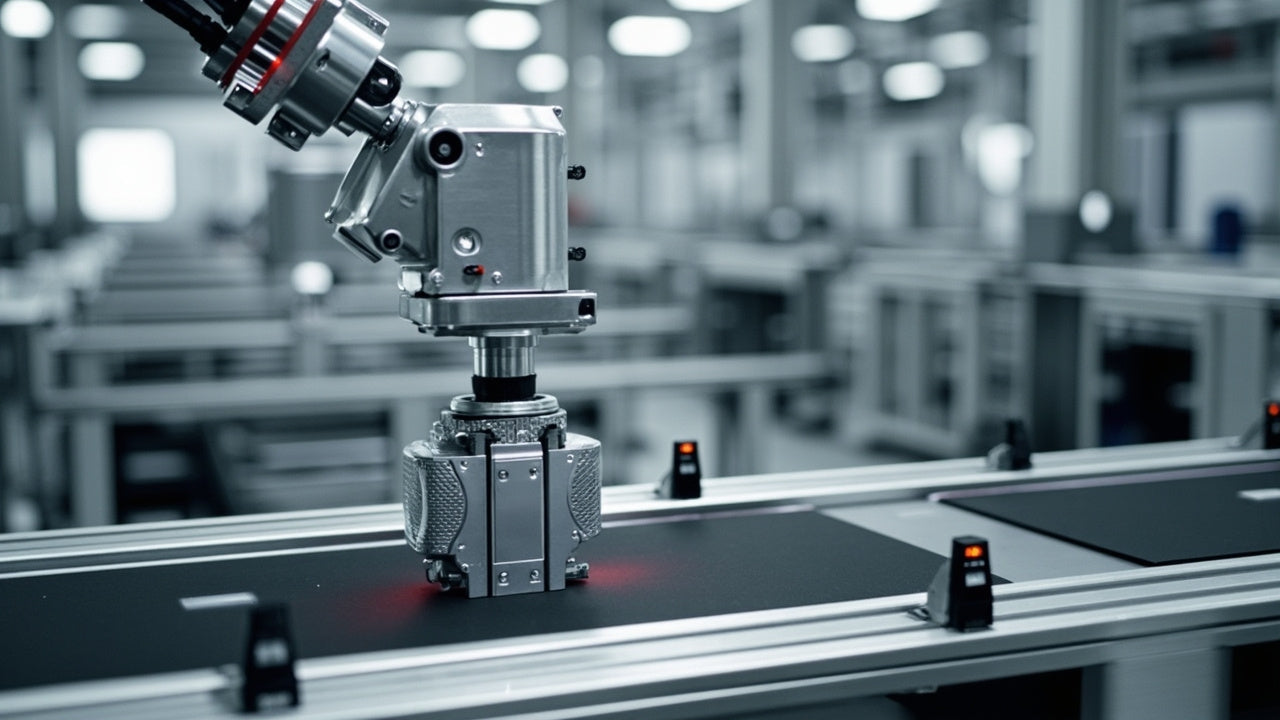
Essential Motion Control Commands: A Practical Guide for Engineers
Automation engineers often rely on precise position and speed control to drive modern factory machinery. Modern industrial systems, such as Programmable Logic Controllers (PLCs) and Distributed Control Systems (DCS), depend heavily on standardized motion instructions. Mastering these commands ensures operational safety, protects mechanical components, and optimizes cycle times across production lines.