











Product Details
Product Overview
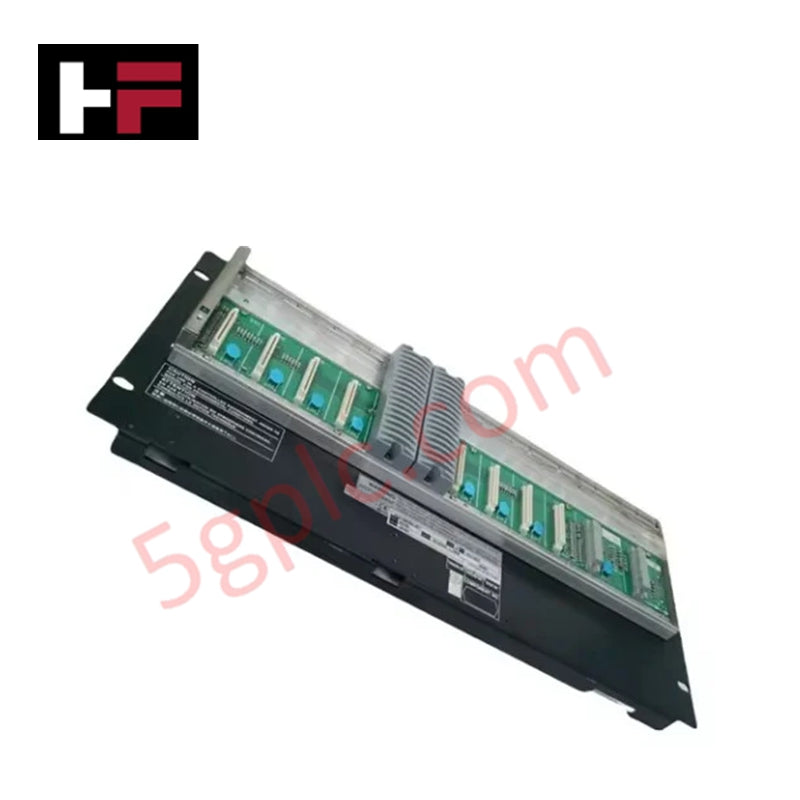
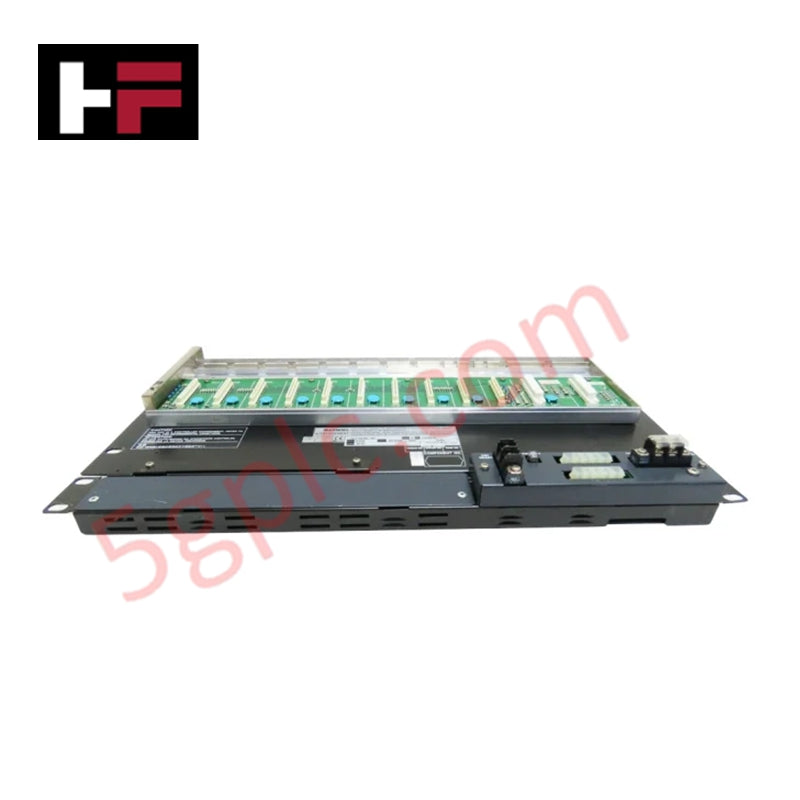
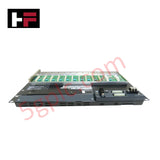
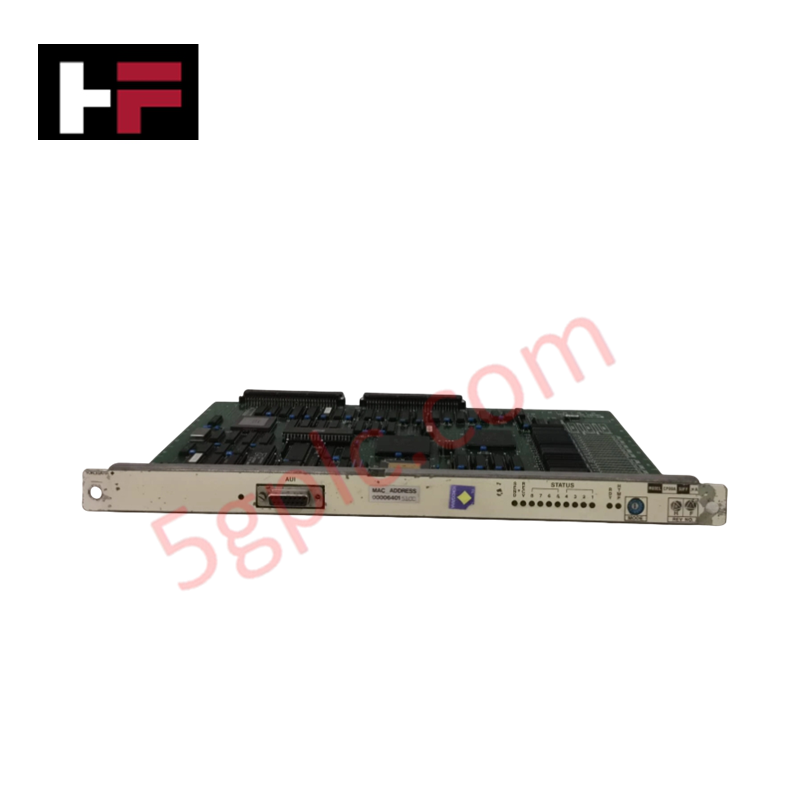
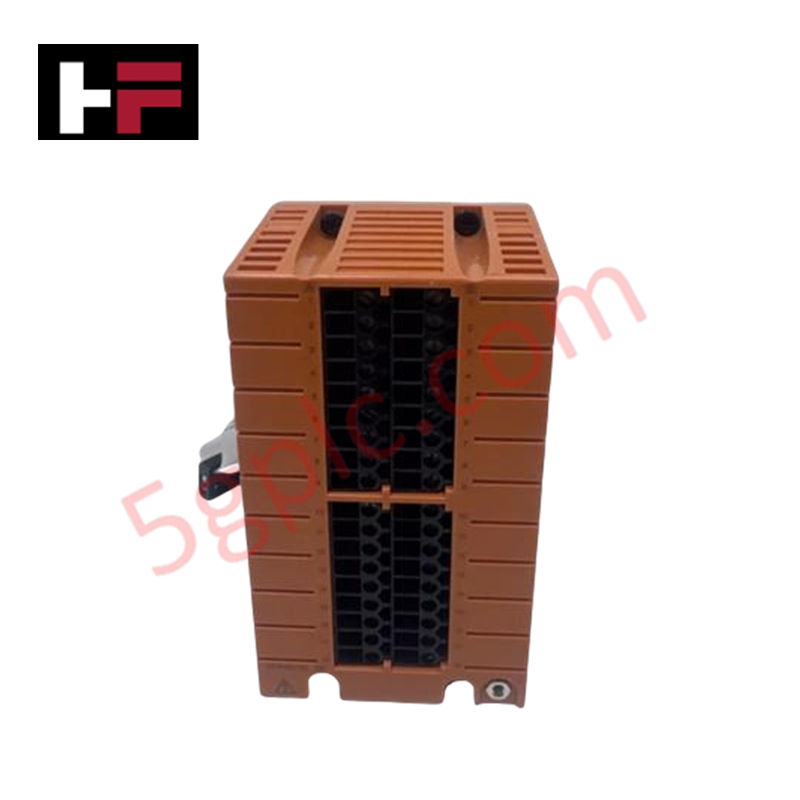
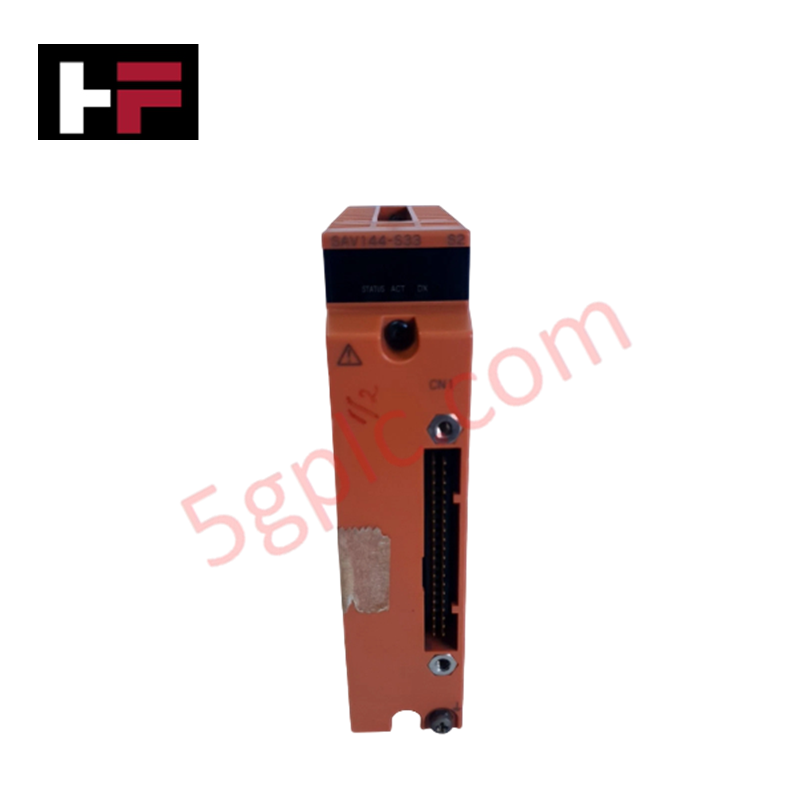
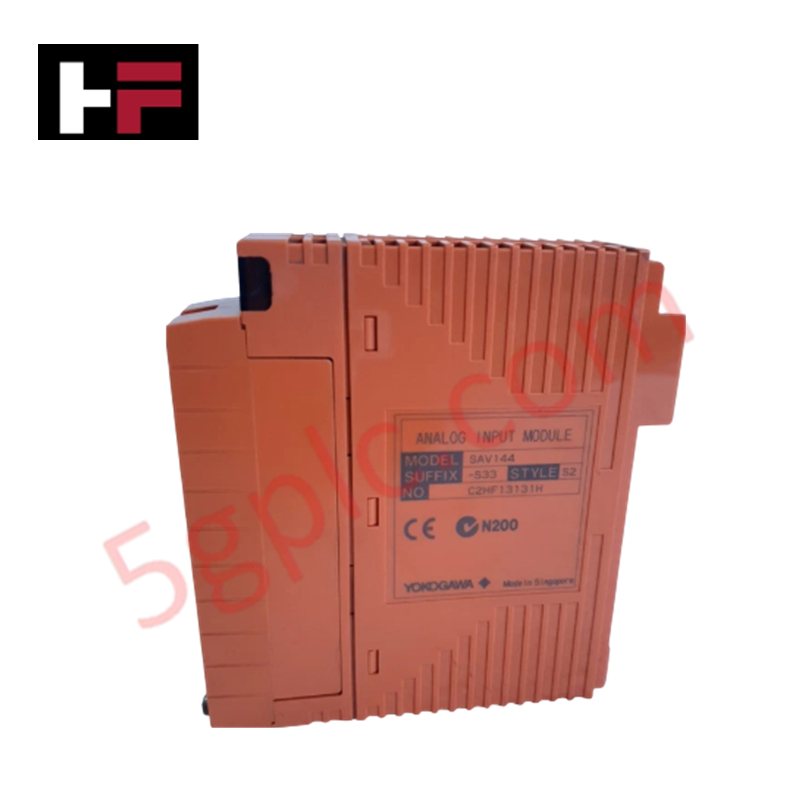
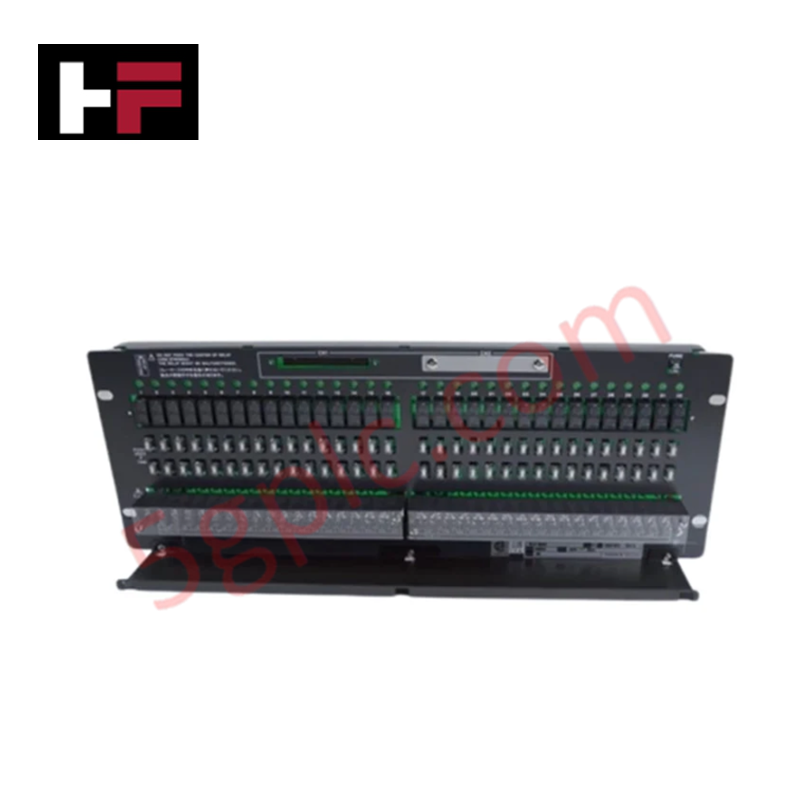
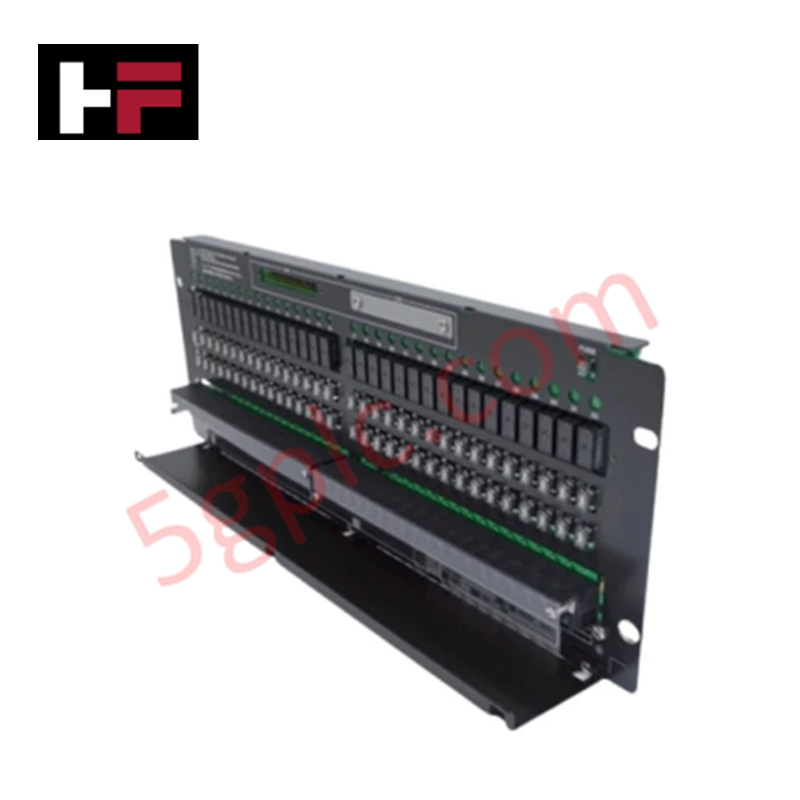
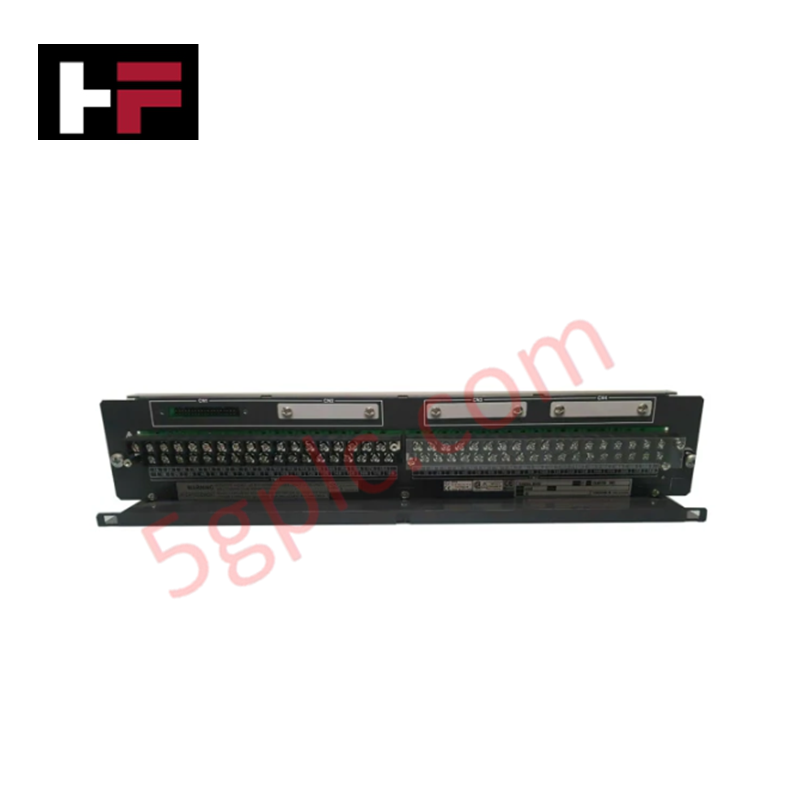
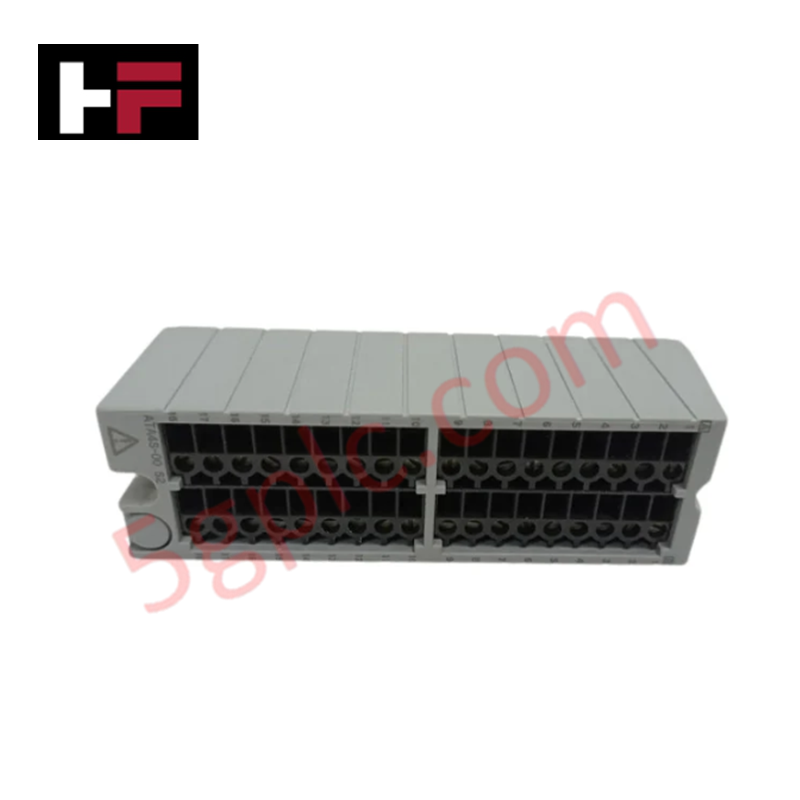
The Yokogawa ANB11D-615/BU2A serves as a specialized high-speed communication node for the CENTUM VP Distributed Control System (DCS). This Fiber Optic ESB Bus Node Unit extends the I/O reach of the Field Control Station (FCS) by converting electrical signals into optical pulses. It facilitates remote I/O placement across large industrial sites while maintaining high-speed data integrity. We supply this unit as 100% Brand New and Original, ensuring your control network utilizes factory-certified hardware for maximum uptime.
Part Number Breakdown: ANB11D-615/BU2A
Yokogawa employs a specific suffix logic to define the power and interface requirements for the ANB11D series:
| Code | Specification | Technical Definition |
| ANB11D | Model | Fiber Optic ESB Bus Node Unit |
| -6 | Configuration | Standard hardware revision for optical interfacing |
| 1 | Style | Style 1 hardware design |
| 5 | Protection | Basic type (Non-explosion protection) |
| /BU2A | Option | Optical ESB Bus Repeater Master/Slave Interface |
Technical Specifications
The ANB11D-615/BU2A offers high-performance optical conversion for distributed architectures:
-
Protocol: ESB (Extension Segment Bus)
-
Transmission Speed: Up to 125 Mbps
-
Fiber Compatibility: Supports both Single-mode and Multi-mode fiber
-
Power Supply: 24 V DC ±10%
-
Power Consumption: ~5 W typical
-
Operating Temperature: 0°C to 55°C
-
Dimensions: 482.6 mm x 221.5 mm x 205 mm
-
Weight: ~10 kg
-
Status Monitoring: Integrated LED indicators for Power and Communication status
-
Mounting: Supports DIN rail or panel mounting configurations
Engineering Advantages
The ANB11D-615/BU2A addresses the unique challenges of modern process plant layouts:
-
Complete EMI/RFI Immunity: By utilizing fiber optic transmission, this unit eliminates the risk of electromagnetic interference (EMI) and radio frequency interference (RFI). This ensures stable data flow in environments with high-voltage equipment, variable frequency drives (VFDs), and heavy motor traffic.
-
Galvanic Isolation for Remote Sites: The optical interface provides total electrical isolation between the main control room and remote I/O cabinets. This prevents ground loops and protects the Field Control Station from lightning surges or electrical faults originating at remote instrument enclosures.
-
Versatile Fiber Integration: The hardware accepts both single-mode and multi-mode fiber. Engineers can utilize existing multi-mode infrastructure for shorter distances or deploy single-mode fiber to bridge vast distances across refineries, offshore platforms, or water treatment networks.
-
Low Power Footprint: Drawing only 5 Watts typically, the unit minimizes the thermal load within the control cabinet. This low power consumption allows for higher density installations in compact spaces without compromising the lifespan of adjacent electronic components.
FAQs
-
What is the primary difference between the ANB10D and the ANB11D-615/BU2A?
The ANB10D uses copper ESB bus cables for short-distance local expansion. The ANB11D-615/BU2A utilizes fiber optic cables to facilitate long-distance I/O expansion while providing superior noise immunity and electrical isolation.
-
Does this unit support dual-redundant power?
This specific configuration focuses on 24V DC input. While the internal circuitry is robust, engineers typically implement redundancy at the cabinet power distribution level or by pairing the unit with a redundant DC power supply system.
-
How do I monitor the link health?
The front panel features dedicated LED indicators. These lights provide immediate visual feedback on the power status and the integrity of the ESB bus communication, simplifying troubleshooting during commissioning and routine maintenance.
-
Can I install this unit directly on a DIN rail?
Yes. The ANB11D-615/BU2A supports both DIN rail and panel mounting. This flexibility allows for easy integration into standard 19-inch racks or localized instrument boxes depending on your site's physical constraints.
Additional Information
- 100% Genuine Parts: All products are original and authentic, ensuring reliable industrial performance.
- 30-Day Refund Guarantee: Return any in-stock item within 30 days in original, unopened packaging for a full refund (excluding shipping and fees).
- 12-Month Warranty: Covers defects in materials or workmanship; excludes misuse, normal wear, or unauthorized modifications.
- Worldwide Shipping: We ship via USPS, UPS, FedEx, and DHL. Delivery times vary by country and may be subject to customs or import fees.
- Support & Contact: Technical and warranty assistance is available anytime. Contact us here: Contact.
- Purchase Guidance: Check product specifications and compatibility carefully before ordering to ensure proper application.
Tech & Buying Guide
Mastering Modern Industrial Joystick Controls in Heavy Automation
Industrial joysticks play a pivotal role in human-machine interaction across heavy material handling and mobile hydraulics. These tactile controllers translate complex operator movements into precise electrical signals for PLCs, motion controllers, and DCS networks. Consequently, selecting and installing the right joystick architecture ensures operator safety, reduces fatigue, and optimizes equipment performance.

Navigating Industrial Automation Failures: Types, Causes, and Mitigation Strategies
Modern manufacturing relies heavily on automated control systems to maximize throughput and maintain product quality. However, unplanned downtime in industrial automation can cost facility operators thousands of dollars per hour. Understanding how programmable logic controllers (PLCs), distributed control systems (DCS), and field instrumentation fail empowers engineering teams to implement robust preventive maintenance strategies.

Essential Motion Control Commands: A Practical Guide for Engineers
Automation engineers often rely on precise position and speed control to drive modern factory machinery. Modern industrial systems, such as Programmable Logic Controllers (PLCs) and Distributed Control Systems (DCS), depend heavily on standardized motion instructions. Mastering these commands ensures operational safety, protects mechanical components, and optimizes cycle times across production lines.