










Product Details
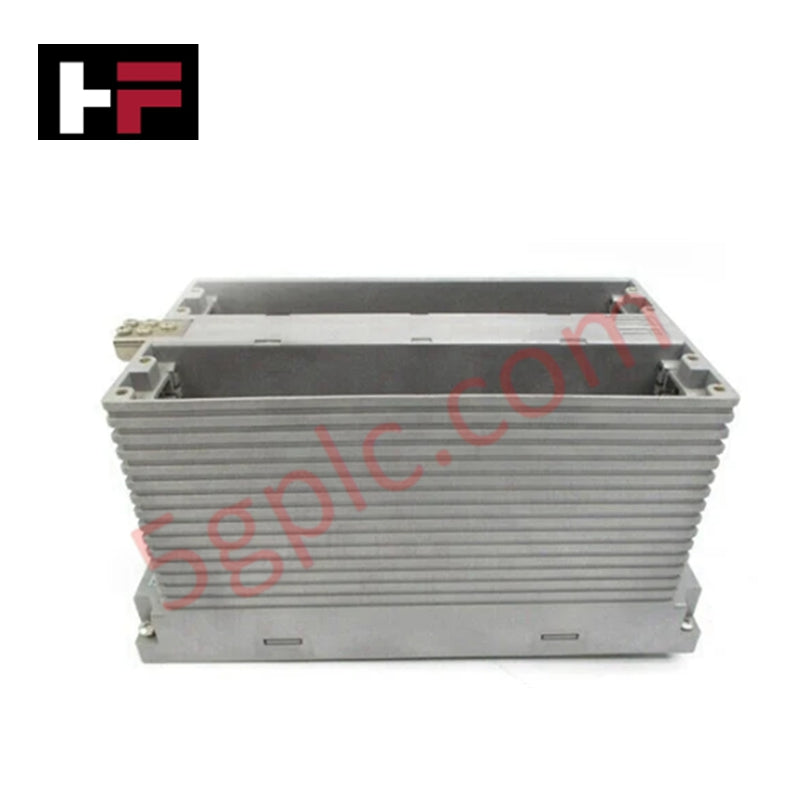
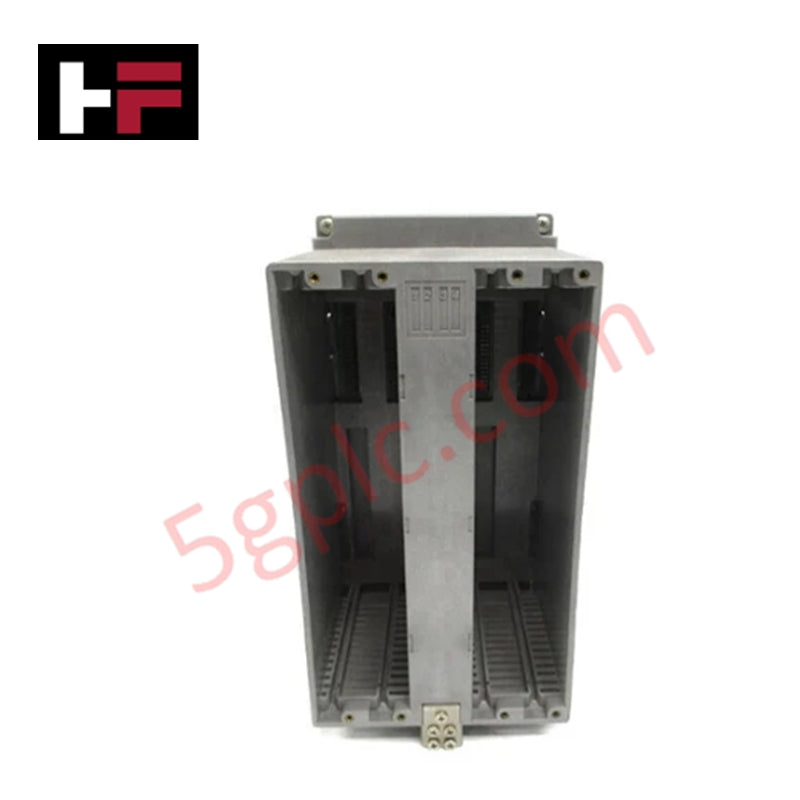
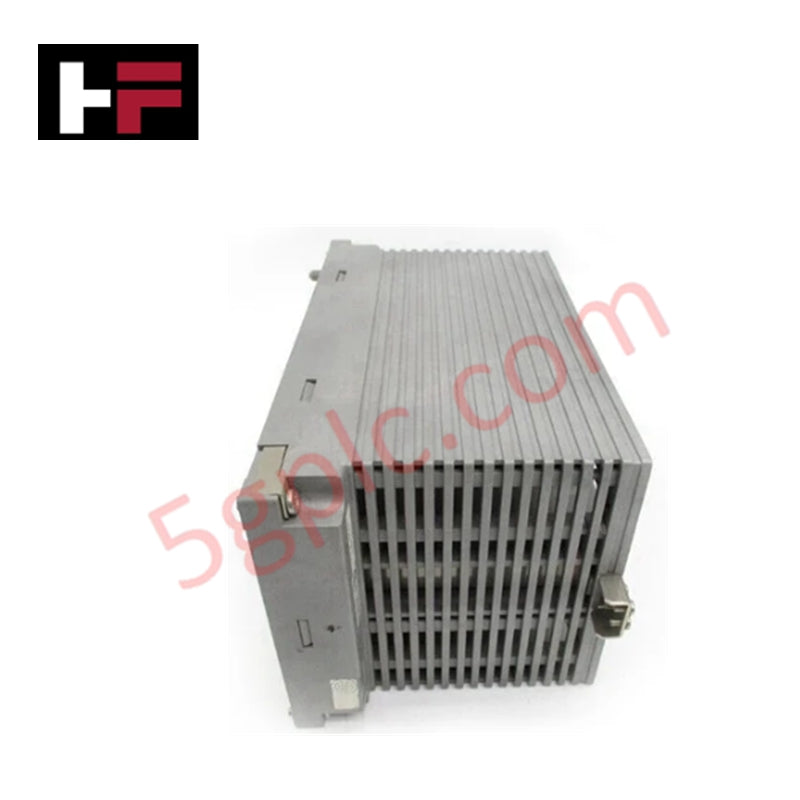
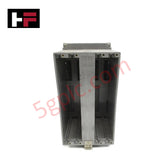
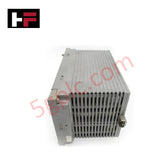
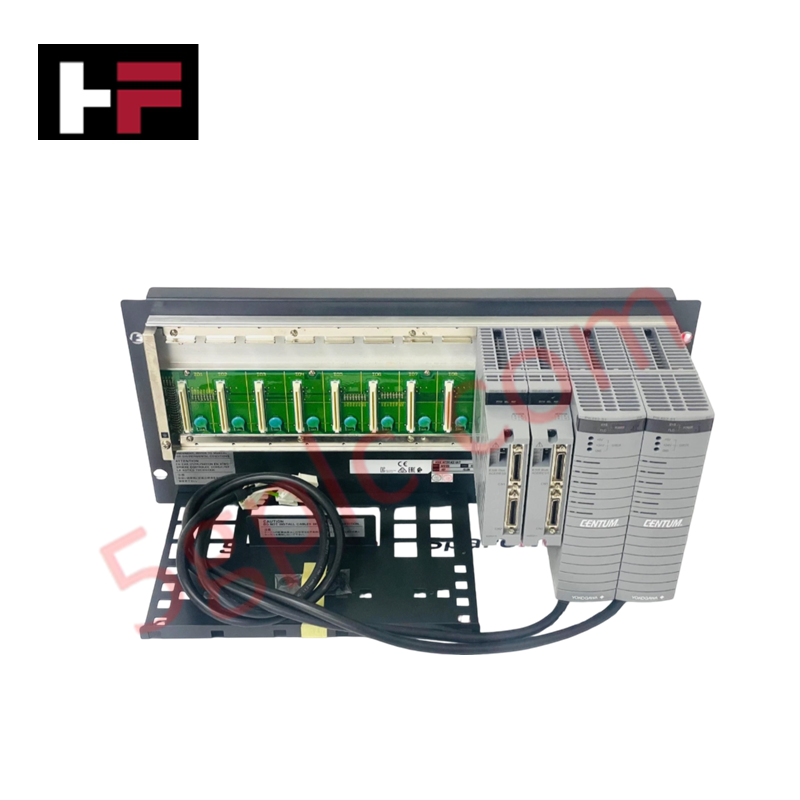
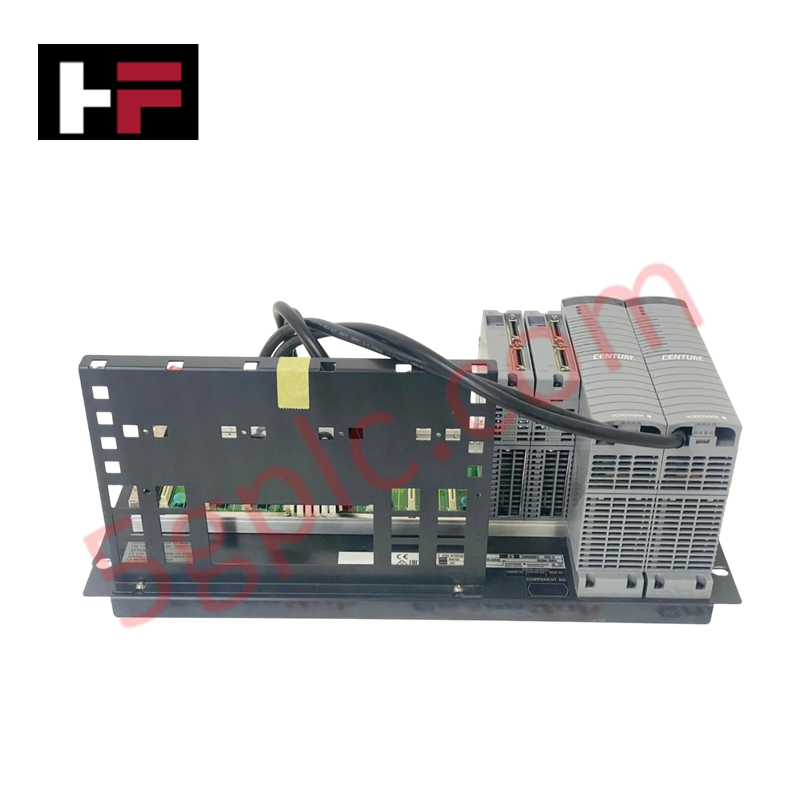
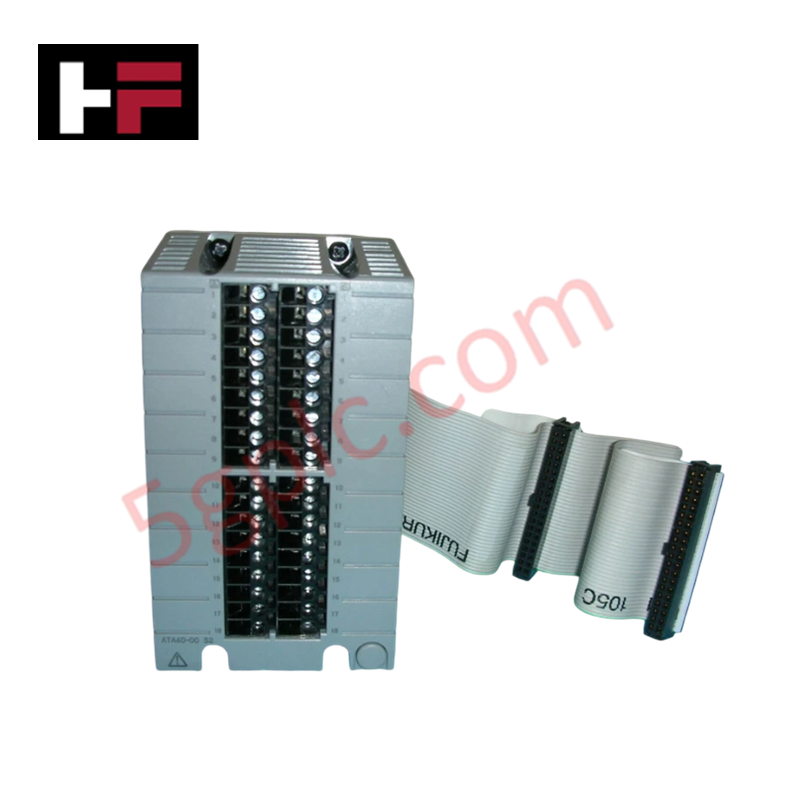
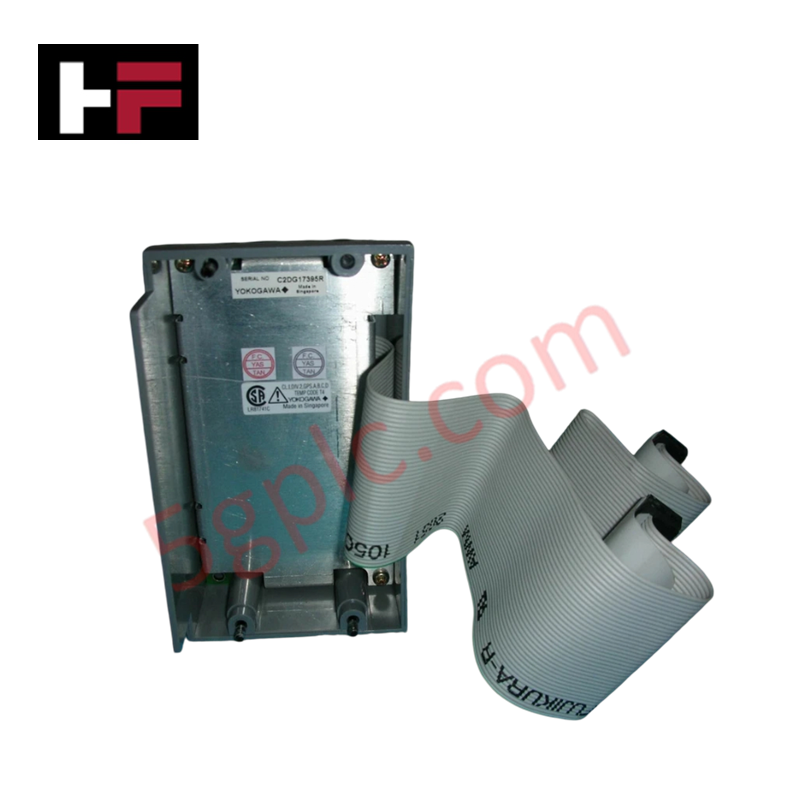
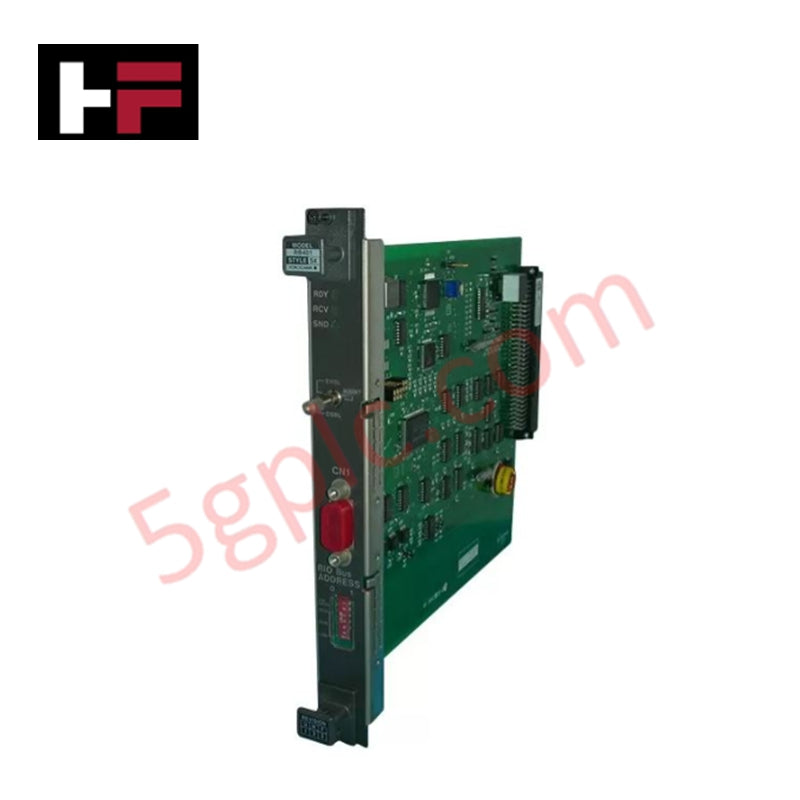
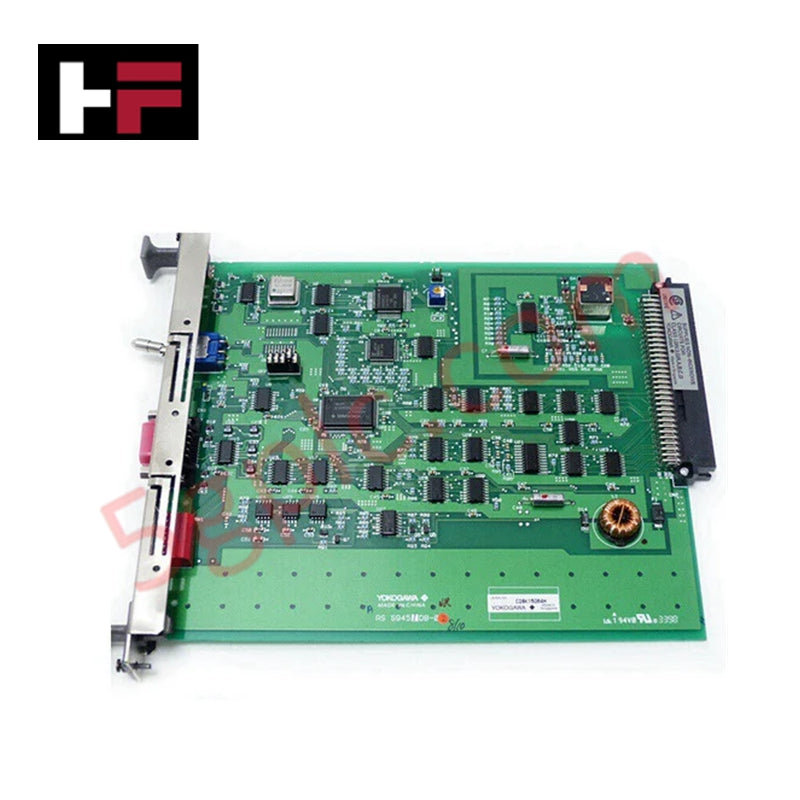
The YOKOGAWA AMN31 S1, also cataloged as the AMN31 Rack Chassis, operates as a dedicated hardware component for housing terminal I/O modules and distributing backplane power within CENTUM CS 3000 and CENTUM CS networks. The enclosure provides 31 physical slots and maintains structural and electrical connectivity for discrete and analog signal processing cards operating on the local control bus.
Hardware Specifications
| Parameter | Specification |
|---|---|
| Model | AMN31 S1 / AMN31 |
| Brand | YOKOGAWA |
| Weight | 0.9 kg (2.0 lbs) |
| Dimensions | 12.7 x 15.2 x 25.4 cm (5.0 x 6.0 x 10.0 in) |
| Operating Temp | -20 to 60 deg C |
| Power Consumption | 100 W |
| Input Voltage | 24 VDC |
| Module Slots | 31 slots |
| Operating Humidity | 5% to 95% RH (non-condensing) |
| Protection Rating | NEMA 4X / IEC IP66 |
| Target System | CENTUM CS 3000 / CENTUM CS |
Channel-to-Channel Isolation and Process Integration
When populated with terminal I/O modules, the AMN31 S1 backplane structure supports strict channel-to-channel isolation architectures. This physical separation prevents ground loop propagation across the 31 available hardware slots. By maintaining electrical independence between adjacent termination blocks, the chassis ensures that high-voltage field transients on one circuit do not disrupt analog or digital measurement loops communicating via the internal DCS data bus.
Frequently Asked Questions
Q: What is the maximum module capacity of the AMN31 S1 rack chassis?
A: The nest chassis provides exactly 31 physical slots for installing compatible terminal I/O modules within the CENTUM DCS architecture.
Q: What are the backplane power supply requirements for the unit?
A: The chassis consumes a maximum of 100 W when supplied with a nominal 24 VDC input power source.
Q: What environmental ingress protection does the AMN31 S1 provide?
A: The chassis is constructed to meet NEMA 4X and IEC IP66 protection ratings, making it suitable for environments requiring resistance against dust and directed water spray.
Field Installation Guidelines
De-energize all 24 VDC supply lines before terminating power cables to the AMN31 S1 chassis. Mount the nest securely using the designated mechanical fastening points, ensuring sufficient clearance around the 12.7 x 15.2 x 25.4 cm enclosure to maintain adequate thermal dissipation for the 100 W continuous load. Seat individual I/O modules firmly into the 31 available slots and lock their retaining mechanisms to maintain backplane pin continuity. Bond the enclosure chassis ground terminal directly to the main cabinet earth bar using a heavy-gauge braided strap to minimize electromagnetic interference (EMI). Route 24 VDC power lines separately from field signal cables to prevent inductive cross-talk.
Additional Information
- 100% Genuine Parts: All products are original and authentic, ensuring reliable industrial performance.
- 30-Day Refund Guarantee: Return any in-stock item within 30 days in original, unopened packaging for a full refund (excluding shipping and fees).
- 12-Month Warranty: Covers defects in materials or workmanship; excludes misuse, normal wear, or unauthorized modifications.
- Worldwide Shipping: We ship via USPS, UPS, FedEx, and DHL. Delivery times vary by country and may be subject to customs or import fees.
- Support & Contact: Technical and warranty assistance is available anytime. Contact us here: Contact.
- Purchase Guidance: Check product specifications and compatibility carefully before ordering to ensure proper application.


Tech & Buying Guide

Industrial Networking Essentials: Demystifying Hubs, Switches, and Routers in Control Systems
Industrial automation relies heavily on robust networking infrastructure to connect programmable logic controllers (PLCs), distributed control systems (DCS), and human-machine interfaces (HMIs). Modern factory automation environments generate vast amounts of real-time operational data across deterministic networks. Understanding the structural differences between hubs, switches, and routers ensures optimal traffic segmentation, minimizes latency, and maintains high network availability.

Safety Relays in Industrial Automation: Fundamentals, Design Standards, and Fail-Safe Architecture
Safety relays form the bedrock of functional safety in modern factory automation, preventing catastrophic equipment failure and protecting plant personnel. While standard electromechanical relays handle basic load switching, they lack the redundant diagnostics required for high-risk industrial environments. Modern industrial automation platforms—including programmable logic controllers (PLCs) and distributed control systems (DCS)—rely on specialized safety relays to monitor field devices and isolate hazards instantly.

Voice-Activated Industrial Automation: Integrating Speech Control into PLC and DCS Architectures
Industrial automation integrates speech recognition, IIoT protocols, and NLP with PLCs and DCS to streamline operations. By leveraging advanced edge computing, engineers enable real-time, hands-free control—allowing personnel to manage smart factory processes safely away from hazardous equipment.