












Product Details
Product Overview
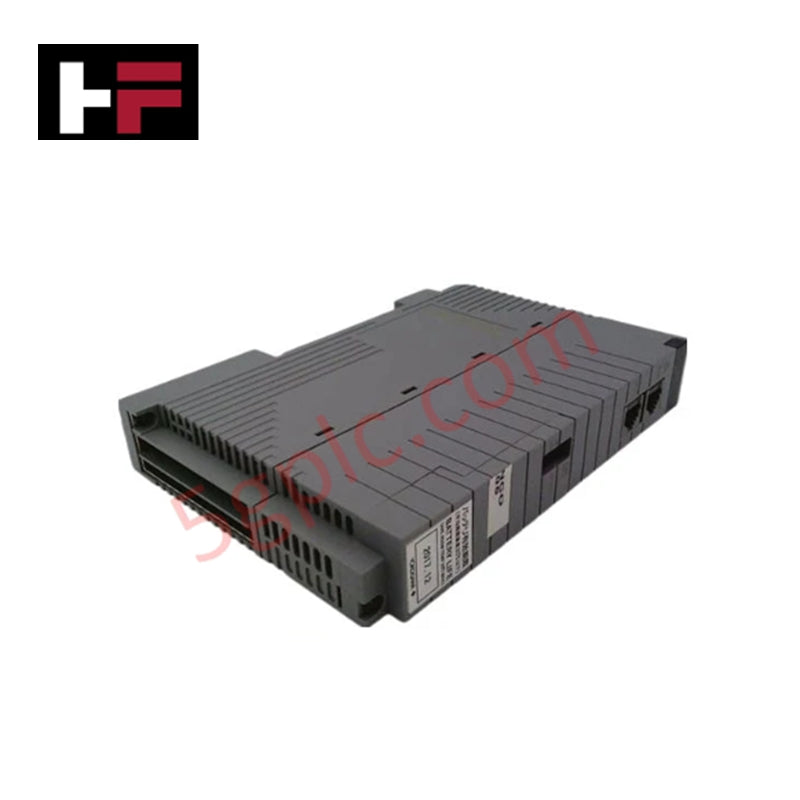
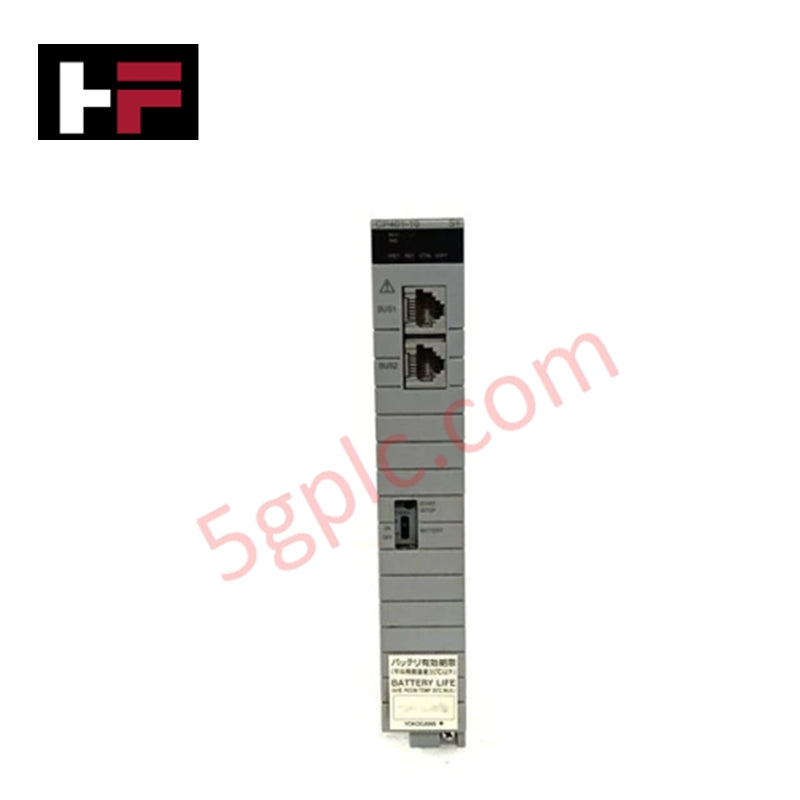
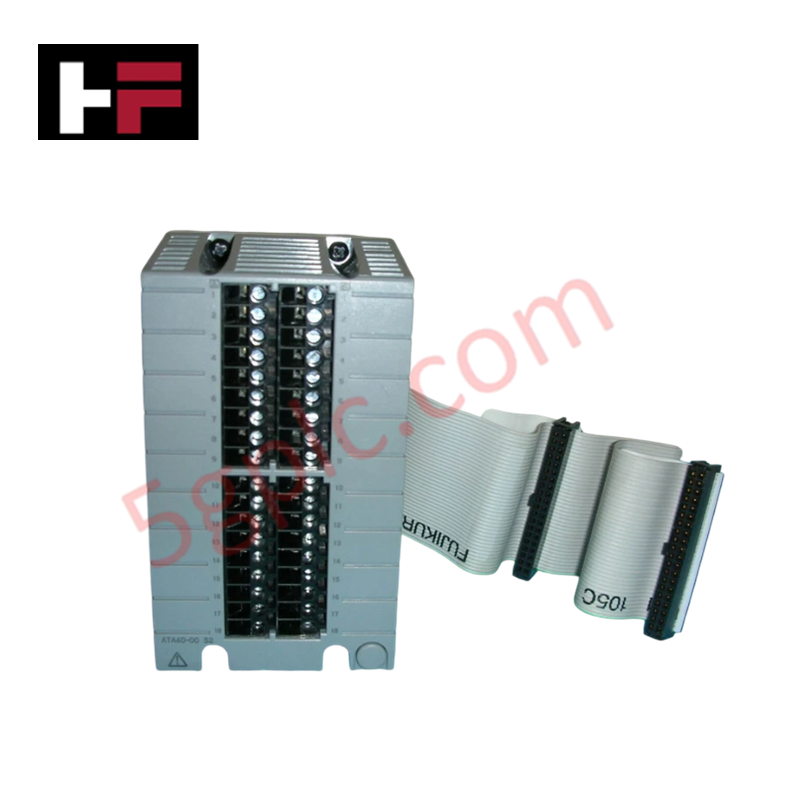
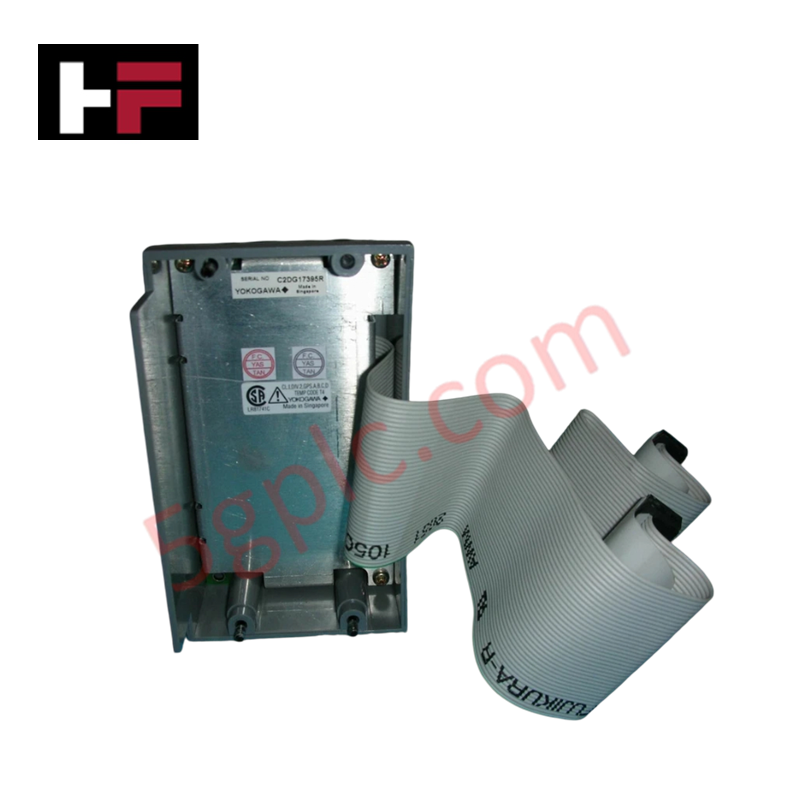
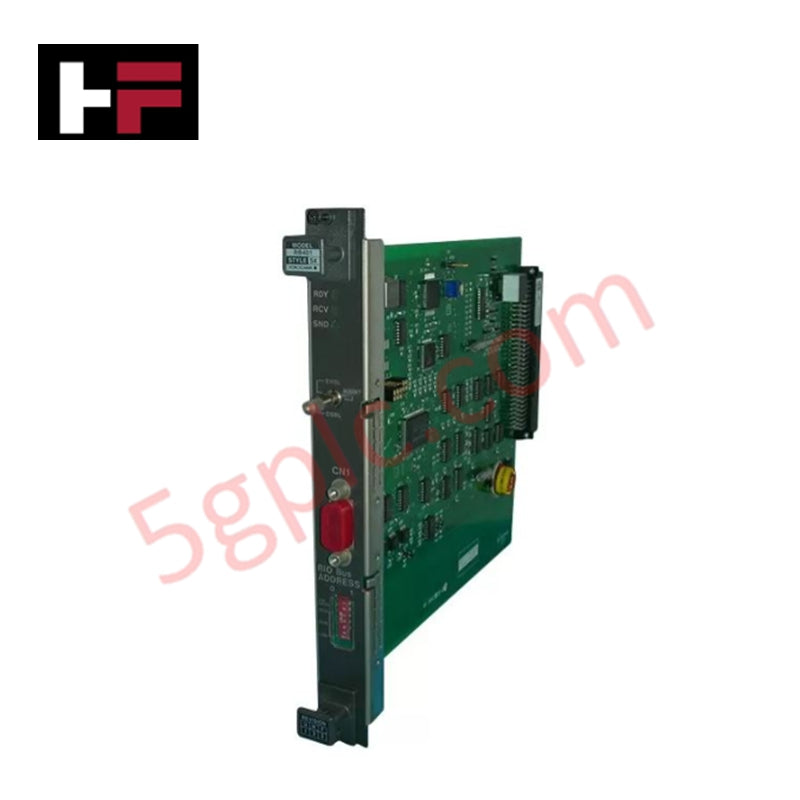
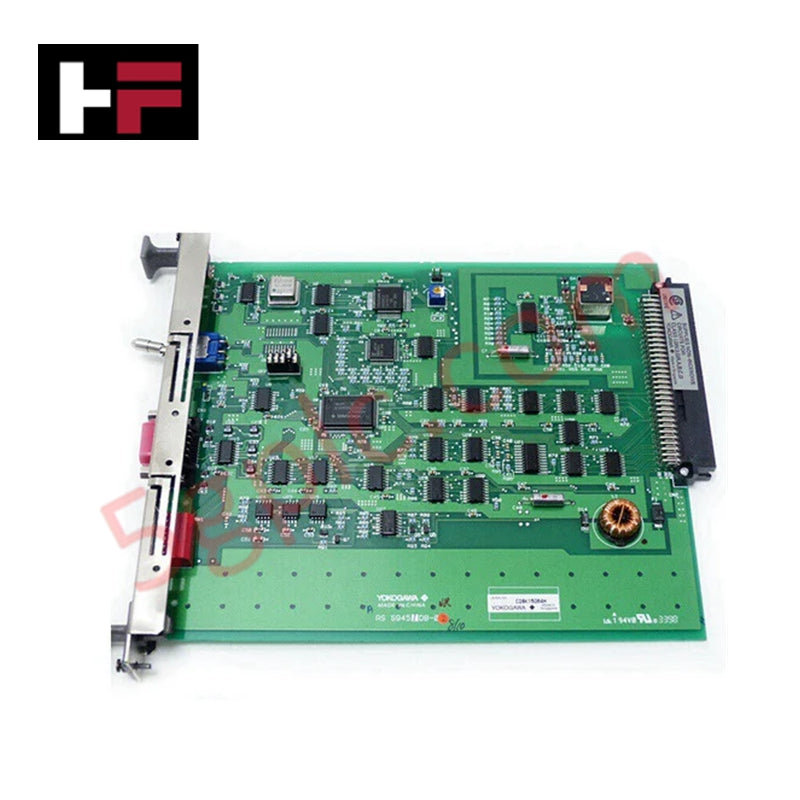
The Yokogawa AMM21T functions as a high-precision thermocouple input module designed for the CENTUM distributed control system (DCS) architecture. This module interfaces directly with a wide array of industrial thermocouples to provide accurate temperature monitoring across an expansive range of -200°C to +1800°C. It converts low-millivolt sensor signals into standard 4-20 mA outputs for the control station's logic processing. We supply this unit as 100% Brand New and original, ensuring factory-sealed integrity for critical thermal management applications.
Technical Specifications
The AMM21T provides industry-leading measurement sensitivity and robust signal conversion parameters:
-
Thermocouple Compatibility: Types J, K, T, E, R, S, B, N
-
Input Range: -200°C to +1800°C (Sensor dependent)
-
Input Impedance: > 100 MΩ
-
Common Mode Rejection Ratio (CMRR): > 60 dB
-
Output Range: 0 to 20 mA or 4 to 20 mA
-
Measurement Accuracy: ±0.25% of full scale
-
Response Time: ≤ 2 s
-
Power Consumption: ≤ 10 W
-
Operating Temperature: -20°C to +60°C
-
Storage Temperature: -40°C to +70°C
-
Operating Humidity: 0 to 95% RH (Non-condensing)
-
Condition: 100% Brand New and Original
Engineering Advantages
The AMM21T solves specific technical challenges encountered in high-temperature process environments:
-
Universal Sensor Interfacing: This module accepts eight different thermocouple types (J through N). This versatility eliminates the need to stock multiple specialized modules, significantly simplifying spare parts inventory and allowing for heterogeneous sensor arrays on a single I/O rack.
-
Superior Noise Suppression: With a Common Mode Rejection Ratio exceeding 60 dB and high input impedance, the AMM21T effectively filters out electromagnetic interference (EMI). This ensures stable temperature readings even when thermocouple wires run parallel to high-voltage power lines or heavy motor machinery.
-
High-Precision Signal Linearization: The module's internal circuitry achieves an output accuracy of ±0.25%. This precision allows for tighter control over temperature-sensitive reactions in chemical and pharmaceutical processing, reducing waste and improving product consistency.
-
Robust Environmental Adaptation: An operating temperature range of -20°C to +60°C permits installation in field-mounted cabinets without the immediate need for supplemental cooling or heating units. The 0-95% humidity tolerance safeguards the internal logic against moisture-induced corrosion in humid plant environments.
FAQs
Which thermocouple type provides the best results with the AMM21T?
The module maintains high accuracy across all supported types. However, you must match the thermocouple type to your specific process temperature. For instance, Type K offers excellent general-purpose range, while Type B or S handles extreme temperatures up to 1800°C.
How does the high input impedance benefit the system?
The >100 MΩ input impedance ensures that the AMM21T does not "load" the thermocouple circuit. This prevents voltage drops across the lead wires, maintaining the integrity of the millivolt signal over long cable runs.
Is external cold-junction compensation (CJC) required?
The AMM21T typically utilizes internal CJC when paired with the correct Yokogawa terminal board. This simplifies wiring by allowing you to terminate thermocouple extension wires directly at the module's interface.
Can the AMM21T detect a broken sensor wire?
Yes. The module incorporates burnout detection logic. If a thermocouple wire breaks, the module drives the output signal to a pre-defined "upscale" or "downscale" value, immediately alerting the DCS operator to the hardware fault.
Additional Information
- 100% Genuine Parts: All products are original and authentic, ensuring reliable industrial performance.
- 30-Day Refund Guarantee: Return any in-stock item within 30 days in original, unopened packaging for a full refund (excluding shipping and fees).
- 12-Month Warranty: Covers defects in materials or workmanship; excludes misuse, normal wear, or unauthorized modifications.
- Worldwide Shipping: We ship via USPS, UPS, FedEx, and DHL. Delivery times vary by country and may be subject to customs or import fees.
- Support & Contact: Technical and warranty assistance is available anytime. Contact us here: Contact.
- Purchase Guidance: Check product specifications and compatibility carefully before ordering to ensure proper application.


Tech & Buying Guide

Wellhead Control Panel (WHCP) Architecture in Oil and Gas Automation
Upstream oil and gas operations rely on specialized field control platforms to manage wellhead extraction safety and hydraulic actuation. A Wellhead Control Panel (WHCP) serves as a dedicated hydraulic and pneumatic power unit designed to operate critical Christmas Tree isolation valves. By interfacing field safety components directly with Programmable Logic Controller (PLC) architecture, a WHCP protects upstream extraction assets against overpressure, catastrophic leaks, and thermal emergencies.

Understanding Marshalling Cabinets in Industrial Control Systems Architecture
Industrial control system deployments rely on structured signal distribution to bridge field instrumentation with central processing hardware. A marshalling cabinet serves as the vital intermediate connection point between heavy field home-run multi-pair cables and delicate input/output (I/O) modules housed inside Programmable Logic Controller (PLC) or Distributed Control System (DCS) enclosures. By segregating field cable terminations from control hardware, engineers maintain system flexibility, safeguard controller components, and streamline commissioning workflows.

FAT vs SAT in Industrial Control Systems: Key Differences and Execution Guide
Industrial control system deployment relies on strict verification protocols to guarantee operational safety, system stability, and regulatory compliance. Commissioning complex Programmable Logic Controller (PLC) racks, Distributed Control Systems (DCS), and Safety Instrumented Systems (SIS) requires two critical milestones: the Factory Acceptance Test (FAT) and the Site Acceptance Test (SAT). Both procedures validate that system automation meets design specifications, but they occur at different stages of project execution and target distinct operational risks.