










Product Details
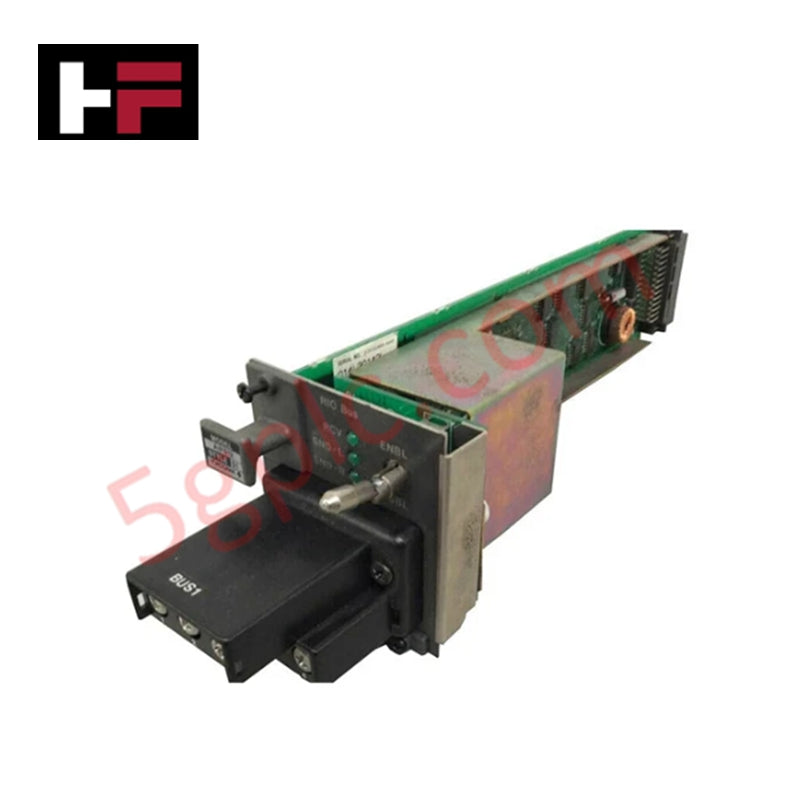
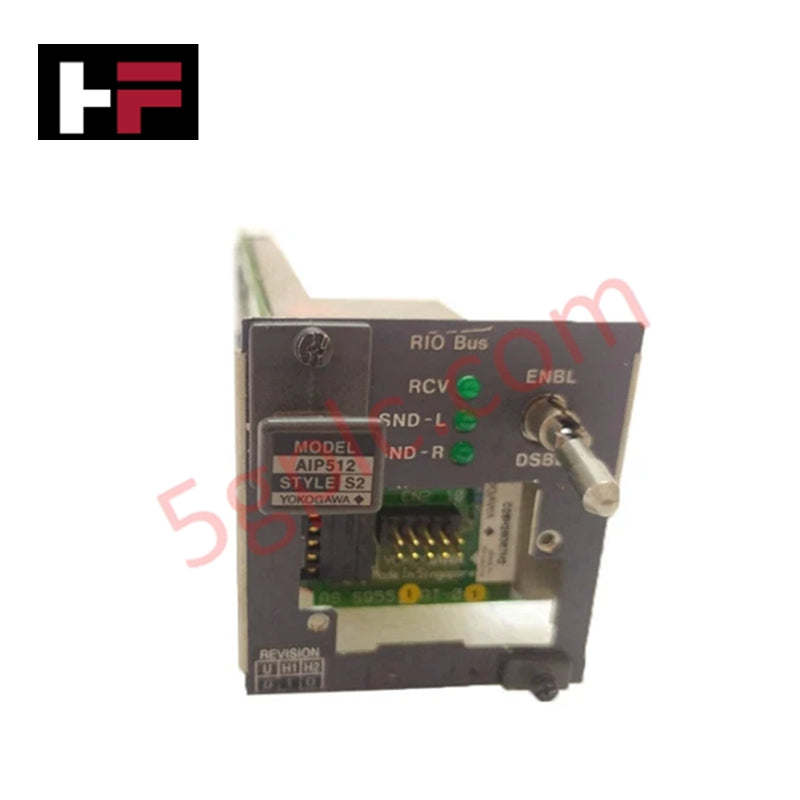
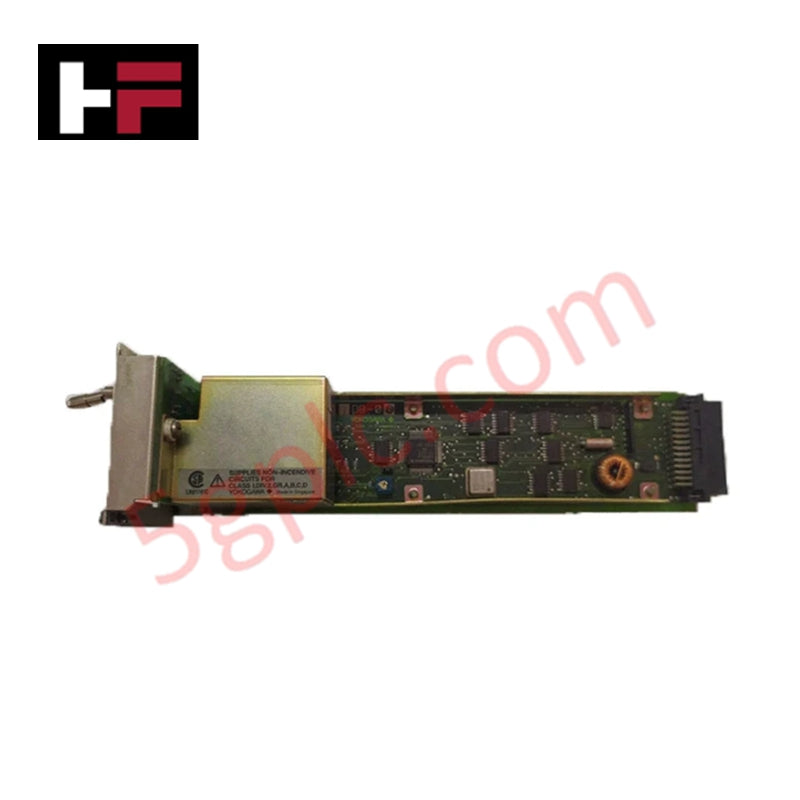
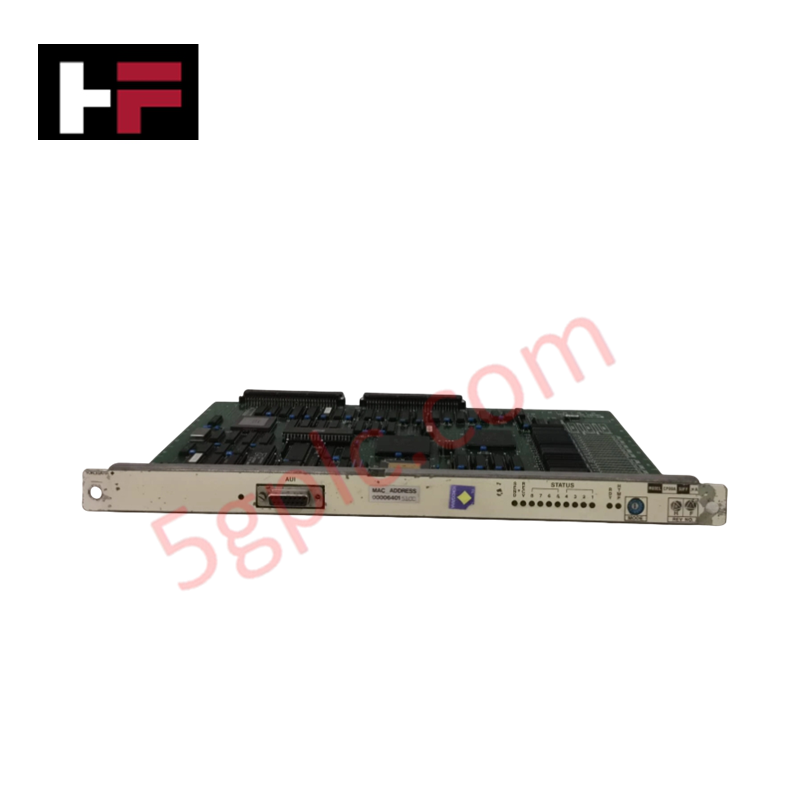
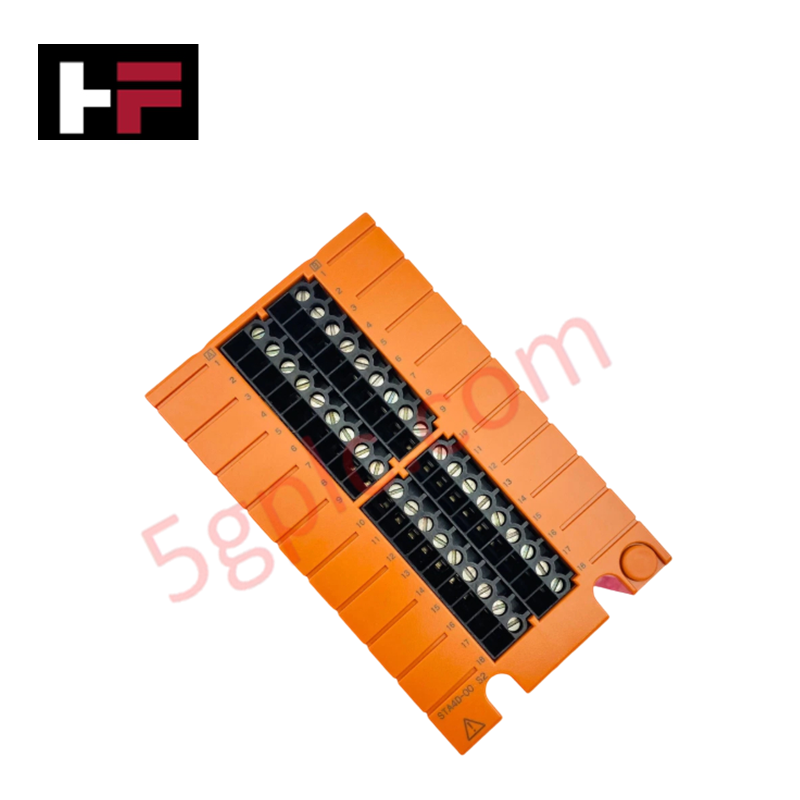
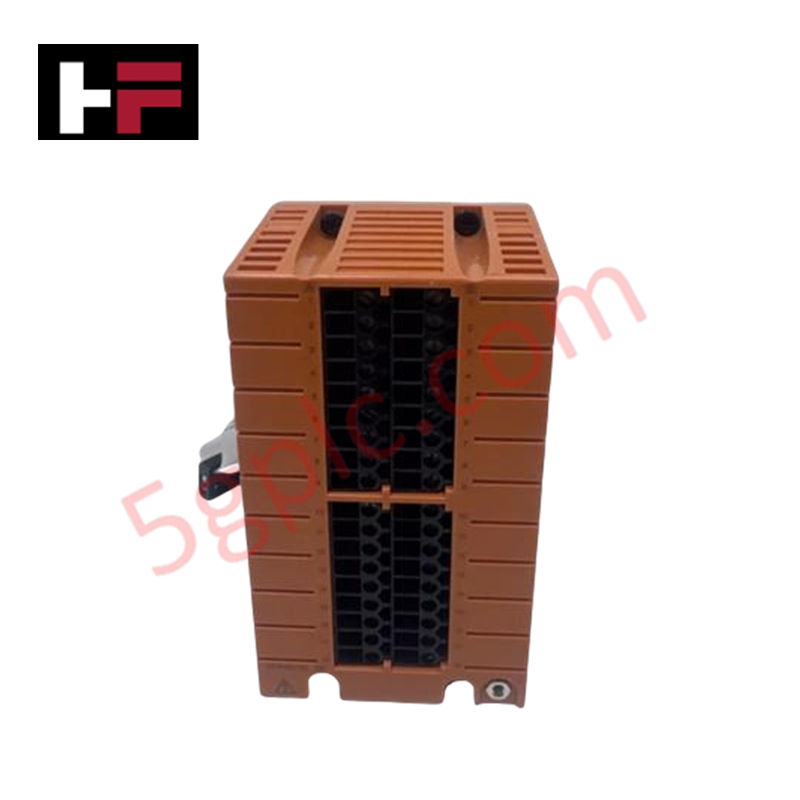
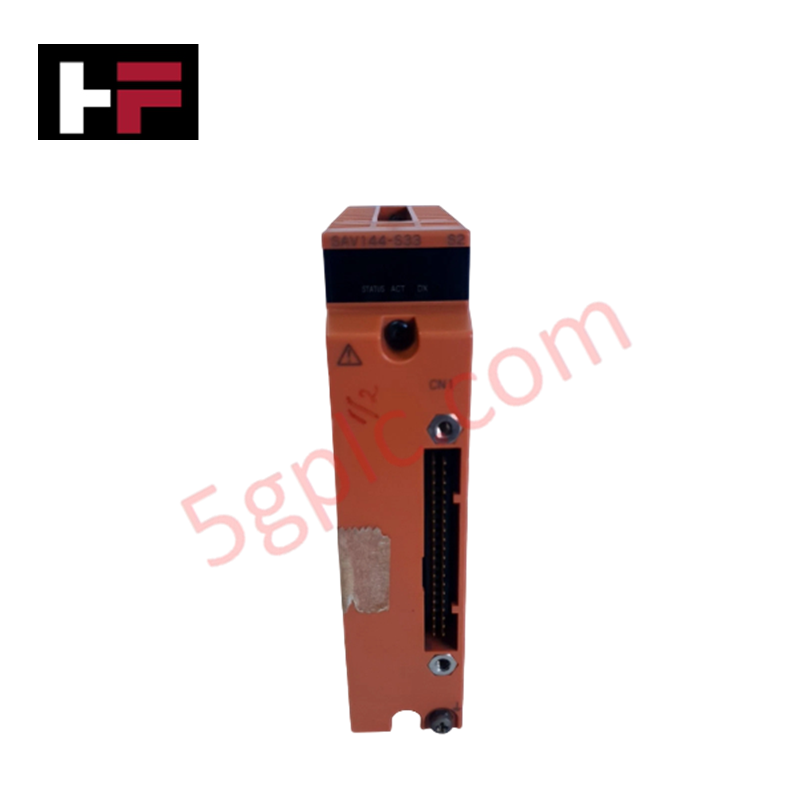
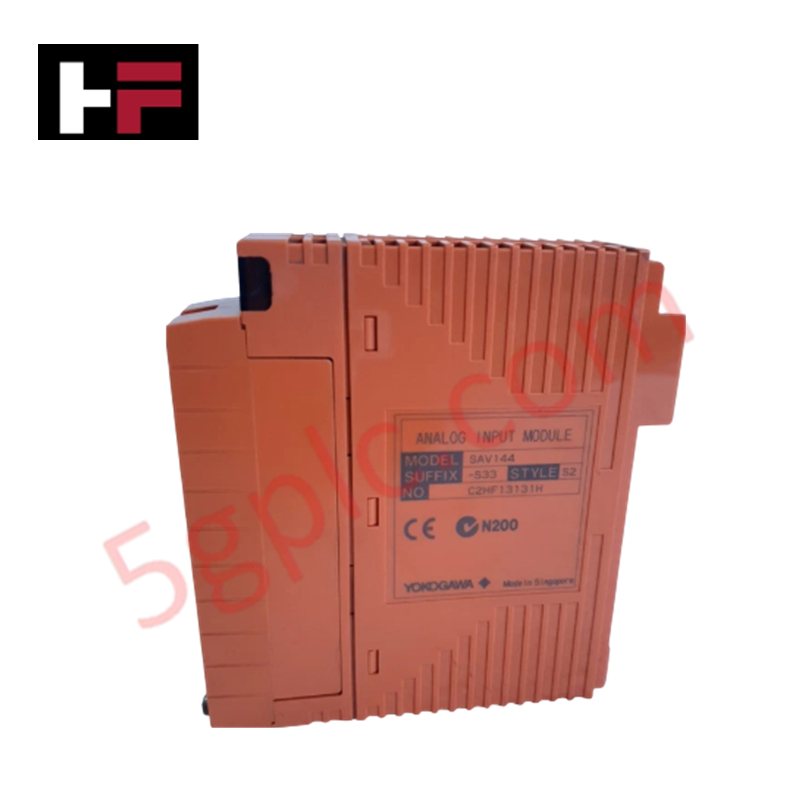
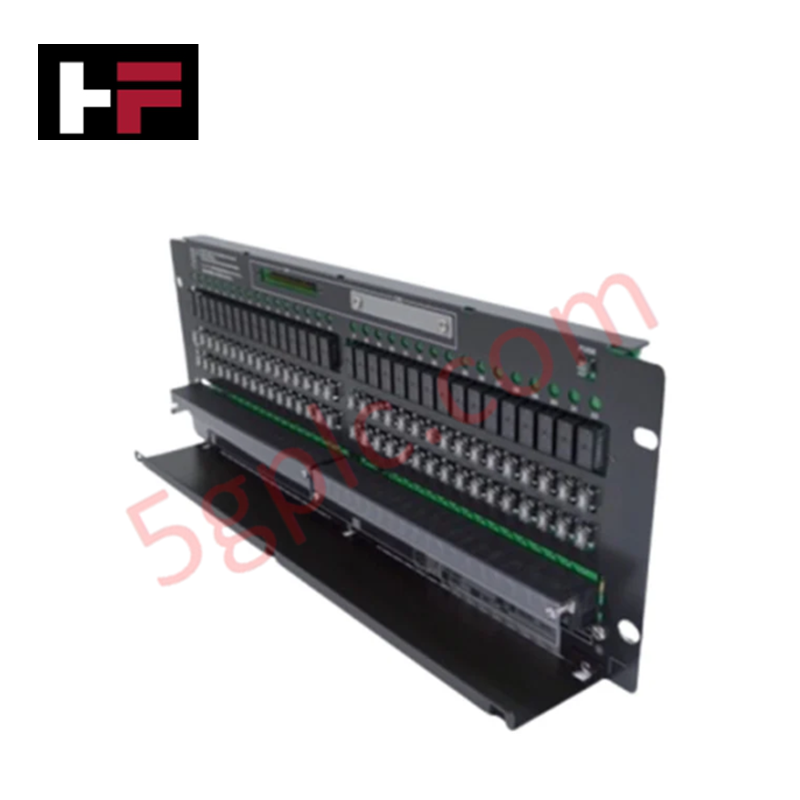
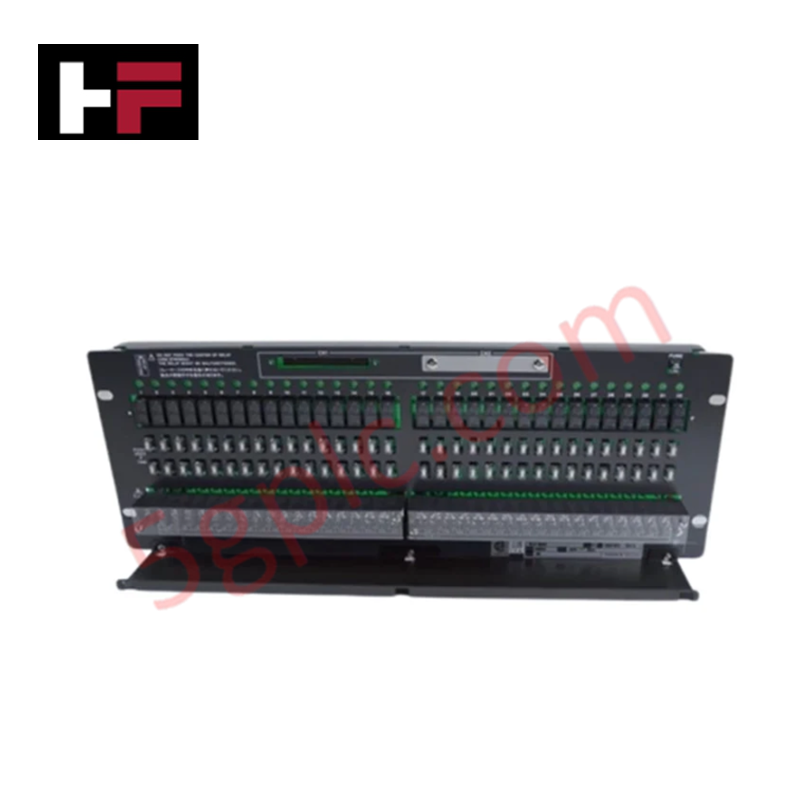
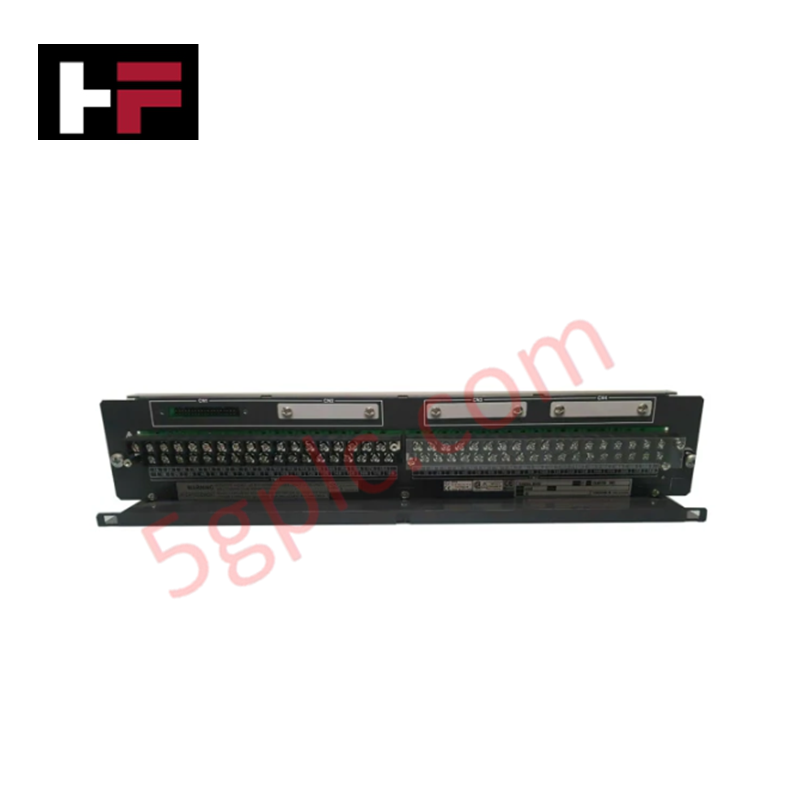
Yokogawa AIP512 CENTUM VP V-Net Coupler Module
The Yokogawa AIP512 serves as a critical interface unit within the CENTUM VP Distributed Control System (DCS) architecture, specifically designed to bridge the gap between the high-speed V-Net control network and Remote I/O (RIO) field segments. In complex industrial environments where centralizing control while decentralizing I/O is essential, this module eliminates signal latency and ensures deterministic data transmission. By supporting up to 31 devices on a single channel with robust noise immunity, the AIP512 allows plant operators in power generation and petrochemical facilities to extend control capabilities to remote skids or hazardous areas without compromising system integrity or real-time performance.
Technical Specifications
|
Parameter |
Specification |
|---|---|
|
Product Model |
AIP512 |
|
Manufacturer |
Yokogawa Electric Corporation |
|
Module Type |
V-Net Coupler / RIO Bus Connection Module |
|
Compatible System |
CENTUM VP DCS |
|
Bus Architecture |
RIO (Remote I/O) |
|
Channel Count |
1 Channel |
|
Node Capacity |
Maximum 31 devices per channel |
|
Transmission Rate |
1 Mbps |
|
Cable Medium |
Shielded Twisted Pair |
|
Connection Interface |
M4 Screw Terminal Block |
|
Power Supply Options |
100-120 VAC (50/60 Hz), 220-240 VAC (50/60 Hz), or 24 VDC |
|
Operating Temperature |
-40°C to +70°C (-40°F to +158°F) |
|
Environmental Protection |
IP67 Rated (Dust tight and water immersion resistant) |
|
Physical Dimensions |
3.0" x 3.0" x 12.0" (7.6 cm x 7.6 cm x 30.5 cm) |
|
Mounting Style |
DIN Rail or Panel Mount (Standard Industrial) |
Model Code Decomposition
Yokogawa’s CENTUM VP hardware naming convention is functional and direct, prioritizing system identification over variable configuration suffixes found in sensor cabling. The AIP512 is a fixed-configuration logic module.
Part Number: AIP512
-
AI: Identifies the hardware series within the Yokogawa CENTUM VP family, denoting standard I/O and interface units.
-
P: Signifies the "Processor" or "Interface" functional category. In this context, it indicates a communication processing unit that manages protocol conversion between V-Net and RIO.
-
512: The specific designator for the V-Net to RIO Coupler.
-
The "5" series typically relates to communication and network interface modules.
-
The "12" sequence uniquely identifies the 1-channel, 1 Mbps RIO coupling capability with universal voltage input support.
-
Suffix Logic: The base part number AIP512 does not utilize variable alphanumeric suffixes for voltage or temperature ranges in standard catalogs, as the unit is engineered with a universal power supply (accepting both AC and DC inputs) and an industrial-grade temperature range (-40°C to +70°C) by default. Any specific revision levels (e.g., /S1, /H2) indicating minor hardware updates are managed via Yokogawa’s internal engineering change orders and do not alter the primary procurement part number for system compatibility.
Installation Recommendations and Wiring Guidelines
Installing the AIP512 requires adherence to strict industrial wiring standards to maintain the 1 Mbps transmission rate and IP67 environmental protection.
-
Power Supply Selection: The module supports dual AC ranges (100-240 VAC) and 24 VDC. Ensure the incoming power matches the plant standard. If using 24 VDC, verify polarity before connection to prevent damage to the input circuitry. For AC applications, ensure the frequency (50/60 Hz) is within tolerance.
-
RIO Cabling: Use high-quality, shielded twisted pair cables for the RIO bus connection. The shield must be grounded at one end (typically the controller side) to prevent ground loops while maintaining EMI protection.
-
Termination: Since the bus supports up to 31 devices, proper termination resistors must be installed at the physical ends of the daisy-chained segment to prevent signal reflection, which can cause communication errors at 1 Mbps.
-
Connector Tightening: Utilize a calibrated torque screwdriver for the M4 screw terminals. Under-tightening leads to high resistance and heat; over-tightening can strip threads or damage the terminal block. Recommended torque is typically 0.5–0.7 N·m (verify with specific terminal datasheet).
-
Environmental Sealing: Although rated IP67, ensure that all cable glands and entry points into the enclosure are properly sealed. This is critical for installations in outdoor skids, wastewater treatment plants, or washdown areas in food and beverage processing.
-
Thermal Management: While the unit operates up to +70°C, ensure adequate airflow around the module if installed in a confined panel with other heat-generating components to maximize component lifespan.
Frequently Asked Questions (FAQ)
Q: What is the maximum distance for the RIO bus connected to the AIP512?A: While the AIP512 supports a transmission rate of 1 Mbps, the maximum cable distance depends on the cable type and number of drop lines. Typically, shielded twisted pair can support several hundred meters at 1 Mbps. Consult the CENTUM VP Engineering Manual for specific distance charts based on your cable gauge.
Q: Can I mix 24 VDC and 240 VAC powered AIP512 modules on the same V-Net?A: Yes. The AIP512 module itself accepts universal power inputs. As long as each individual unit is wired to its respective available power source (either AC or DC), they will communicate seamlessly on the same V-Net and RIO bus without conflict.
Q: How many field devices can I connect to a single AIP512?A: A single AIP512 channel supports a maximum of 31 remote I/O nodes or intelligent field devices. If your application requires more nodes, additional AIP512 modules (channels) must be installed in the control station.
Q: Is the AIP512 hot-swappable?A: In the CENTUM VP architecture, I/O and coupler modules are generally designed for online maintenance. However, replacing a V-Net coupler may temporarily interrupt communication to the specific RIO segment it serves. It is recommended to perform replacement during a planned maintenance window or ensure redundant network paths are active.
Q: Does the IP67 rating apply to the module alone or the enclosure?A: The IP67 rating applies to the module when installed in a compatible, sealed enclosure with properly glanded cable entries. The bare module terminals are not water-resistant without the protective housing.
Additional Information
- 100% Genuine Parts: All products are original and authentic, ensuring reliable industrial performance.
- 30-Day Refund Guarantee: Return any in-stock item within 30 days in original, unopened packaging for a full refund (excluding shipping and fees).
- 12-Month Warranty: Covers defects in materials or workmanship; excludes misuse, normal wear, or unauthorized modifications.
- Worldwide Shipping: We ship via USPS, UPS, FedEx, and DHL. Delivery times vary by country and may be subject to customs or import fees.
- Support & Contact: Technical and warranty assistance is available anytime. Contact us here: Contact.
- Purchase Guidance: Check product specifications and compatibility carefully before ordering to ensure proper application.
Tech & Buying Guide

Essential Motion Control Commands: A Practical Guide for Engineers
Automation engineers often rely on precise position and speed control to drive modern factory machinery. Modern industrial systems, such as Programmable Logic Controllers (PLCs) and Distributed Control Systems (DCS), depend heavily on standardized motion instructions. Mastering these commands ensures operational safety, protects mechanical components, and optimizes cycle times across production lines.
Mastering Modern Industrial Joystick Controls in Heavy Automation
Industrial joysticks play a pivotal role in human-machine interaction across heavy material handling and mobile hydraulics. These tactile controllers translate complex operator movements into precise electrical signals for PLCs, motion controllers, and DCS networks. Consequently, selecting and installing the right joystick architecture ensures operator safety, reduces fatigue, and optimizes equipment performance.

Navigating Industrial Automation Failures: Types, Causes, and Mitigation Strategies
Modern manufacturing relies heavily on automated control systems to maximize throughput and maintain product quality. However, unplanned downtime in industrial automation can cost facility operators thousands of dollars per hour. Understanding how programmable logic controllers (PLCs), distributed control systems (DCS), and field instrumentation fail empowers engineering teams to implement robust preventive maintenance strategies.