










Product Details
Product Overview
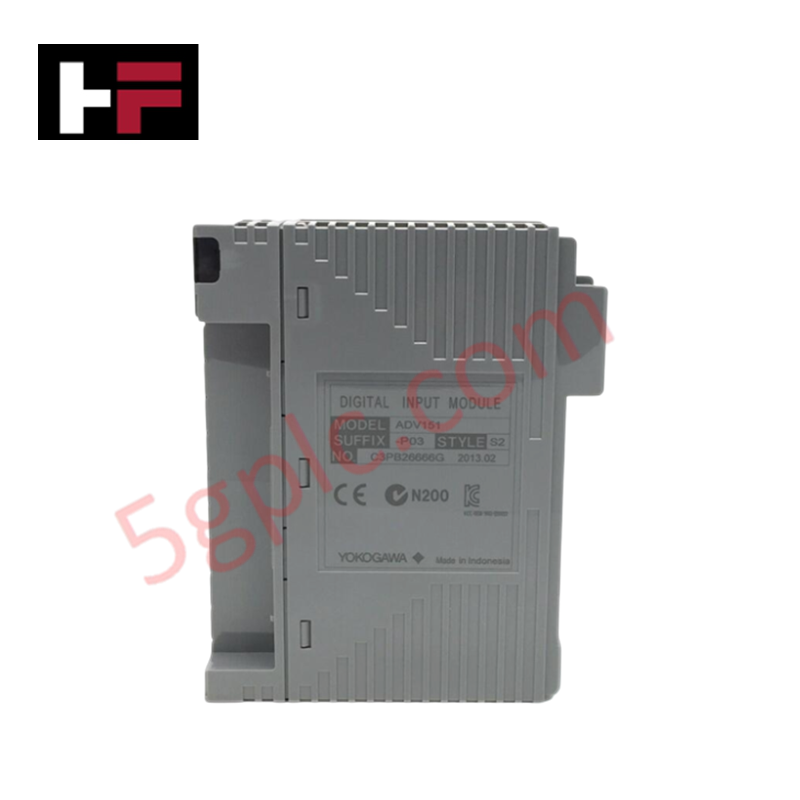
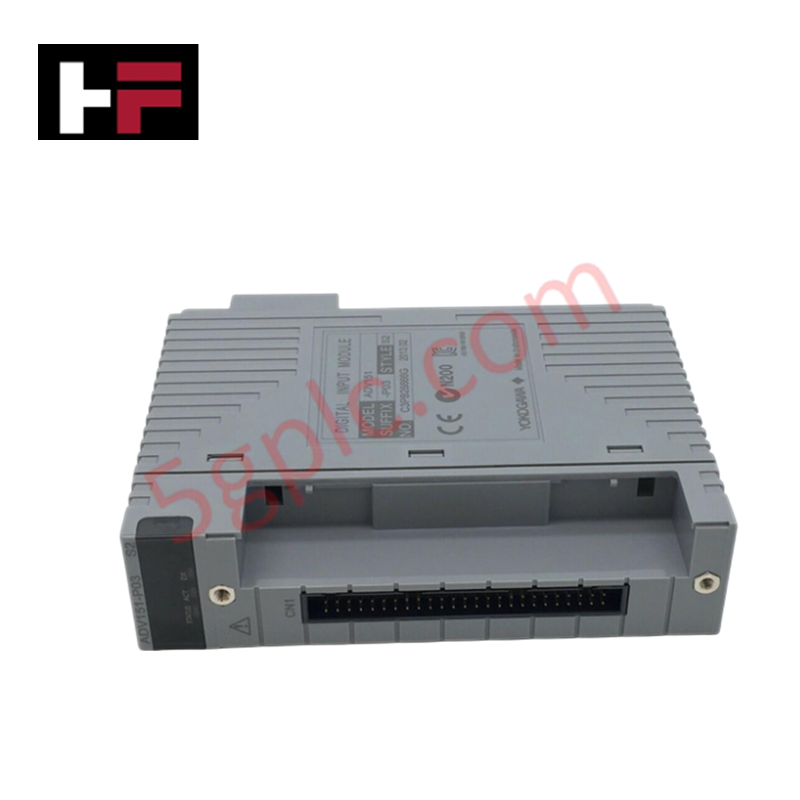
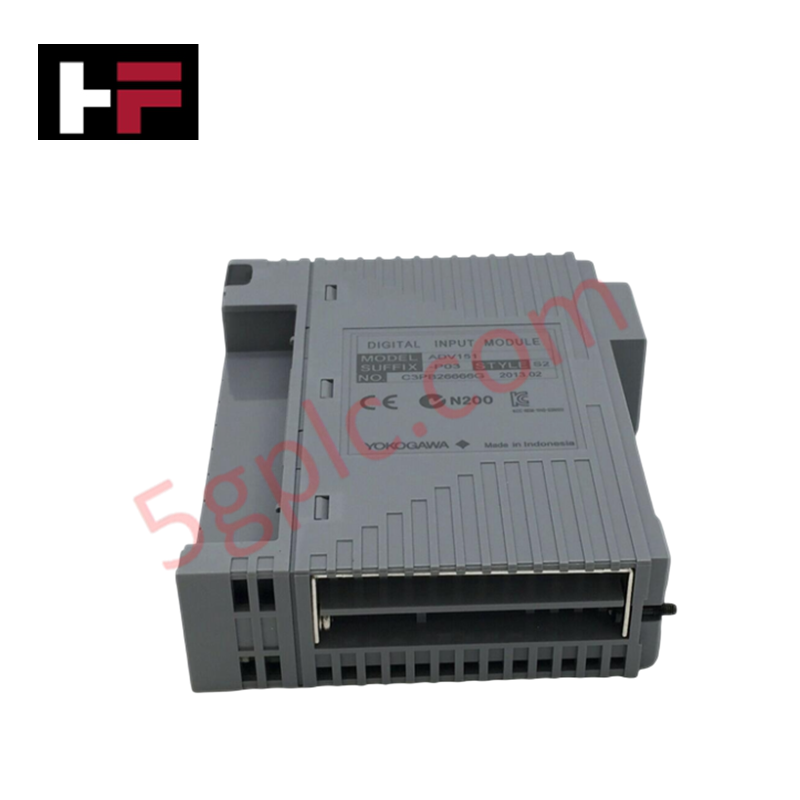
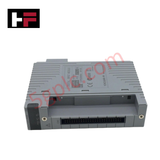
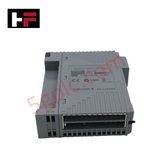
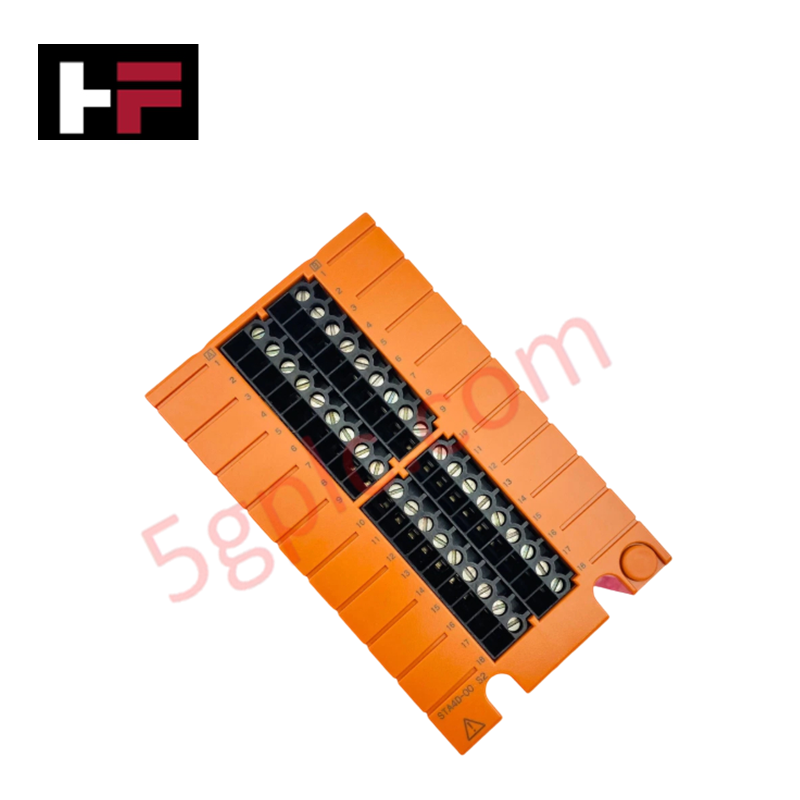
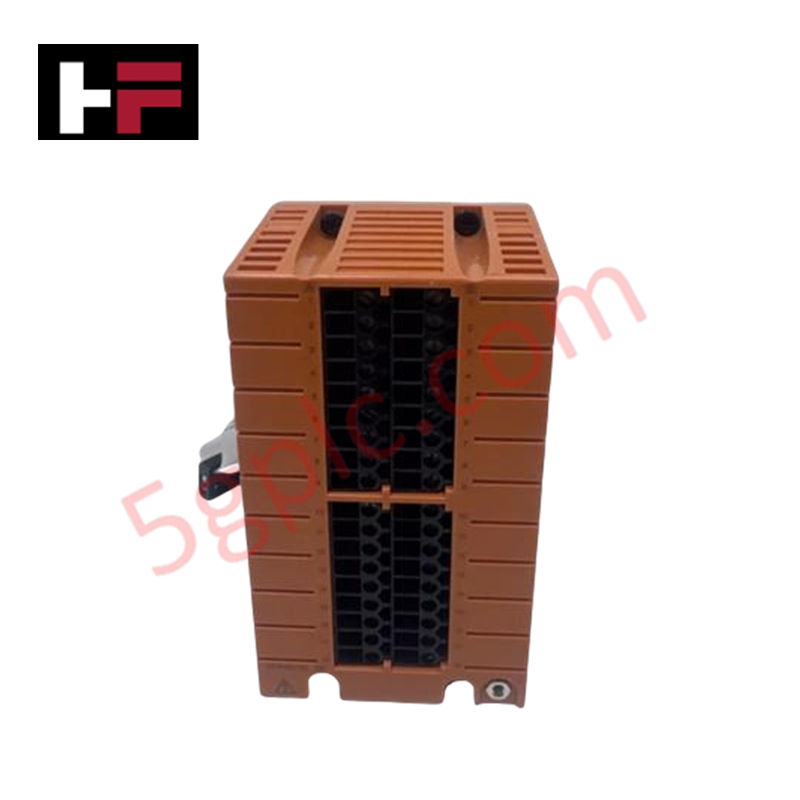
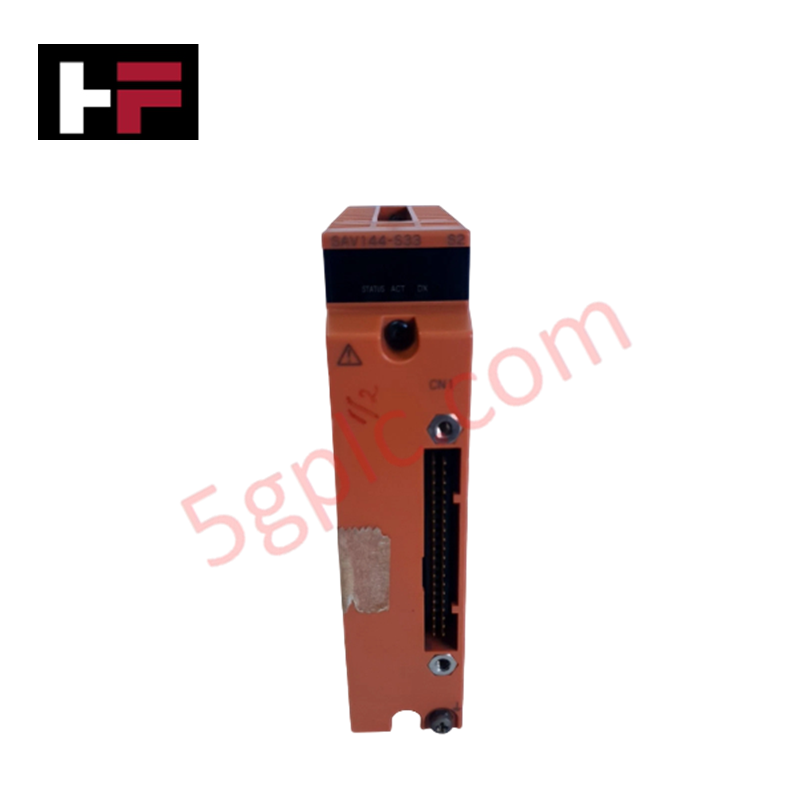
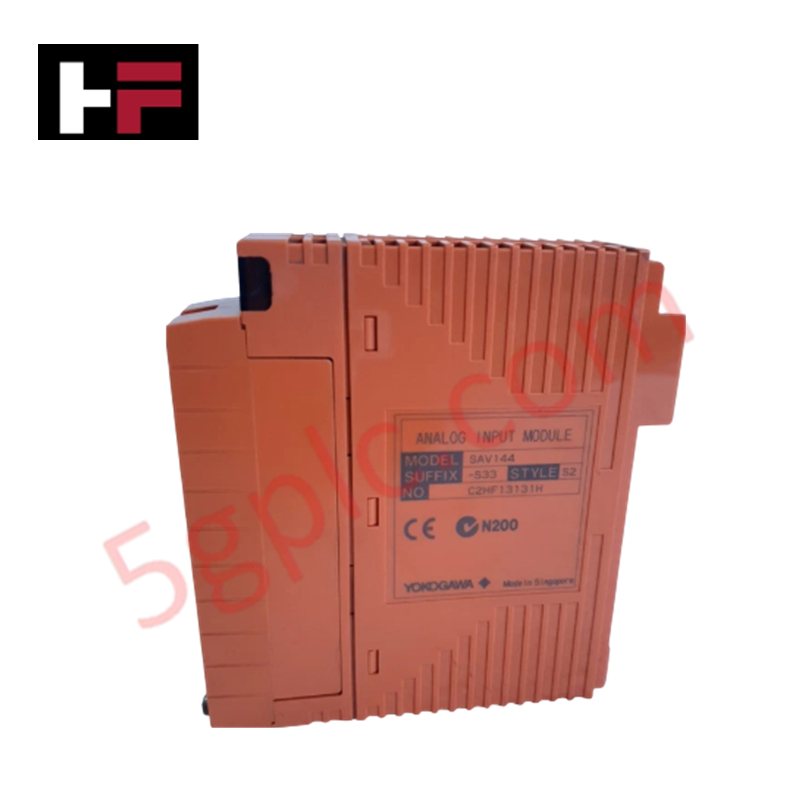
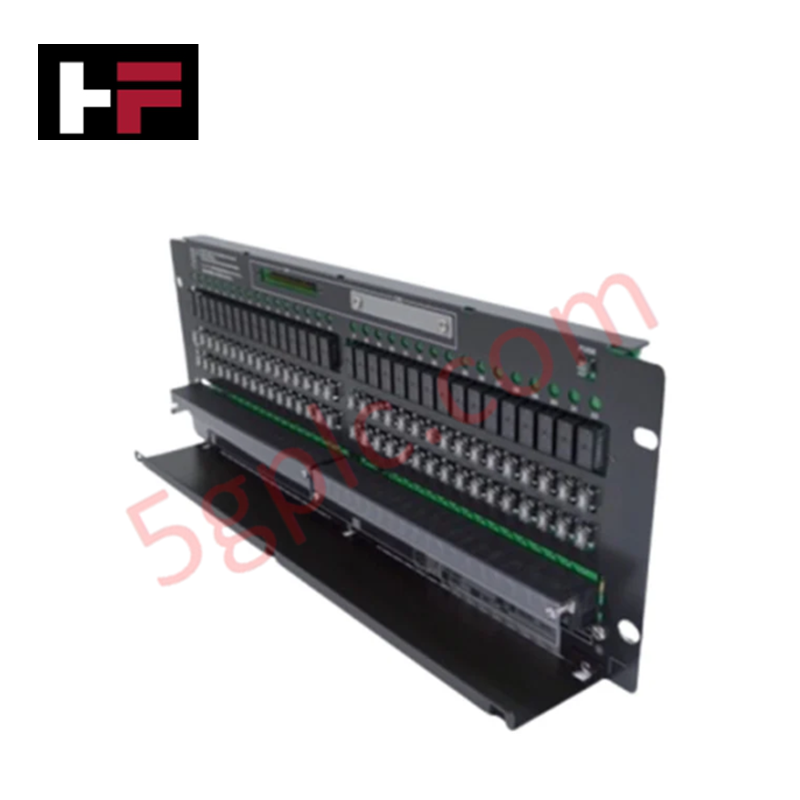
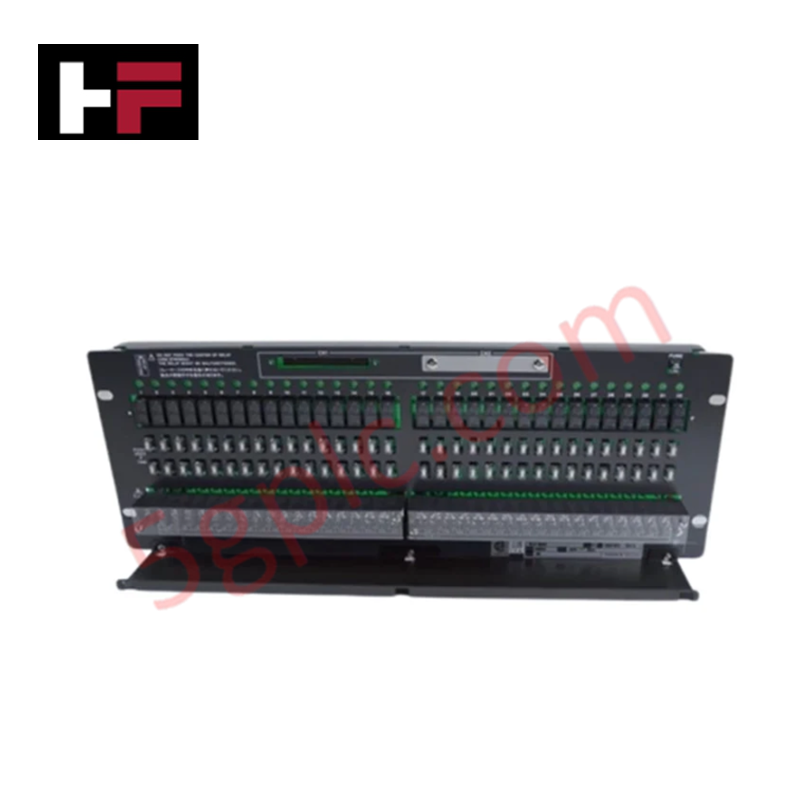
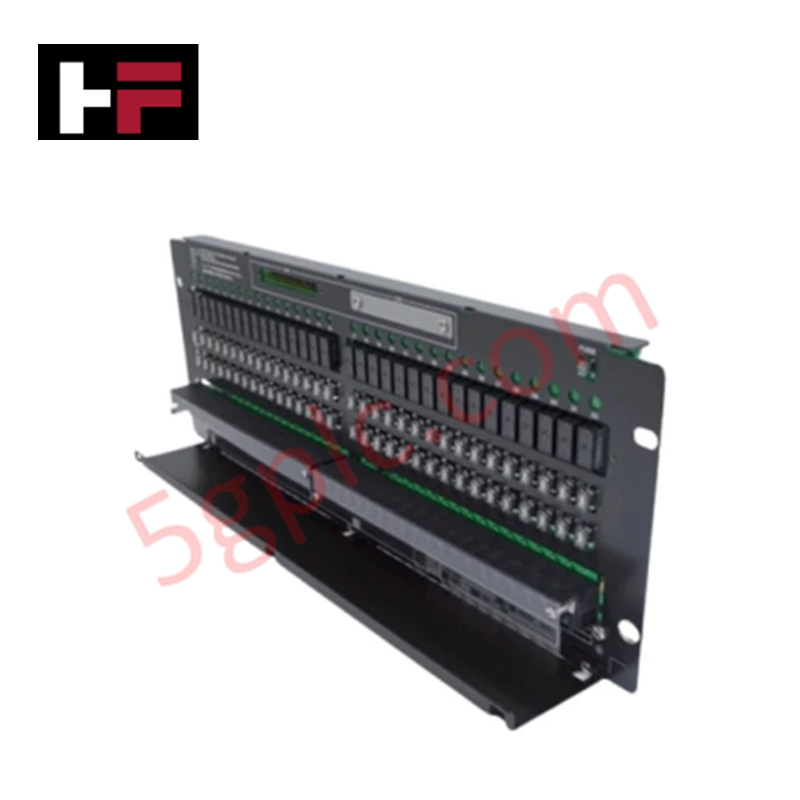
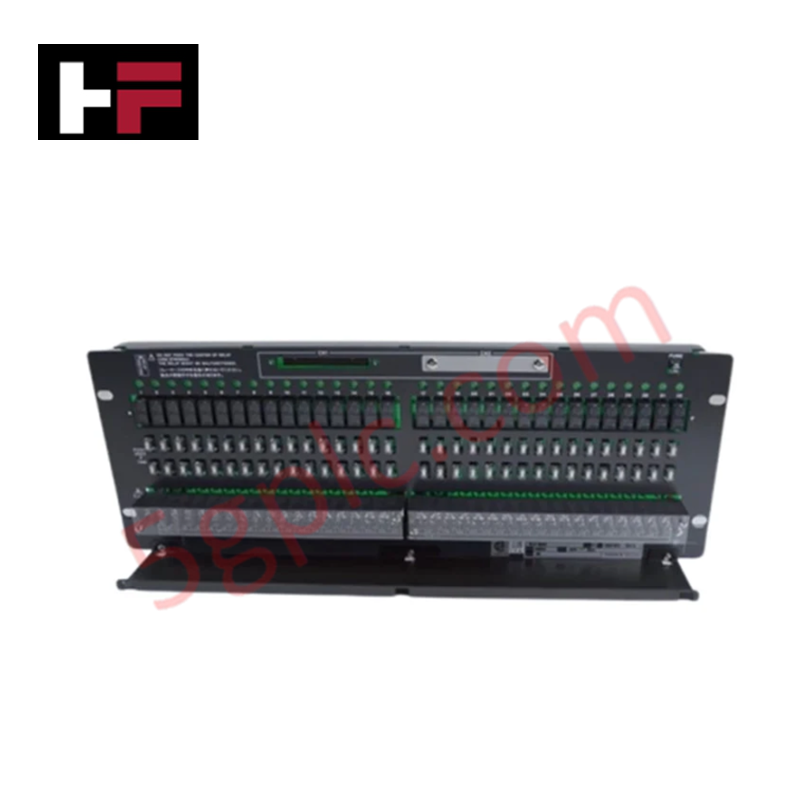
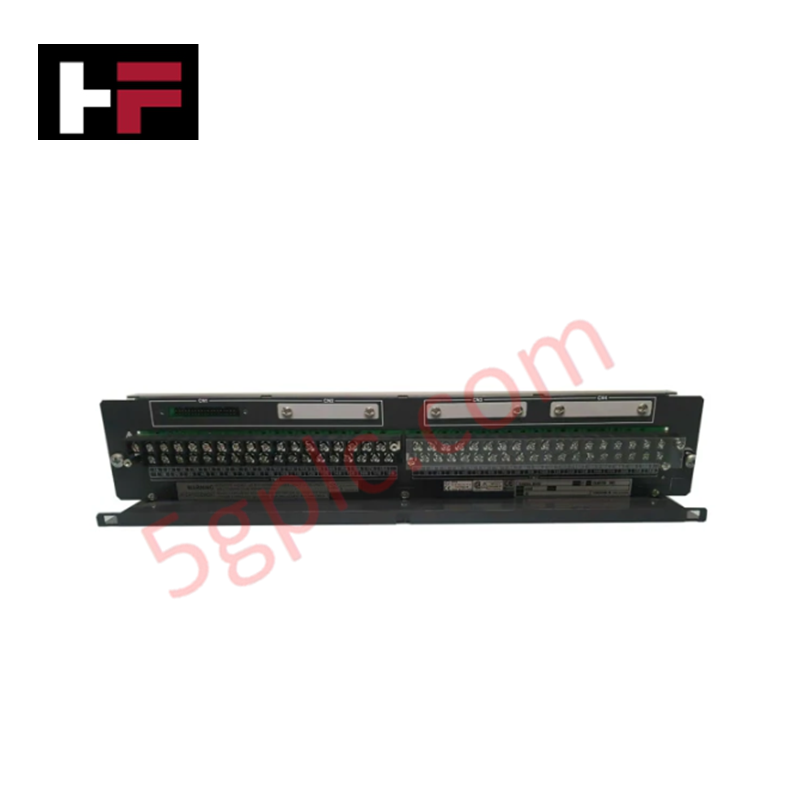
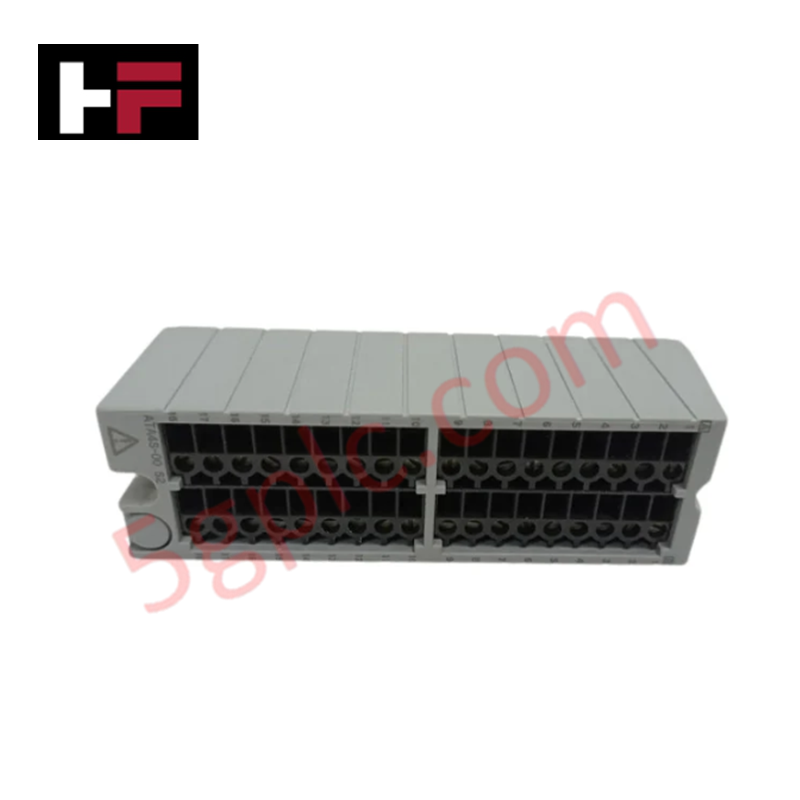
The Yokogawa ADV151-P50 functions as a ruggedized, high-density discrete signal interface for the CENTUM VP Distributed Control System (DCS). This 32-channel module captures binary data from field equipment, such as limit switches, motor auxiliary contacts, and pushbutton stations. The "50" designation indicates that this module features G3-level corrosive resistance, making it the primary choice for installations in harsh chemical, oil and gas, or wastewater treatment facilities where atmospheric contaminants are present.
Condition: 100% Brand New and Original Factory Sealed.
Part Number Breakdown: ADV151-P50
Yokogawa uses a specific coding system to define environmental protection and connection styles:
-
ADV151: Digital Input Module (32-channel, 24 V DC, Isolated).
-
-P: Pressure-clamp terminal connection style.
-
5: With G3 Corrosive Resistance (Conformal coating for $H_2S$, $SO_2$, and $Cl_2$ protection).
-
0: Basic type hardware specification.
Technical Specifications
The ADV151-P50 provides precise electrical thresholds and environmental hardening for critical process monitoring.
-
Number of Channels: 32, isolated (in groups)
-
Input Signal: 24 V DC (Dry contact or Voltage input)
-
Input Current: 4.1 mA (at 24 V DC)
-
ON Voltage/Current: 18 to 26.4 V DC / $\ge$ 3.0 mA
-
OFF Voltage/Current: $\le$ 5.0 V DC / $\le$ 1.0 mA
-
Withstand Voltage: 1500 V AC between input and system
-
Data Update Cycle: 10 ms
-
Environmental Protection: ISA Standard S71.04 Class G3
-
Current Consumption: 500 mA (at 5 V DC)
Engineering Advantages
-
G3-Rated Corrosive Resistance: The ADV151-P50 features specialized conformal coating on all internal circuit boards. This prevents silver and copper corrosion caused by hydrogen sulfide and other aggressive gases, significantly extending the module's lifespan in unconditioned industrial environments.
-
Maximized Rack Efficiency: Processing 32 channels within a single slot reduces the total number of subracks and nodes required for a project. This high-density architecture allows for smaller control cabinets and lower overall system costs.
-
Industrial-Grade Optical Isolation: The module provides 1500 V AC isolation between field-side inputs and the internal DCS bus. This isolation protects the central processor from electrical transients and ground noise, ensuring continuous system availability.
-
Rapid Logic Updates: A 10 ms update cycle provides the near-instantaneous feedback required for high-speed interlocking and sequence-of-events (SOE) recording.
-
Simplified Field Wiring: The pressure-clamp terminal configuration allows for direct wiring to the module. This eliminates the need for separate external terminal boards in many applications, reducing potential points of failure in the signal loop.
FAQs
-
Does the ADV151-P50 require an external power supply?
Yes. You must provide an external 24V DC supply to power the field-side contacts (wetting voltage). The module senses the presence or absence of this voltage to determine the logic state.
-
Can I replace an ADV151-P00 with an ADV151-P50?
Yes. The P50 version offers identical functionality but adds G3 environmental protection. It is a recommended upgrade if your control room is located in a corrosive area.
-
What is the difference between ADV151-P50 and ADV151-P53?
Both share the same G3 rating and 32-channel input logic. The P53 is a later hardware revision with updated internal sub-components for improved thermal efficiency and stability, but they are generally interchangeable.
-
Is the ADV151-P50 hot-swappable?
In a redundant I/O configuration, you can replace the module while the system is powered. For non-redundant loops, ensure you follow plant safety procedures, as all 32 inputs will lose signal during the swap.
Additional Information
- 100% Genuine Parts: All products are original and authentic, ensuring reliable industrial performance.
- 30-Day Refund Guarantee: Return any in-stock item within 30 days in original, unopened packaging for a full refund (excluding shipping and fees).
- 12-Month Warranty: Covers defects in materials or workmanship; excludes misuse, normal wear, or unauthorized modifications.
- Worldwide Shipping: We ship via USPS, UPS, FedEx, and DHL. Delivery times vary by country and may be subject to customs or import fees.
- Support & Contact: Technical and warranty assistance is available anytime. Contact us here: Contact.
- Purchase Guidance: Check product specifications and compatibility carefully before ordering to ensure proper application.
Tech & Buying Guide

Essential Motion Control Commands: A Practical Guide for Engineers
Automation engineers often rely on precise position and speed control to drive modern factory machinery. Modern industrial systems, such as Programmable Logic Controllers (PLCs) and Distributed Control Systems (DCS), depend heavily on standardized motion instructions. Mastering these commands ensures operational safety, protects mechanical components, and optimizes cycle times across production lines.
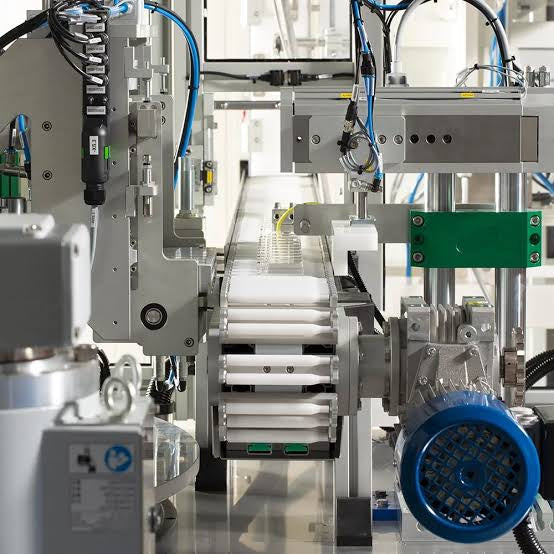
Mastering Modern Industrial Joystick Controls in Heavy Automation
Industrial joysticks play a pivotal role in human-machine interaction across heavy material handling and mobile hydraulics. These tactile controllers translate complex operator movements into precise electrical signals for PLCs, motion controllers, and DCS networks. Consequently, selecting and installing the right joystick architecture ensures operator safety, reduces fatigue, and optimizes equipment performance.

Navigating Industrial Automation Failures: Types, Causes, and Mitigation Strategies
Modern manufacturing relies heavily on automated control systems to maximize throughput and maintain product quality. However, unplanned downtime in industrial automation can cost facility operators thousands of dollars per hour. Understanding how programmable logic controllers (PLCs), distributed control systems (DCS), and field instrumentation fail empowers engineering teams to implement robust preventive maintenance strategies.