










Product Details
Product Overview
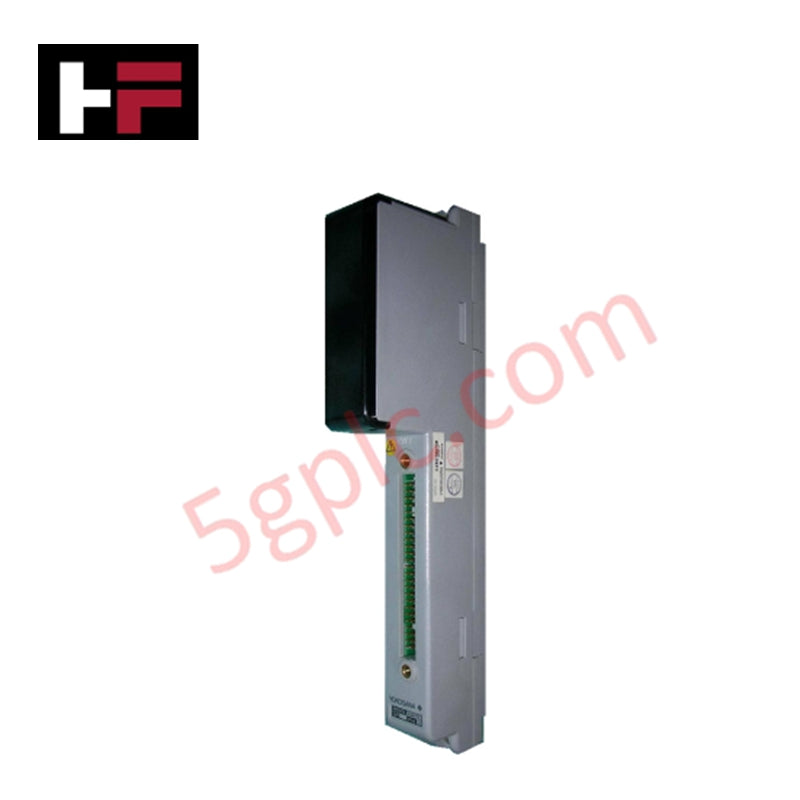
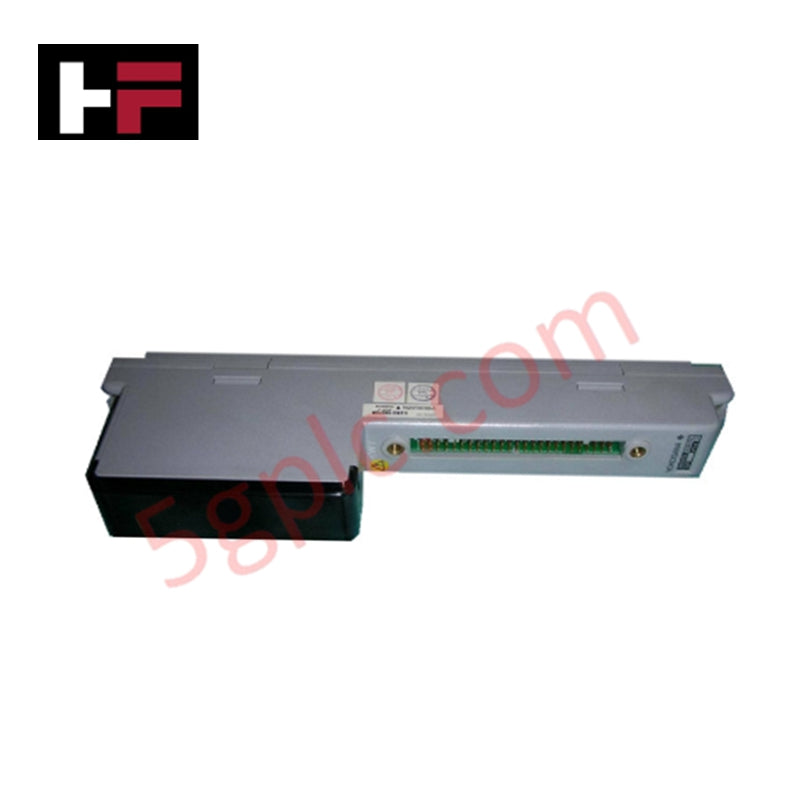
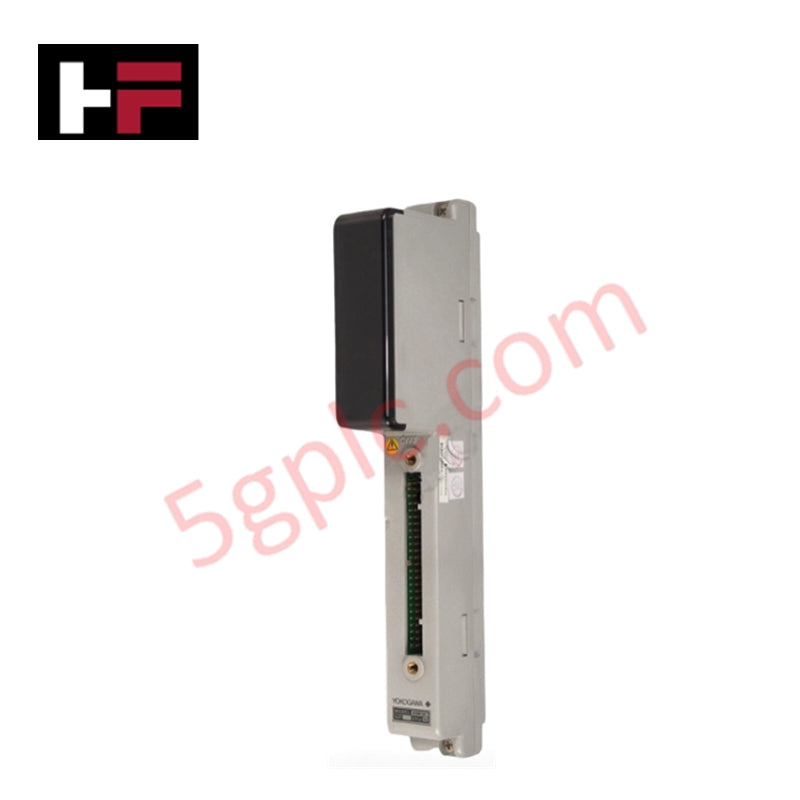
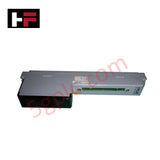
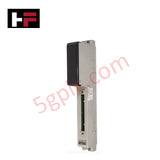
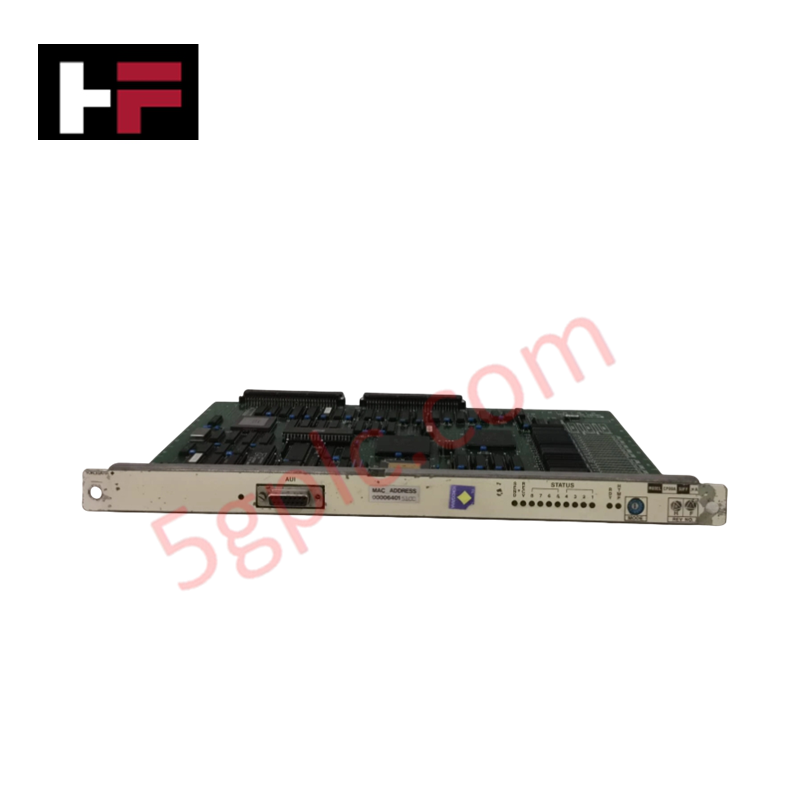
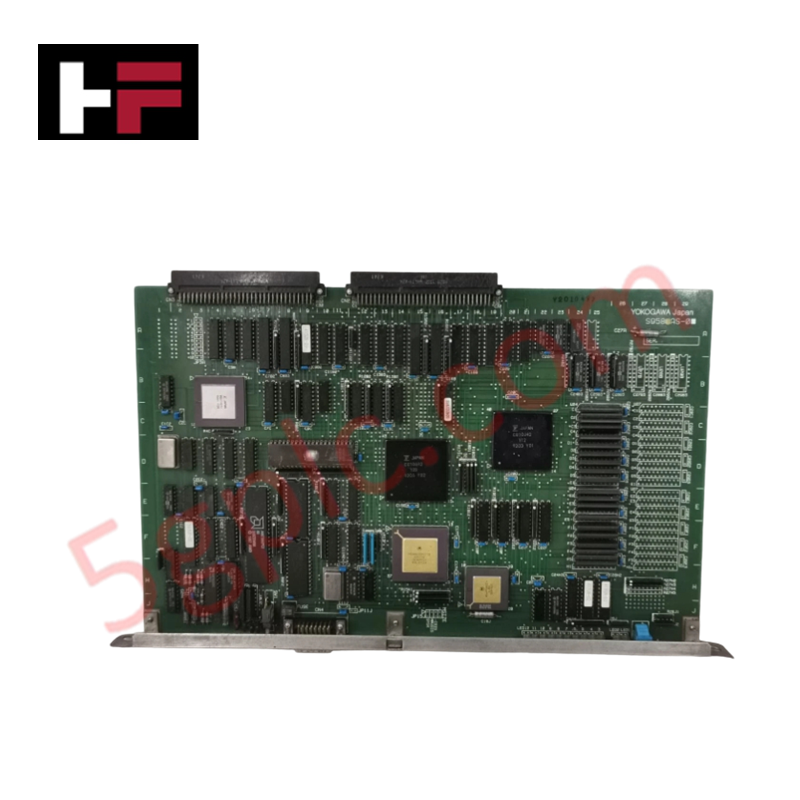
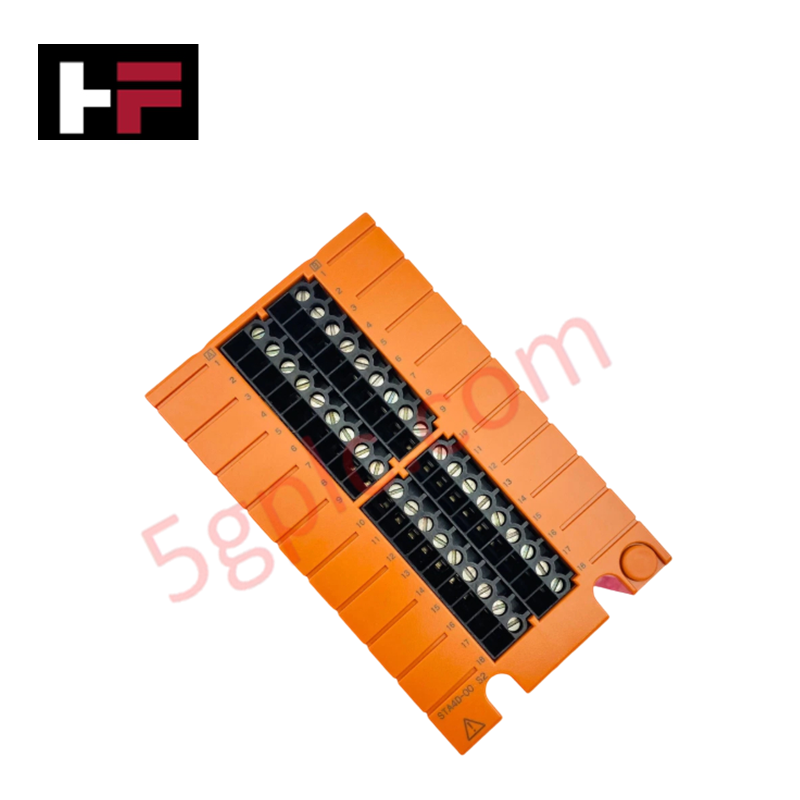
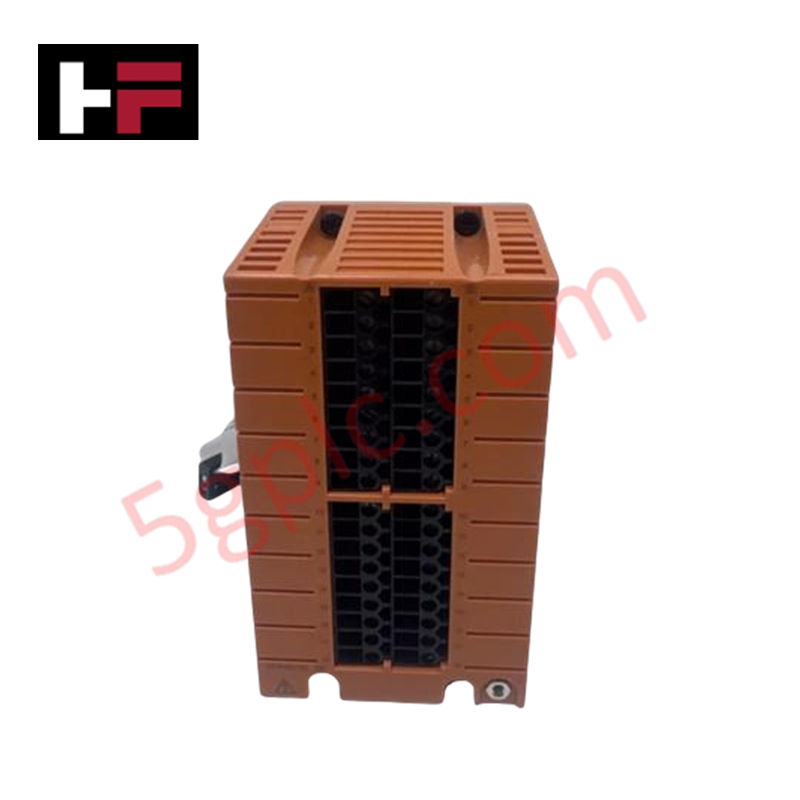
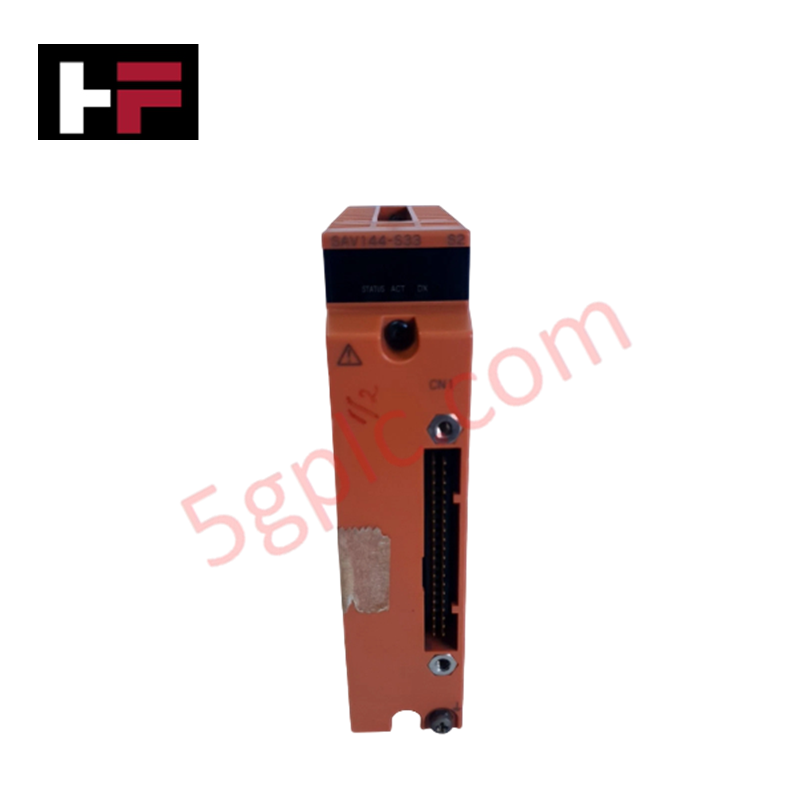
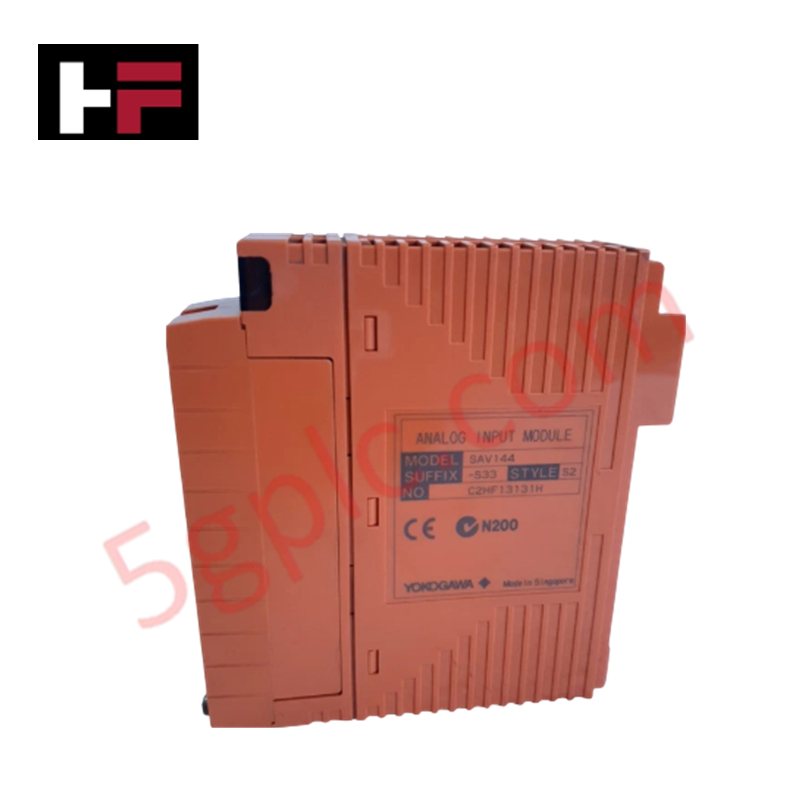
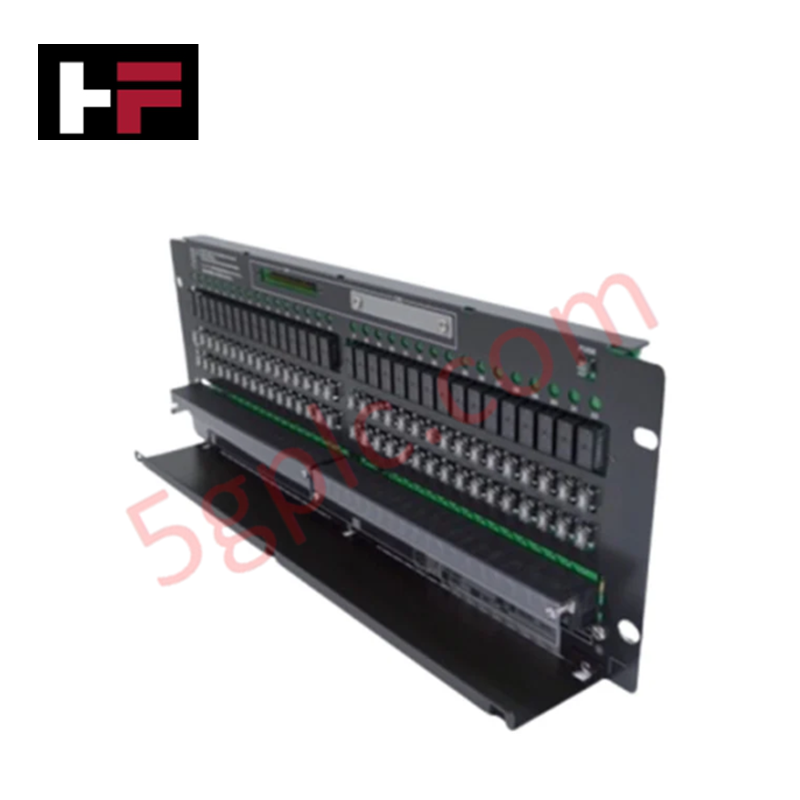
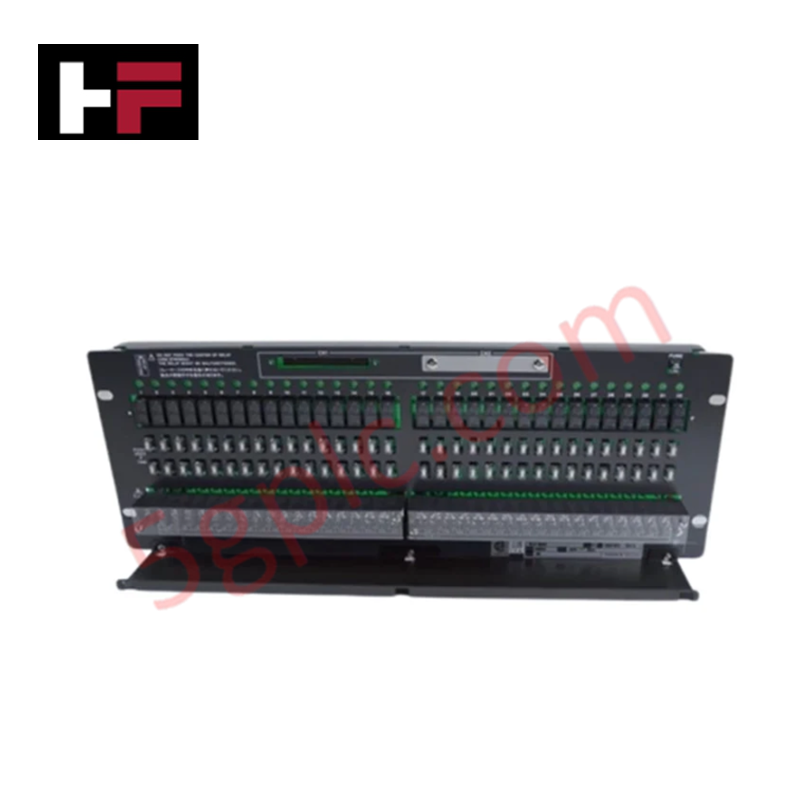
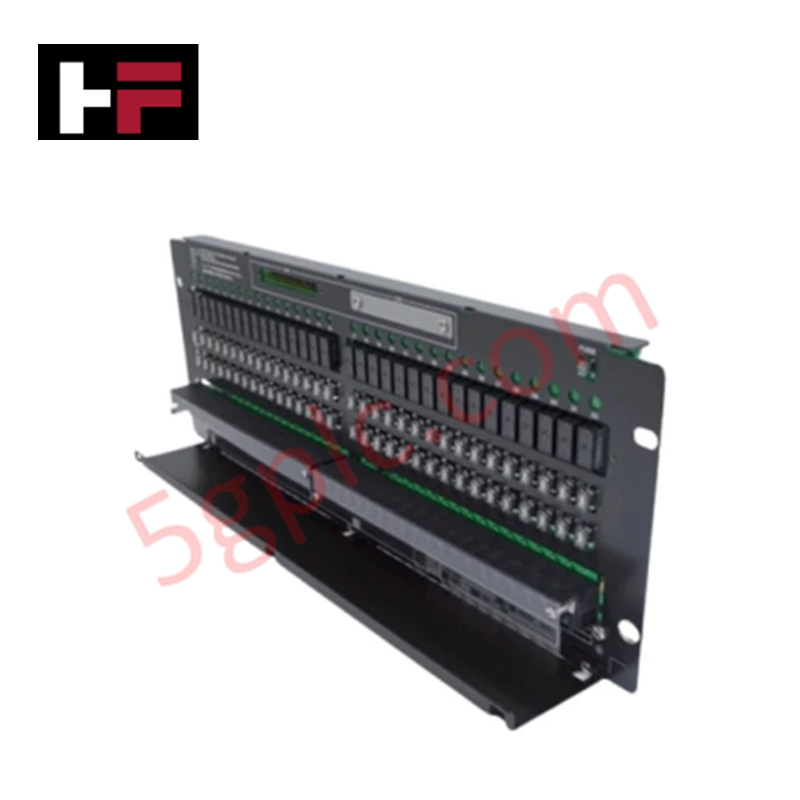
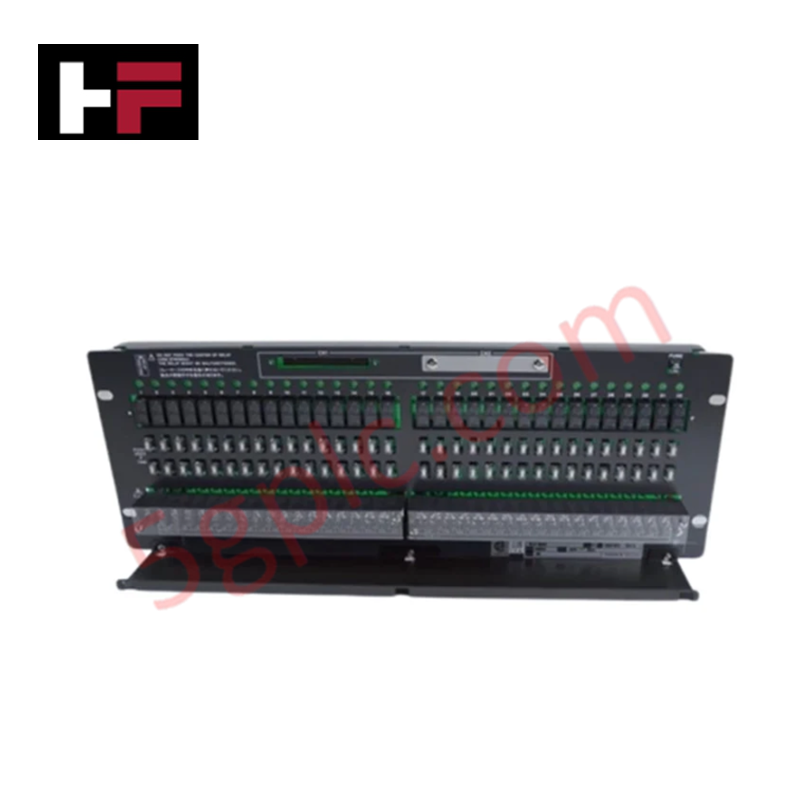
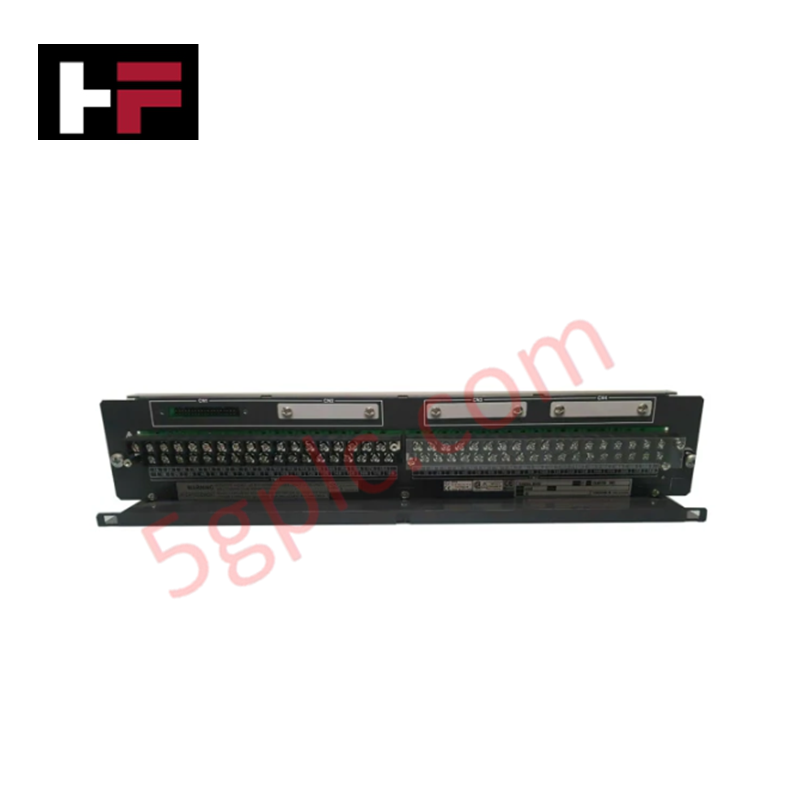
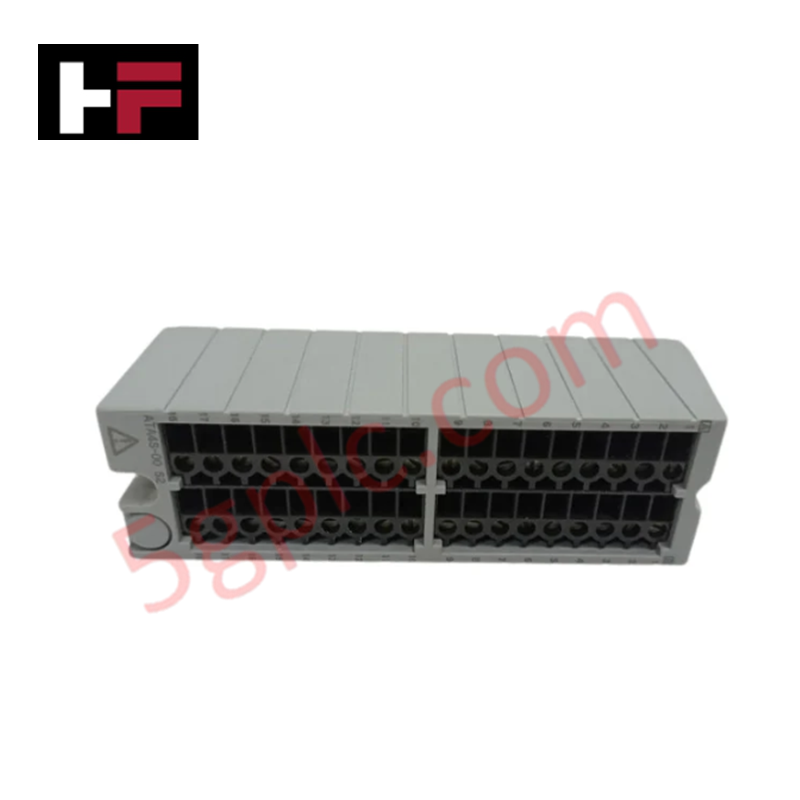
The Yokogawa ADM12C functions as a high-density contact input interface for Yokogawa Distributed Control Systems (DCS). It monitors up to 32 discrete points, converting external dry contact states into digital signals for the controller. This module utilizes a connector-type interface to facilitate rapid wiring and occupies a single slot in the I/O module nest, providing efficient status monitoring for switches, relays, and field sensors.
Technical Specifications
The ADM12C provides precise digital acquisition through the following technical parameters:
| Feature | Specification |
| I/O Capacity | 32 Points |
| Interface Type | Connector Type (KS9/KS10 Cable compatibility) |
| Contact Rating | 5 V DC, 20 mA min. (External contact standard) |
| Signal Isolation | Common minus side every 16 points |
| Pulse Detection | Width: 40 ms min / Period: 10 Hz max |
| Power Consumption | 600 mA max. (5.0 V DC) |
| Heat Dissipation | 0.6 Factor |
| Weight | 1.5 kg |
| Condition | 100% Brand New and Original |
Engineering Advantages
-
High-Density Monitoring: By packing 32 input points into a single module, the ADM12C reduces the required number of I/O slots. This saves valuable cabinet space and lowers the overall hardware footprint in large-scale installations.
-
Simplified Field Connectivity: The module connects via KS9 or KS10 cables to the TE32 terminal board. This plug-and-play connector approach eliminates point-to-point manual wiring at the module front, significantly reducing commission time and preventing wiring errors.
-
Robust Signal Integrity: Common-minus isolation every 16 points protects the internal system logic from field-side electrical noise. This segmentation ensures that a fault on one bank of inputs does not compromise the operational integrity of the entire module.
-
Effective Thermal Management: With a heat dissipation factor of 0.6, the ADM12C maintains low operating temperatures even under full load. This thermal efficiency prevents component degradation and extends the service life of the module in enclosed, high-density racks.
FAQs
-
Is the Yokogawa ADM12C supplied as brand new or refurbished?
We offer the ADM12C strictly as 100% Brand New and Original equipment. It ships in the manufacturer’s authentic packaging, ensuring zero previous usage and peak reliability for critical control paths.
-
What cabling and terminal boards do I need for installation?
The ADM12C requires a KS9 or KS10 connector cable to interface with the system. For field terminations, you must pair the module with a TE32 terminal board to ensure correct pin alignment and signal routing.
-
Does this module support pulse capture?
Yes. The ADM12C detects pulses with a minimum width of 40 ms. It supports pulse periods up to 10 Hz, making it suitable for monitoring slow-speed pulse signals from flow meters or limit switches.
-
How do I install the module into the rack?
Simply slide the ADM12C into the designated slot of the I/O module nest. Ensure the backplane connectors align perfectly before firmly seating the module. Secure the front mounting screws to maintain a stable ground connection and prevent vibration-induced signal loss.
Additional Information
- 100% Genuine Parts: All products are original and authentic, ensuring reliable industrial performance.
- 30-Day Refund Guarantee: Return any in-stock item within 30 days in original, unopened packaging for a full refund (excluding shipping and fees).
- 12-Month Warranty: Covers defects in materials or workmanship; excludes misuse, normal wear, or unauthorized modifications.
- Worldwide Shipping: We ship via USPS, UPS, FedEx, and DHL. Delivery times vary by country and may be subject to customs or import fees.
- Support & Contact: Technical and warranty assistance is available anytime. Contact us here: Contact.
- Purchase Guidance: Check product specifications and compatibility carefully before ordering to ensure proper application.
Tech & Buying Guide

Essential Motion Control Commands: A Practical Guide for Engineers
Automation engineers often rely on precise position and speed control to drive modern factory machinery. Modern industrial systems, such as Programmable Logic Controllers (PLCs) and Distributed Control Systems (DCS), depend heavily on standardized motion instructions. Mastering these commands ensures operational safety, protects mechanical components, and optimizes cycle times across production lines.
Mastering Modern Industrial Joystick Controls in Heavy Automation
Industrial joysticks play a pivotal role in human-machine interaction across heavy material handling and mobile hydraulics. These tactile controllers translate complex operator movements into precise electrical signals for PLCs, motion controllers, and DCS networks. Consequently, selecting and installing the right joystick architecture ensures operator safety, reduces fatigue, and optimizes equipment performance.

Navigating Industrial Automation Failures: Types, Causes, and Mitigation Strategies
Modern manufacturing relies heavily on automated control systems to maximize throughput and maintain product quality. However, unplanned downtime in industrial automation can cost facility operators thousands of dollars per hour. Understanding how programmable logic controllers (PLCs), distributed control systems (DCS), and field instrumentation fail empowers engineering teams to implement robust preventive maintenance strategies.