










Product Details
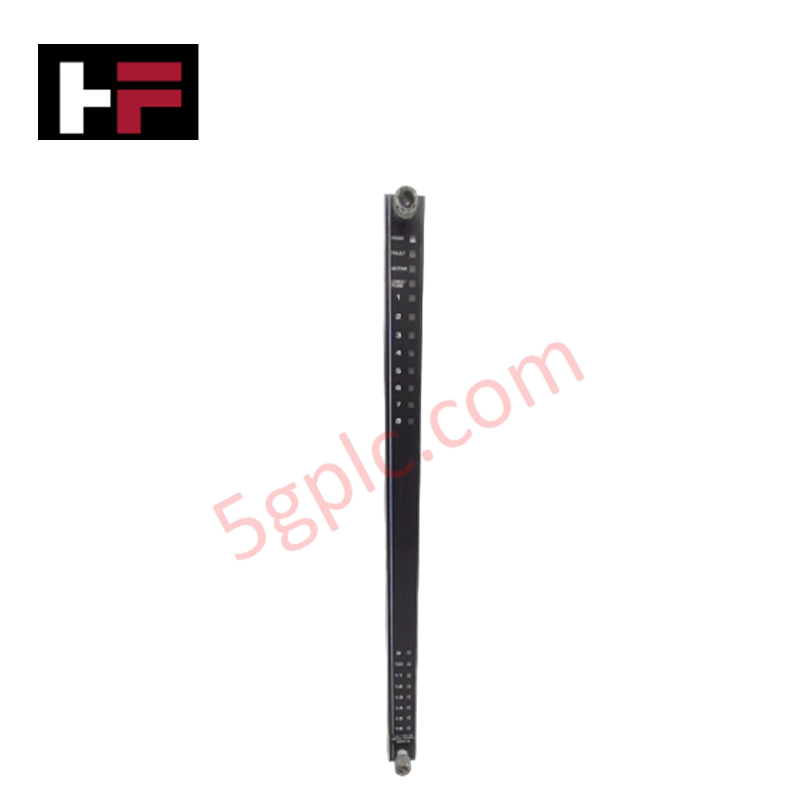
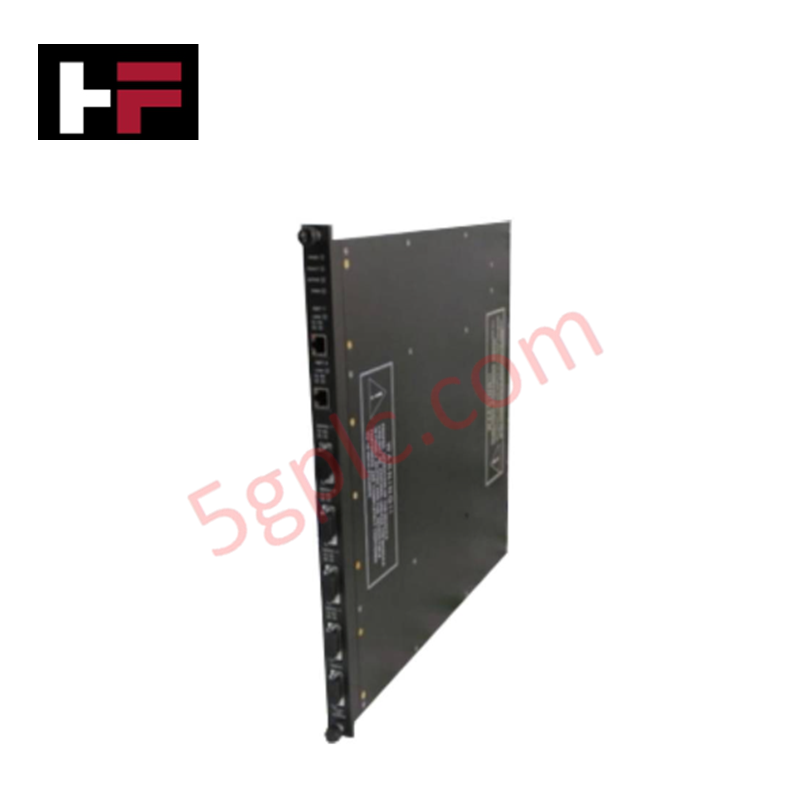
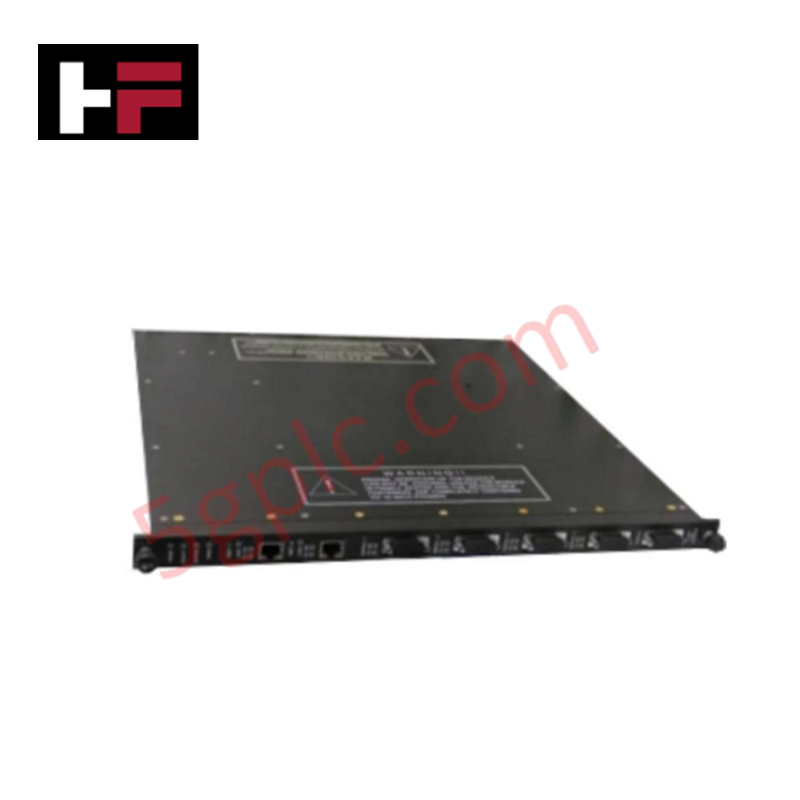
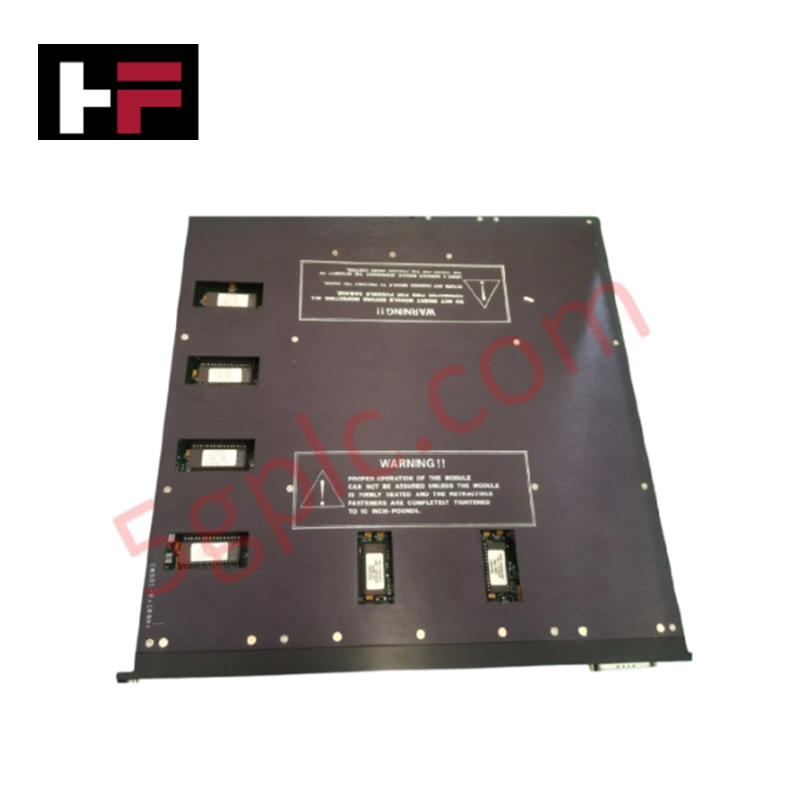
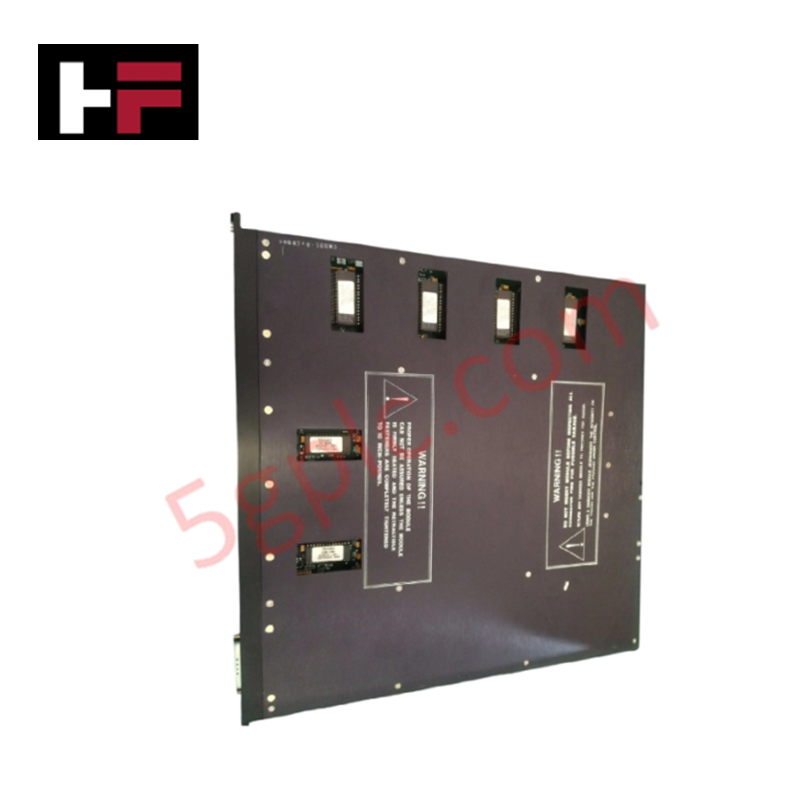
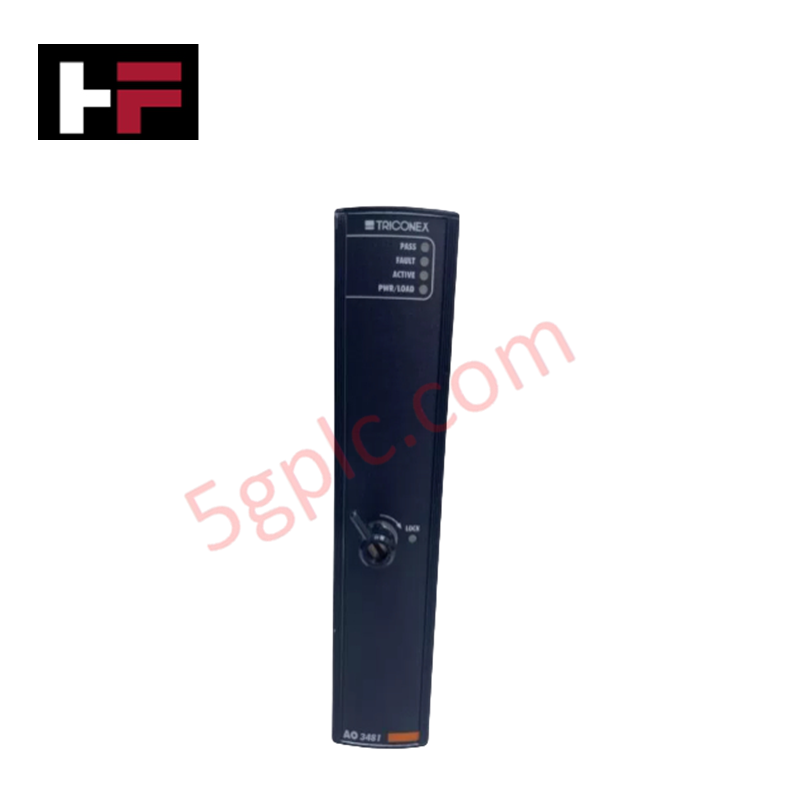
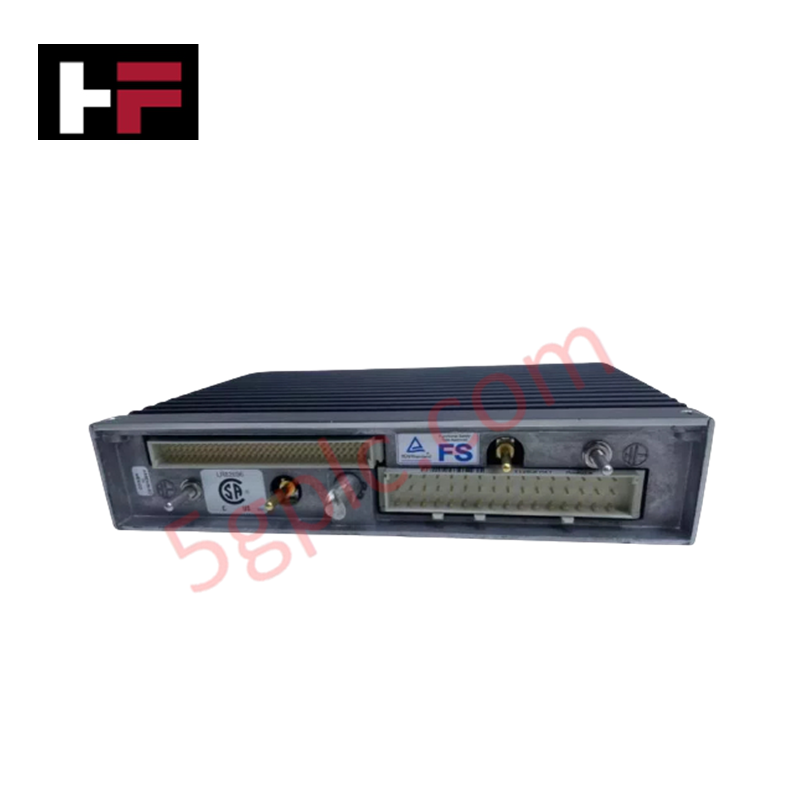
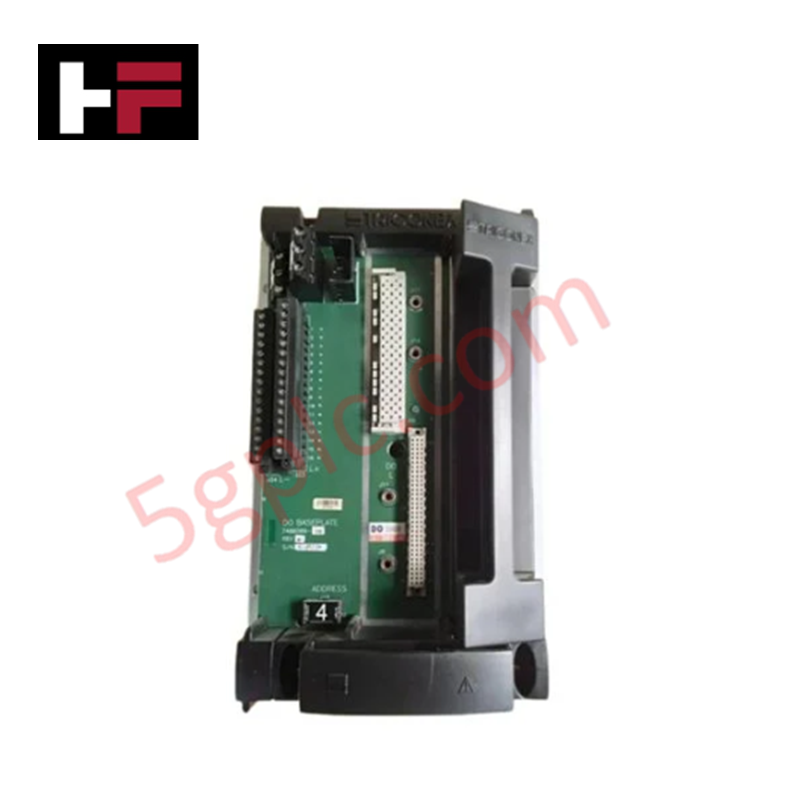
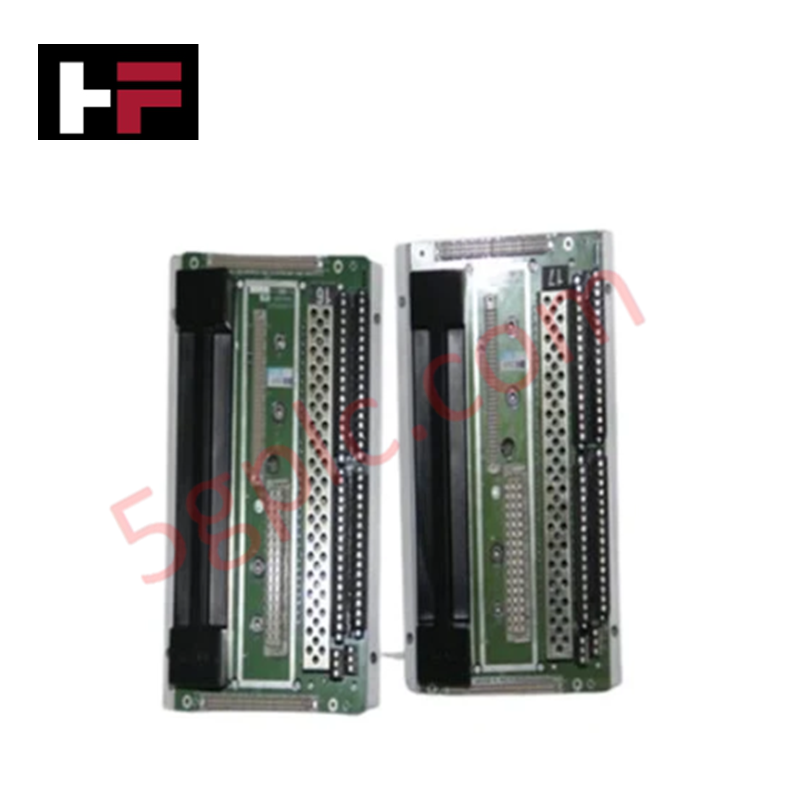
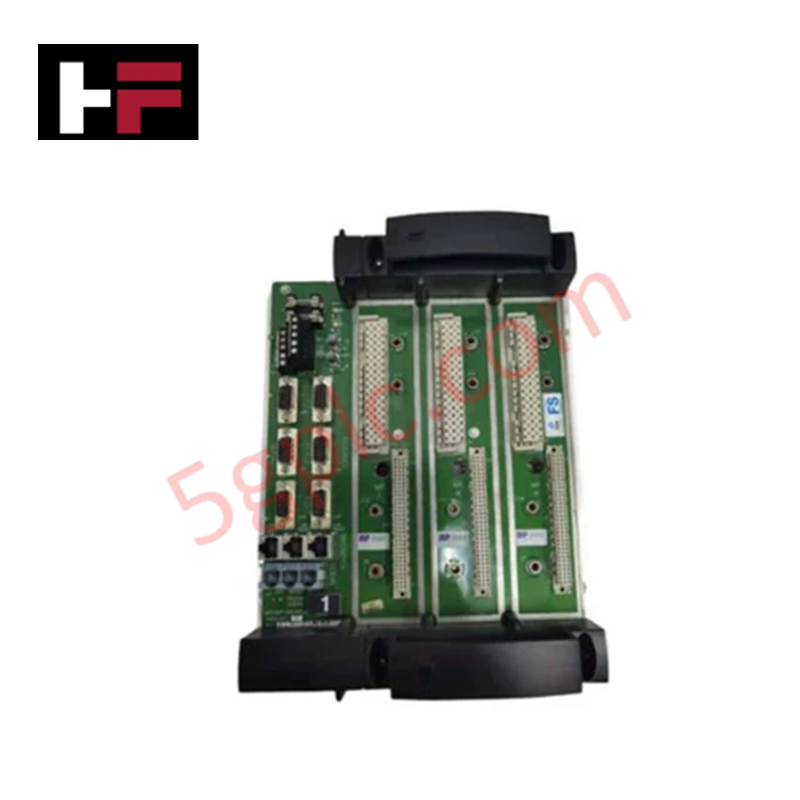
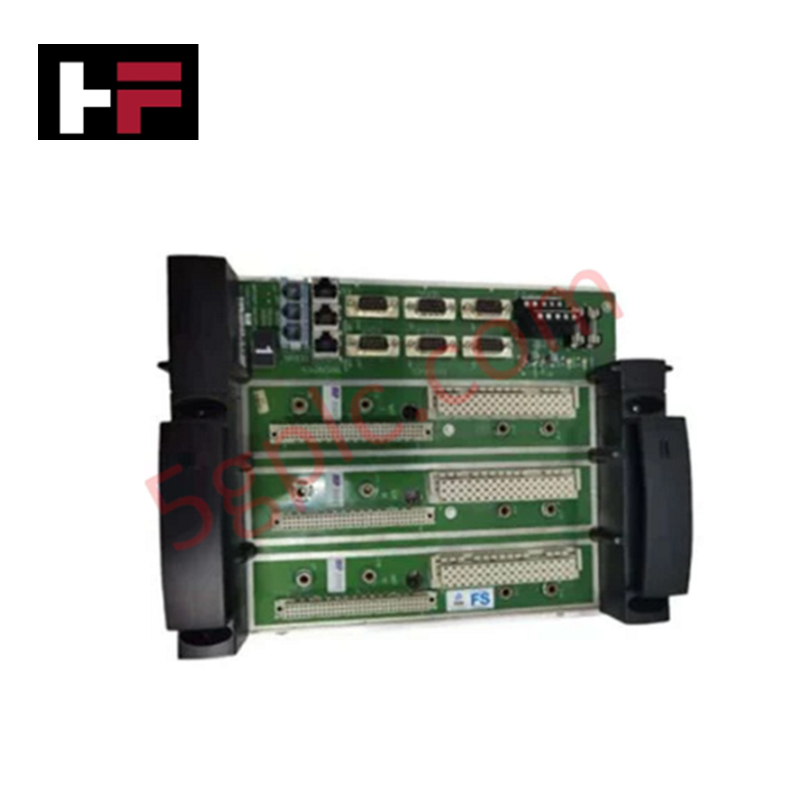
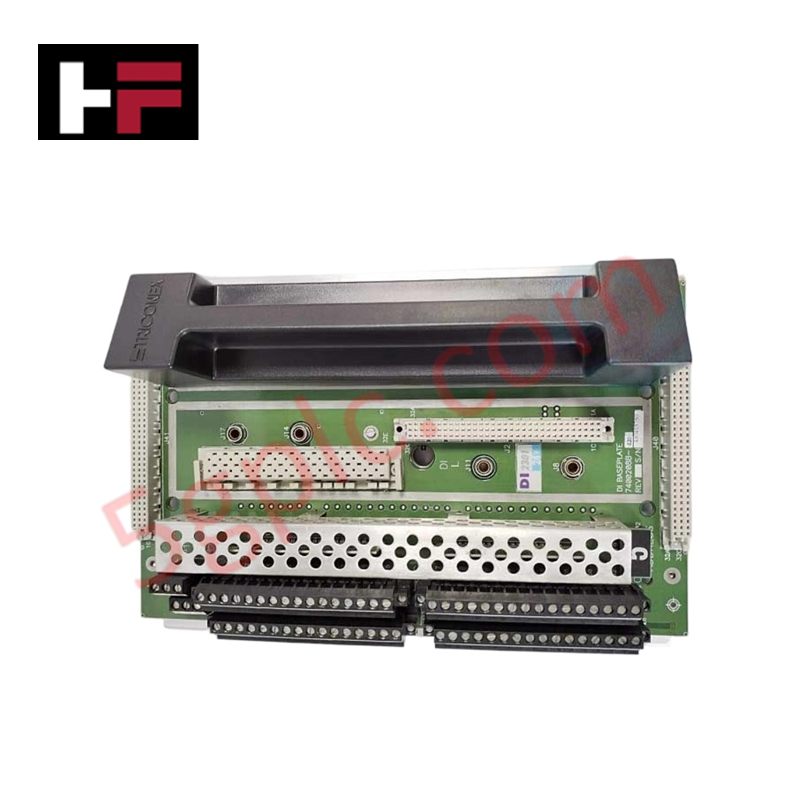
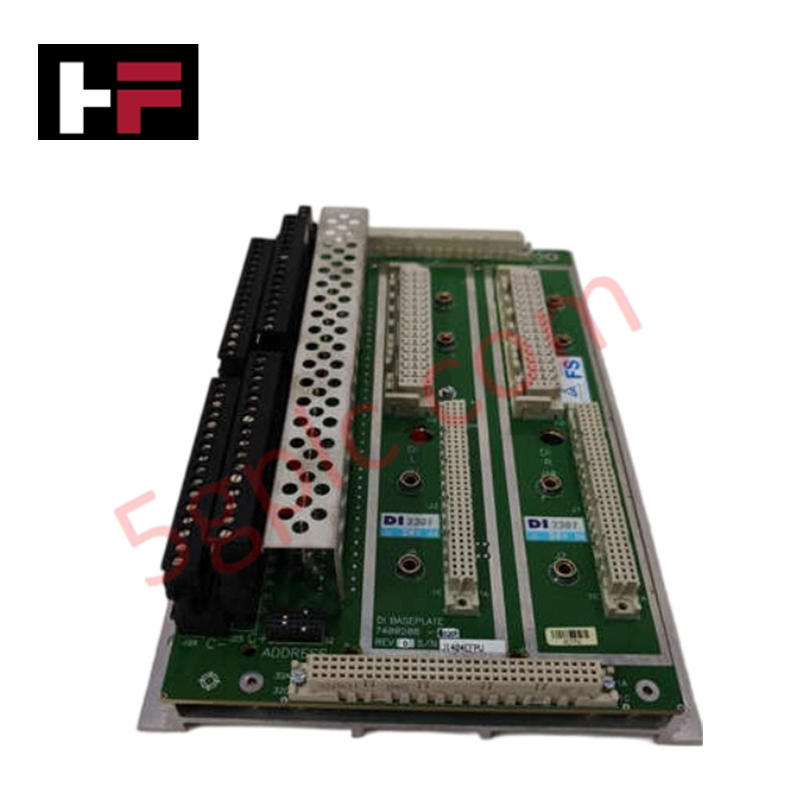
The Triconex 3564, also cataloged as the 3564 Digital Input Module, operates as a dedicated hardware component for 24 VDC discrete signal acquisition within Tricon safety system platforms.
Hardware Specifications
| Parameter | Specification |
|---|---|
| Model | 3564 |
| Brand | Triconex |
| Weight | 200 g |
| Dimensions | 110 mm x 26 mm x 170 mm |
| Operating Temp | -40 deg C to +70 deg C |
| Power Consumption | Not specified |
| Input Voltage | 24 VDC |
| Input Current | 20 mA |
| Input Impedance | 10 kOhm |
| Response Time | 1 ms |
SIS TMR Architecture and Galvanic Isolation
The Triconex 3564 is designed for deployment within a triple modular redundancy (TMR) 2oo3 architecture, ensuring fault-tolerant signal monitoring. The module utilizes opto-isolated, commoned inputs to decouple the field-side sensor circuits from the system backplane, providing robust electrical noise immunity. In accordance with SIL3 certification requirements, the module facilitates fail-safe state execution; upon detection of internal hardware discrepancies or power-on self-test (POST) failures, the module reports a diagnostic fault to the main processor, preventing the injection of erroneous signal data into the safety logic solver.
Frequently Asked Questions
Q: Does the 3564 module support hot-swapping under load?
A: Yes, the 3564 is engineered for hot-swapping within the Tricon chassis. Verify that the system logic has accounted for the input state change before module extraction to avoid triggering spurious trips.
Q: What is the impact of the commoned ground configuration on field wiring?
A: The commoned input architecture requires all field signals to share a common reference potential. Users must ensure that no potential difference exists between signal return paths to prevent ground loop currents exceeding the 20 mA input rating.
Field Installation Guidelines
- Confirm the module keying aligns with the chassis slot designated for digital input modules.
- Insert the module into the chassis rails and apply firm pressure to engage the backplane connector.
- Tighten the front-panel captive screws to ensure a continuous chassis ground connection.
- Route 24 VDC signal wires away from high-voltage AC lines to prevent inductive coupling and crosstalk.
- Verify signal state changes by monitoring the module status LEDs and the Tricon controller input mapping during the point-to-point loop check.
Additional Information
- 100% Genuine Parts: All products are original and authentic, ensuring reliable industrial performance.
- 30-Day Refund Guarantee: Return any in-stock item within 30 days in original, unopened packaging for a full refund (excluding shipping and fees).
- 12-Month Warranty: Covers defects in materials or workmanship; excludes misuse, normal wear, or unauthorized modifications.
- Worldwide Shipping: We ship via USPS, UPS, FedEx, and DHL. Delivery times vary by country and may be subject to customs or import fees.
- Support & Contact: Technical and warranty assistance is available anytime. Contact us here: Contact.
- Purchase Guidance: Check product specifications and compatibility carefully before ordering to ensure proper application.
Tech & Buying Guide
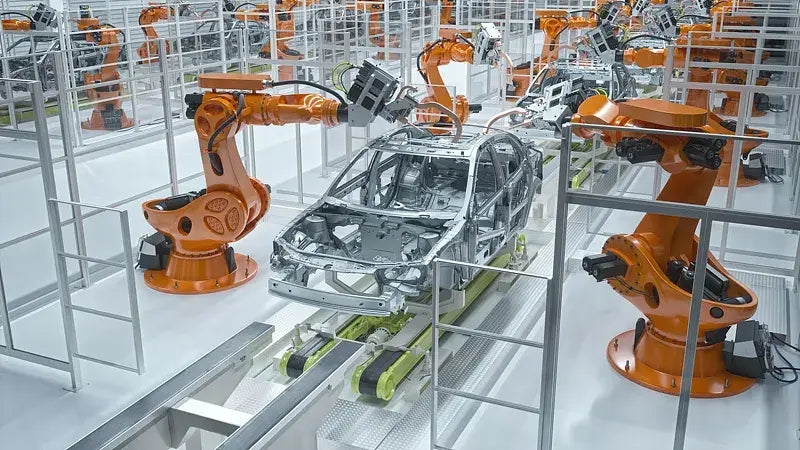
Safety Relays in Industrial Automation: Fundamentals, Design Standards, and Fail-Safe Architecture
Safety relays form the bedrock of functional safety in modern factory automation, preventing catastrophic equipment failure and protecting plant personnel. While standard electromechanical relays handle basic load switching, they lack the redundant diagnostics required for high-risk industrial environments. Modern industrial automation platforms—including programmable logic controllers (PLCs) and distributed control systems (DCS)—rely on specialized safety relays to monitor field devices and isolate hazards instantly.

Voice-Activated Industrial Automation: Integrating Speech Control into PLC and DCS Architectures
Industrial automation integrates speech recognition, IIoT protocols, and NLP with PLCs and DCS to streamline operations. By leveraging advanced edge computing, engineers enable real-time, hands-free control—allowing personnel to manage smart factory processes safely away from hazardous equipment.
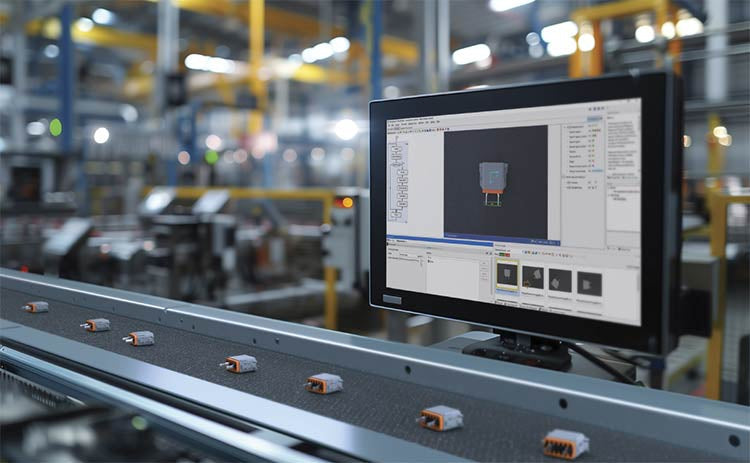
Modern Industrial Automation: Transforming Safety and Efficiency in Mining Operations
Industrial automation has evolved from a simple manufacturing tool into the operational backbone of high-risk sectors. Modern mining operations increasingly rely on advanced control systems, programmable logic controllers (PLCs), distributed control systems (DCS), and artificial intelligence to address deep-underground hazards. By replacing manual labor in high-risk zones, factory automation technologies protect personnel while significantly boosting operational throughput.