












Product Details
Description
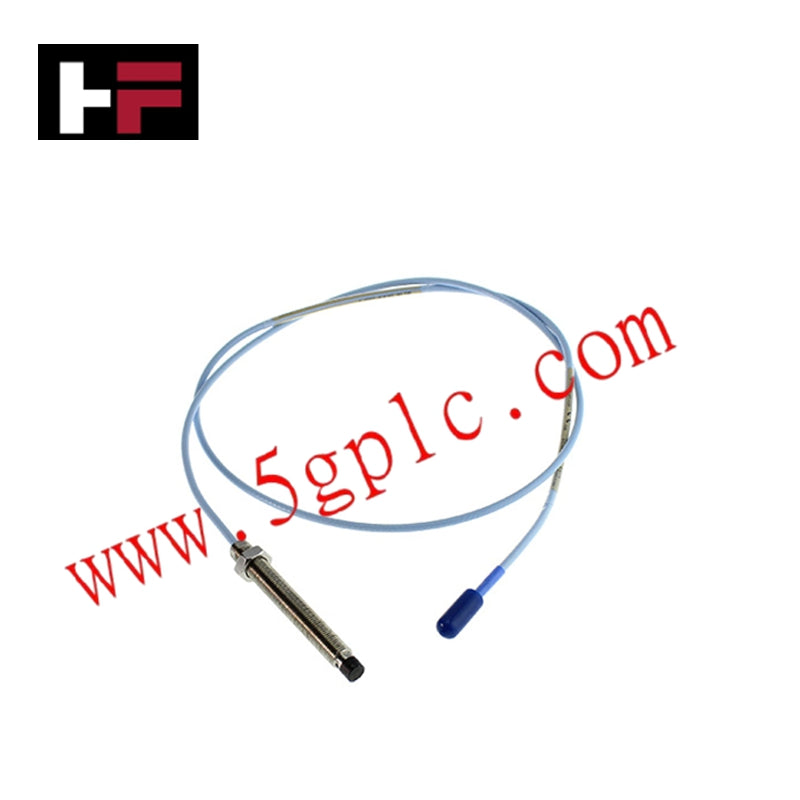
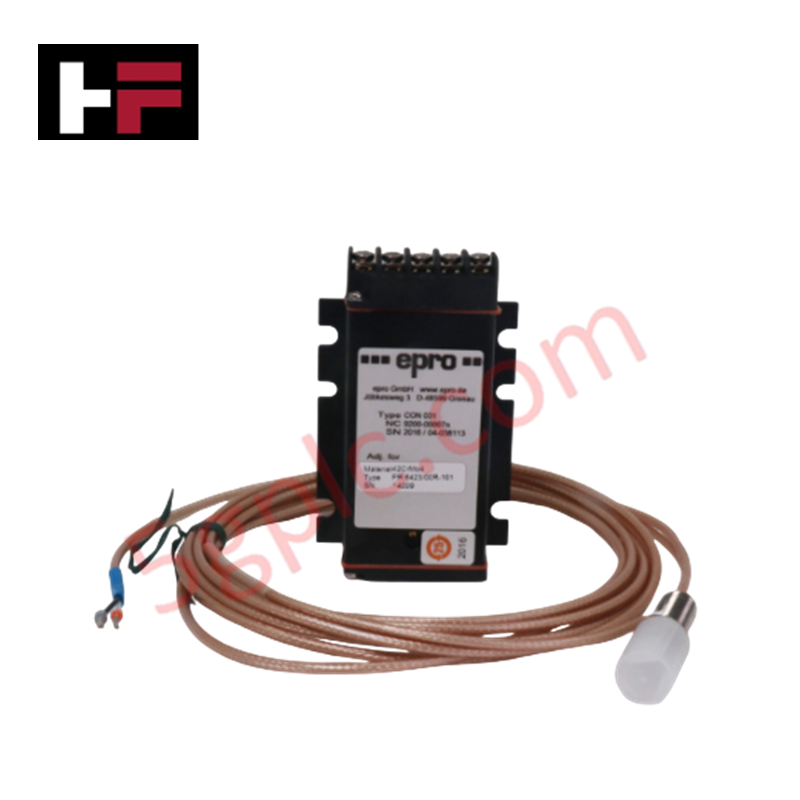
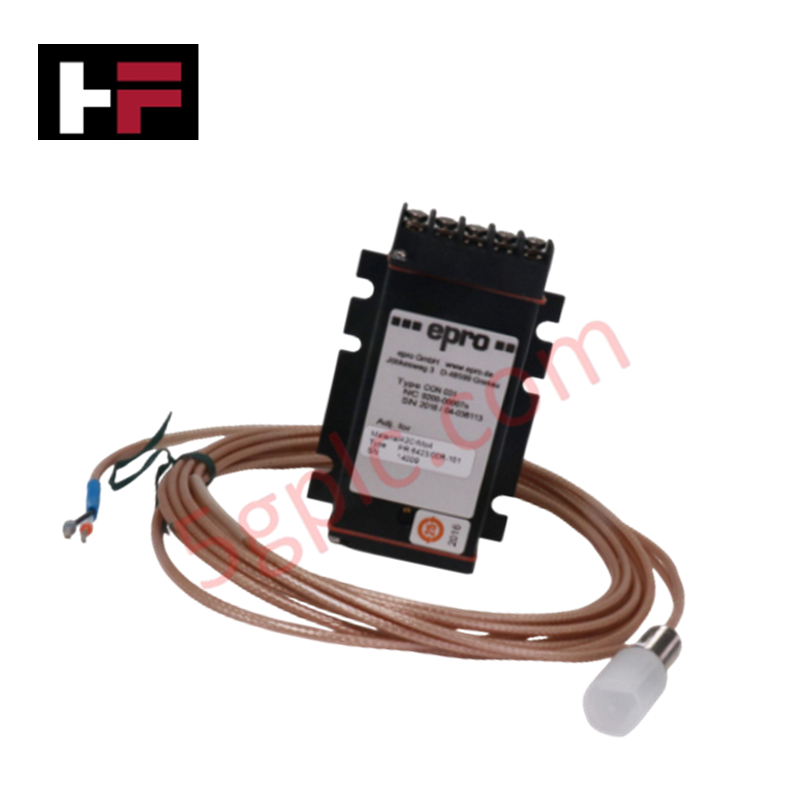
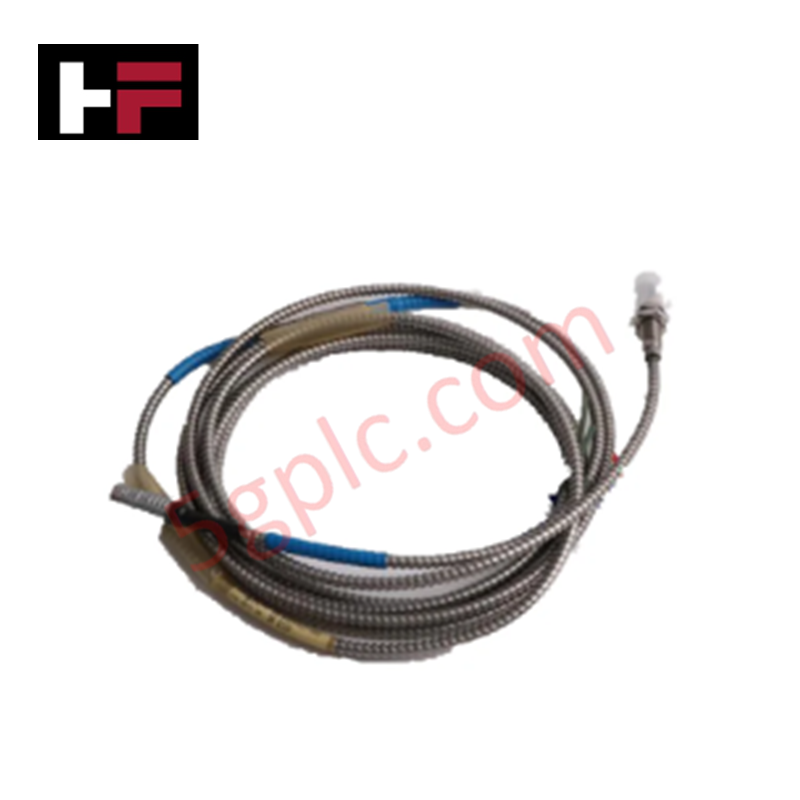
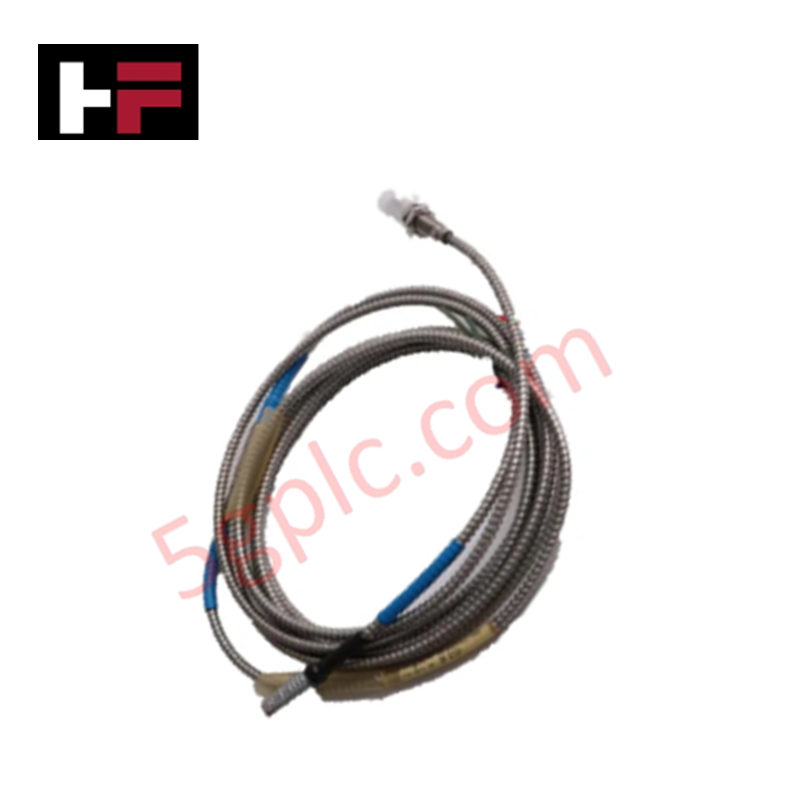
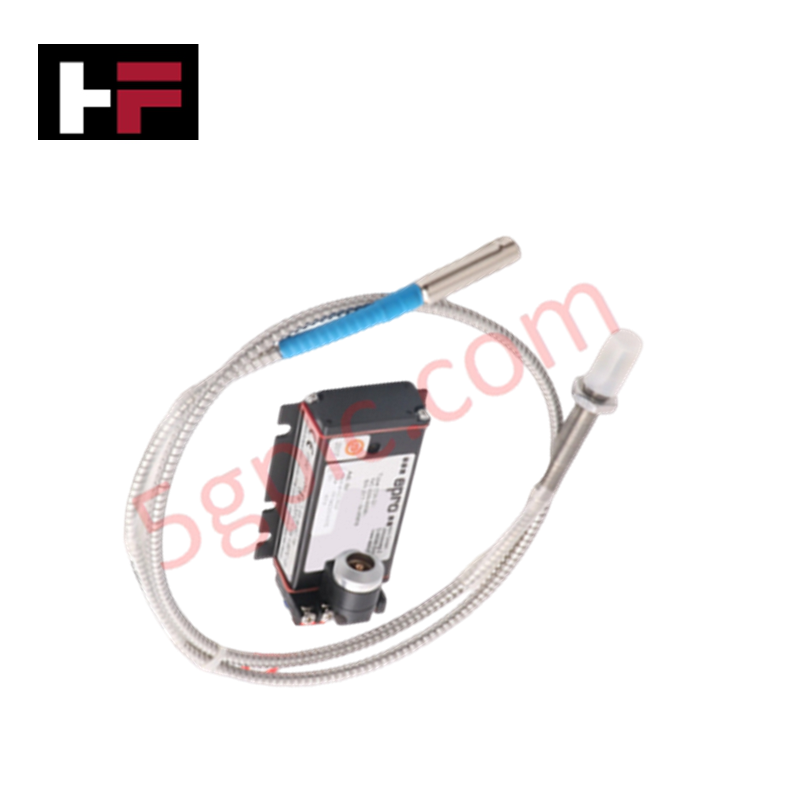
The Bently Nevada 330103-03-09-10-02-00 3300 XL 8 mm Sensor Cable is designed to provide reliable connectivity for proximity probes, ensuring accurate signal transmission and dependable machinery monitoring.
Specifications
-
Model Number: 330103-03-09-10-02-00
-
Series: 3300 XL
-
Cable Type: Sensor extension cable
-
Cable Length: 9 inches (229 mm) probe with 10 feet (3 m) cable
-
Connector Type: Mini-coaxial for secure connection
-
Operating Temperature: -35°C to +177°C
-
Compatibility: Designed for use with Bently Nevada 3300 XL proximity probes and monitoring systems
Features
-
Reliable Connectivity: Ensures stable signal transmission between probe and monitoring system
-
Durable Design: Built to withstand harsh industrial environments
-
Easy Integration: Compatible with 3300 XL series probes and systems
-
Flexible Installation: Compact cable length allows versatile setup options
-
Enhanced Monitoring: Supports precise vibration and displacement measurements
Additional Information
- 100% Genuine Parts: All products are original and authentic, ensuring reliable industrial performance.
- 30-Day Refund Guarantee: Return any in-stock item within 30 days in original, unopened packaging for a full refund (excluding shipping and fees).
- 12-Month Warranty: Covers defects in materials or workmanship; excludes misuse, normal wear, or unauthorized modifications.
- Worldwide Shipping: We ship via USPS, UPS, FedEx, and DHL. Delivery times vary by country and may be subject to customs or import fees.
- Support & Contact: Technical and warranty assistance is available anytime. Contact us here: Contact.
- Purchase Guidance: Check product specifications and compatibility carefully before ordering to ensure proper application.



Tech & Buying Guide

Static UPS vs. Rotary UPS: Technical Evaluation for Industrial Automation

Comprehensive Guide to Noise Types in Industrial Automation and Electronics

Mitigating Emergency Stop Spurious Trips in Industrial Control Systems
Emergency stop (E-Stop) pushbuttons serve as vital safety devices in factory automation and process control plants. Functional safety standards mandate normally-closed (NC) contact blocks to ensure fail-safe operation during wiring breaks or power outages. However, mechanical degradation over time can trigger unexpected spurious trips, halting production lines without an actual emergency. Understanding the underlying causes of mechanical contact failure allows automation engineers to implement robust, fault-tolerant safety circuits.