












Product Details
Overview
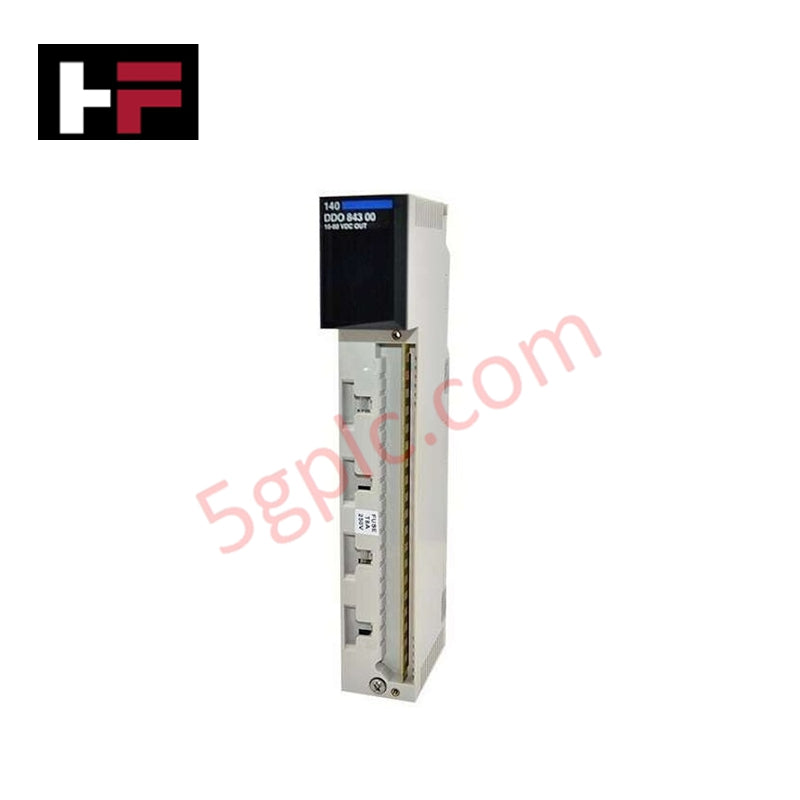
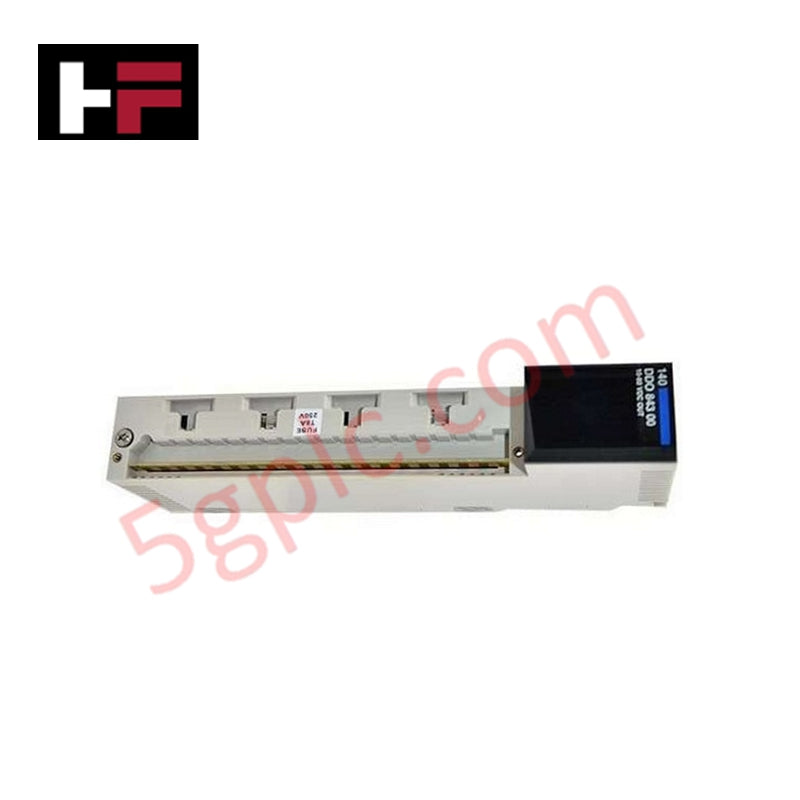
The 140DDO84300 is a high-density DC discrete output module designed by Schneider Electric for the Modicon Quantum automation platform. With 96 output points organized into six groups, this module provides efficient signal control for large-scale automation systems. It is engineered for precision, speed, and durability, ensuring stable performance in complex industrial control environments.
The 140DDO84300 delivers reliable output switching at 24 V DC with negative logic (sink configuration), offering flexible compatibility with field devices. Its robust design and optimized power consumption make it an excellent choice for high-channel applications within process automation and discrete manufacturing.
Features
-
High output capacity: Provides 96 discrete DC outputs grouped into six sets of 16 channels
-
Stable voltage operation: Rated for 24 V DC with a tolerance range of 19.2 V to 30 V
-
Negative logic design: Suitable for sink-type output wiring configurations
-
Efficient addressing: Requires six output words for system mapping
-
Low voltage drop: Less than 0.4 V at 0.5 A for efficient load control
-
Compact module format: Standard Quantum size for seamless rack installation
-
Optimized power use: Consumes only 250 mA bus current
Specifications
-
Model / Part Number: 140DDO84300
-
Manufacturer: Schneider Electric
-
Series: Modicon Quantum
-
Product Type: Discrete Output Module
-
Output Voltage: 24 V DC nominal (19.2 V – 30 V limits)
-
Logic Type: Negative (sink)
-
Number of Outputs: 96 channels (6 × 16 groups)
-
Maximum Voltage Drop: < 0.4 V @ 0.5 A
-
Addressing Requirement: 6 output words
-
Bus Current Draw: 250 mA
-
Module Format: Standard
-
Net Weight: 0.45 kg
-
Origin: France
-
Estimated Lead Time: 1 – 10 working days
Applications
The 140DDO84300 module is ideal for industrial automation systems that demand high-density digital output control. Common applications include:
-
Process control systems
-
Discrete manufacturing lines
-
High-speed packaging and assembly equipment
-
Industrial motion and sequencing operations
Its compact design and large channel capacity allow engineers to reduce rack space while increasing system output performance.
FAQ
-
Q: How many output points are available on the 140DDO84300?
A: The module supports 96 discrete outputs divided into six groups of 16 channels each. -
Q: What is the supported output voltage range?
A: It operates between 19.2 V DC and 30 V DC, with a nominal voltage of 24 V DC. -
Q: Does the module use sink or source logic?
A: It uses negative logic (sink) for DC outputs. -
Q: What platform is it compatible with?
A: It is designed specifically for the Schneider Modicon Quantum automation platform.
Additional Information
- 100% Genuine Parts: All products are original and authentic, ensuring reliable industrial performance.
- 30-Day Refund Guarantee: Return any in-stock item within 30 days in original, unopened packaging for a full refund (excluding shipping and fees).
- 12-Month Warranty: Covers defects in materials or workmanship; excludes misuse, normal wear, or unauthorized modifications.
- Worldwide Shipping: We ship via USPS, UPS, FedEx, and DHL. Delivery times vary by country and may be subject to customs or import fees.
- Support & Contact: Technical and warranty assistance is available anytime. Contact us here: Contact.
- Purchase Guidance: Check product specifications and compatibility carefully before ordering to ensure proper application.
Tech & Buying Guide

Hub vs Switch vs Router in Industrial Automation Architecture
Modern factory automation relies on reliable industrial networking infrastructure to exchange real-time field data across operational technology systems. Engineers often encounter networking hardware like hubs, switches, and routers when integrating Programmable Logic Controllers, Distributed Control Systems, and SCADA monitoring nodes. Although these devices share physical ports, they operate at different layers of the Open Systems Interconnection reference model and deliver distinct traffic management capabilities.

Marshalling Cabinet Preventive Maintenance: Essential Healthiness Checks for PLC, DCS, and ESD Systems
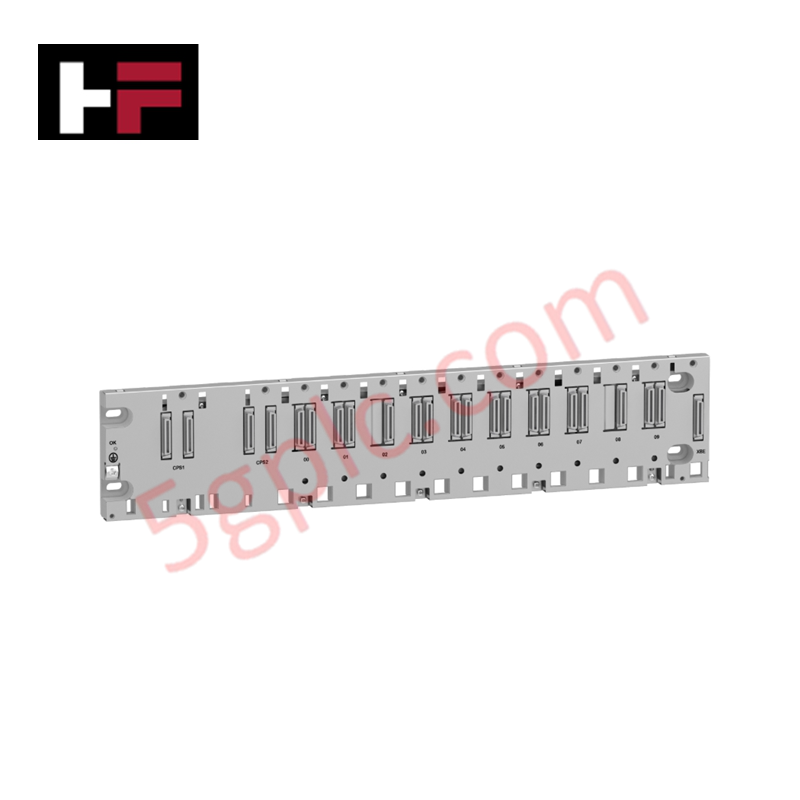
Marshalling cabinets serve as the vital interface between field instrumentation and control room electronics in modern process facilities. Regular preventive maintenance of these cabinets ensures signal integrity across programmable logic controllers (PLCs), distributed control systems (DCS), and emergency shutdown (ESD) networks. System technicians must execute structured inspection protocols to mitigate environmental risks, identify loose wiring, and maintain continuous operational readiness.

Spatial Computing in Industrial Automation: Elevating PLC and DCS Operations with AR and VR
Industry 4.0 integrates digital intelligence into field operations, transforming factory automation landscapes worldwide. Spatial technologies—specifically Augmented Reality (AR) and Virtual Reality (VR)—redefine how engineers interact with industrial control systems. By bridging computer-generated CAD models with real-time operational technology (OT) data, immersive displays enable intuitive monitoring, rapid diagnostics, and safer maintenance across complex processing facilities.