










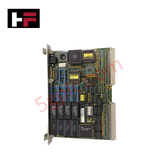
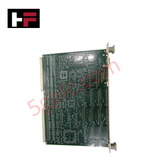
Product Details
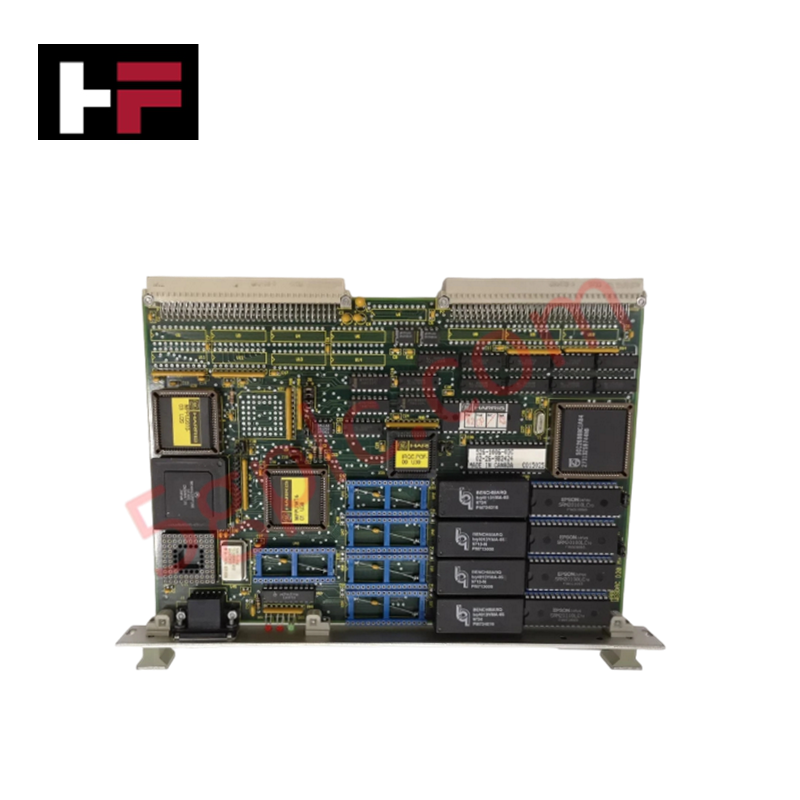
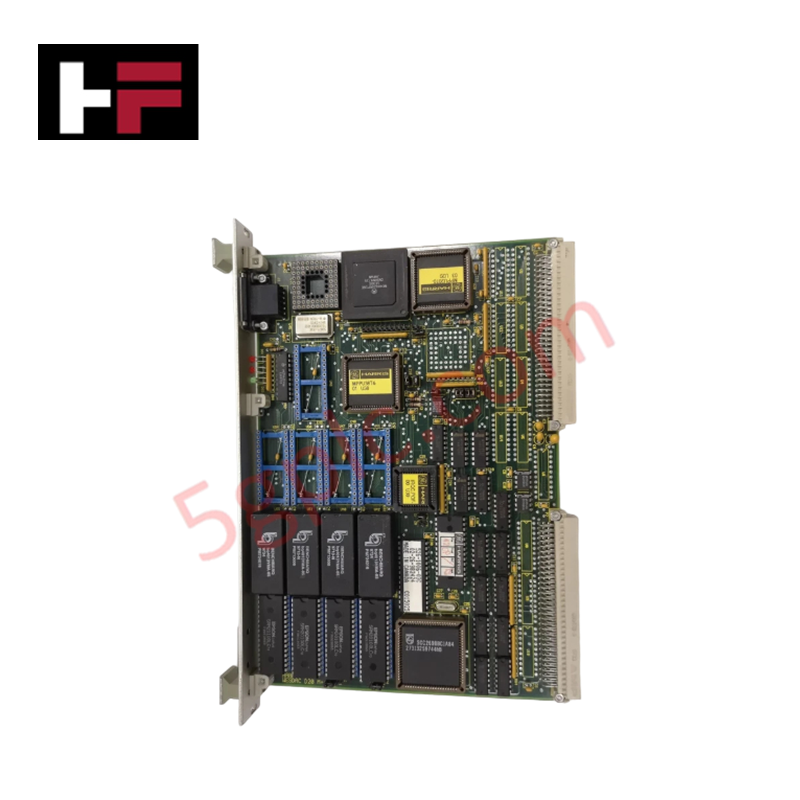
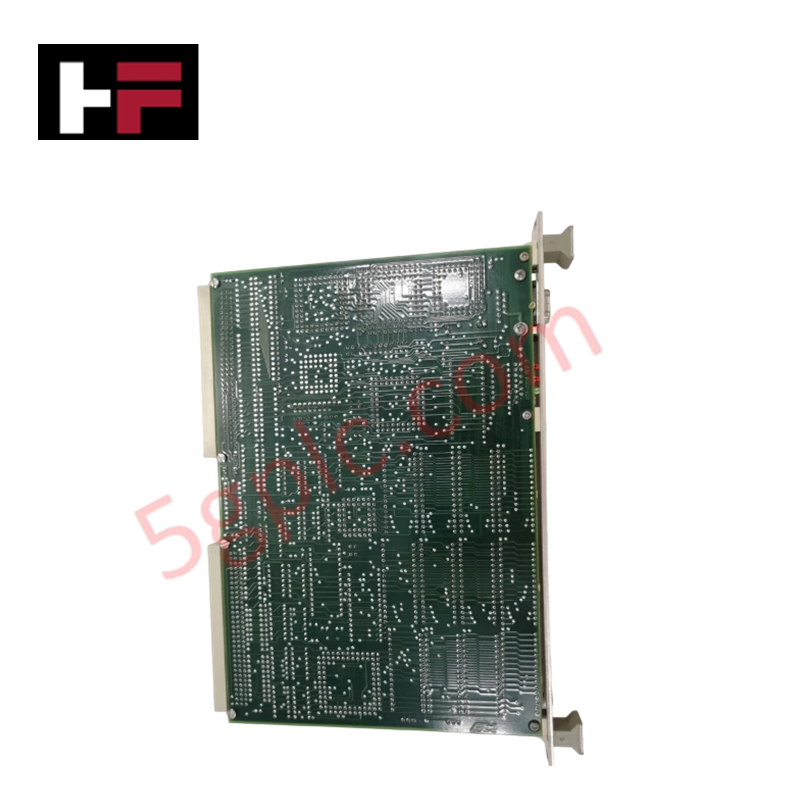
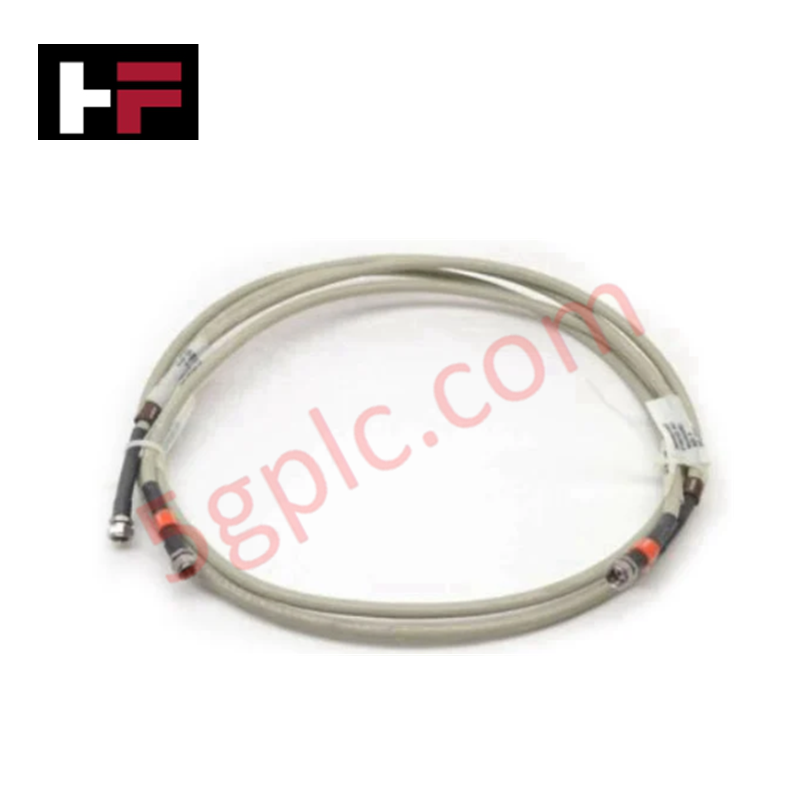
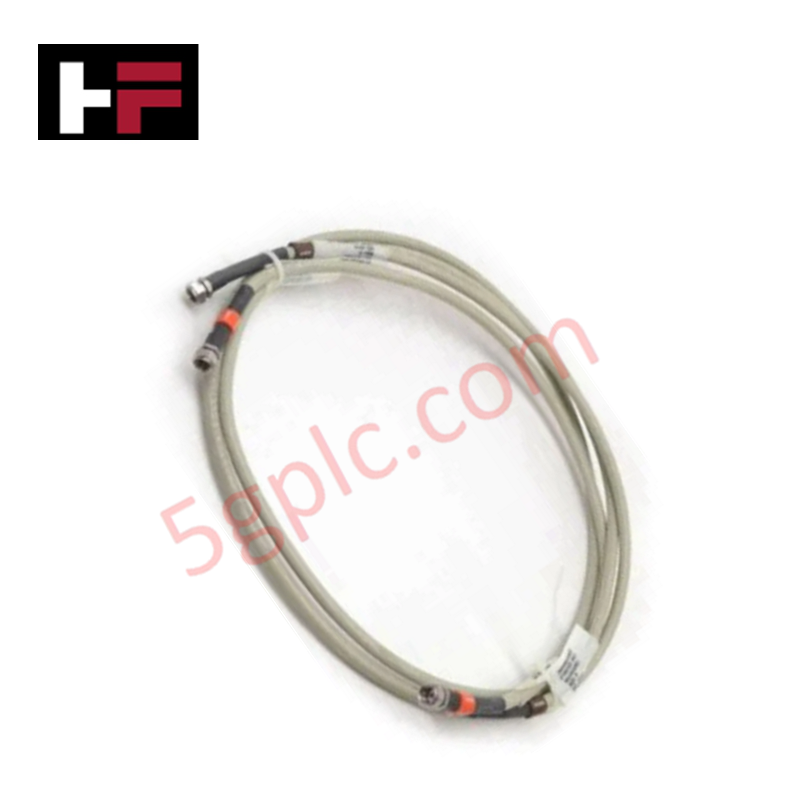
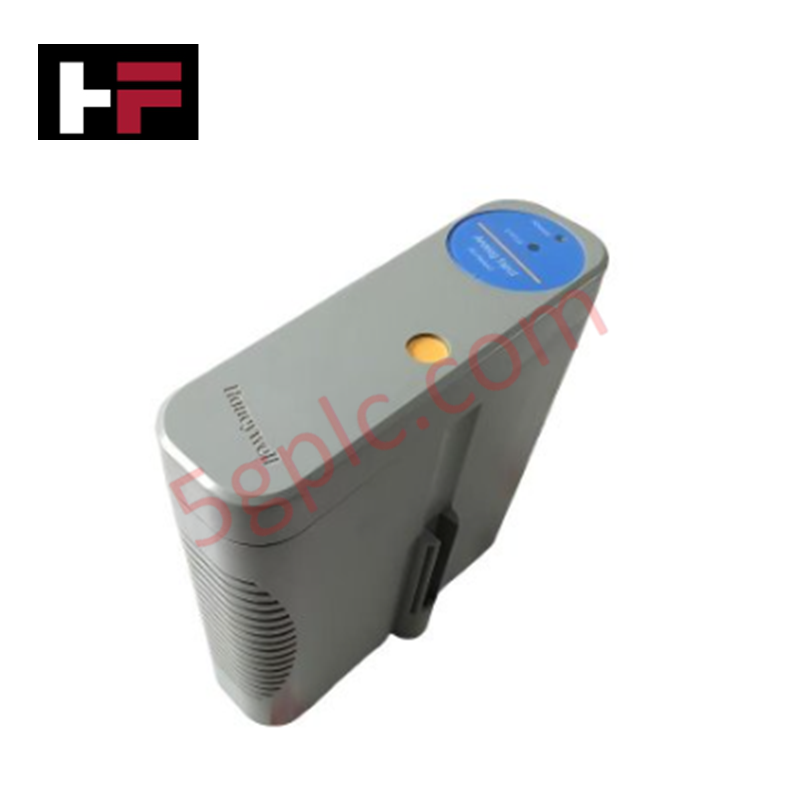
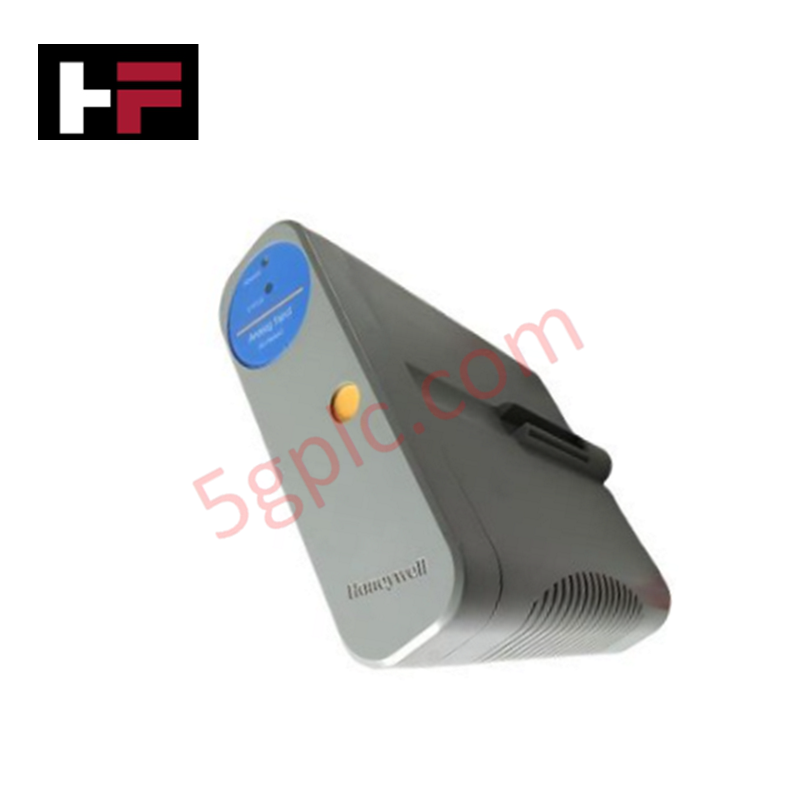
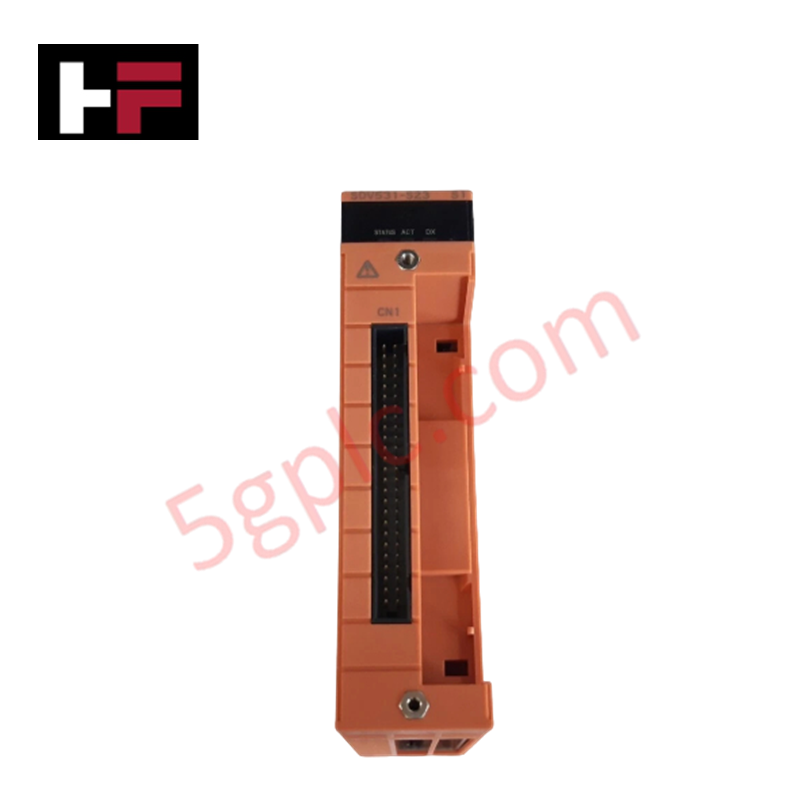
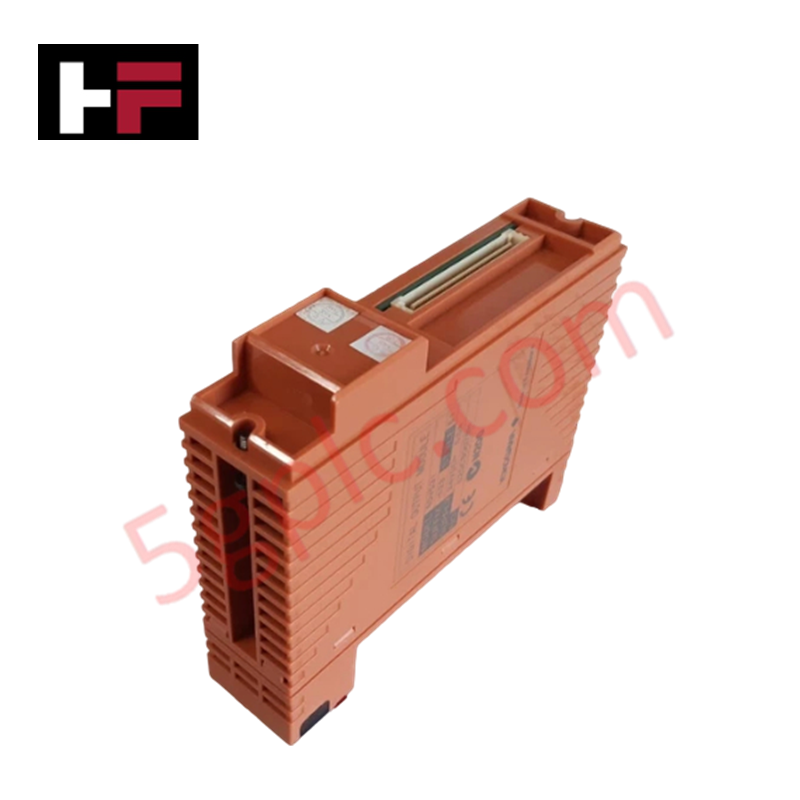
The GE WESDAC D20M++, also cataloged as the WESDAC D20M++ Control Module, operates as a dedicated hardware component for localized processing scaling and network medium conversion within WESDAC D20 system architectures.
Hardware Specifications
| Parameter | Specification |
|---|---|
| Model | WESDAC D20M++ |
| Brand | GE Fanuc |
| Origin | United States |
| Weight | Standard VME Module Weight Profile |
| Dimensions | Standard VME Card Cage Form Factor |
| Operating Temp | -20 - +60 deg C |
| Power Consumption | Backplane Dependent |
| Processor | High-performance microprocessor optimized for industrial control |
| Platform Interface | VMEbus Standard |
| RAM Layout | Volatile program execution registers |
| ROM Layout | Non-volatile operating system and application storage |
Suffix Breakdown & Model Matrix
- WESDAC D20M: Base system processing architecture designator establishing the VMEbus control backbone.
- ++: Performance extension designator indicating upgraded micro-processing capabilities and enhanced board-level memory capacity scaling boundaries over previous product revisions.
Profinet / EtherNet/IP Deterministic Networks and Firmware Flash Compatibility
The micro-processing platform interfaces directly across the high-speed VMEbus backplane path to organize memory boundaries and register maps. To secure deterministic response windows and avoid frame sequencing crashes when translating automated telemetry packets to adjacent sub-station segments or Profinet / EtherNet/IP deterministic networks, all interconnected nodes must match specific base configuration layers. Operating system files and logic applications housed in the non-volatile ROM rely on matching verified firmware flash compatibility baselines to prevent slot addressing errors.
Frequently Asked Questions
Q: Does the WESDAC D20M++ module support physical extraction while the VME chassis is powered?
A: No. The backplane design conforms to standard VMEbus mechanical layouts without staggered pre-charge power lines. Pulling or inserting the processor while power rails are live can cause electrical latch-up, destroying local logic components and interrupting active data traffic.
Q: How is memory alignment verified during a replacement of the processor node?
A: The configuration workspace maps program variables directly to the hardware boundaries. The replacement module must be audited via the configuration environment to verify that its physical layout and firmware flash compatibility registers correspond precisely to the master node structure.
Field Installation Guidelines
- Backplane Insertion Method: Slide the VME card uniformly along the plastic sub-rack guide channels, applying even horizontal force until the male interface pins fully engage the passive backplane sockets.
- Faceplate Screw Torque: Fully tighten the upper and lower faceplate retention screws into the chassis framework to establish continuous chassis grounding and isolate the module from physical vibration.
- Fiber and Copper Routing: Maintain physical separation between high-speed communication lines and parallel power cables inside the enclosure panel to mitigate high-frequency electromagnetic noise induction across the internal processor core.
Additional Information
- 100% Genuine Parts: All products are original and authentic, ensuring reliable industrial performance.
- 30-Day Refund Guarantee: Return any in-stock item within 30 days in original, unopened packaging for a full refund (excluding shipping and fees).
- 12-Month Warranty: Covers defects in materials or workmanship; excludes misuse, normal wear, or unauthorized modifications.
- Worldwide Shipping: We ship via USPS, UPS, FedEx, and DHL. Delivery times vary by country and may be subject to customs or import fees.
- Support & Contact: Technical and warranty assistance is available anytime. Contact us here: Contact.
- Purchase Guidance: Check product specifications and compatibility carefully before ordering to ensure proper application.
Tech & Buying Guide
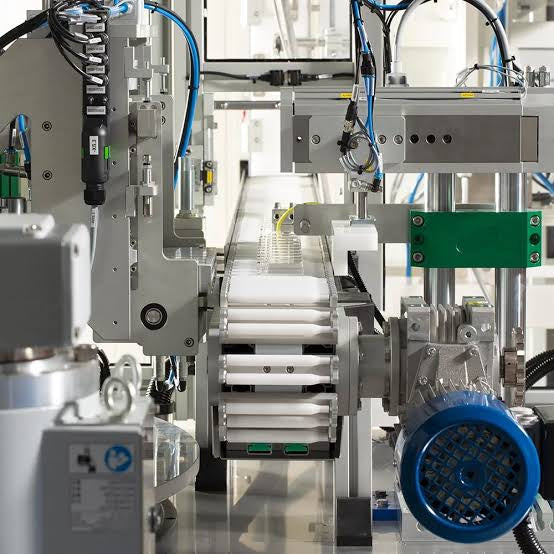
Mastering Modern Industrial Joystick Controls in Heavy Automation
Industrial joysticks play a pivotal role in human-machine interaction across heavy material handling and mobile hydraulics. These tactile controllers translate complex operator movements into precise electrical signals for PLCs, motion controllers, and DCS networks. Consequently, selecting and installing the right joystick architecture ensures operator safety, reduces fatigue, and optimizes equipment performance.

Navigating Industrial Automation Failures: Types, Causes, and Mitigation Strategies
Modern manufacturing relies heavily on automated control systems to maximize throughput and maintain product quality. However, unplanned downtime in industrial automation can cost facility operators thousands of dollars per hour. Understanding how programmable logic controllers (PLCs), distributed control systems (DCS), and field instrumentation fail empowers engineering teams to implement robust preventive maintenance strategies.
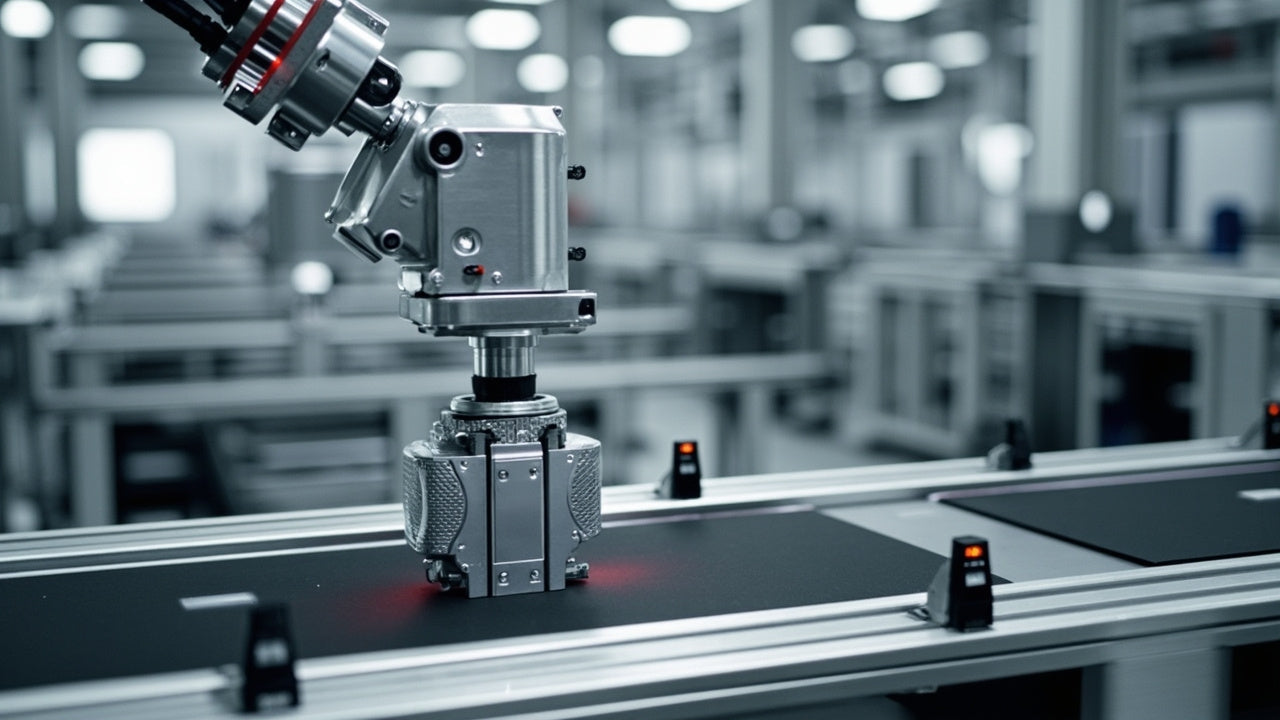
Essential Motion Control Commands: A Practical Guide for Engineers
Automation engineers often rely on precise position and speed control to drive modern factory machinery. Modern industrial systems, such as Programmable Logic Controllers (PLCs) and Distributed Control Systems (DCS), depend heavily on standardized motion instructions. Mastering these commands ensures operational safety, protects mechanical components, and optimizes cycle times across production lines.