










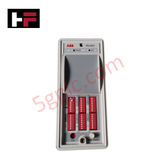
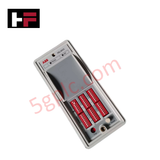
Product Details
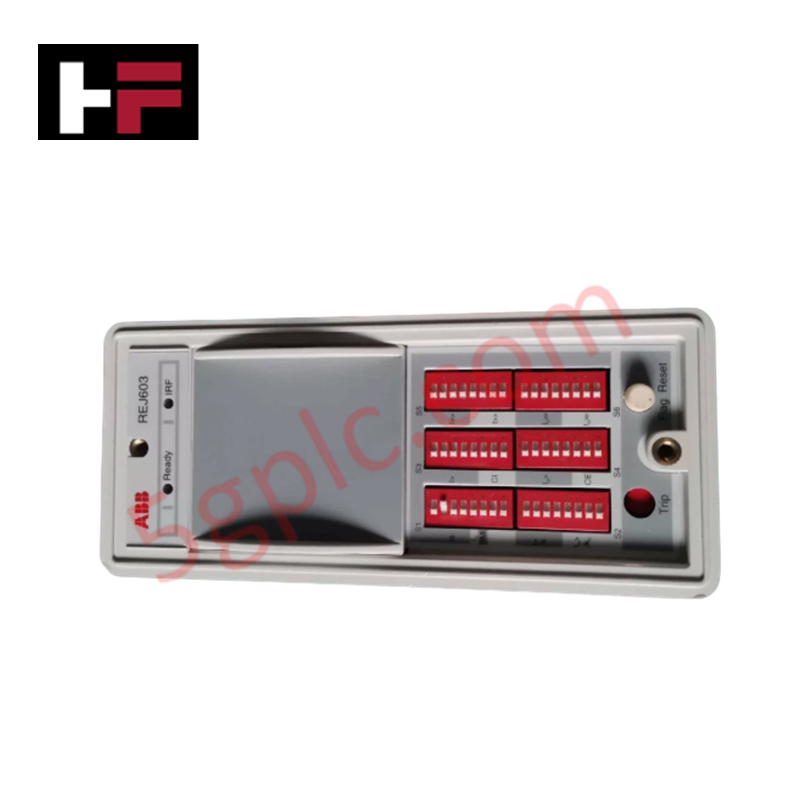
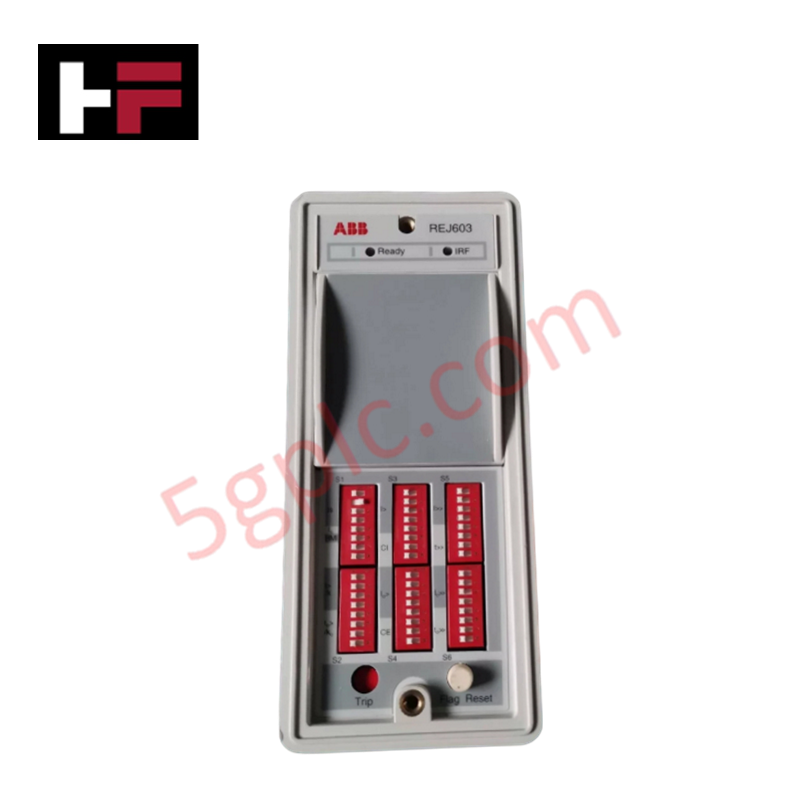
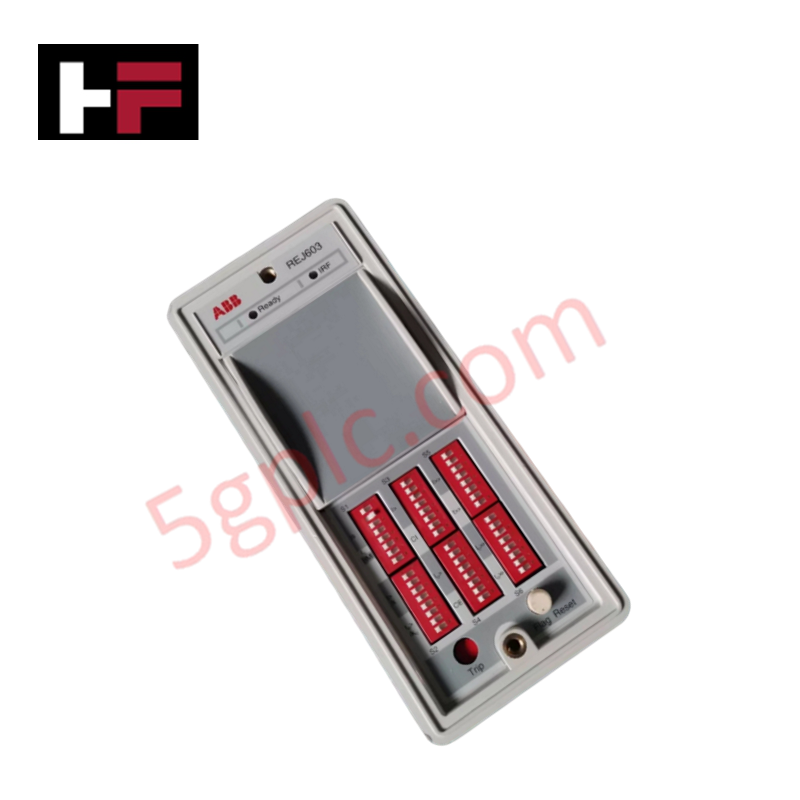
The ABB REJ603BBB10NN3XC, also cataloged as the REJ603 Self-Powered Feeder Protection Relay, operates as a dedicated hardware component for phase overcurrent, earth fault, and voltage monitoring tasks within Relion 600 secondary distribution platforms. Configured to function via direct loop power harvested from the main current transformers, the device triggers mechanical trip coils through dedicated binary output lines when electrical thresholds are exceeded.
Hardware Specifications
| Parameter | Specification |
|---|---|
| Model | REJ603BBB10NN3XC |
| Brand | ABB |
| Origin | India / Finland |
| Series | Relion 600 |
| Rated Frequency | 50/60 Hz |
| Rated Current | 1 A / 5 A (selectable) |
| Power Supply | Self-powered via CT input channels |
| Startup Power Requirement | 2.5 VA at rated current |
| Trip Output Channel | 1 NO (Normally Open) |
| Binary I/O Array | 1 Digital Input / 1 Digital Output (configurable) |
| Fault Recording Capacity | Up to 100 fault events stored in internal registers |
| User Interface Logic | LED indicators, DIP switch array |
| Communication Ports | None by default (optional serial interface available) |
| Configuration Method | Manual DIP switches or optional software parameterization |
| Enclosure Material | Flame-retardant plastic |
| Protection Rating | IP54 front, IP20 rear |
| Dimensions | 160 mm x 96 mm x 150 mm |
| Weight | 0.9 kg |
| Power Consumption | Derived from active CT input signals |
Backplane Bus Communication Velocity Licences Profile
The integration of this self-powered element into broader industrial arrangements requires matching specific hardware profiles to prevent bus degradation. Gating logic and trip execution are processed on local registers that maintain stable states regardless of backplane bus communication velocity licences constraints. The internal layout maps I/O density scaling options through manual DIP switches, ensuring absolute firmware flash compatibility with localized transformer safety interlocks and reducing hardware processing latency during severe phase faults.
Frequently Asked Questions
Q: What are the live removal restrictions for the REJ603BBB10NN3XC module?
A: Hot-swapping or unlatching the terminal block while the primary feeder is live is prohibited. Current transformer secondary connections must be short-circuited externally prior to physical decoupling to eliminate high inductive voltage generation.
Q: How does the device maintain configuration settings when the feeder line drops power?
A: Thresholds established via the hardware DIP switch matrix or saved to the non-volatile internal data storage remain preserved during line blackouts, requiring no active battery back-up path.
Q: What is the limitation regarding the startup power requirement?
A: The internal processing circuits require at least 2.5 VA of energy from the CT secondary line to initialize the protection routines and execute a valid binary trip command.
Field Installation Guidelines
- Current Transformer Terminals Pre-Check: Verify that all connection poles are tightly engaged and paired with matching 1 A or 5 A selectable terminals. Do not leave CT circuit runs loose during initial commissioning phases.
- Low-Voltage Signal Separation: Route the binary I/O signal lines separate from adjacent heavy AC phase bars. Keep terminal cable paths isolated inside designated, grounded wireways.
- Enclosure Earthing Continuity: Connect a low-impedance ground conductor from the rear IP20 frame screw directly to the copper master ground rail of the distribution cubicle.
Additional Information
- 100% Genuine Parts: All products are original and authentic, ensuring reliable industrial performance.
- 30-Day Refund Guarantee: Return any in-stock item within 30 days in original, unopened packaging for a full refund (excluding shipping and fees).
- 12-Month Warranty: Covers defects in materials or workmanship; excludes misuse, normal wear, or unauthorized modifications.
- Worldwide Shipping: We ship via USPS, UPS, FedEx, and DHL. Delivery times vary by country and may be subject to customs or import fees.
- Support & Contact: Technical and warranty assistance is available anytime. Contact us here: Contact.
- Purchase Guidance: Check product specifications and compatibility carefully before ordering to ensure proper application.
Tech & Buying Guide
Mastering Modern Industrial Joystick Controls in Heavy Automation
Industrial joysticks play a pivotal role in human-machine interaction across heavy material handling and mobile hydraulics. These tactile controllers translate complex operator movements into precise electrical signals for PLCs, motion controllers, and DCS networks. Consequently, selecting and installing the right joystick architecture ensures operator safety, reduces fatigue, and optimizes equipment performance.

Navigating Industrial Automation Failures: Types, Causes, and Mitigation Strategies
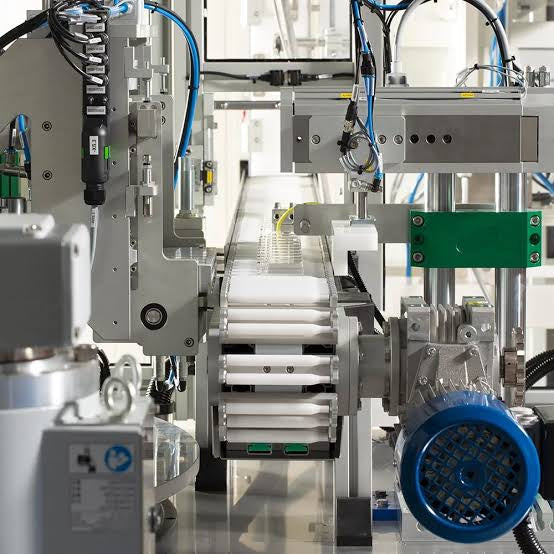
Modern manufacturing relies heavily on automated control systems to maximize throughput and maintain product quality. However, unplanned downtime in industrial automation can cost facility operators thousands of dollars per hour. Understanding how programmable logic controllers (PLCs), distributed control systems (DCS), and field instrumentation fail empowers engineering teams to implement robust preventive maintenance strategies.

Essential Motion Control Commands: A Practical Guide for Engineers
Automation engineers often rely on precise position and speed control to drive modern factory machinery. Modern industrial systems, such as Programmable Logic Controllers (PLCs) and Distributed Control Systems (DCS), depend heavily on standardized motion instructions. Mastering these commands ensures operational safety, protects mechanical components, and optimizes cycle times across production lines.