










Product Details
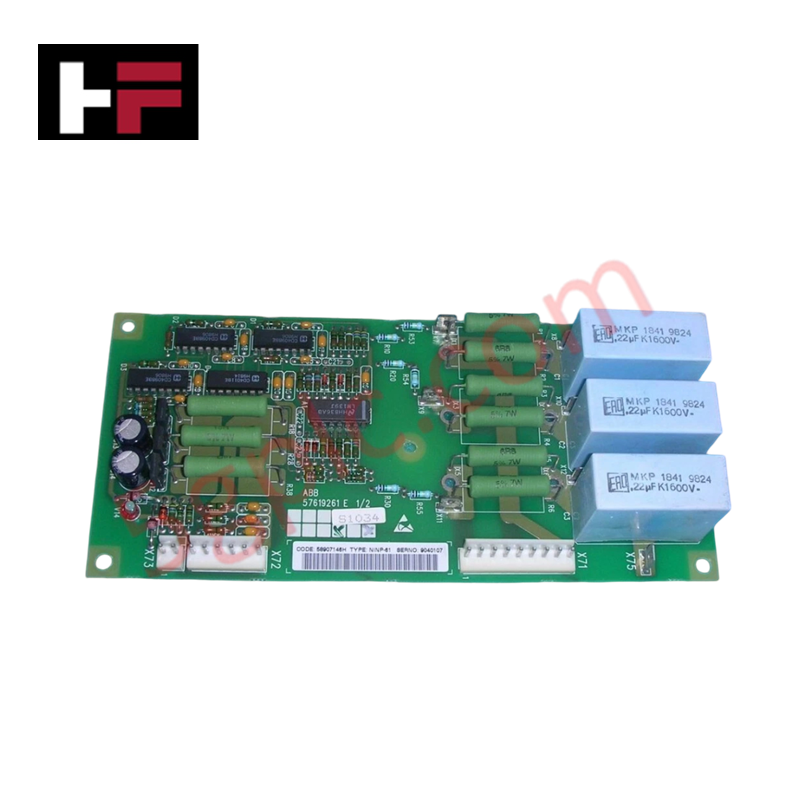
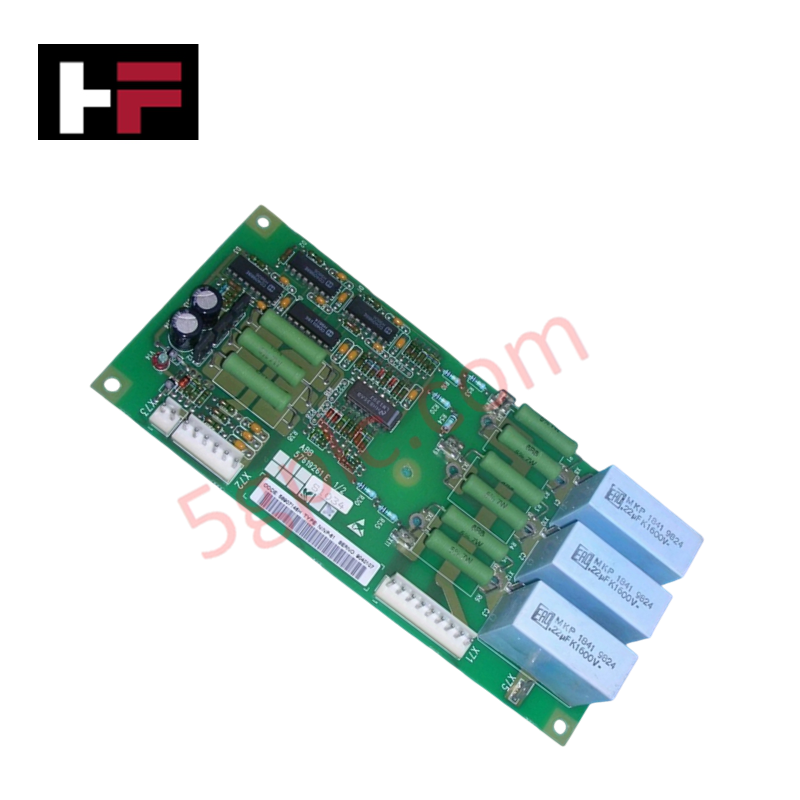
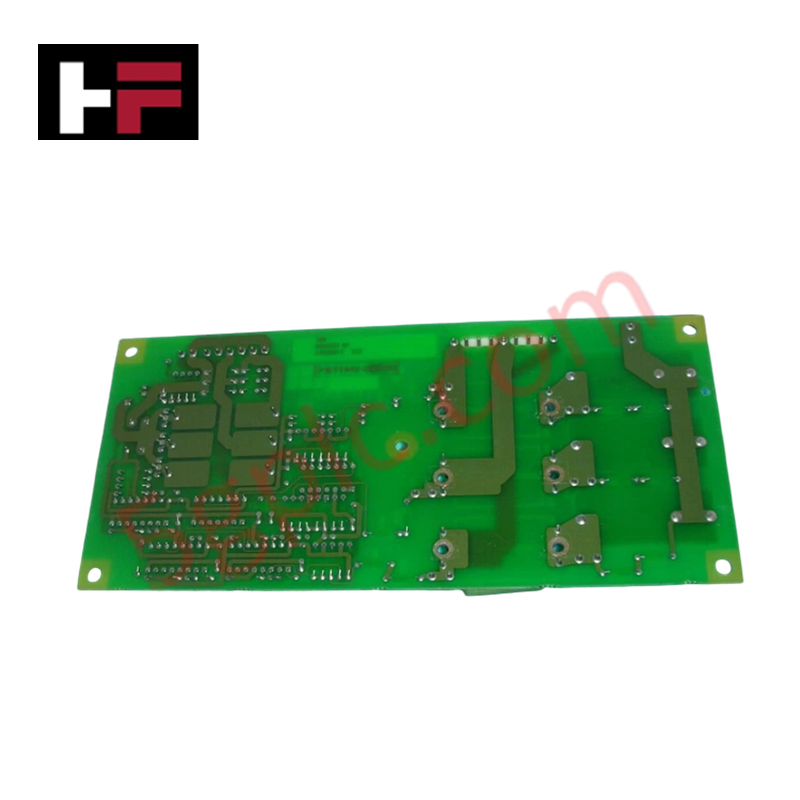
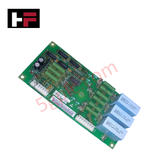
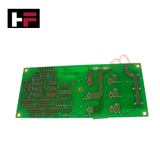
The ABB NINP-61C, also cataloged as the NINP-61C Input Protection Card, operates as a dedicated hardware component for input circuit electrical surge clamping within ABB ACS600 drive systems. Configured for fast-acting fault isolation, this sub-assembly protects downstream inverter components from transient voltage anomalies and grid-side disturbances. The physical circuit card monitors input potential lines, applying hardware-level attenuation to electrical spikes before the distortion can reach the main processing or drive switching sections.
Hardware Specifications
| Parameter | Specification |
|---|---|
| Model | NINP-61C 61353372 |
| Brand | ABB |
| Origin | Finland (Standard manufacturing location applies) |
| Weight | 0.25 kg (Standard card assembly mass applies) |
| Dimensions | Standard ACS600 internal slot form factor |
| Operating Temp | 0 to +50 deg C (Standard industrial parameters apply) |
| Power Consumption | Controller rack loop dependent |
| Product Type | Input Protection Cards |
| Application Substrate | ACS600 Drive Systems |
| Target Classification | AC Drives Spare Parts |
Firmware Flash Compatibility
The NINP-61C card is engineered to maintain physical and electrical interface alignment with internal drive assemblies without demanding distinct firmware flash compatibility licenses. Because it functions at the physical input filtering layer, the card maps parameter states through hardware trace pathways rather than software registers. If a system firmware change is applied to the main ACS600 control board, the analog protection levels of this card remain unaffected, preventing software configuration mismatches from disrupting the input line safety interlocks.
Frequently Asked Questions
Q: Is hot-swapping or field replacement of the NINP-61C permitted while the main AC line is connected?
A: No. Removing or handling this card while the main input bus or DC link is energized will cause critical electrical arcing, destroy the internal clamping components, and result in immediate hardware failure on the adjacent switching bridges.
Q: How does the response time of the protection circuit protect the parent drive?
A: The card implements hardwired analog components that respond to overvoltage spikes within microseconds. This fast response time forces short-duration voltage transients to ground before the internal fault suppression subroutines of the central controller can trip the system.
Field Installation Guidelines
The NINP-61C card must be mounted securely into the specific slot configuration inside the ACS600 drive enclosure. Before installation, disconnect all primary three-phase AC input sources and wait for the internal DC bus capacitors to discharge completely. Fasten all mounting screws according to industrial torque values to establish standard structural chassis grounding. Route incoming power supply lines through dedicated wire paths separate from sensitive encoder or network communication cabling to suppress high-frequency induction.
Additional Information
- 100% Genuine Parts: All products are original and authentic, ensuring reliable industrial performance.
- 30-Day Refund Guarantee: Return any in-stock item within 30 days in original, unopened packaging for a full refund (excluding shipping and fees).
- 12-Month Warranty: Covers defects in materials or workmanship; excludes misuse, normal wear, or unauthorized modifications.
- Worldwide Shipping: We ship via USPS, UPS, FedEx, and DHL. Delivery times vary by country and may be subject to customs or import fees.
- Support & Contact: Technical and warranty assistance is available anytime. Contact us here: Contact.
- Purchase Guidance: Check product specifications and compatibility carefully before ordering to ensure proper application.
Tech & Buying Guide
Mastering Modern Industrial Joystick Controls in Heavy Automation
Industrial joysticks play a pivotal role in human-machine interaction across heavy material handling and mobile hydraulics. These tactile controllers translate complex operator movements into precise electrical signals for PLCs, motion controllers, and DCS networks. Consequently, selecting and installing the right joystick architecture ensures operator safety, reduces fatigue, and optimizes equipment performance.

Navigating Industrial Automation Failures: Types, Causes, and Mitigation Strategies
Modern manufacturing relies heavily on automated control systems to maximize throughput and maintain product quality. However, unplanned downtime in industrial automation can cost facility operators thousands of dollars per hour. Understanding how programmable logic controllers (PLCs), distributed control systems (DCS), and field instrumentation fail empowers engineering teams to implement robust preventive maintenance strategies.

Essential Motion Control Commands: A Practical Guide for Engineers
Automation engineers often rely on precise position and speed control to drive modern factory machinery. Modern industrial systems, such as Programmable Logic Controllers (PLCs) and Distributed Control Systems (DCS), depend heavily on standardized motion instructions. Mastering these commands ensures operational safety, protects mechanical components, and optimizes cycle times across production lines.