










Product Details
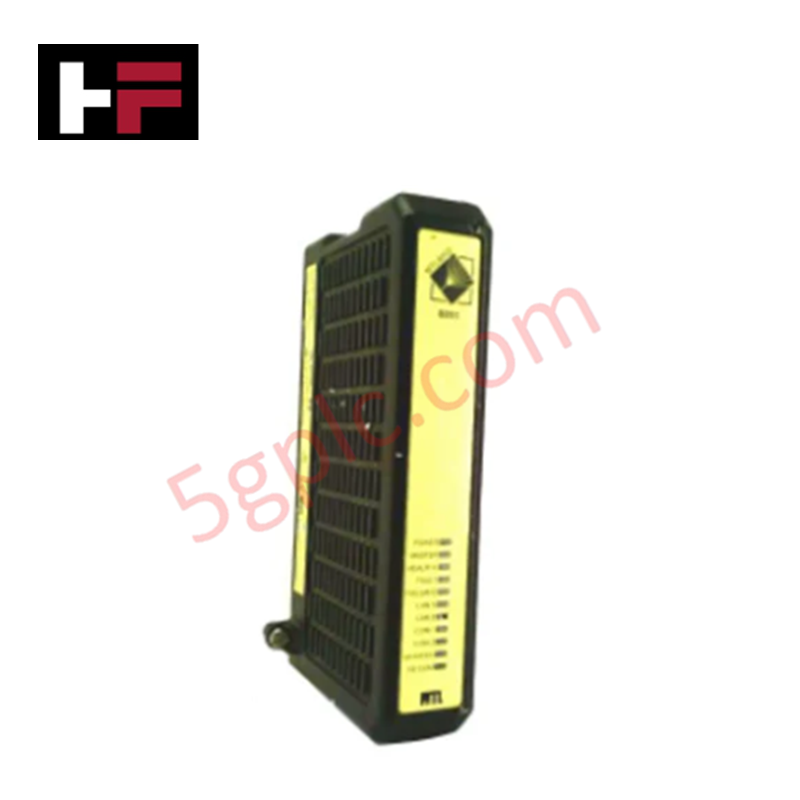
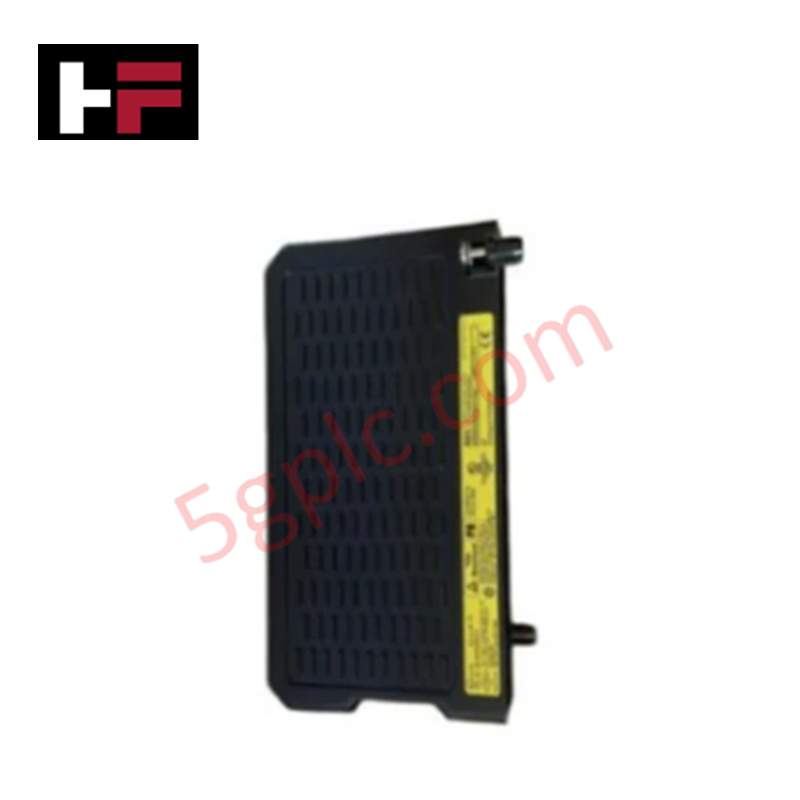
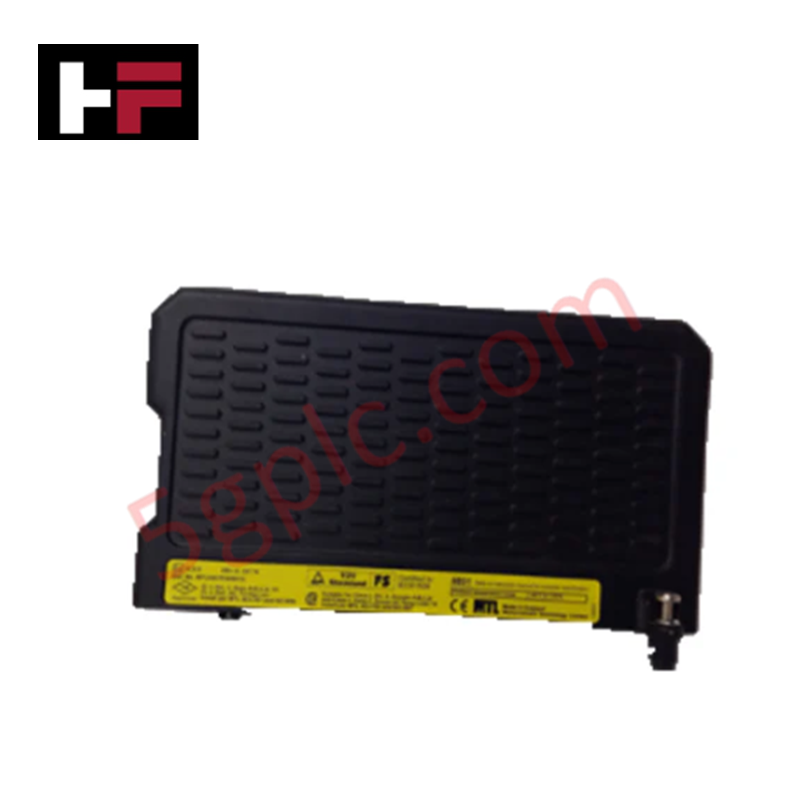
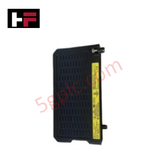
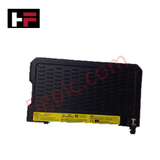
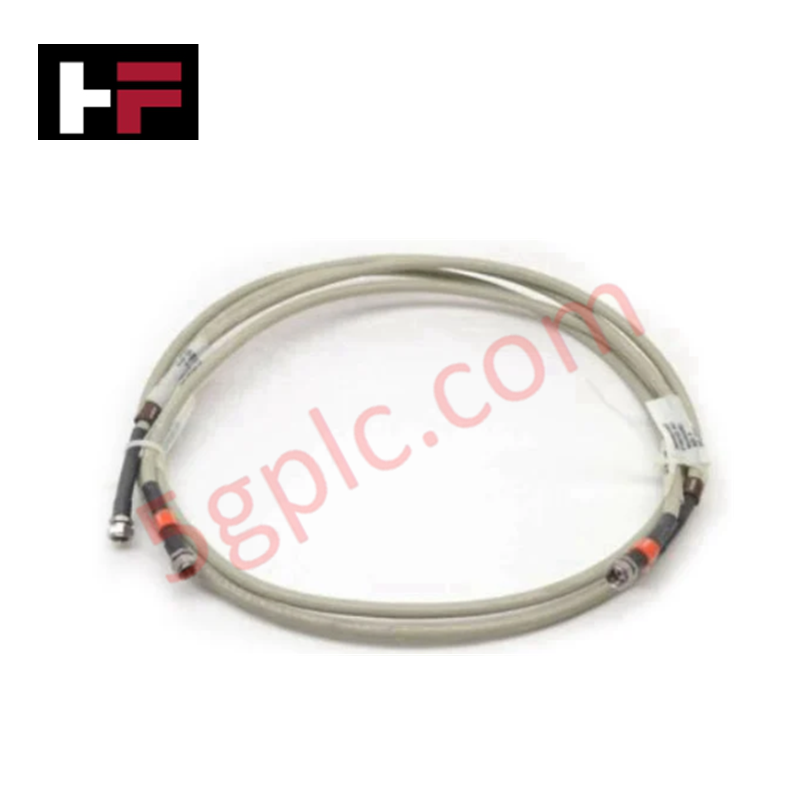
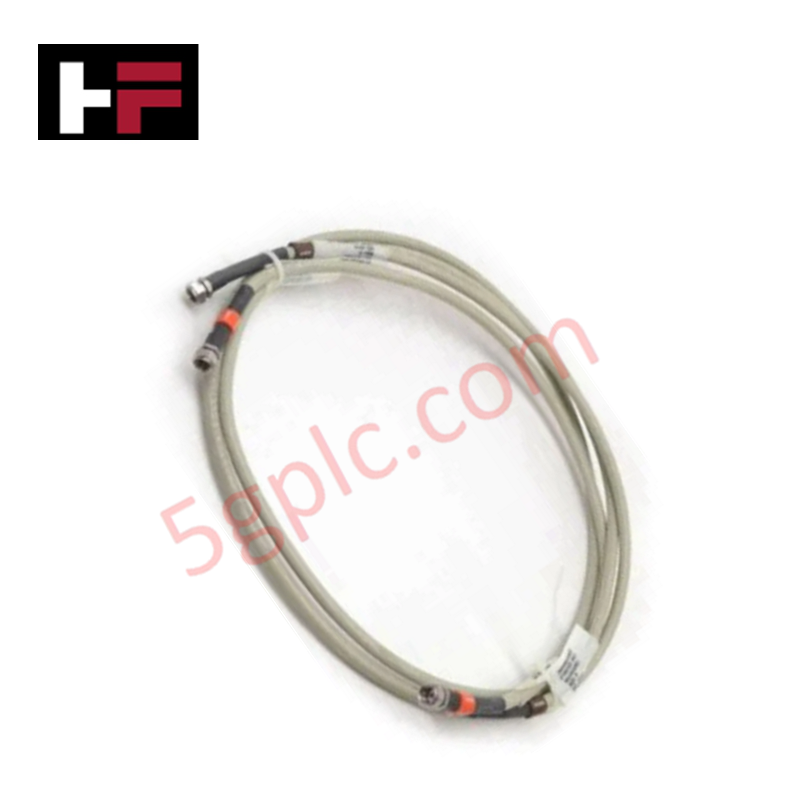
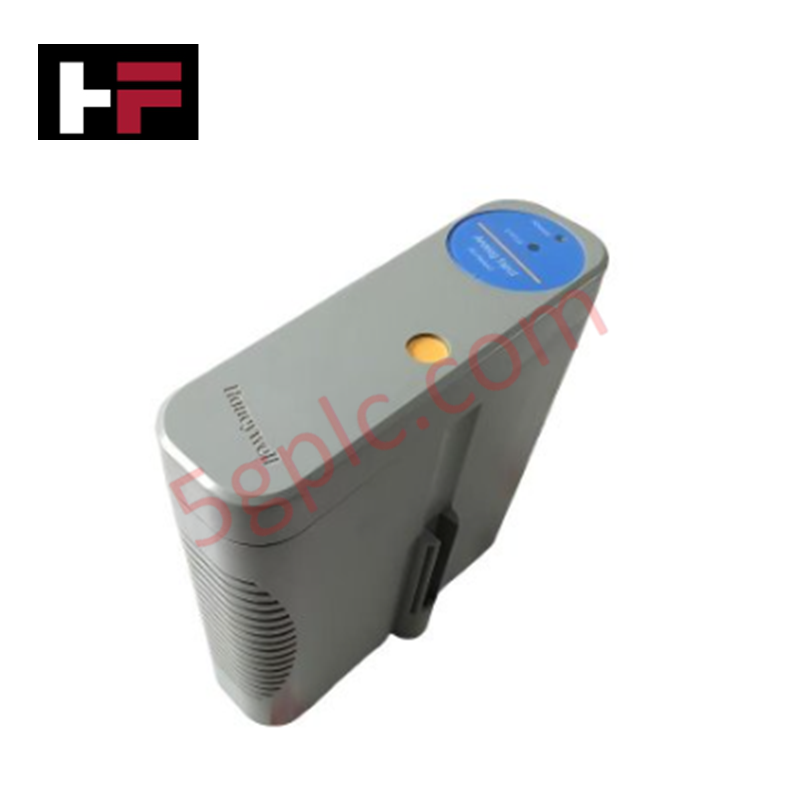
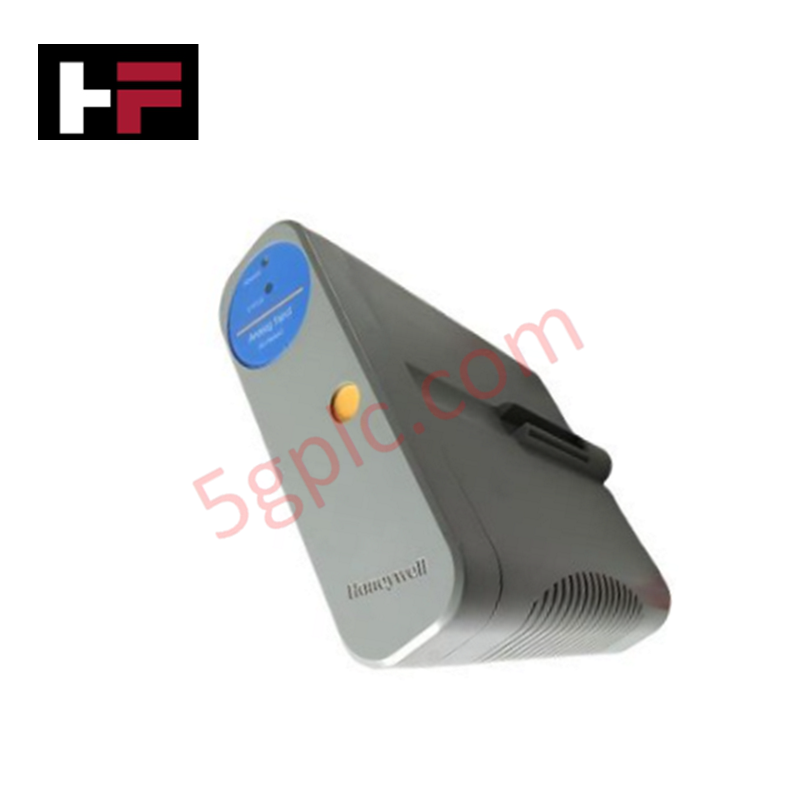
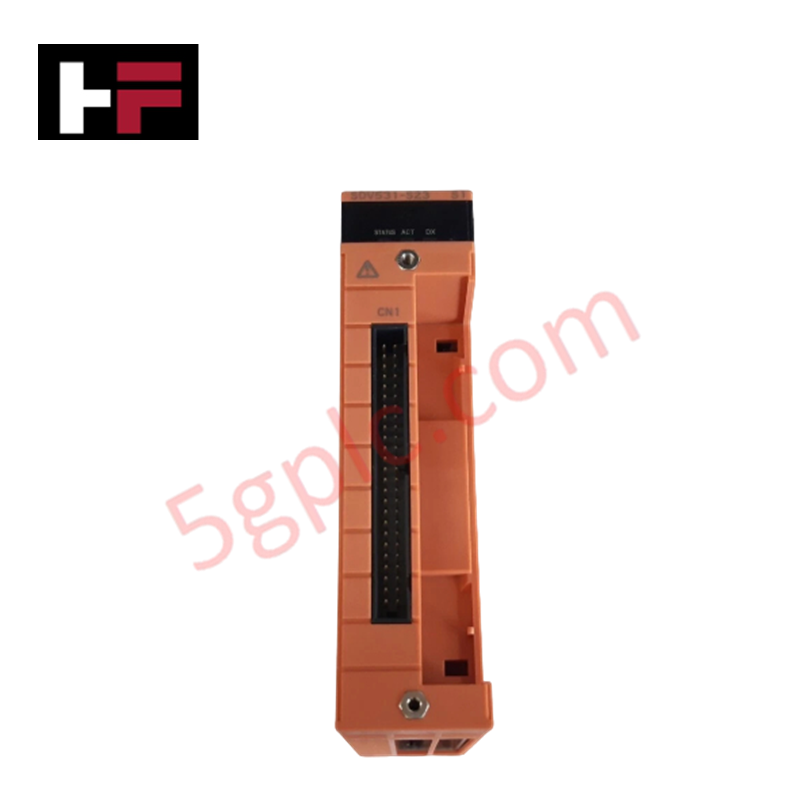
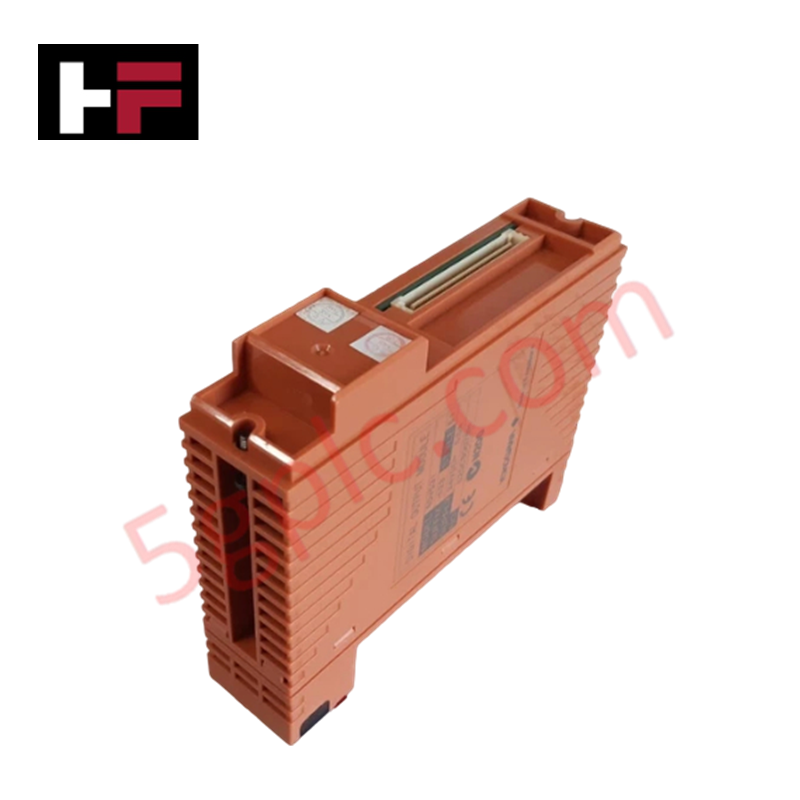
The GE 8851-LC-MT, also cataloged as the 8851-LC-MT Safety Control Module, operates as a dedicated hardware component for deterministic safety data transmission within SafetyNet network platforms.
Hardware Specifications
| Parameter | Specification |
|---|---|
| Model | 8851-LC-MT |
| Brand | GE (General Electric) |
| Origin | United States |
| Weight | 2.5 lbs |
| Dimensions | 57 mm x 14.5 mm x 13.4 mm |
| Operating Temp | -40 - 85 deg C |
| Power Consumption | Power Supply: 3.3 V DC |
| Transmission Speed | 10/100/1000 Mbps |
| Operating Wavelength | 1310 nm |
| Transmit Power | -9.5 dBm to 0 dBm |
| Receive Sensitivity | -20 dBm |
| Maximum Distance | 10 km |
| Safety Certification | IEC 61508 SIL 2 |
| Architecture | 1oo1D with internal diagnostics |
Firmware Flash Compatibility and Deterministic Networks
The hardware subsystem executes high-speed optical data frame serialization over a 1310 nm laser wavelength path. Operating within a 1oo1D safety configuration, the controller executes automated internal diagnostic loops to verify physical layer packet integrity. To maintain collision-free packet execution across Profinet, EtherNet/IP, or native SafetyNet deterministic networks, connected node interfaces must align with precise firmware flash compatibility matrices. This prevents sub-millisecond transmission timing drift and protects the safety-loop response times.
Frequently Asked Questions
Q: How does the 1oo1D architecture execute a fail-safe state during an internal hardware diagnostic fault?
A: When internal diagnostics detect an optical degradation or memory register failure, the 1oo1D framework automatically transitions the local channel to its defined de-energized fail-safe state while transmitting a diagnostic fault byte across the backplane.
Q: What are the hot-swap constraints when replacing an active 8851-LC-MT module?
A: Hot-swapping is restricted based on the active state of the optional redundancy link. If a redundant channel is synchronized, the primary unit can be removed without disrupting optical transmission loops; otherwise, the local network segment must be de-energized.
Field Installation Guidelines
- Fiber Optic Cable Bending Radius: Maintain a minimum structural bending radius of 30 mm on all 1310 nm fiber optic patch cables to prevent signal attenuation and preserve receive sensitivity parameters above -20 dBm.
- DIN-Rail and Enclosure Alignment: Mount the module onto standard panel rails inside a sealed cabinet, verifying that the physical clearance path allows natural convective cooling across the -40 to 85 deg C operating window.
- Electrostatic Grounding Sequence: Ensure the hosting chassis framework is bonded to the master facility low-impedance grounding bar prior to inserting the 3.3 V internal logic interface line pins.
Additional Information
- 100% Genuine Parts: All products are original and authentic, ensuring reliable industrial performance.
- 30-Day Refund Guarantee: Return any in-stock item within 30 days in original, unopened packaging for a full refund (excluding shipping and fees).
- 12-Month Warranty: Covers defects in materials or workmanship; excludes misuse, normal wear, or unauthorized modifications.
- Worldwide Shipping: We ship via USPS, UPS, FedEx, and DHL. Delivery times vary by country and may be subject to customs or import fees.
- Support & Contact: Technical and warranty assistance is available anytime. Contact us here: Contact.
- Purchase Guidance: Check product specifications and compatibility carefully before ordering to ensure proper application.
Tech & Buying Guide
Mastering Modern Industrial Joystick Controls in Heavy Automation
Industrial joysticks play a pivotal role in human-machine interaction across heavy material handling and mobile hydraulics. These tactile controllers translate complex operator movements into precise electrical signals for PLCs, motion controllers, and DCS networks. Consequently, selecting and installing the right joystick architecture ensures operator safety, reduces fatigue, and optimizes equipment performance.

Navigating Industrial Automation Failures: Types, Causes, and Mitigation Strategies
Modern manufacturing relies heavily on automated control systems to maximize throughput and maintain product quality. However, unplanned downtime in industrial automation can cost facility operators thousands of dollars per hour. Understanding how programmable logic controllers (PLCs), distributed control systems (DCS), and field instrumentation fail empowers engineering teams to implement robust preventive maintenance strategies.
Essential Motion Control Commands: A Practical Guide for Engineers
Automation engineers often rely on precise position and speed control to drive modern factory machinery. Modern industrial systems, such as Programmable Logic Controllers (PLCs) and Distributed Control Systems (DCS), depend heavily on standardized motion instructions. Mastering these commands ensures operational safety, protects mechanical components, and optimizes cycle times across production lines.