










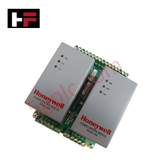
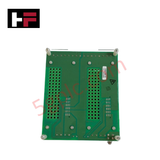
Product Details
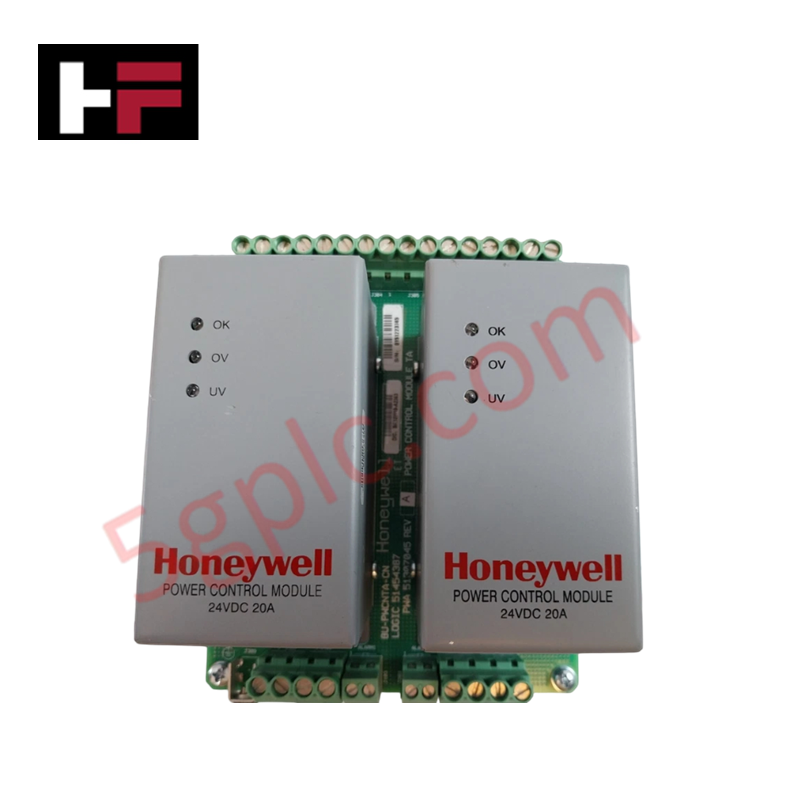
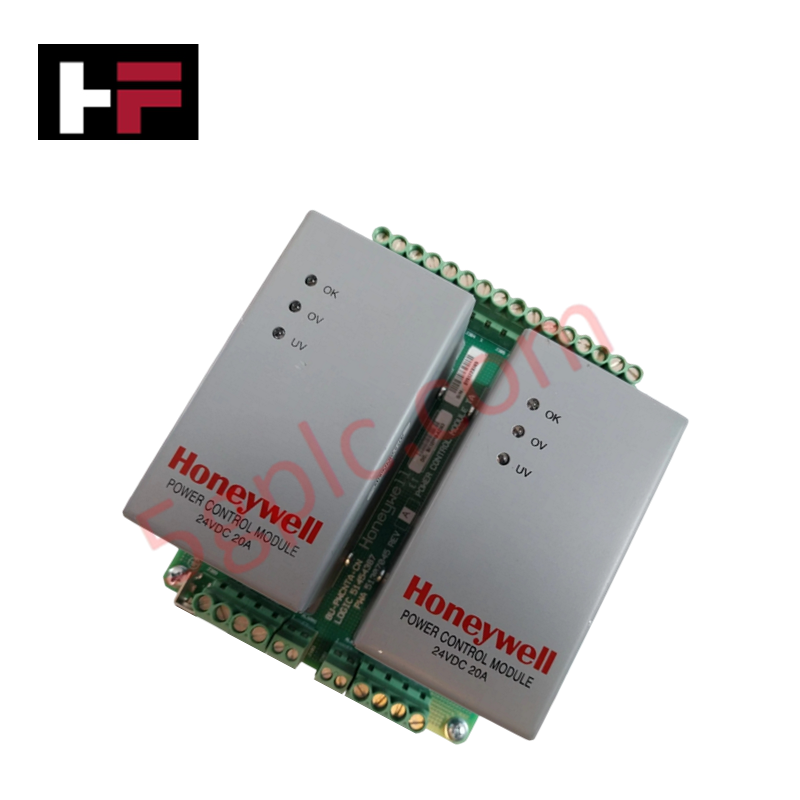
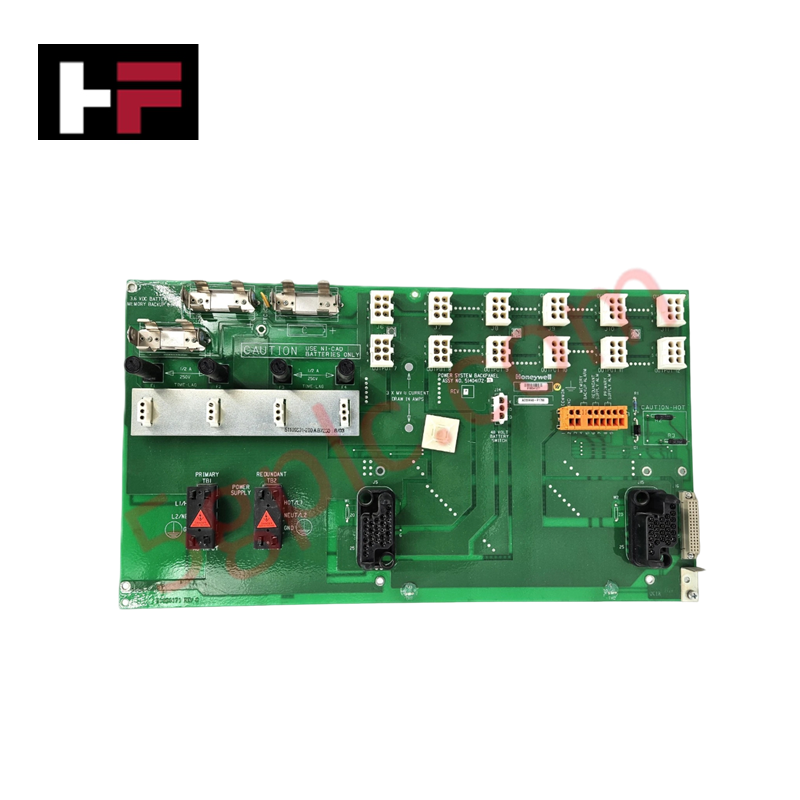
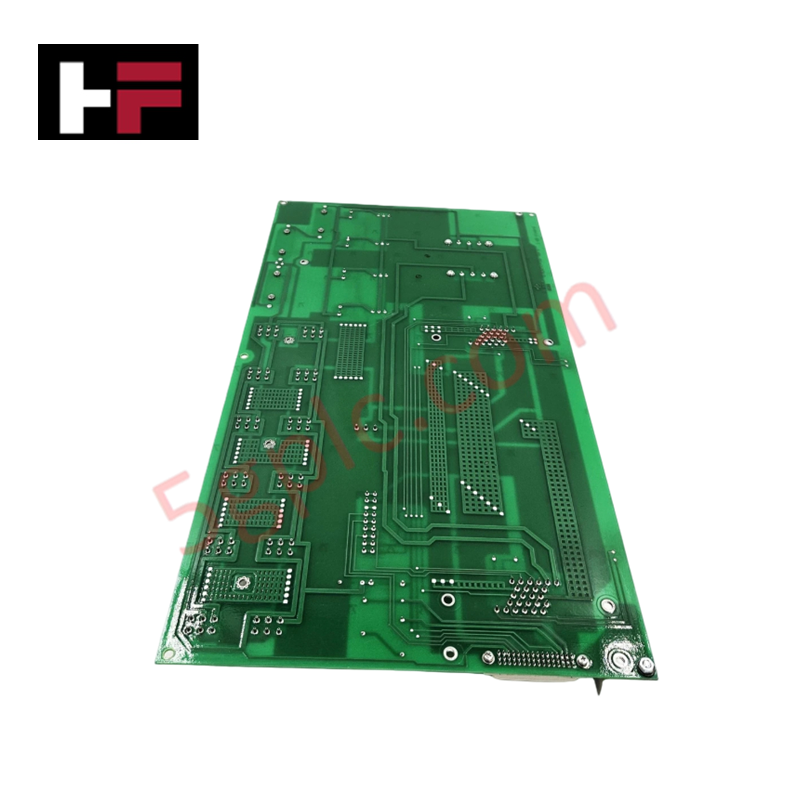
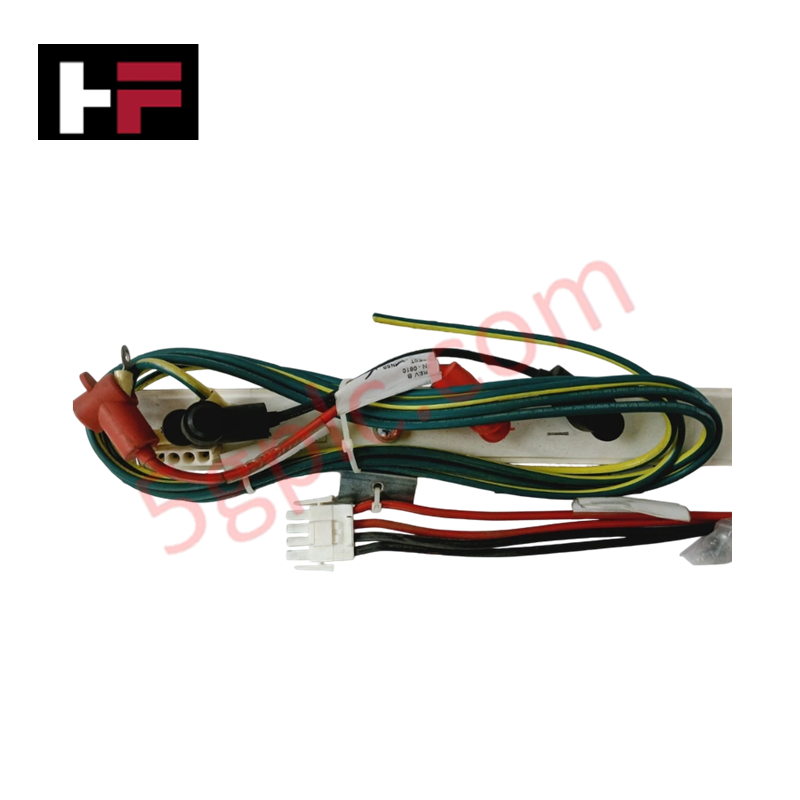
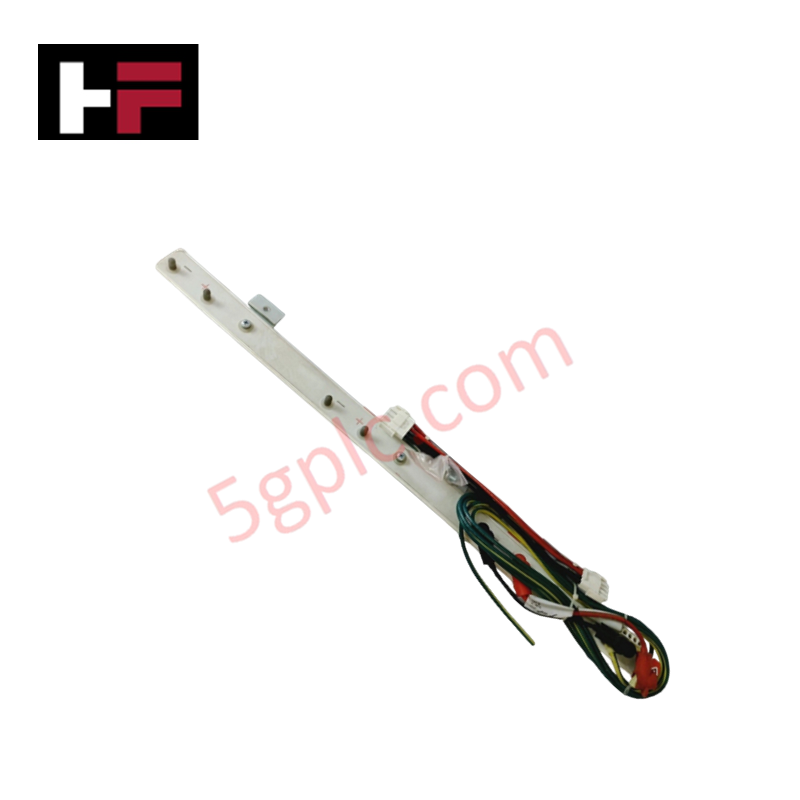
The Honeywell 8U-PWCNTA-CN, also cataloged as the 8U-PWCNTA-CN Power Control Module, operates as a dedicated hardware component for 24 VDC power regulation, distribution filtering, and backplane supply monitoring within Honeywell Experion PKS Series C platforms.
Hardware Specifications
| Parameter | Specification |
|---|---|
| Model | 8U-PWCNTA-CN |
| Brand | Honeywell |
| Origin | USA |
| Weight | Approx. 0.85 kg |
| Dimensions | Standard Experion PKS Series C module footprint |
| Operating Temp | -40 deg C to +70 deg C |
| Power Consumption | Self-consumption approx. 15 W at 20 A full load rating |
| Input / Output Voltage | 24 VDC nominal |
| Maximum Continuous Current | 20 A |
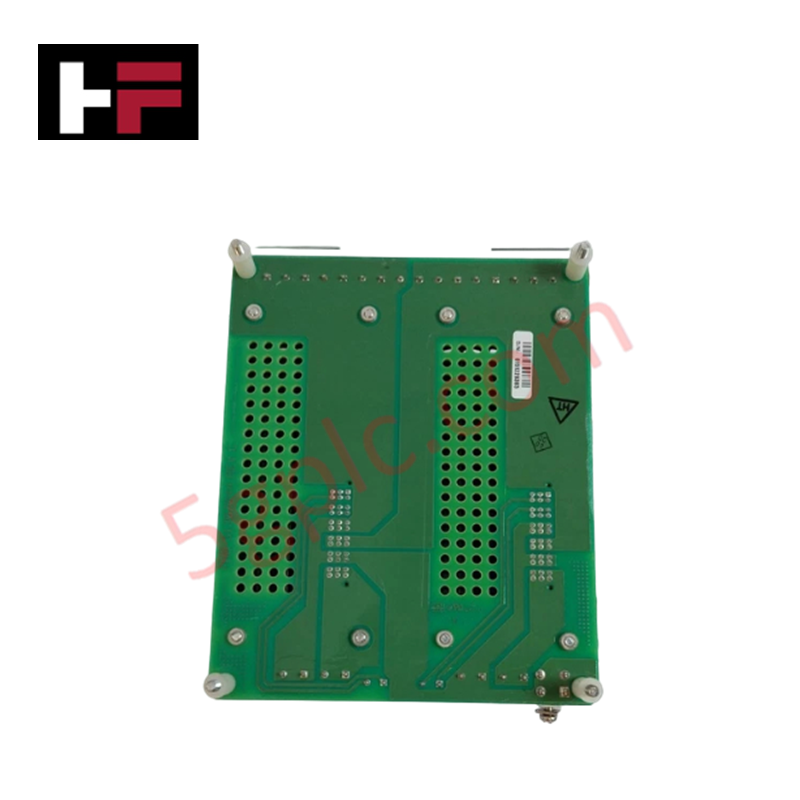
| PCB Flammability Rating | UL 94V-0 |
| Hardware Revision | REV.A |
4-20 mA HART Loop Protocol and Channel-to-Channel Isolation
The module incorporates high-density filtering circuits and internal power bus isolation barriers to maintain channel-to-channel isolation across adjacent Series C I/O modules. By preventing high-frequency switching noise, ripple voltage, and common-mode transients on the primary 24 VDC power bus from coupling into analog processing circuits, the module ensures accurate field signal acquisition for 4-20 mA HART loop protocol instruments connected to the controller rack.
Frequently Asked Questions
Q: What is the purpose of the 94V-0 designation marked on the PCB?
A: The 94V-0 rating designates compliance with the UL 94 plastic flammability standard, certifying that device burning stops within 10 seconds on a vertical specimen without flaming drips.
Q: Can two 8U-PWCNTA-CN power modules be installed for redundant power distribution?
A: Yes, the module architecture supports parallel diode-ORing configurations to provide dual-redundant 24 VDC supply feeds across Experion PKS Series C module carriers.
Q: What protection mechanisms are integrated into the 20 A DC power path?
A: The module includes overcurrent sensing, reverse polarity protection, and overvoltage clamping to isolate fault conditions and protect connected backplane logic.
Field Installation Guidelines
- De-energize incoming 24 VDC supply lines before seating the module into the Series C power distribution carrier.
- Align the circuit card assembly with the rack guide rails and slide in firmly until the locking lever fully engages the backplane connector.
- Torque all terminal block screw connections to manufacturer specified limits to prevent thermal hot spots under 20 A continuous loading conditions.
- Ensure proper cabinet ventilation and clear space around the power module heat sink to allow natural convection cooling.
Additional Information
- 100% Genuine Parts: All products are original and authentic, ensuring reliable industrial performance.
- 30-Day Refund Guarantee: Return any in-stock item within 30 days in original, unopened packaging for a full refund (excluding shipping and fees).
- 12-Month Warranty: Covers defects in materials or workmanship; excludes misuse, normal wear, or unauthorized modifications.
- Worldwide Shipping: We ship via USPS, UPS, FedEx, and DHL. Delivery times vary by country and may be subject to customs or import fees.
- Support & Contact: Technical and warranty assistance is available anytime. Contact us here: Contact.
- Purchase Guidance: Check product specifications and compatibility carefully before ordering to ensure proper application.
Tech & Buying Guide

Understanding Modern SCADA Systems: Architecture, Communication Topologies, and Industrial Applications
Supervisory Control and Data Acquisition (SCADA) systems form the digital backbone of modern industrial automation. They collect critical field data, transmit signals across vast distances, and empower plant operators with real-time process visibility. Across modern infrastructures, SCADA solutions streamline centralized control and maintain continuous operational uptime.

Understanding OPC Servers in Modern Industrial Automation: Principles, Architecture, and Applications
In industrial automation, connecting physical hardware with high-level software remains a primary operational challenge. Factories utilize programmable logic controllers (PLCs), distributed control systems (DCS), human-machine interfaces (HMIs), and smart sensors from diverse vendors. These devices often speak different proprietary protocols. Open Platform Communications (OPC) servers solve this interoperability challenge by standardizing how data flows across factory networks.

Industrial Fiber Optic Cables: Principles, Connectors, and Fusion Splicing Techniques
Modern factory automation relies heavily on fiber optic cables for high-speed industrial data transmission. Fiber optic cables transmit light pulses instead of electrical signals, eliminating electromagnetic interference (EMI) risks completely. Each optical strand consists of a high-purity glass core surrounded by a protective cladding layer. The difference in refractive index between core and cladding enables total internal reflection. Protective resin buffers, Kevlar strength members, and rugged outer jackets safeguard delicate glass cores in harsh environments. Consequently, automation engineers prefer fiber backbones for reliable noise-free communication in industrial control systems.