










I/O Modules
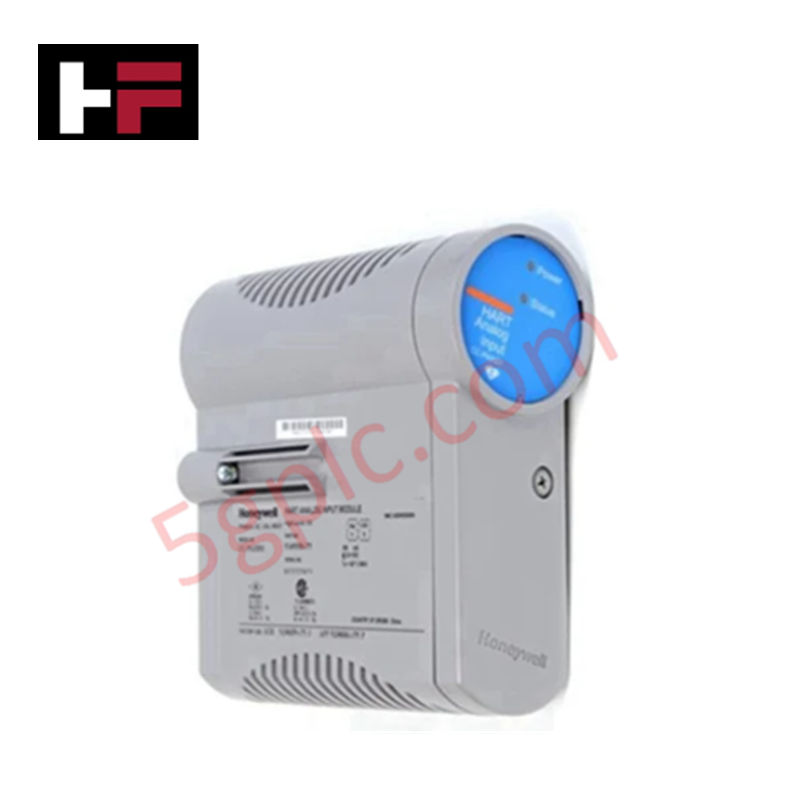
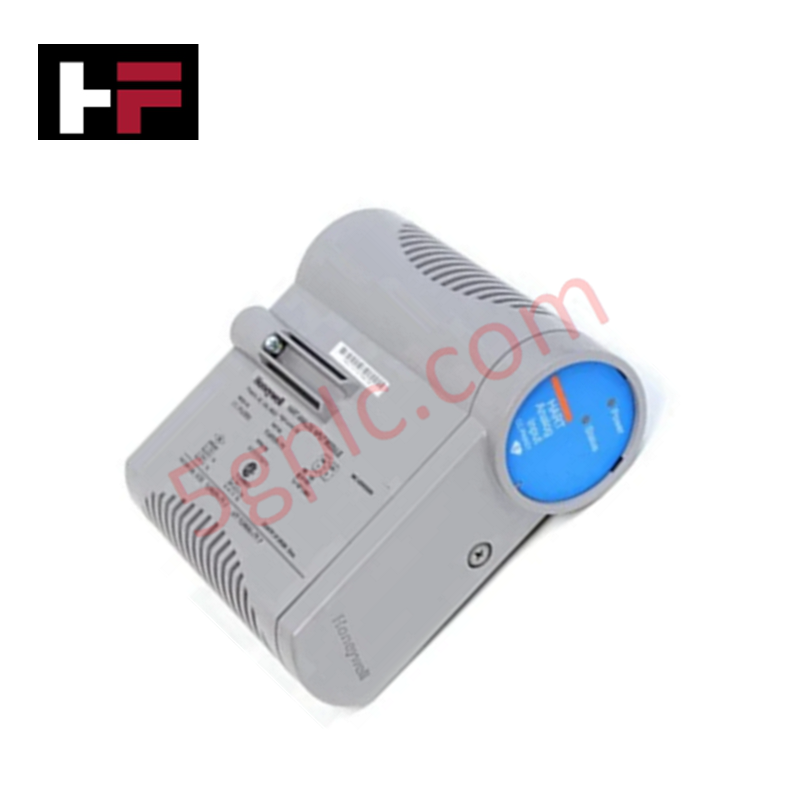
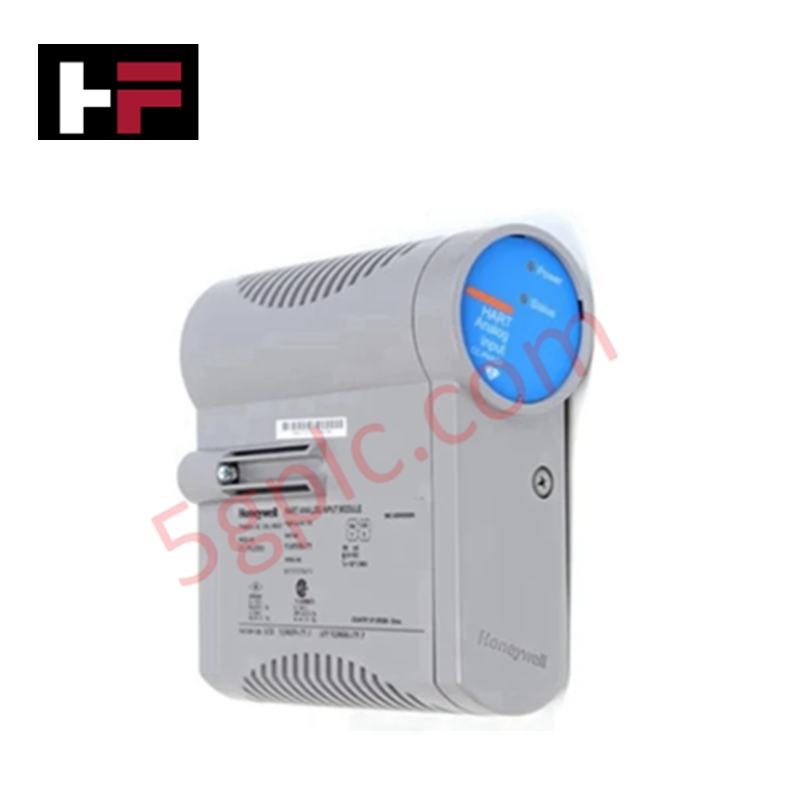
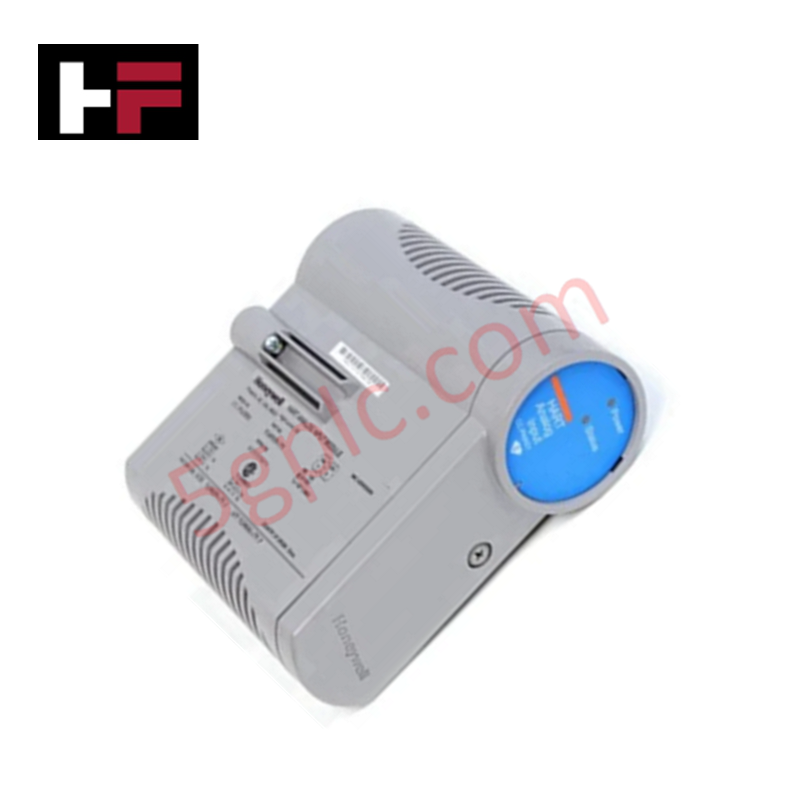
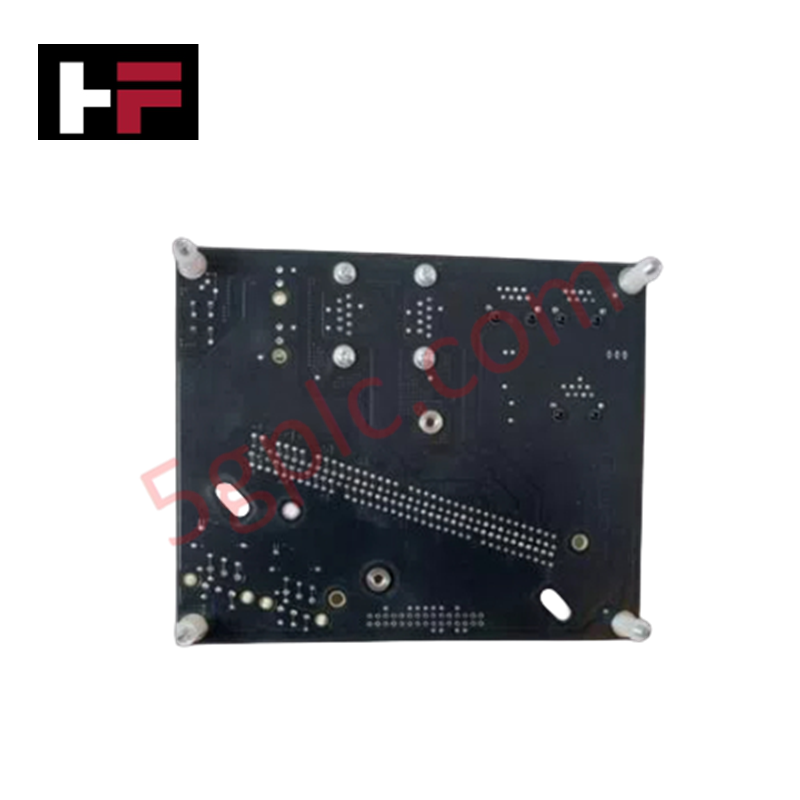
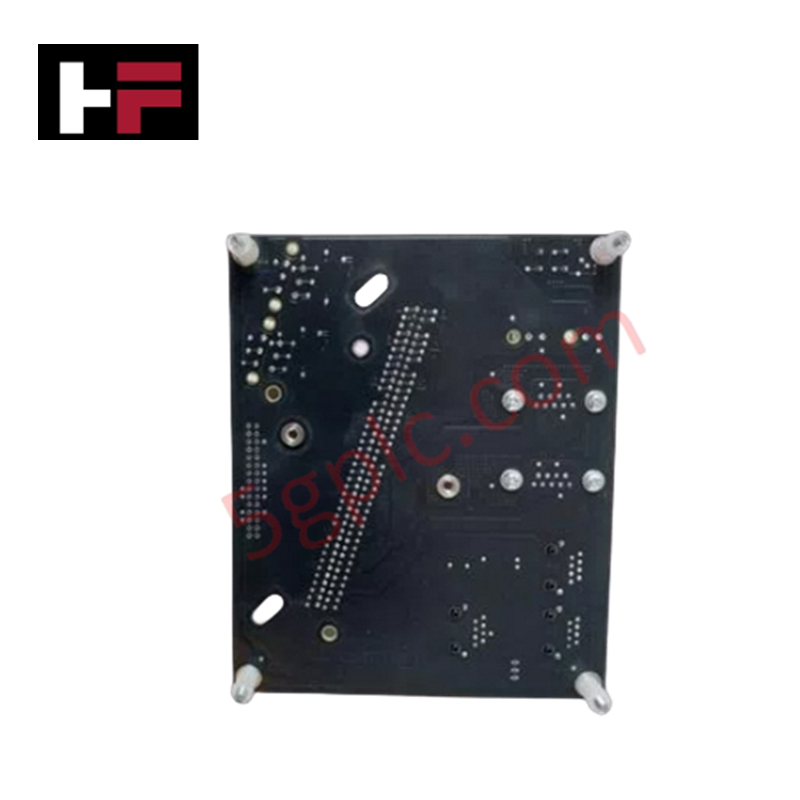
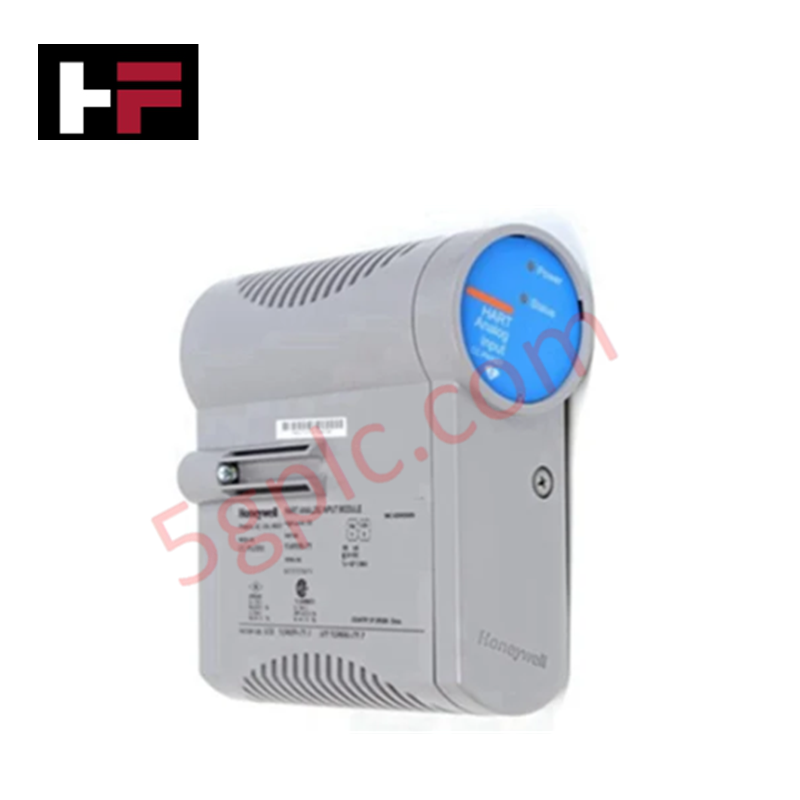
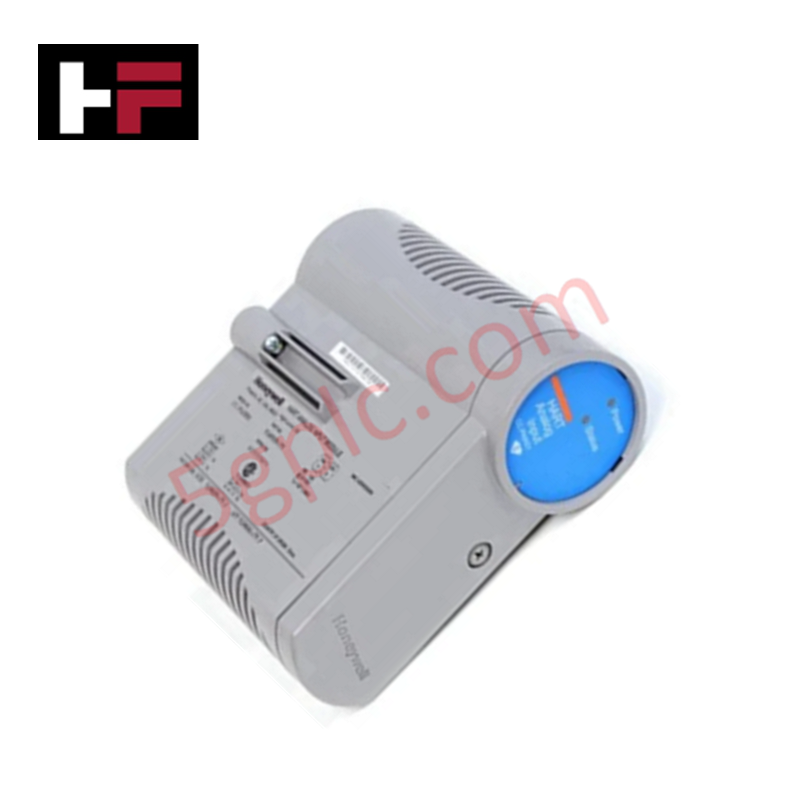
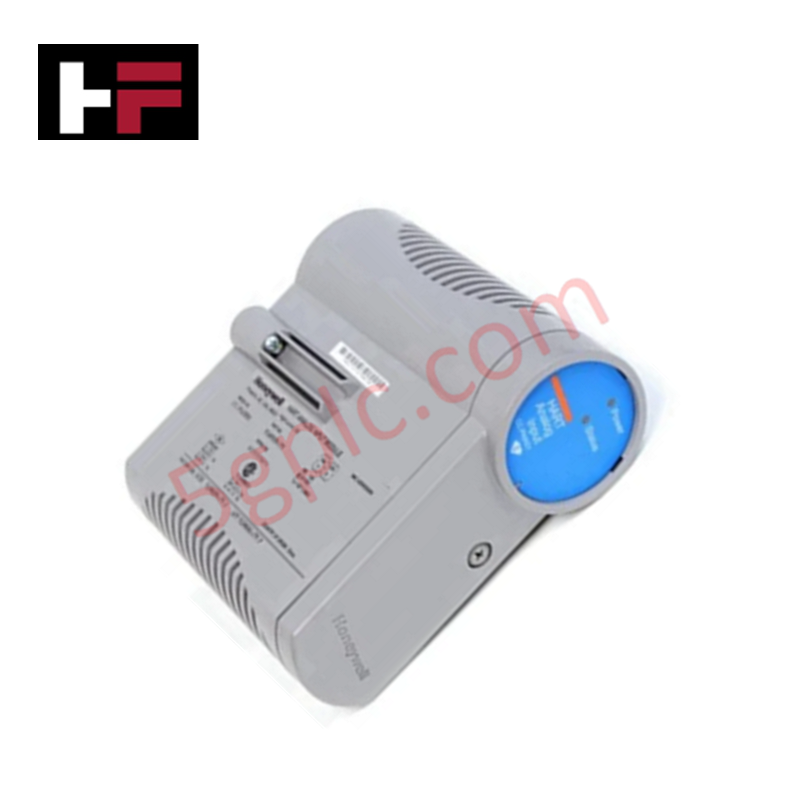
This inventory focuses on the hardware layer of signal acquisition and distribution, providing a wide array of input/output modules for diverse industrial control environments. The selection covers standard discrete (24VDC/120VAC) and isolated analog signals, specifically focusing on high-density 4-20mA current loops, 0-10V voltage interfaces, and direct RTD/Thermocouple temperature sensing units. Beyond basic I/O, this category includes specialized high-speed counter modules, HART-compatible interfaces, and remote I/O expansion units designed for distributed architectures. These components are essential for interfacing field instrumentation with central processing units, ensuring precise conversion and electrical isolation across critical control loops in both factory and process automation.






Blog posts

Master Acceptance Testing: Understanding FAT and SAT in Industrial Control Systems
Factory Acceptance Testing (FAT) and Site Acceptance Testing (SAT) serve as critical quality assurance gateways in complex industrial control systems. Both procedures verify that programmable logic controllers (PLCs), distributed control systems (DCS), and associated field devices meet strict functional specifications. However, executing these tests effectively requires clear delineation between off-site staging and final field commissioning.

Industrial Networking Essentials: Demystifying Hubs, Switches, and Routers in Control Systems
Industrial automation relies heavily on robust networking infrastructure to connect programmable logic controllers (PLCs), distributed control systems (DCS), and human-machine interfaces (HMIs). Modern factory automation environments generate vast amounts of real-time operational data across deterministic networks. Understanding the structural differences between hubs, switches, and routers ensures optimal traffic segmentation, minimizes latency, and maintains high network availability.
Safety Relays in Industrial Automation: Fundamentals, Design Standards, and Fail-Safe Architecture
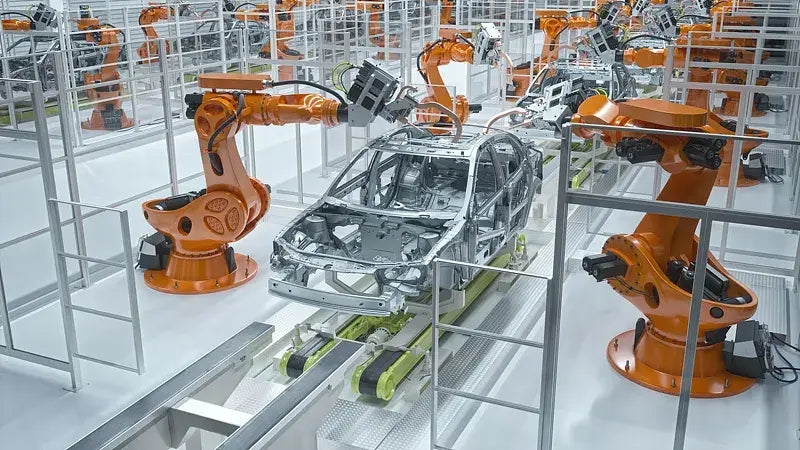
Safety relays form the bedrock of functional safety in modern factory automation, preventing catastrophic equipment failure and protecting plant personnel. While standard electromechanical relays handle basic load switching, they lack the redundant diagnostics required for high-risk industrial environments. Modern industrial automation platforms—including programmable logic controllers (PLCs) and distributed control systems (DCS)—rely on specialized safety relays to monitor field devices and isolate hazards instantly.