












Product Details
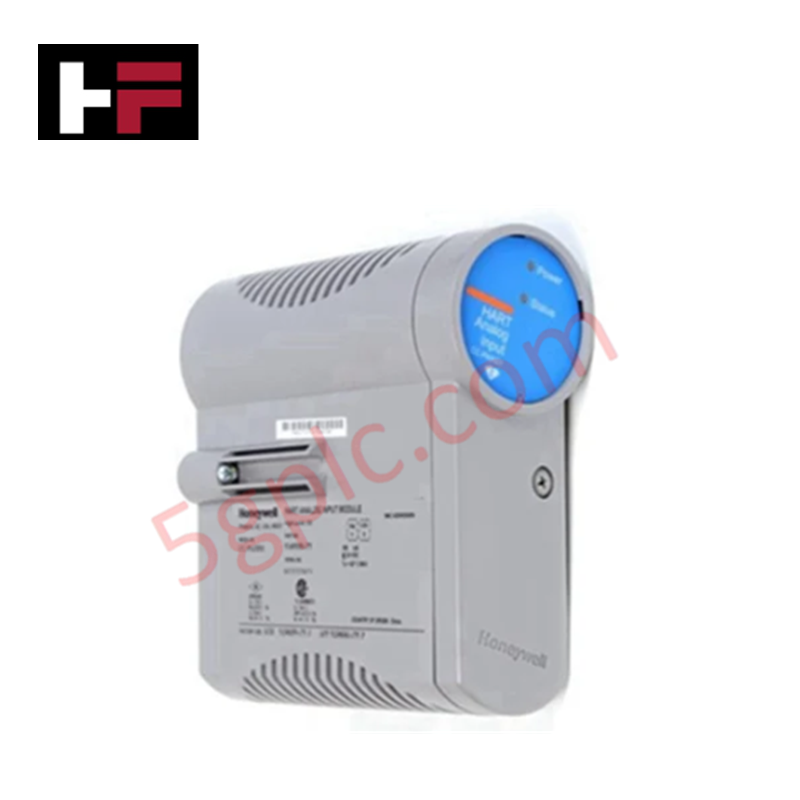
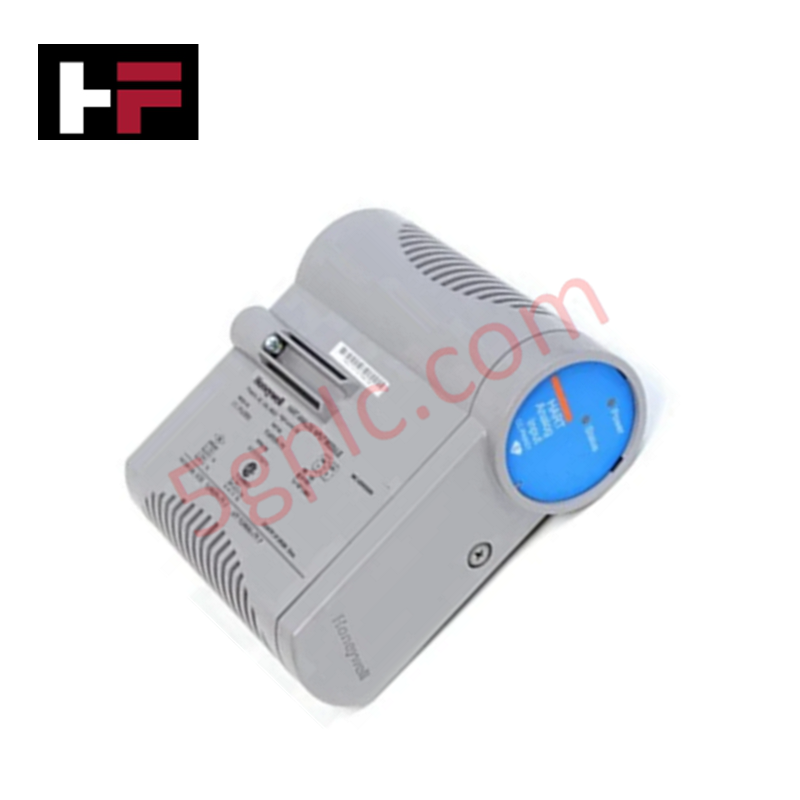
Configured for high-speed wireless module interconnection and field signal routing in Experion Series 8 I/O platforms, the Honeywell 8U-TPOX01 51307022-175 (8U-TPOX01 Wireless Module Backplane) provides direct physical/electrical execution.
Hardware Specifications
| Parameter | Specification |
|---|---|
| Model | 8U-TPOX01 51307022-175 |
| Brand | Honeywell |
| Origin | USA |
| Weight | 0.32 kg |
| Dimensions | 22.6 cm x 22.6 cm x 5.08 cm |
| Operating Temp | -40 deg C to 60 deg C |
| Power Consumption | Not specified |
| Backplane Type | Wireless Module Backplane |
| Integration | Experion Series 8 I/O System |
Channel-to-Channel Isolation & DCS Field Connectivity
The backplane serves as the primary electrical interface for wireless I/O expansion, routing real-time process data directly into the Experion Series 8 system bus. Galvanic channel-to-channel isolation prevents ground loop paths and transient voltage noise from disturbing high-speed data transmission lines. The backplane design ensures signal integrity across cold-junction environments and noisy field conditions, providing structured termination without requiring external marshalling.
Frequently Asked Questions
Q: What physical dimensions are required for mounting the 8U-TPOX01 51307022-175 assembly?
A: The module backplane footprint measures 22.6 cm x 22.6 cm x 5.08 cm (8.9 in x 8.9 in x 2 in).
Q: Does the backplane maintain operational stability across extreme industrial temperatures?
A: Yes, the hardware is rated for continuous operation within ambient temperature limits of -40 deg C to 60 deg C.
Q: How does the backplane interface protect against electrical field transients?
A: Internal bus pathways incorporate galvanic isolation barriers to prevent field-side voltage surges from propagating to central processing hardware.
Field Installation Guidelines
- Disconnect main power to the Experion Series 8 enclosure prior to mounting or servicing the backplane.
- Maintain strict ESD countermeasures, ensuring a grounded wrist strap is attached before handling the printed circuit board assembly.
- Secure the backplane onto the DIN rail or mounting plane using all provided screw retention points to ensure chassis grounding.
- Route power and field signal cables separately from high-voltage AC lines to minimize inductive electromagnetic coupling.
- Verify that all field wiring shields are grounded at a single point on the main earth bus bar.
Additional Information
- 100% Genuine Parts: All products are original and authentic, ensuring reliable industrial performance.
- 30-Day Refund Guarantee: Return any in-stock item within 30 days in original, unopened packaging for a full refund (excluding shipping and fees).
- 12-Month Warranty: Covers defects in materials or workmanship; excludes misuse, normal wear, or unauthorized modifications.
- Worldwide Shipping: We ship via USPS, UPS, FedEx, and DHL. Delivery times vary by country and may be subject to customs or import fees.
- Support & Contact: Technical and warranty assistance is available anytime. Contact us here: Contact.
- Purchase Guidance: Check product specifications and compatibility carefully before ordering to ensure proper application.


Tech & Buying Guide

FAT vs SAT in Industrial Control Systems: Key Differences and Execution Guide
Industrial control system deployment relies on strict verification protocols to guarantee operational safety, system stability, and regulatory compliance. Commissioning complex Programmable Logic Controller (PLC) racks, Distributed Control Systems (DCS), and Safety Instrumented Systems (SIS) requires two critical milestones: the Factory Acceptance Test (FAT) and the Site Acceptance Test (SAT). Both procedures validate that system automation meets design specifications, but they occur at different stages of project execution and target distinct operational risks.

Hub vs Switch vs Router in Industrial Automation Architecture
Modern factory automation relies on reliable industrial networking infrastructure to exchange real-time field data across operational technology systems. Engineers often encounter networking hardware like hubs, switches, and routers when integrating Programmable Logic Controllers, Distributed Control Systems, and SCADA monitoring nodes. Although these devices share physical ports, they operate at different layers of the Open Systems Interconnection reference model and deliver distinct traffic management capabilities.

Marshalling Cabinet Preventive Maintenance: Essential Healthiness Checks for PLC, DCS, and ESD Systems
Marshalling cabinets serve as the vital interface between field instrumentation and control room electronics in modern process facilities. Regular preventive maintenance of these cabinets ensures signal integrity across programmable logic controllers (PLCs), distributed control systems (DCS), and emergency shutdown (ESD) networks. System technicians must execute structured inspection protocols to mitigate environmental risks, identify loose wiring, and maintain continuous operational readiness.