












Product Details
Technical Overview
The F 8650E (Part Number: F 8650E) serves as the high-integrity processing core for HIMA safety-related automation systems. Architected for reliability, this central module manages all logic execution, I/O scanning, and diagnostic routines required to maintain SIL 3 operational standards. It features a dual-PCB construction to optimize signal processing and hardware redundancy, making it a critical component for emergency shutdown (ESD) and process control applications that demand unwavering stability.
Detailed Specifications
The following technical data defines the hardware architecture and operational parameters of the F 8650E processor:
-
Main Processor: Intel 386EX 32-bit embedded CPU
-
Processing Clock Speed: 25 MHz
-
Memory Architecture: 1 MB Flash-EPROM dedicated to the Operating System and user program storage
-
Communication Ports: 2 x RS-485 serial interfaces featuring full galvanic electrical isolation
-
Visual Diagnostics: Integrated 4-digit alphanumeric display for real-time system status and error code reporting
-
Hardware Design: Composed of two European standard PCBs plus a dedicated secondary PCB for display logic
-
Physical Width: 8 SU (Standard Units) / 40.6 mm
-
Dimensions: 4.1 cm x 18.7 cm x 12.8 cm
-
Unit Weight: 0.34 kg
-
Power Requirements: 5V DC at 2A nominal consumption
-
Diagnostic Capability: Selectable information toggle for localized fault analysis
Functional Logic and Deployment
The F 8650E central module is engineered for localized safety control. Its 32-bit architecture allows for complex floating-point calculations and rapid logic solving, essential for:
-
High-Speed Interlocking: Executing safety shutdowns in millisecond timeframes.
-
Isolated Communication: Using the dual RS-485 ports to bridge safety data with peripheral devices without risking ground loop interference.
-
System Monitoring: Utilizing the onboard alphanumeric display for onsite engineers to verify system health without requiring a connected PC.
Frequently Asked Questions
How is the firmware updated on the F 8650E?Firmware and safety logic are managed through the 1 MB Flash-EPROM. Updates are typically performed via the HIMA ELOP II or SILworX engineering tools, depending on the specific system version and hardware revision.
What is the significance of the "E" suffix in the F 8650E model?The "E" typically denotes enhanced communication capabilities or specific hardware revisions tailored for safeethernet compatibility within the broader HIMA networking ecosystem.
System Module Comparison
-
F 8650E: 32-bit Intel architecture, 25 MHz, 1MB Flash, primarily for central logic solving.
-
F 8651: Similar form factor but often configured with different memory allocations or interface priorities.
-
F 8650: The standard version without the specific "E" revision enhancements, used in base-level safety rack configurations.
Additional Information
- 100% Genuine Parts: All products are original and authentic, ensuring reliable industrial performance.
- 30-Day Refund Guarantee: Return any in-stock item within 30 days in original, unopened packaging for a full refund (excluding shipping and fees).
- 12-Month Warranty: Covers defects in materials or workmanship; excludes misuse, normal wear, or unauthorized modifications.
- Worldwide Shipping: We ship via USPS, UPS, FedEx, and DHL. Delivery times vary by country and may be subject to customs or import fees.
- Support & Contact: Technical and warranty assistance is available anytime. Contact us here: Contact.
- Purchase Guidance: Check product specifications and compatibility carefully before ordering to ensure proper application.


Tech & Buying Guide
Understanding Modern SCADA Systems: Architecture, Communication Topologies, and Industrial Applications
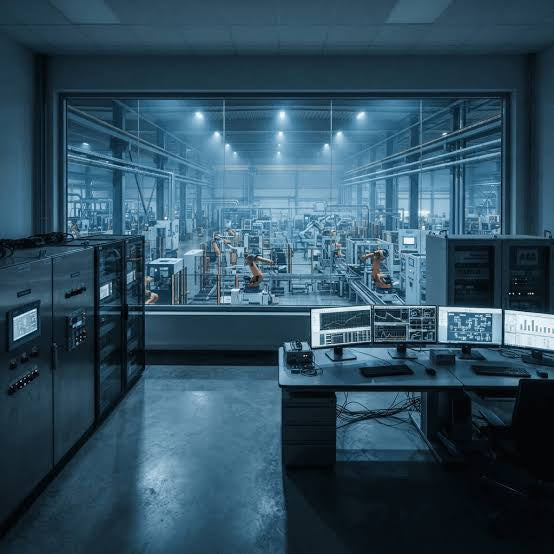
Supervisory Control and Data Acquisition (SCADA) systems form the digital backbone of modern industrial automation. They collect critical field data, transmit signals across vast distances, and empower plant operators with real-time process visibility. Across modern infrastructures, SCADA solutions streamline centralized control and maintain continuous operational uptime.
Understanding OPC Servers in Modern Industrial Automation: Principles, Architecture, and Applications
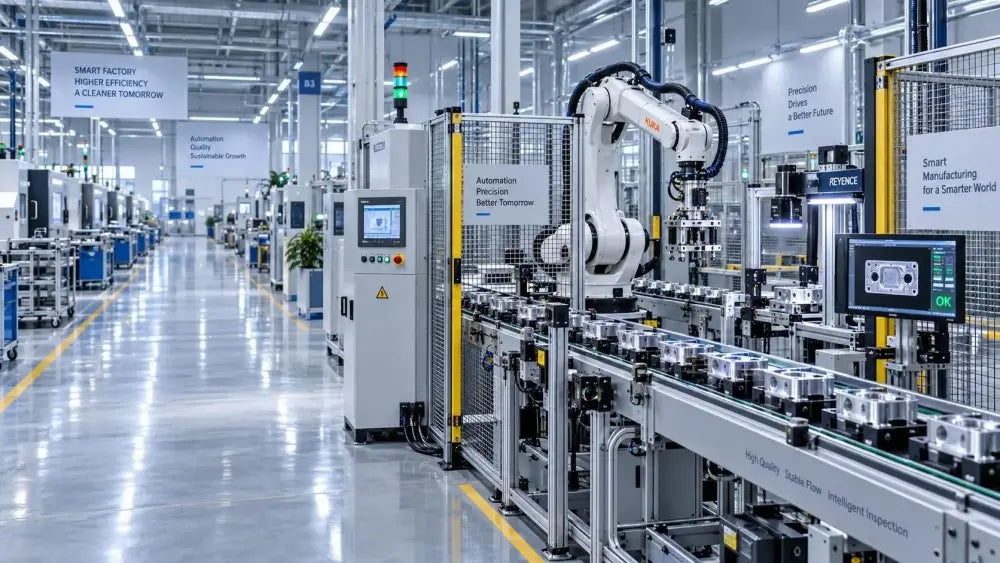
In industrial automation, connecting physical hardware with high-level software remains a primary operational challenge. Factories utilize programmable logic controllers (PLCs), distributed control systems (DCS), human-machine interfaces (HMIs), and smart sensors from diverse vendors. These devices often speak different proprietary protocols. Open Platform Communications (OPC) servers solve this interoperability challenge by standardizing how data flows across factory networks.

Industrial Fiber Optic Cables: Principles, Connectors, and Fusion Splicing Techniques
Modern factory automation relies heavily on fiber optic cables for high-speed industrial data transmission. Fiber optic cables transmit light pulses instead of electrical signals, eliminating electromagnetic interference (EMI) risks completely. Each optical strand consists of a high-purity glass core surrounded by a protective cladding layer. The difference in refractive index between core and cladding enables total internal reflection. Protective resin buffers, Kevlar strength members, and rugged outer jackets safeguard delicate glass cores in harsh environments. Consequently, automation engineers prefer fiber backbones for reliable noise-free communication in industrial control systems.