




Product Details
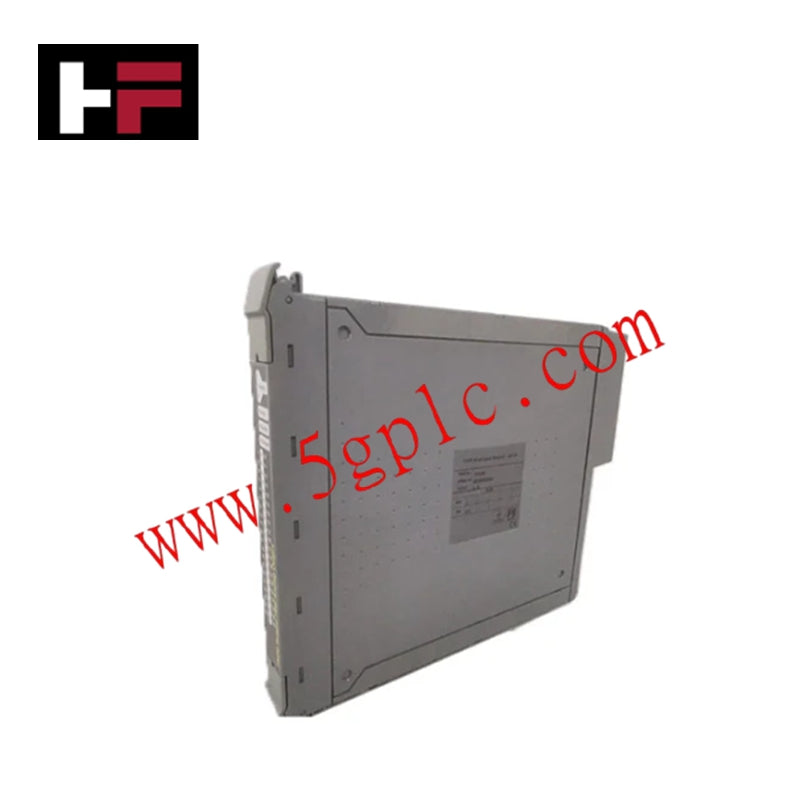
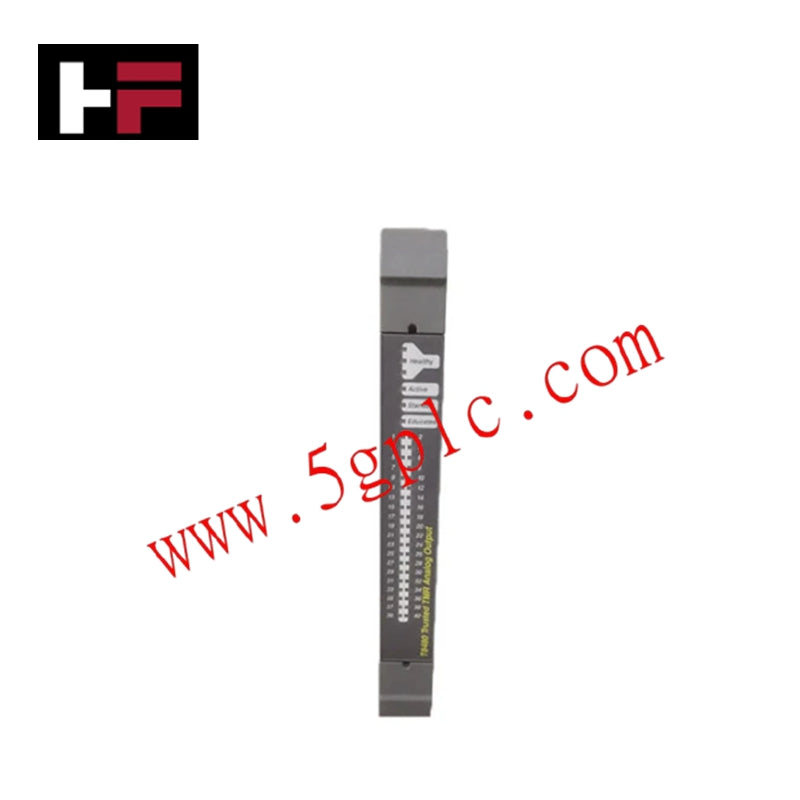
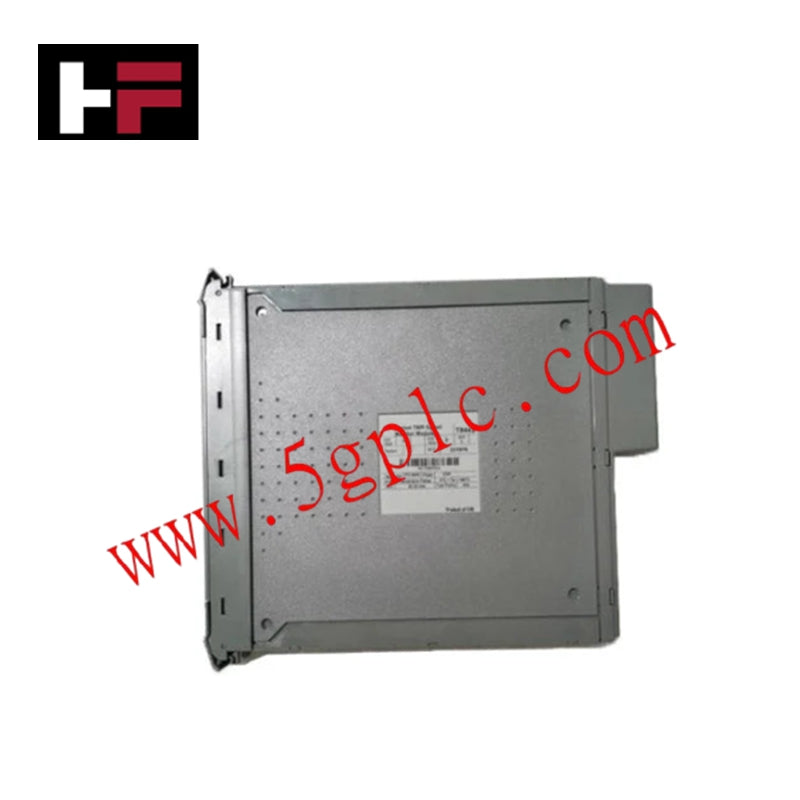
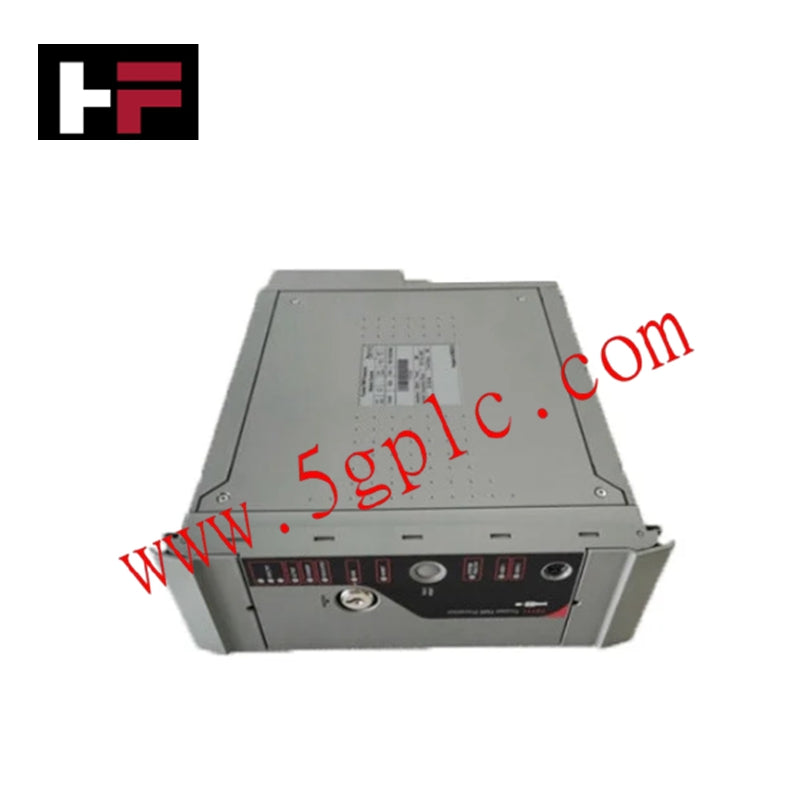
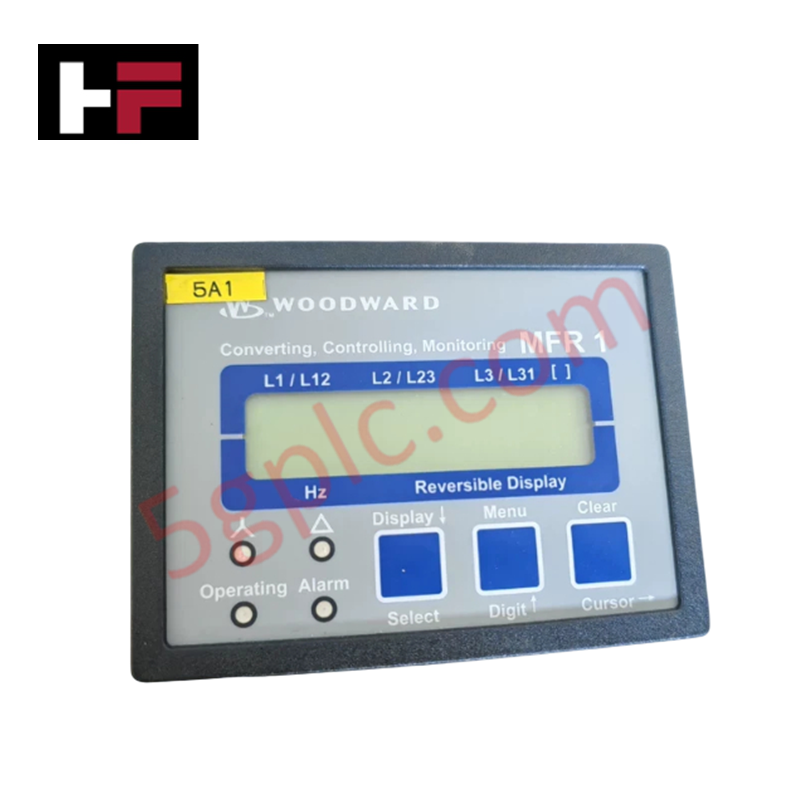
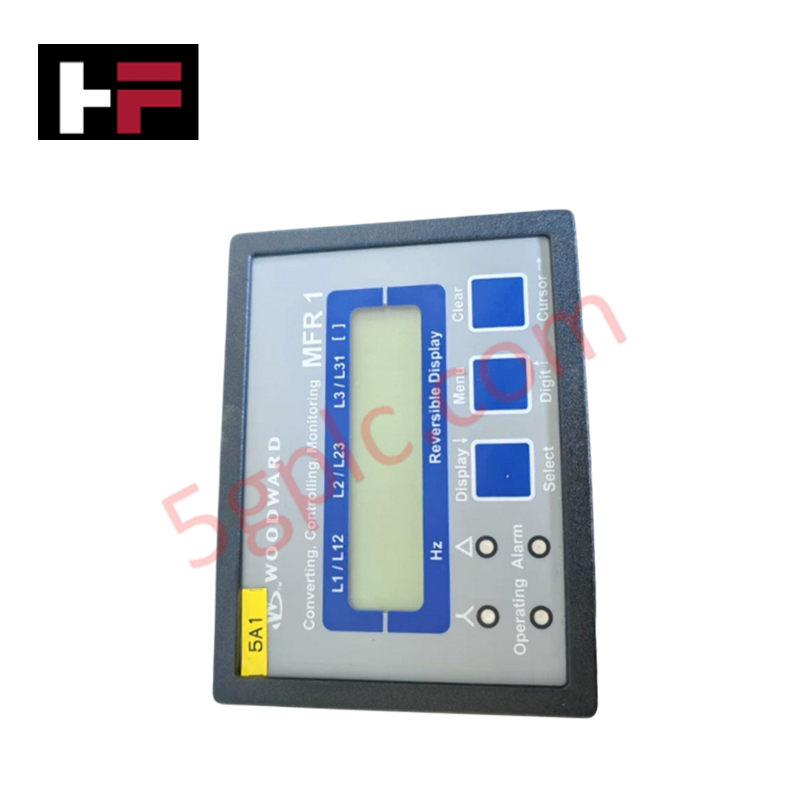
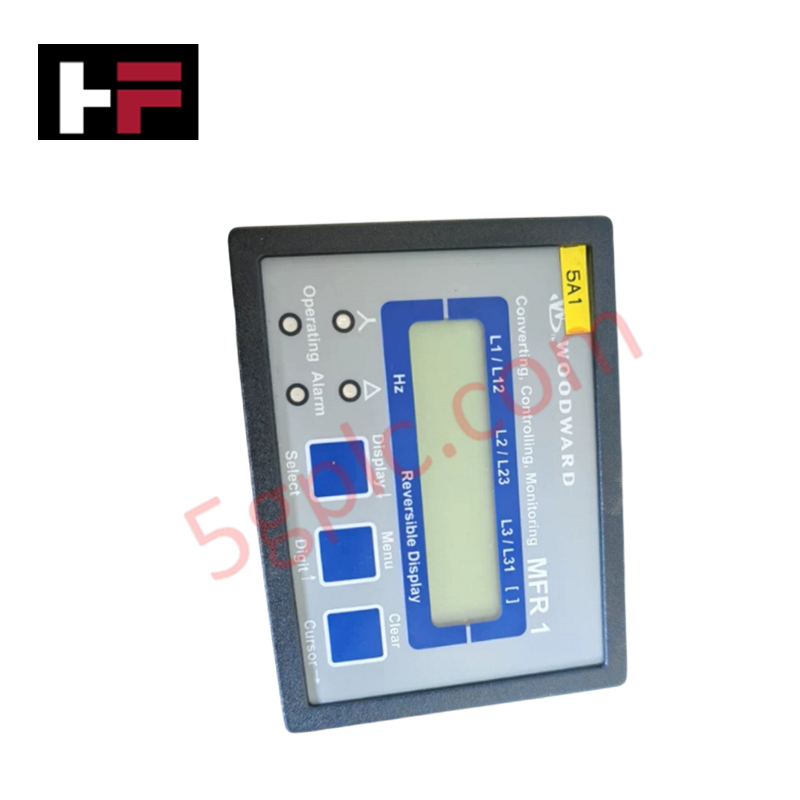
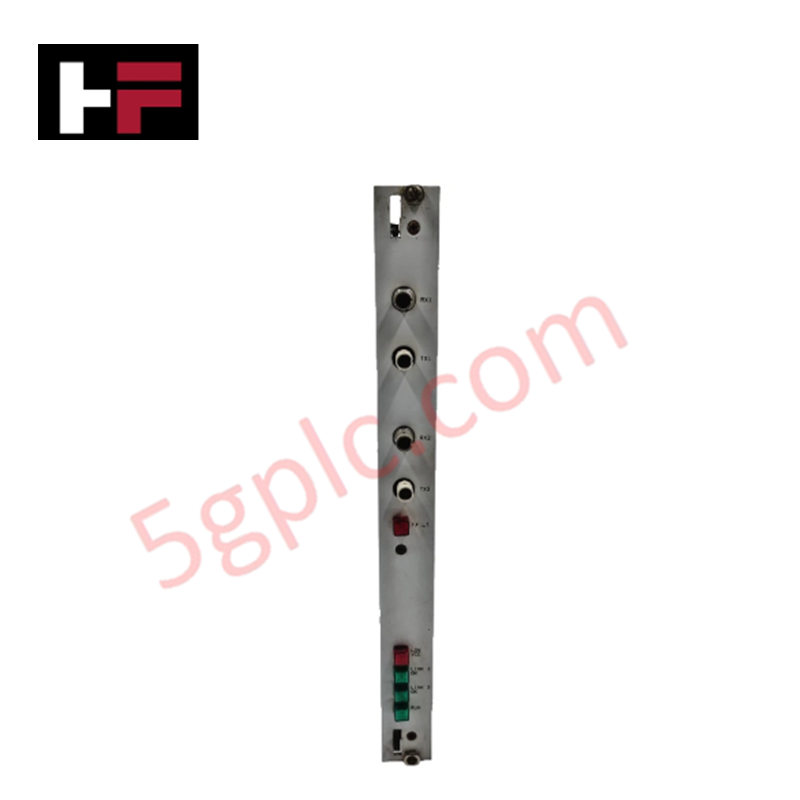
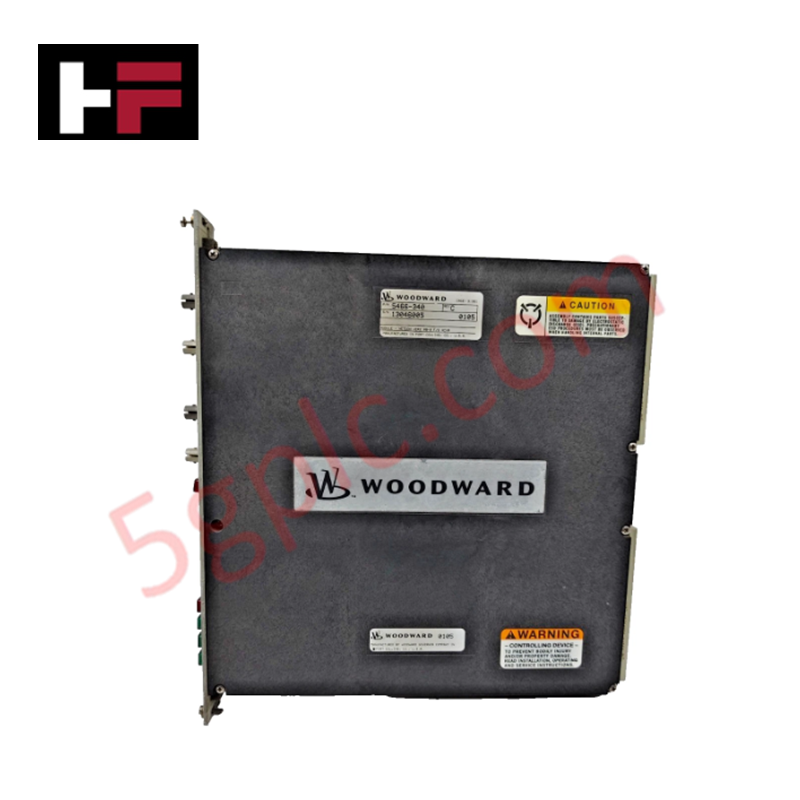
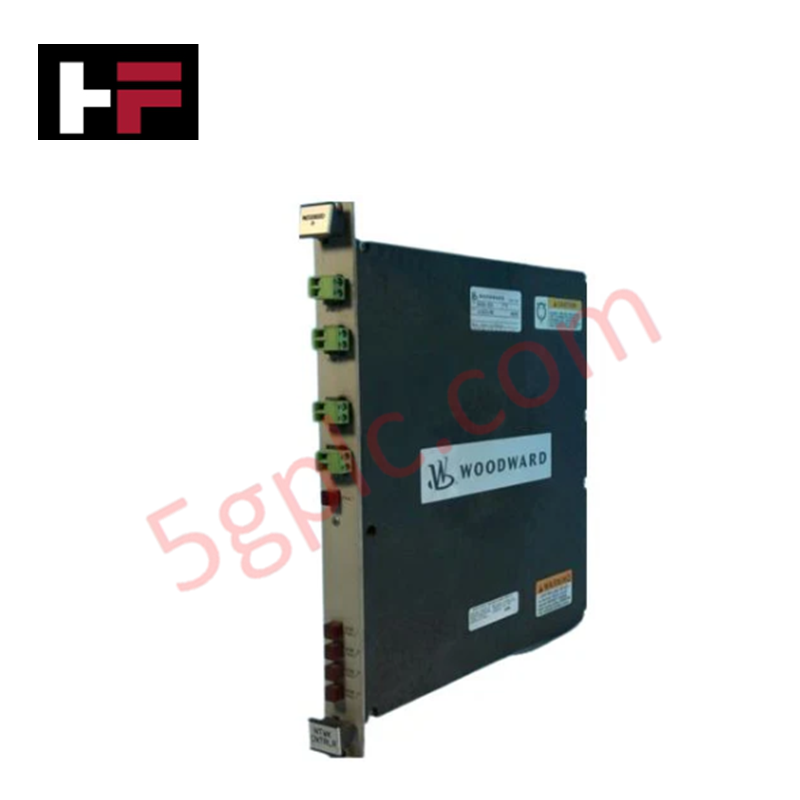
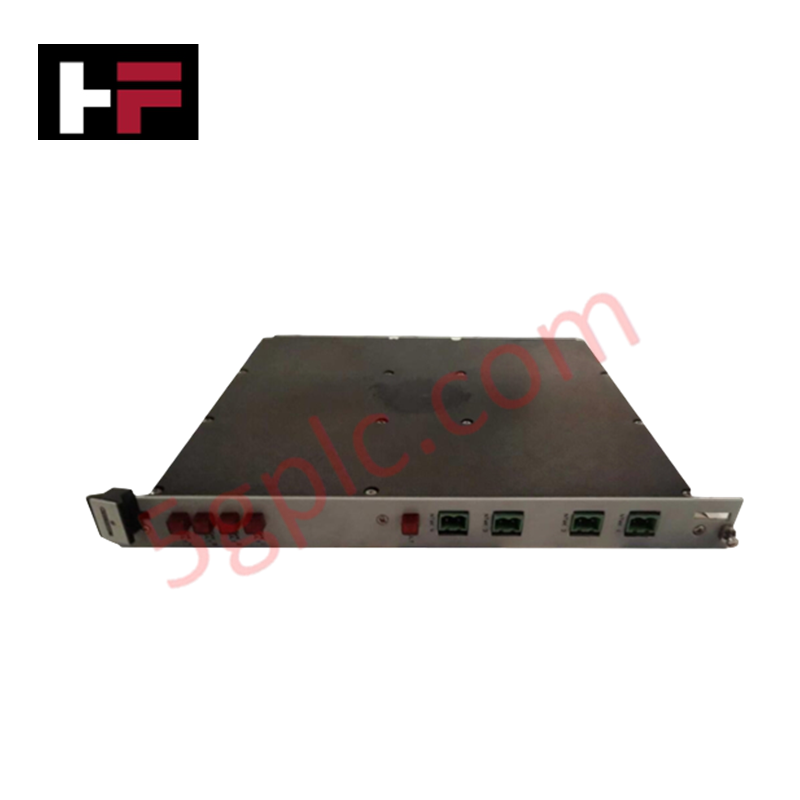
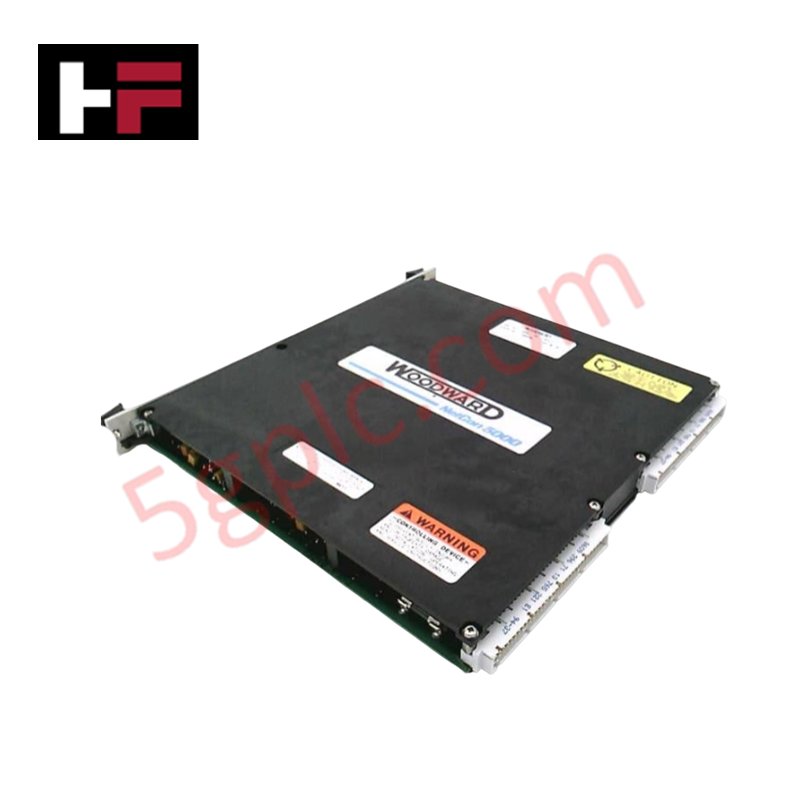
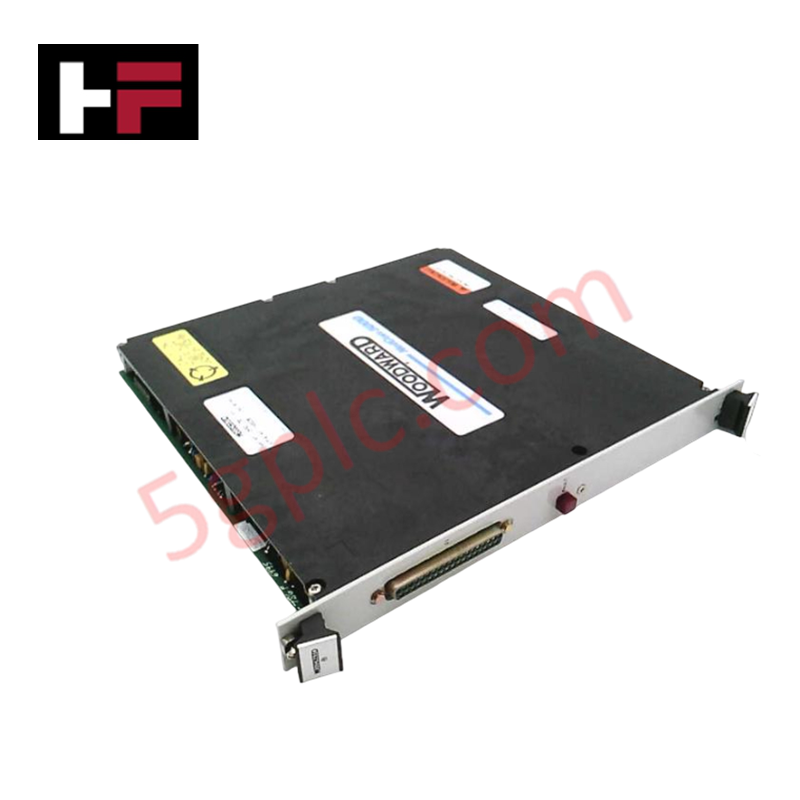
Configured for wind turbine control and monitoring in turbine management systems, the Woodward LR20025 (LR20025 Multifunction Relay) provides direct electrical execution of voltage and current sensing via CAN bus communication.
Hardware Specifications
| Parameter | Specification |
|---|---|
| Model | LR20025 |
| Brand | Woodward |
| Origin | Not specified |
| Weight | 2.00 lbs |
| Dimensions | 96 mm x 72 mm x 130 mm |
| Voltage Sensing | 250-690 VAC, 50/60 Hz |
| Current Sensing | 0.5-5 A |
Actuator Loop Feedback Response and Thermal Heat Sink Dissipation Profiles
The LR20025 integrates directly into the turbine control architecture, utilizing CAN bus protocol to report status and receive operational commands. The internal sensing circuitry is calibrated to manage high-voltage inputs (250-690 VAC) and current inputs (0.5-5 A) while maintaining signal accuracy. Thermal heat sink dissipation profiles for the relay enclosure are designed to support continuous operation under typical turbine nacelle temperature fluctuations. The relay maintains a stable actuator loop feedback response by processing electrical parameters and providing real-time data back to the primary PLC, ensuring the turbine system remains within programmed operational limits.
Frequently Asked Questions
Q: Can the LR20025 be replaced by other relay models if the original is unavailable?
A: The LR20025 (MFR13) can be replaced by the MFR300 (Part number 8444-1093), which offers similar functionality for wind turbine applications. Ensure the existing CAN bus addressing and terminal wiring maps are verified before commissioning the replacement unit.
Q: What are the primary communication requirements for integration with a PLC?
A: The device communicates via CAN bus protocol. Ensure the PLC interface supports the relevant CAN bus baud rate and message structure required for relay monitoring and control.
Field Installation Guidelines
- Mounting: Secure the relay within the turbine control panel using the specified 96 x 72 mm cutout. Ensure the 130 mm depth allows for adequate cable routing and clearance from high-voltage power components.
- Wiring: Connect sensing inputs for voltage (250-690 VAC) and current (0.5-5 A) to the designated terminals. Use appropriate gauge wire rated for the maximum expected current and voltage levels.
- Communication: Establish the CAN bus link to the PLC. Ensure proper termination of the CAN bus network at both ends to prevent data packet corruption and reflection errors.
- Isolation: Maintain physical and electrical separation between low-voltage CAN bus signal lines and high-voltage AC sensing circuits to prevent noise injection and protect the communication interface.
Additional Information
- 100% Genuine Parts: All products are original and authentic, ensuring reliable industrial performance.
- 30-Day Refund Guarantee: Return any in-stock item within 30 days in original, unopened packaging for a full refund (excluding shipping and fees).
- 12-Month Warranty: Covers defects in materials or workmanship; excludes misuse, normal wear, or unauthorized modifications.
- Worldwide Shipping: We ship via USPS, UPS, FedEx, and DHL. Delivery times vary by country and may be subject to customs or import fees.
- Support & Contact: Technical and warranty assistance is available anytime. Contact us here: Contact.
- Purchase Guidance: Check product specifications and compatibility carefully before ordering to ensure proper application.


Tech & Buying Guide

Why 24V DC Power Supplies Standardize Modern Industrial Automation
Industrial control cabinets worldwide rely on 24V DC as the universal power standard for field instrumentation, sensors, and controllers. Walk into any manufacturing plant, and you will find PLCs, human-machine interfaces (HMIs), and smart actuators running on extra-low voltage DC. Standardizing on 24V DC enhances operational safety, lowers cabinet footprint, and maintains steady control performance across factory networks.

Essential Motion Control Commands: A Practical Guide for Engineers
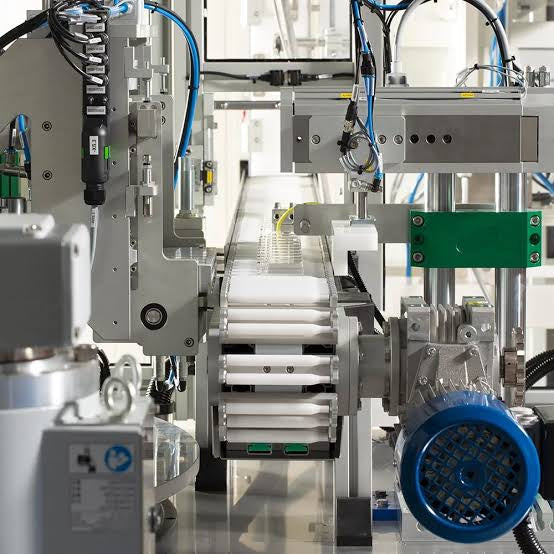
Automation engineers often rely on precise position and speed control to drive modern factory machinery. Modern industrial systems, such as Programmable Logic Controllers (PLCs) and Distributed Control Systems (DCS), depend heavily on standardized motion instructions. Mastering these commands ensures operational safety, protects mechanical components, and optimizes cycle times across production lines.
Mastering Modern Industrial Joystick Controls in Heavy Automation
Industrial joysticks play a pivotal role in human-machine interaction across heavy material handling and mobile hydraulics. These tactile controllers translate complex operator movements into precise electrical signals for PLCs, motion controllers, and DCS networks. Consequently, selecting and installing the right joystick architecture ensures operator safety, reduces fatigue, and optimizes equipment performance.