











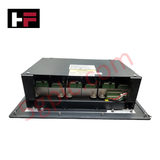
Product Details
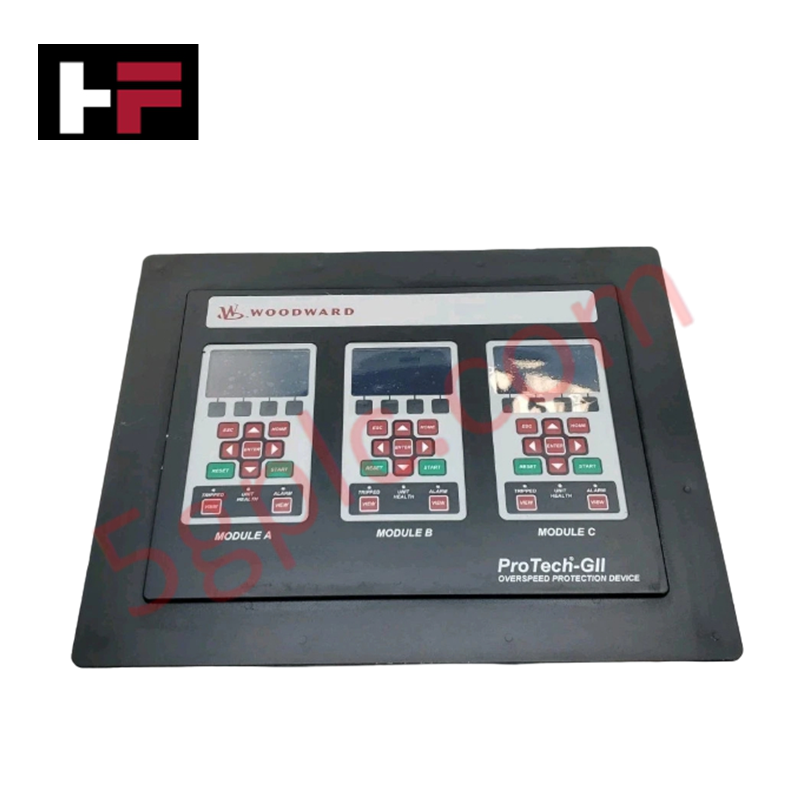
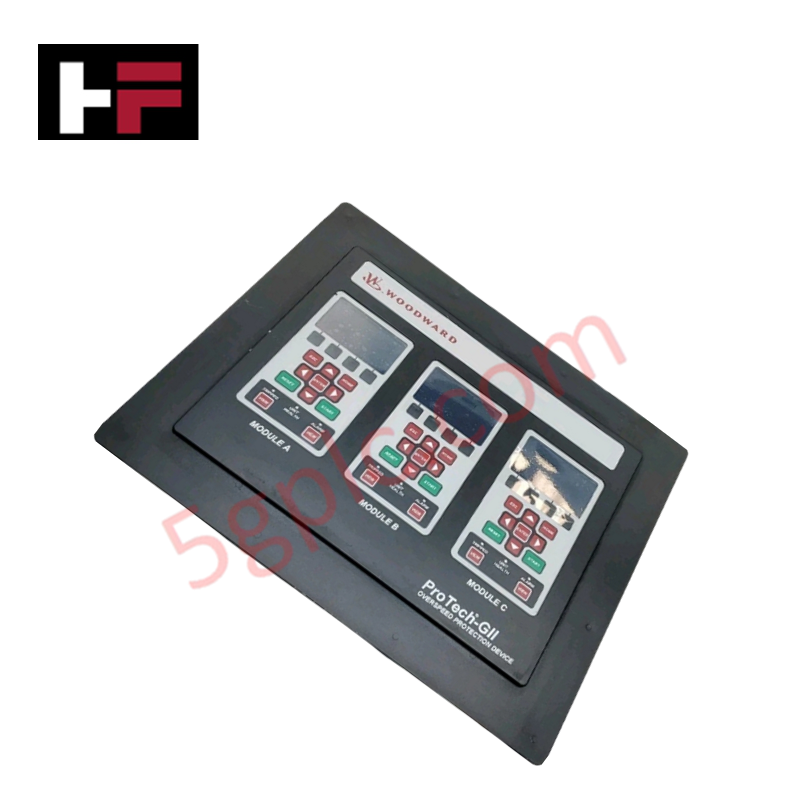
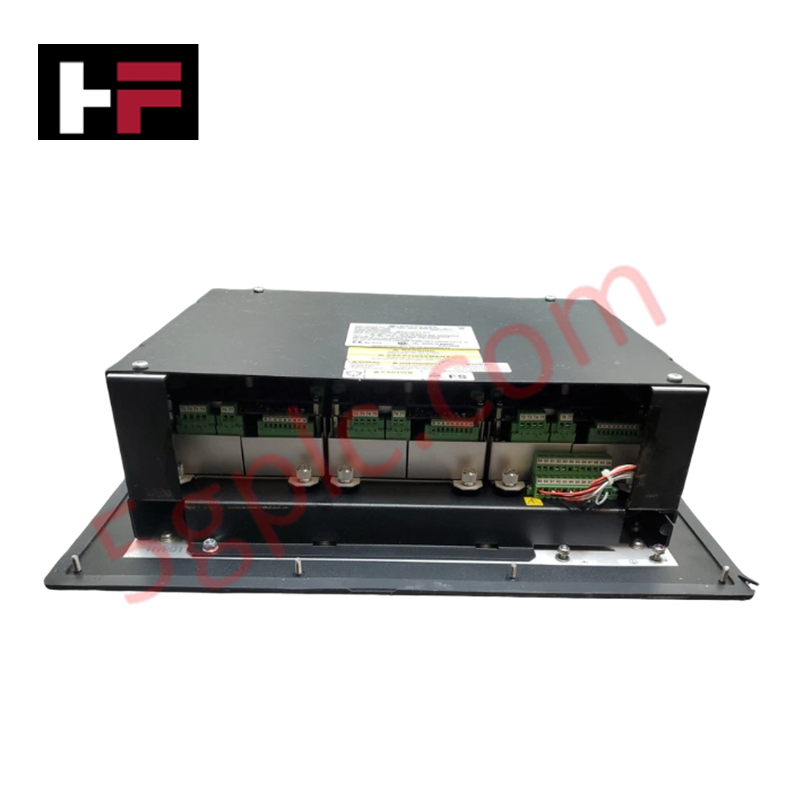
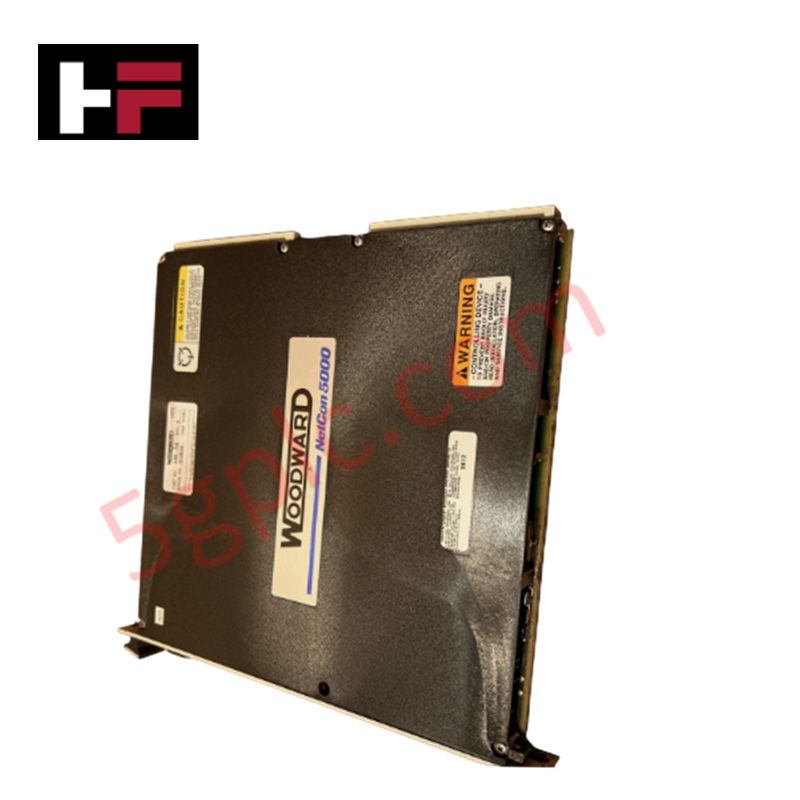
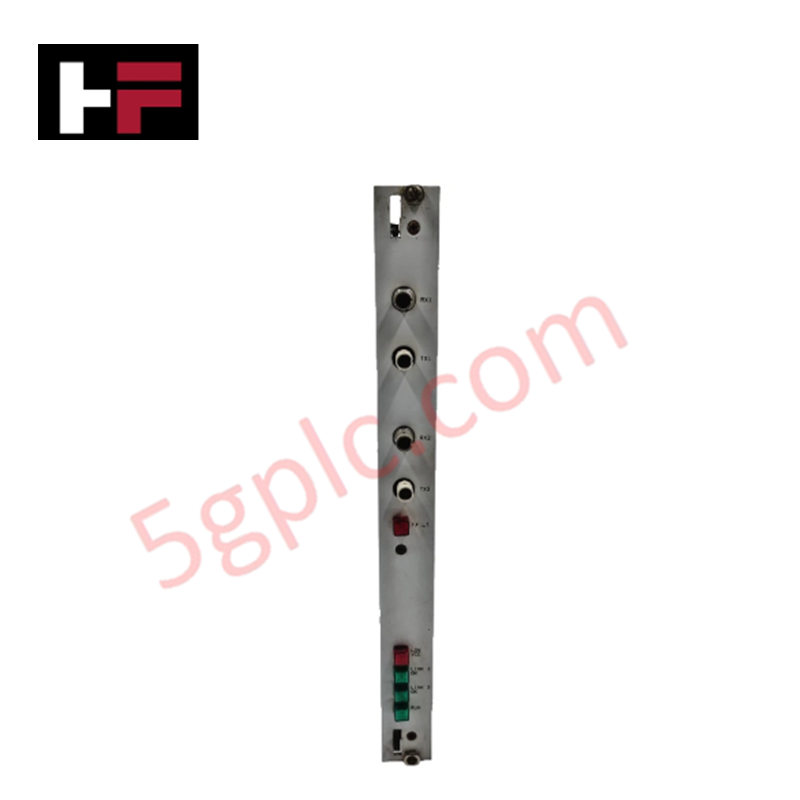
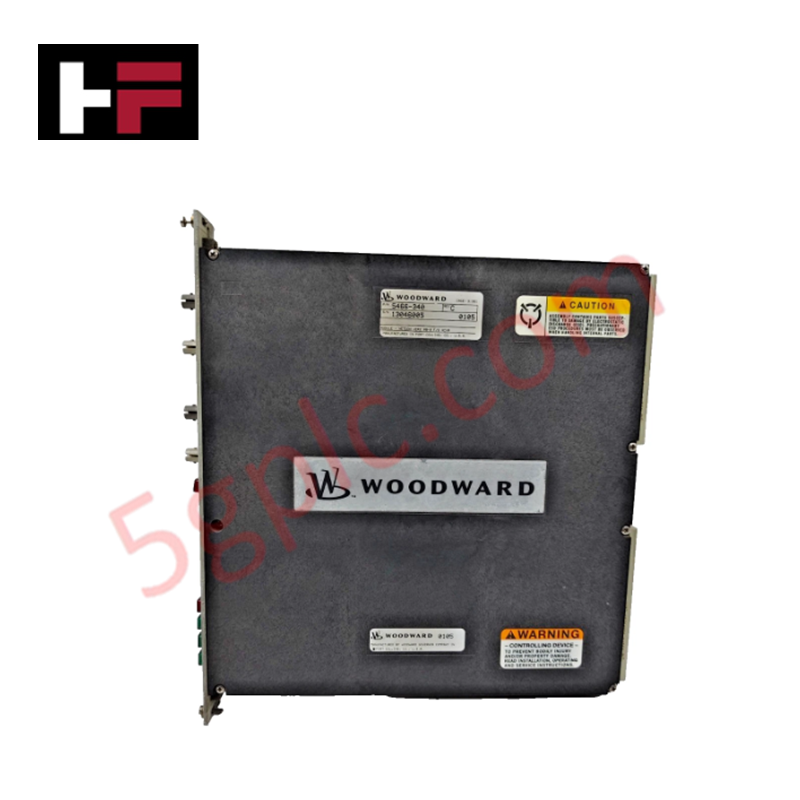
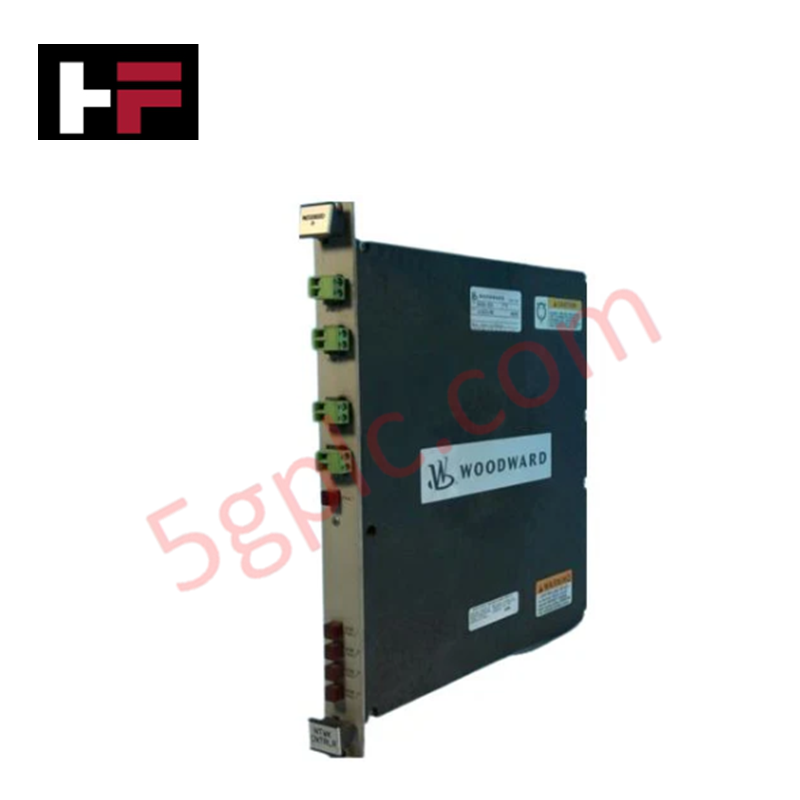
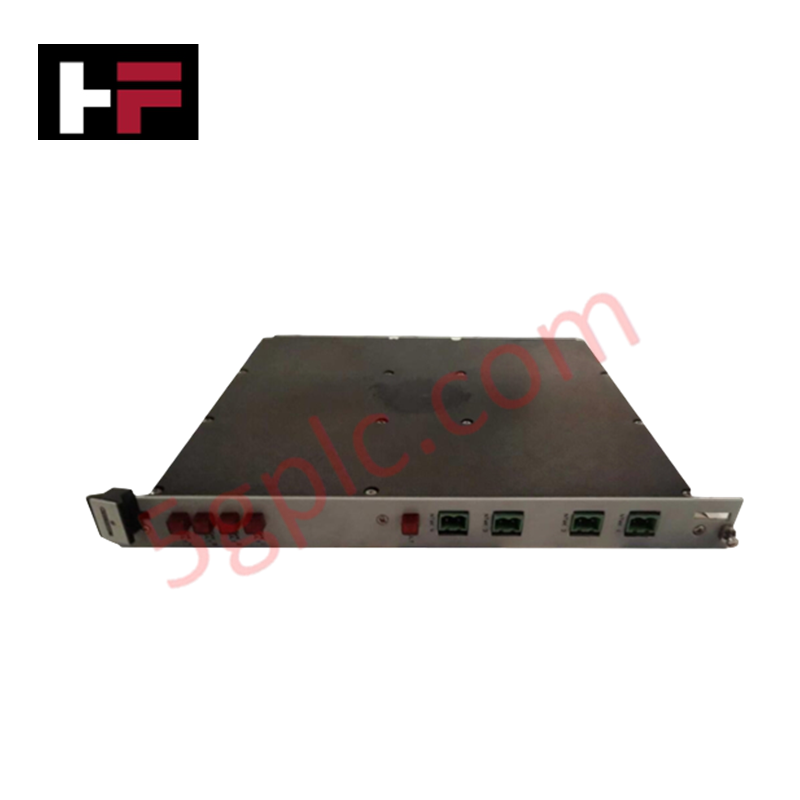
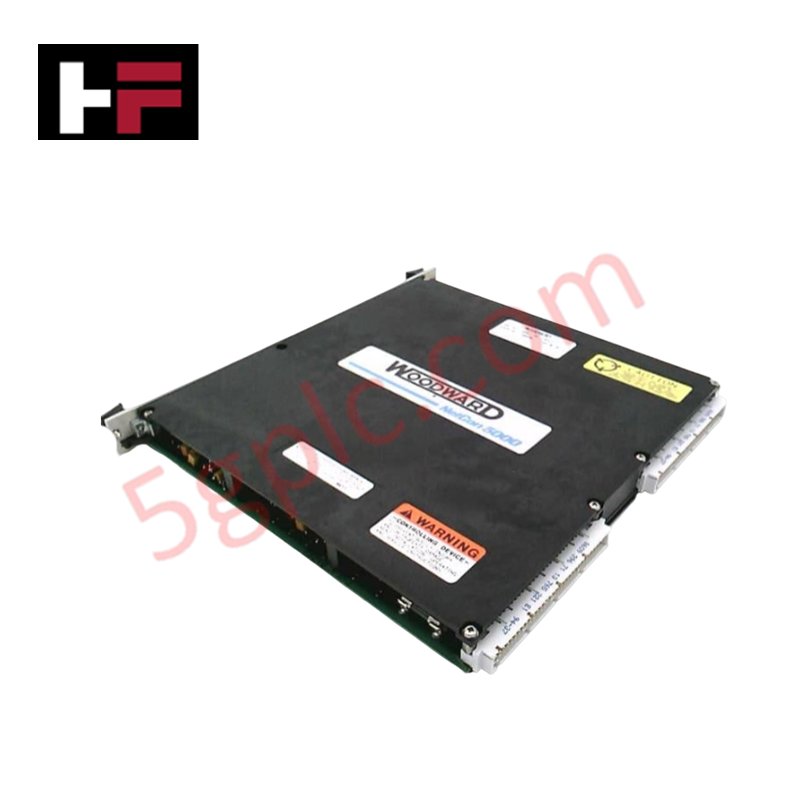
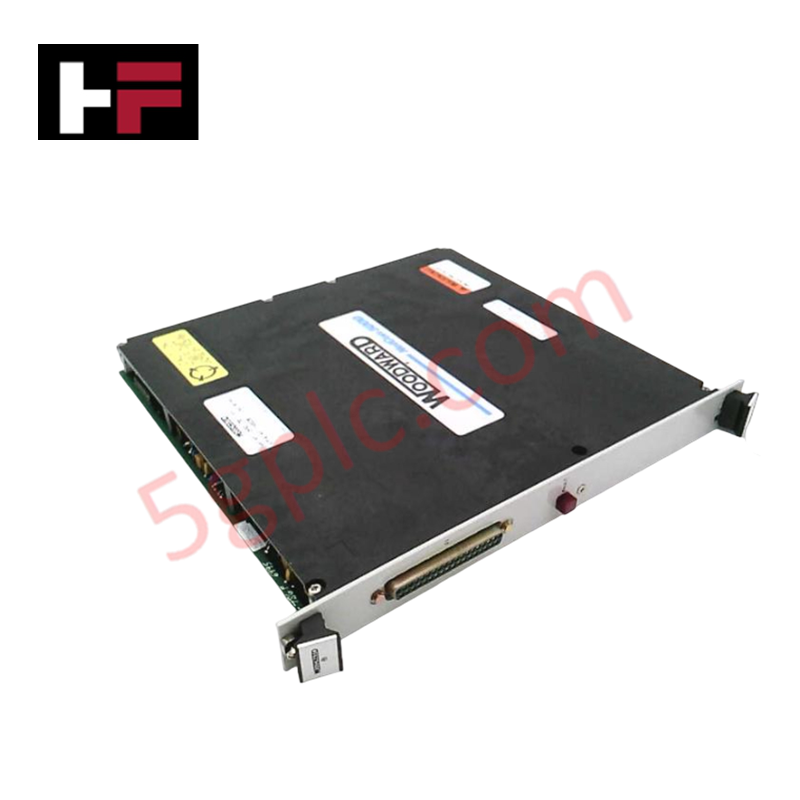
Configured for overspeed detection in turbine control systems, the Woodward 8237-1600 (8237-1600 Overspeed Detection Device) provides direct electrical execution of triple modular redundant (TMR) speed sensing and safety trip logic.
Hardware Specifications
| Parameter | Specification |
|---|---|
| Model | 8237-1600 |
| Brand | Woodward |
| Weight | < 23 lbs |
| Dimensions | 13.0 in x 17.5 in x 6.25 in |
| Operating Temp | -20 deg C to +60 deg C |
| Power Consumption | Not specified |
| Inrush Current | 10 A at 115 VAC / 20 A at 220 VAC |
| Ingress Protection | IP56 |
Actuator Loop Feedback Response and Thermal Heat Sink Dissipation Profiles
The 8237-1600 utilizes a 2oo3 (two-out-of-three) voted architecture to process MPU and acceleration inputs, ensuring fail-safe execution of turbine shutdown commands. The system manages actuator loop feedback response by integrating MPU-based speed sensing with dedicated 4-20 mA speed readout outputs. To sustain operational integrity in Class 3C2 chemical environments, the electronics utilize conformal coatings resistant to sulfur contamination. Internal thermal heat sink dissipation profiles are optimized for standard cabinet mounting, allowing for online module replacement without compromising the protection logic provided by the remaining two active modules. The interface supports Modbus communication for external status polling while maintaining independent relay-driven trip paths for immediate prime mover isolation.
Frequently Asked Questions
Q: Can the 8237-1600 modules be replaced while the turbine is in operation?
A: Yes. The triple module design supports online maintenance. A single module can be extracted for repair or replacement while the other two modules continue to monitor speed and execute trip logic.
Q: What is the purpose of the internal generator feature in this device?
A: The internal generator allows the system to perform routine speed tests without requiring actual turbine rotation, enabling verification of trip point logic and relay response times during scheduled maintenance periods.
Field Installation Guidelines
- Mounting: Ensure the panel-mount structure is secured to a rigid surface. Verify that the clearance around the 13.0 in x 17.5 in x 6.25 in housing allows for proper airflow and front-plate access.
- Environmental Protection: To maintain the IP56 rating, ensure all cable penetrations and mounting gaskets are correctly seated. Do not expose the unit to environments exceeding the specified 95% humidity limit.
- Wiring: Connect MPU sensors to the independent module inputs. Use shielded twisted-pair cables, terminating the shield at the cabinet ground bus to minimize noise interference in the 4-20 mA analog output loops.
- Powering: The unit accepts high or low voltage inputs. If utilizing redundant power sources, ensure both inputs are routed through isolated circuit protection to prevent a single power fault from affecting all modules.
Additional Information
- 100% Genuine Parts: All products are original and authentic, ensuring reliable industrial performance.
- 30-Day Refund Guarantee: Return any in-stock item within 30 days in original, unopened packaging for a full refund (excluding shipping and fees).
- 12-Month Warranty: Covers defects in materials or workmanship; excludes misuse, normal wear, or unauthorized modifications.
- Worldwide Shipping: We ship via USPS, UPS, FedEx, and DHL. Delivery times vary by country and may be subject to customs or import fees.
- Support & Contact: Technical and warranty assistance is available anytime. Contact us here: Contact.
- Purchase Guidance: Check product specifications and compatibility carefully before ordering to ensure proper application.


Tech & Buying Guide

Why 24V DC Power Supplies Standardize Modern Industrial Automation
Industrial control cabinets worldwide rely on 24V DC as the universal power standard for field instrumentation, sensors, and controllers. Walk into any manufacturing plant, and you will find PLCs, human-machine interfaces (HMIs), and smart actuators running on extra-low voltage DC. Standardizing on 24V DC enhances operational safety, lowers cabinet footprint, and maintains steady control performance across factory networks.

Essential Motion Control Commands: A Practical Guide for Engineers
Automation engineers often rely on precise position and speed control to drive modern factory machinery. Modern industrial systems, such as Programmable Logic Controllers (PLCs) and Distributed Control Systems (DCS), depend heavily on standardized motion instructions. Mastering these commands ensures operational safety, protects mechanical components, and optimizes cycle times across production lines.
Mastering Modern Industrial Joystick Controls in Heavy Automation
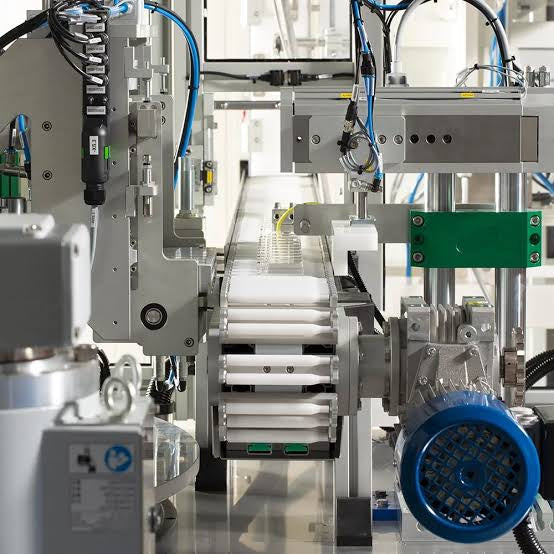
Industrial joysticks play a pivotal role in human-machine interaction across heavy material handling and mobile hydraulics. These tactile controllers translate complex operator movements into precise electrical signals for PLCs, motion controllers, and DCS networks. Consequently, selecting and installing the right joystick architecture ensures operator safety, reduces fatigue, and optimizes equipment performance.