












Product Details
Product Overview
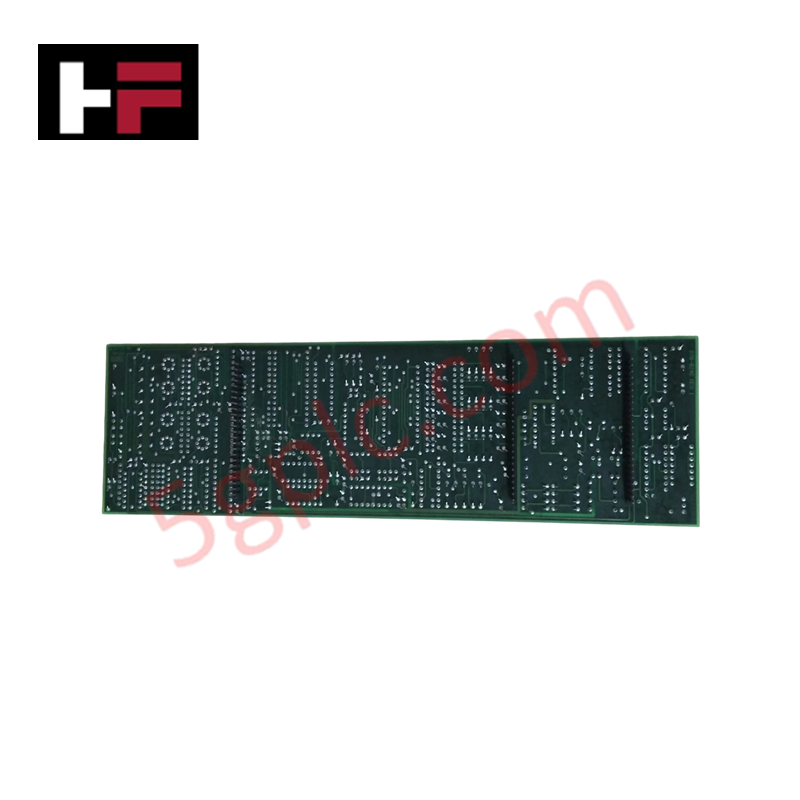
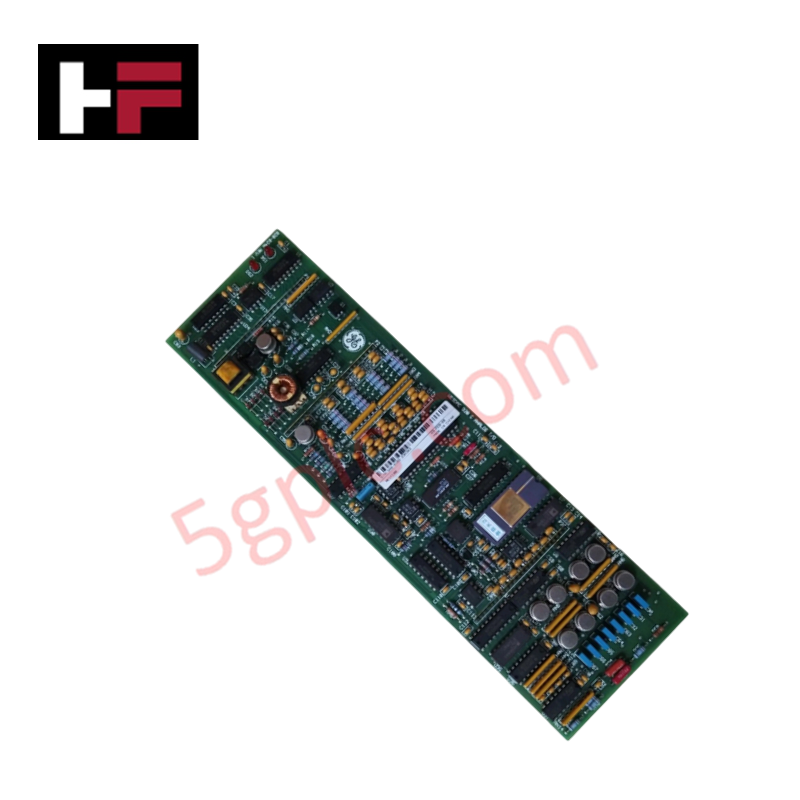
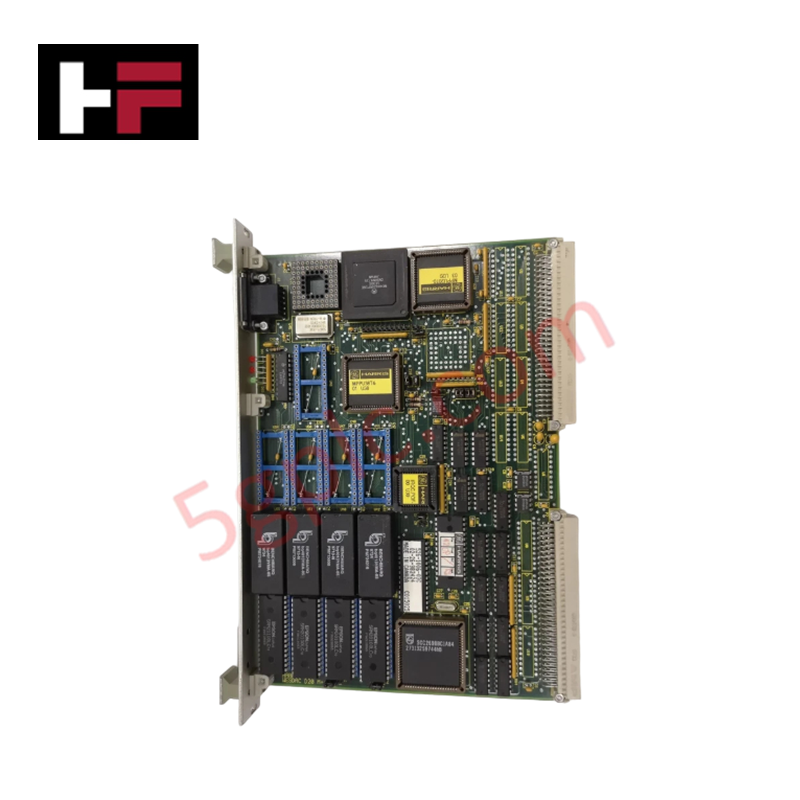
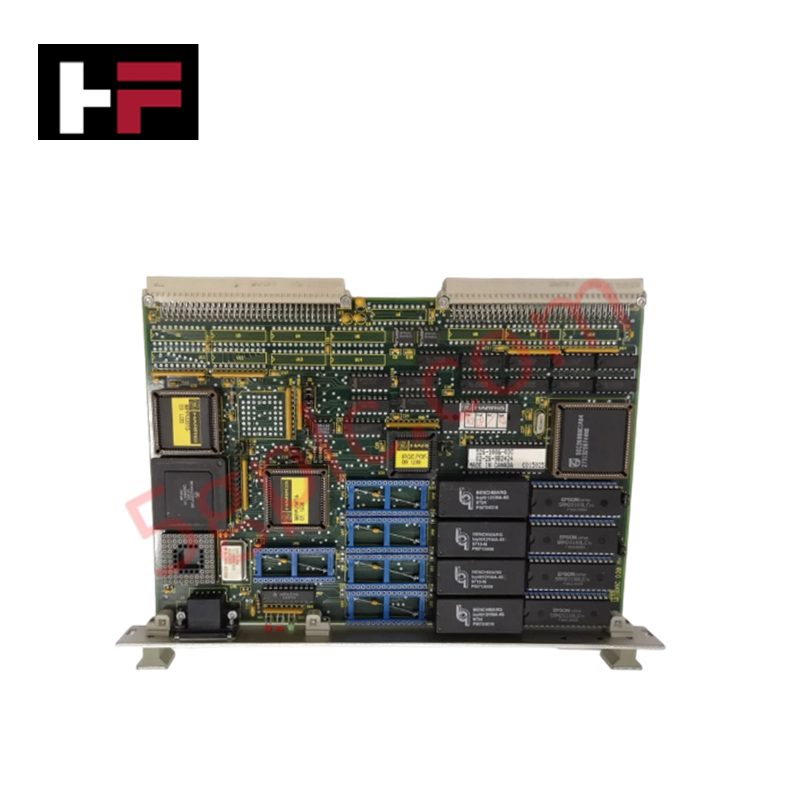
The IS220PPRAH1A serves as the primary hardware interface for emergency turbine backup protection within the General Electric Mark VIeS safety control platform. This Brand New original I/O module monitors critical turbine parameters, including speed and pressure waves, to trigger emergency trip protocols independently of the primary control loops. By integrating high-speed pulse rate detection and specialized pressure transducer interfaces, the IS220PPRAH1A prevents catastrophic mechanical failure during overspeed or surge events in utility-scale power generation assemblies.
Technical Specifications
The IS220PPRAH1A utilizes precision analog-to-digital conversion and high-speed pulse tracking to ensure failsafe turbine operation.
| Feature | Specification Details |
| Manufacturer | General Electric (GE) |
| Series | Mark VIeS (Safety Instrumented System) |
| Module Type | Emergency Turbine Backup Protection |
| Input Channels | 16 High-Speed Channels |
| Input Voltage Range | 0 - 5 V DC |
| Power Supply | 24 V DC (Nominal) |
| Power Consumption | ≤ 15 W |
| Transducer Support | 2 Transducer Interfaces |
| MPU Pulse Rate | Starts from 2 Hz |
| Protocols | MODBUS TCP/IP Support |
| Operating Temp | -20°C to +70°C |
| Origin | United States (USA) |
Engineering Advantages
-
Redundant Safety Logic: The IS220PPRAH1A operates within the Mark VIeS "Safety" architecture. It provides a secondary, autonomous layer of protection that overrides standard control commands if turbine speed or pressure parameters exceed SIL-rated safety limits.
-
Low-Frequency Signal Processing: Unlike standard I/O packs, this module processes pressure wave frequencies as low as 1.5 Hz and MPU pulse rates starting at 2 Hz. This sensitivity allows the system to monitor turbine health during critical startup and coast-down phases where signal strength typically diminishes.
-
Integrated Communication Versatility: The module supports MODBUS TCP/IP protocols. This feature enables seamless data integration with third-party monitoring systems or Human Machine Interfaces (HMI), providing real-time visibility into the safety trip status without compromising the IONet primary bus.
-
Robust Hardware Architecture: The surface-mount design and 1.2 kg chassis withstand significant mechanical vibration. It tolerates a maximum lead resistance of $15\Omega$, allowing for flexible wiring runs from field-mounted magnetic pickups to the control cabinet without signal degradation.
FAQs
-
Is this IS220PPRAH1A module supplied as a new or refurbished unit?
We offer this unit as 100% Brand New original GE factory stock. It arrives in the original manufacturer's packaging with the latest engineering revision to ensure full compliance with GE's turbine safety specifications.
-
How does this module interface with the primary Mark VIeS controllers?
The module communicates via the redundant IONet Ethernet fabric. It also offers MODBUS TCP/IP connectivity for data logging and external system synchronization, ensuring your safety data remains accessible across the plant network.
-
What specific sensors does the IS220PPRAH1A support?
It primarily interfaces with Magnetic Pickup Units (MPUs) for speed detection and specialized pressure transducers. The 0-5 V DC input range handles most industrial-grade safety sensors used in modern steam and gas turbine emergency systems.
-
Can this module operate in unconditioned control rooms?
Yes. The IS220PPRAH1A maintains rated accuracy across a temperature range of -20°C to +70°C. Its ruggedized construction prevents thermal drift, making it suitable for demanding environments adjacent to the turbine deck.
Additional Information
- 100% Genuine Parts: All products are original and authentic, ensuring reliable industrial performance.
- 30-Day Refund Guarantee: Return any in-stock item within 30 days in original, unopened packaging for a full refund (excluding shipping and fees).
- 12-Month Warranty: Covers defects in materials or workmanship; excludes misuse, normal wear, or unauthorized modifications.
- Worldwide Shipping: We ship via USPS, UPS, FedEx, and DHL. Delivery times vary by country and may be subject to customs or import fees.
- Support & Contact: Technical and warranty assistance is available anytime. Contact us here: Contact.
- Purchase Guidance: Check product specifications and compatibility carefully before ordering to ensure proper application.
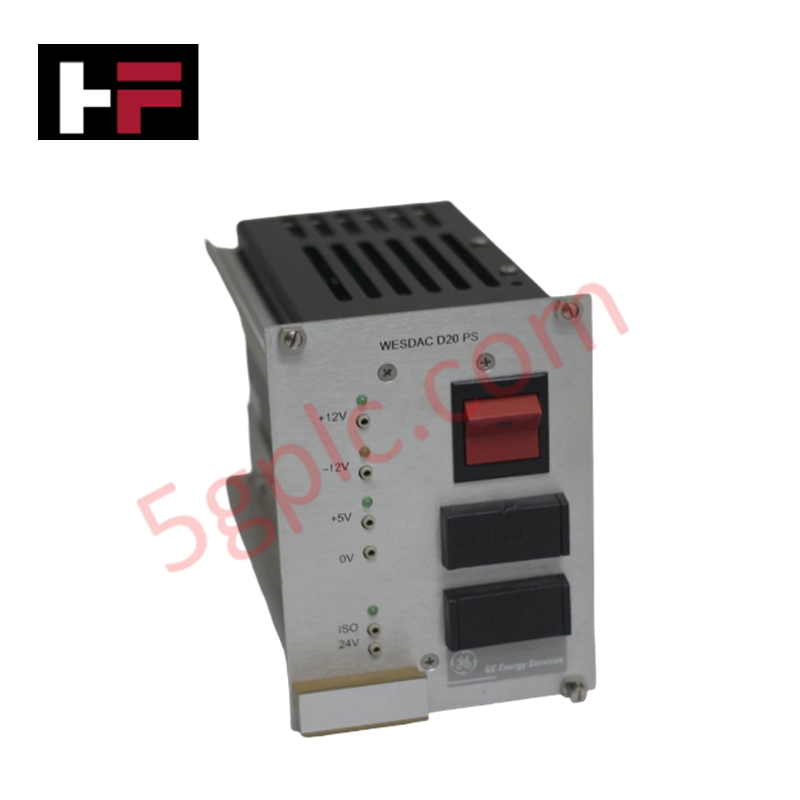
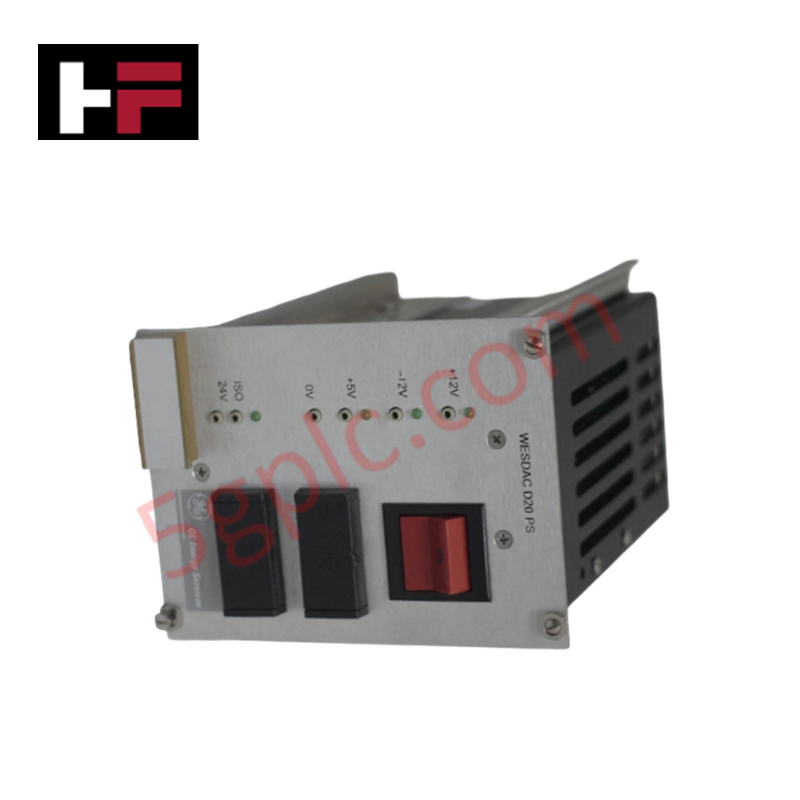
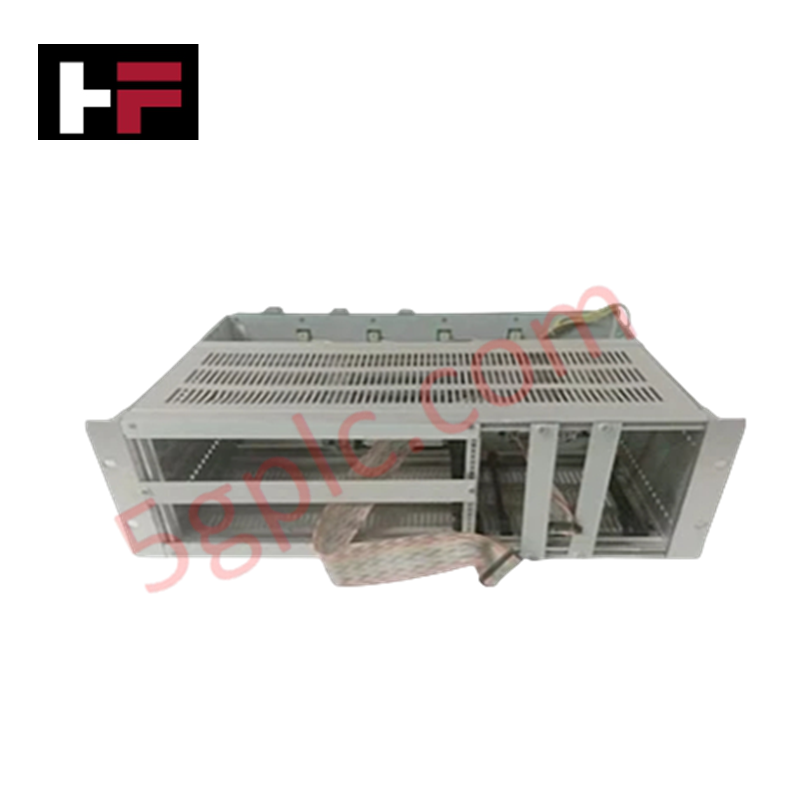
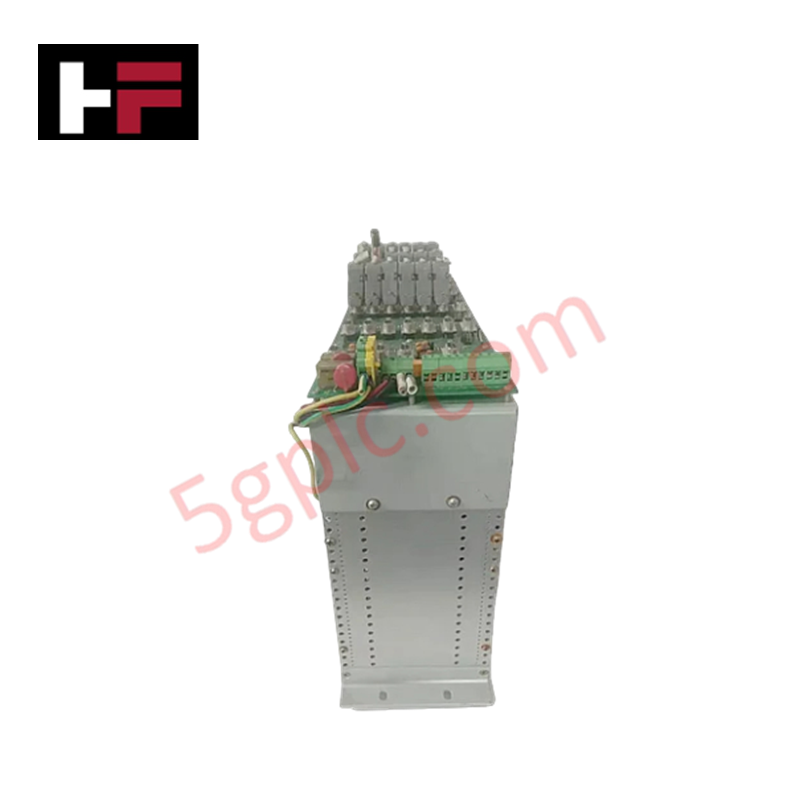
Tech & Buying Guide

Essential Motion Control Commands: A Practical Guide for Engineers
Automation engineers often rely on precise position and speed control to drive modern factory machinery. Modern industrial systems, such as Programmable Logic Controllers (PLCs) and Distributed Control Systems (DCS), depend heavily on standardized motion instructions. Mastering these commands ensures operational safety, protects mechanical components, and optimizes cycle times across production lines.
Mastering Modern Industrial Joystick Controls in Heavy Automation
Industrial joysticks play a pivotal role in human-machine interaction across heavy material handling and mobile hydraulics. These tactile controllers translate complex operator movements into precise electrical signals for PLCs, motion controllers, and DCS networks. Consequently, selecting and installing the right joystick architecture ensures operator safety, reduces fatigue, and optimizes equipment performance.

Navigating Industrial Automation Failures: Types, Causes, and Mitigation Strategies
Modern manufacturing relies heavily on automated control systems to maximize throughput and maintain product quality. However, unplanned downtime in industrial automation can cost facility operators thousands of dollars per hour. Understanding how programmable logic controllers (PLCs), distributed control systems (DCS), and field instrumentation fail empowers engineering teams to implement robust preventive maintenance strategies.