










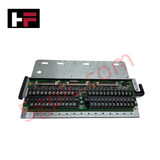
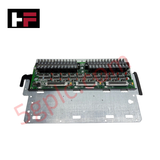
Product Details
Product Overview
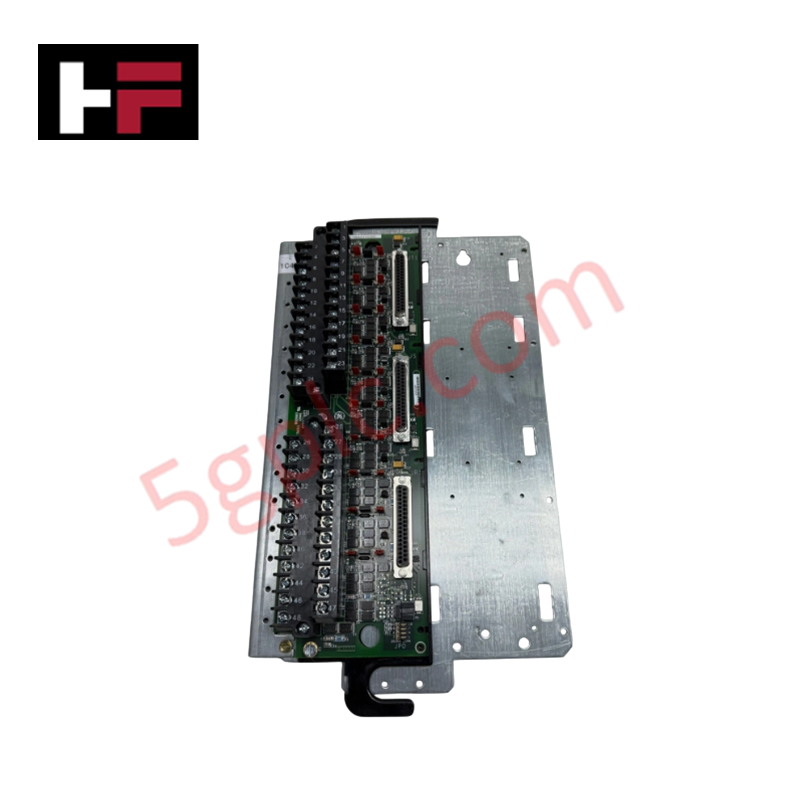
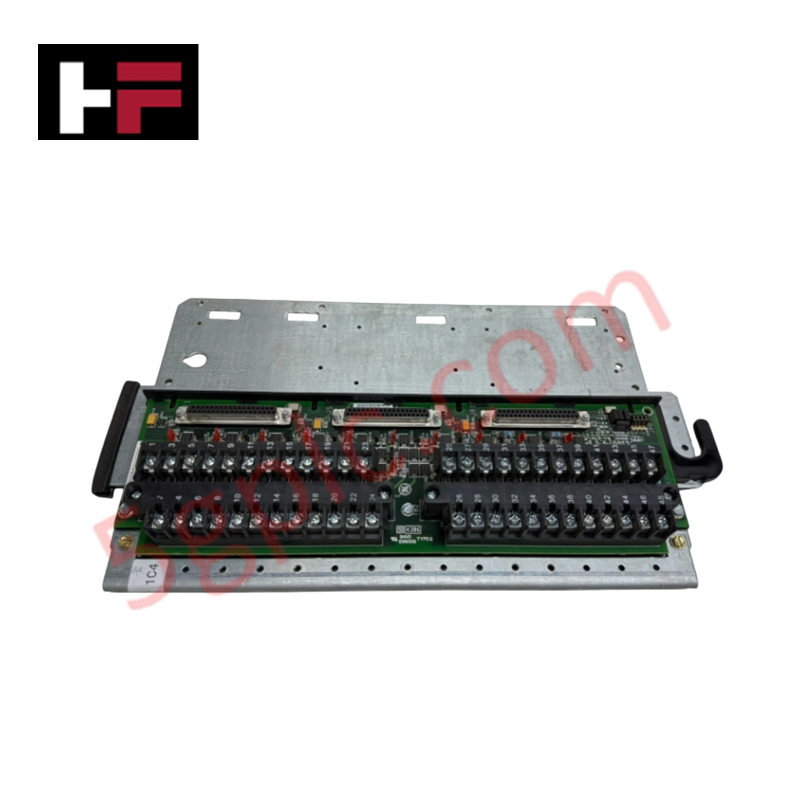
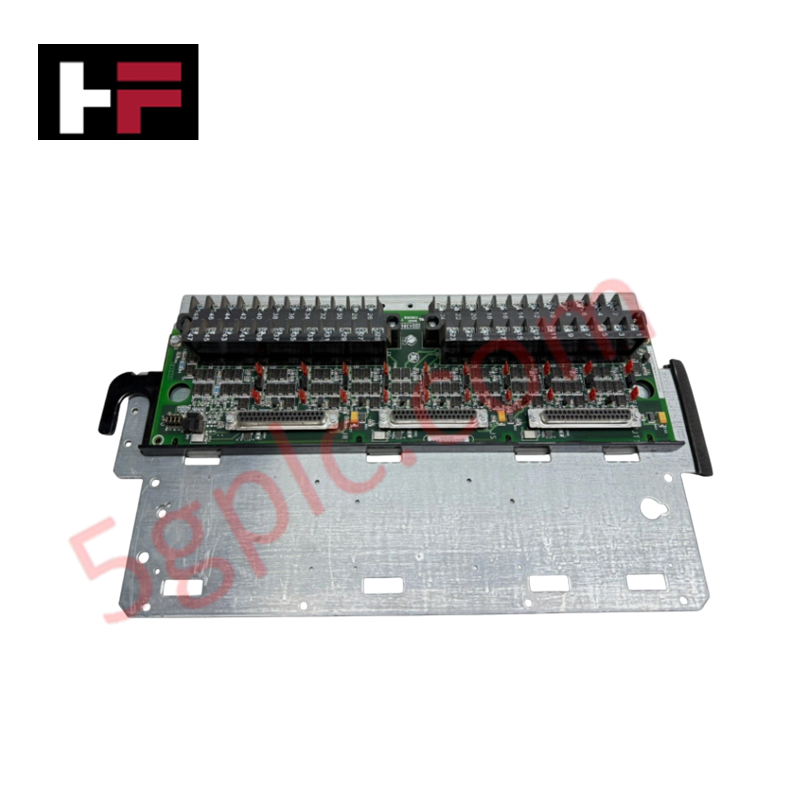
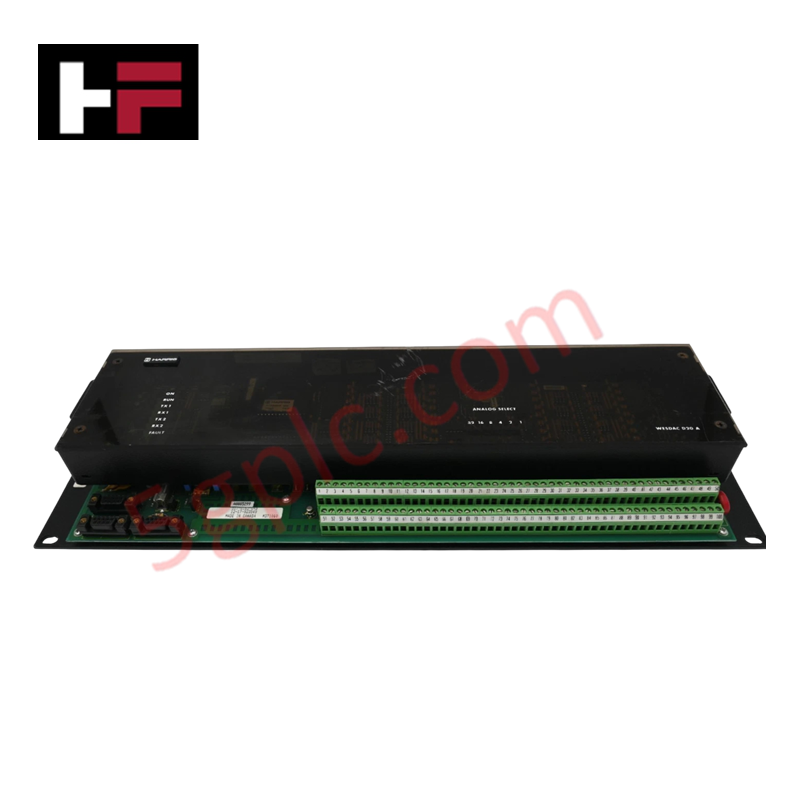
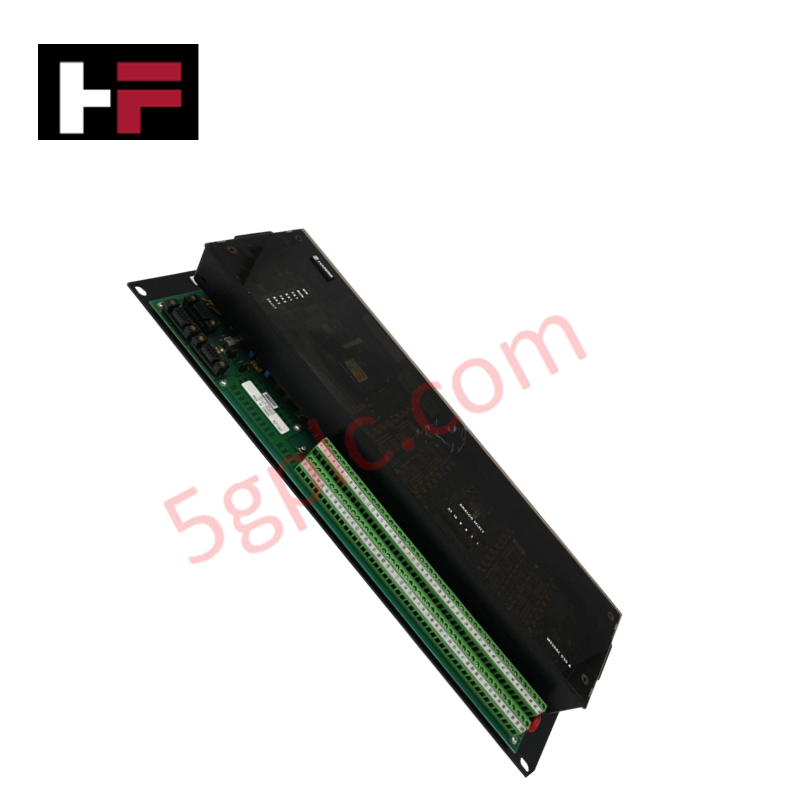
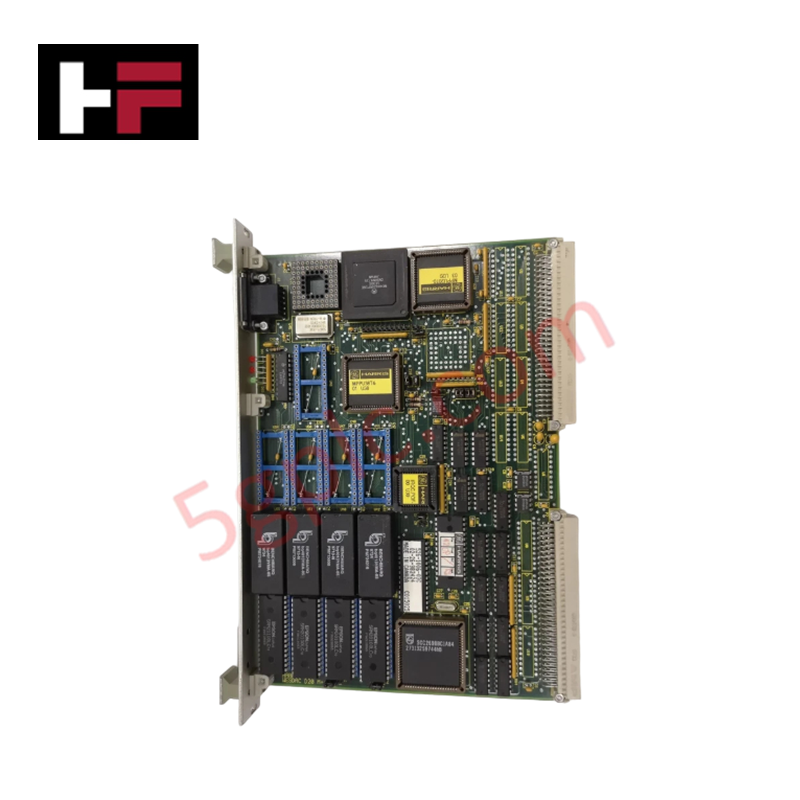
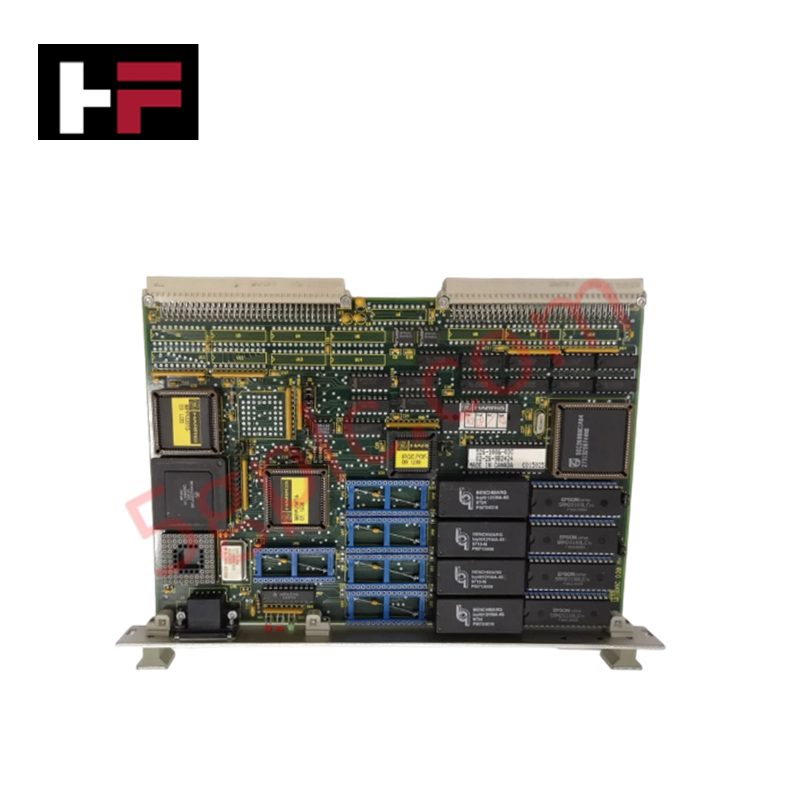
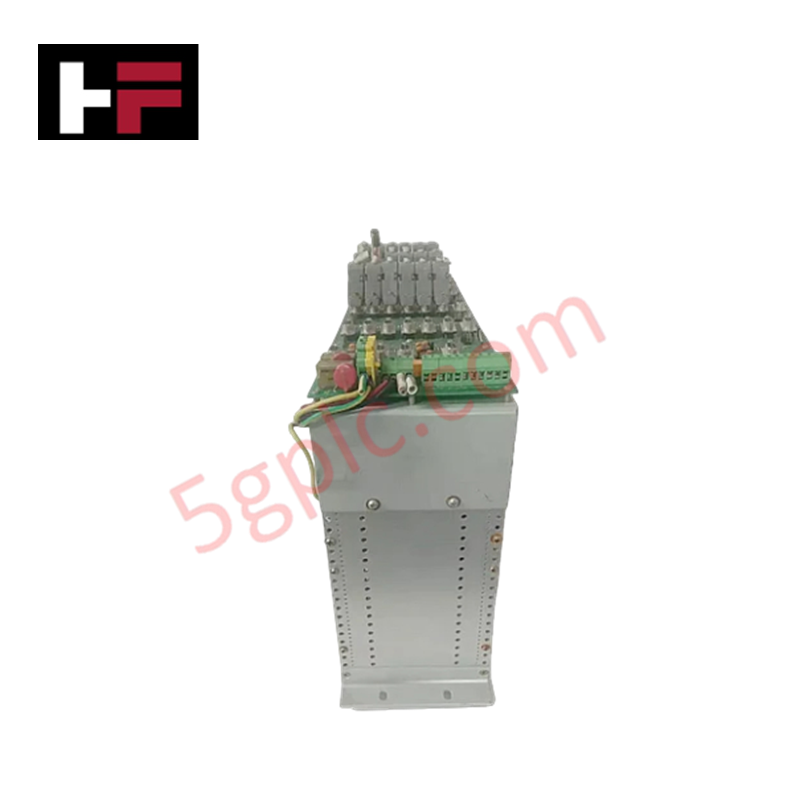
The General Electric IS200TBAIH1CDC serves as a high-density Analog Input/Output (TBAI) Terminal Board within the advanced Mark VIe control architecture. This essential interface component manages precise analog signal processing by bridging field instruments with the control system's processors. We offer this module as 100% Brand New and Original, manufactured in the USA. Its robust design allows for the simultaneous handling of complex sensor inputs and control outputs, ensuring seamless turbine regulation and monitoring.
Technical Specifications
The IS200TBAIH1CDC combines high channel density with a broad operating temperature range for mission-critical industrial applications.
| Attribute | Specification |
| Manufacturer | General Electric (GE) |
| Series | Mark VIe |
| Total Channels | 12 Channels |
| Analog Inputs | 10 Channels (Supports 2, 3, 4-wire, or external power) |
| Analog Outputs | 2 Channels (0-20 mA standard) |
| Input Span | 1-5 V DC for transmitters |
| Operating Temperature | -30°C to 65°C |
| Dimensions | 10.16 cm (W) x 33.02 cm (H) |
| Origin | United States of America (USA) |
Engineering Advantages
-
Universal Sensor Compatibility: The 10 analog inputs accommodate nearly any field configuration, including two-wire, three-wire, and four-wire transmitters. This flexibility eliminates the need for external signal conditioners when integrating diverse sensor types.
-
High-Current Output Versatility: While the board provides two standard 0-20 mA outputs, it also facilitates specialized current requirements. When paired with the PAICH2 option, the first output supports an extended range up to 200 mA, driving heavy-duty control devices directly.
-
Extreme Climate Resilience: The board operates reliably in environments ranging from -30°C to 65°C. This wide thermal window ensures stable signal processing in unconditioned field enclosures or high-heat turbine decks.
-
Space-Efficient Vertical Design: The slim 10.16 cm profile optimizes rail space within Mark VIe cabinets. This vertical orientation allows for high-density I/O clustering, simplifying cable management and reducing the overall footprint of the control system.
FAQs
-
Can the IS200TBAIH1CDC handle externally powered transmitters?
Yes. The circuit design explicitly supports externally powered devices alongside standard loop-powered transmitters. You can mix different power configurations across the 10 input channels without interference.
-
What is the significance of the "CDC" revision in the part number?
The "CDC" suffix indicates a specific hardware revision level within the TBAI family. It ensures compatibility with standard Mark VIe control cabinets and maintains the latest electrical noise immunity standards established by GE.
-
Does this board require a specific I/O pack for operation?
The IS200TBAIH1CDC typically interfaces with PAIC or VAIC I/O packs. The terminal board provides the physical connection points and surge protection, while the attached I/O pack performs the digital-to-analog conversion.
-
Is this a genuine GE USA-manufactured part?
Yes. We supply only 100% Brand New IS200TBAIH1CDC boards manufactured by General Electric in the USA, ensuring full compliance with original equipment specifications and E-E-A-T quality standards.
Additional Information
- 100% Genuine Parts: All products are original and authentic, ensuring reliable industrial performance.
- 30-Day Refund Guarantee: Return any in-stock item within 30 days in original, unopened packaging for a full refund (excluding shipping and fees).
- 12-Month Warranty: Covers defects in materials or workmanship; excludes misuse, normal wear, or unauthorized modifications.
- Worldwide Shipping: We ship via USPS, UPS, FedEx, and DHL. Delivery times vary by country and may be subject to customs or import fees.
- Support & Contact: Technical and warranty assistance is available anytime. Contact us here: Contact.
- Purchase Guidance: Check product specifications and compatibility carefully before ordering to ensure proper application.
Tech & Buying Guide

Essential Motion Control Commands: A Practical Guide for Engineers
Automation engineers often rely on precise position and speed control to drive modern factory machinery. Modern industrial systems, such as Programmable Logic Controllers (PLCs) and Distributed Control Systems (DCS), depend heavily on standardized motion instructions. Mastering these commands ensures operational safety, protects mechanical components, and optimizes cycle times across production lines.

Mastering Modern Industrial Joystick Controls in Heavy Automation
Industrial joysticks play a pivotal role in human-machine interaction across heavy material handling and mobile hydraulics. These tactile controllers translate complex operator movements into precise electrical signals for PLCs, motion controllers, and DCS networks. Consequently, selecting and installing the right joystick architecture ensures operator safety, reduces fatigue, and optimizes equipment performance.

Navigating Industrial Automation Failures: Types, Causes, and Mitigation Strategies
Modern manufacturing relies heavily on automated control systems to maximize throughput and maintain product quality. However, unplanned downtime in industrial automation can cost facility operators thousands of dollars per hour. Understanding how programmable logic controllers (PLCs), distributed control systems (DCS), and field instrumentation fail empowers engineering teams to implement robust preventive maintenance strategies.