










Product Details
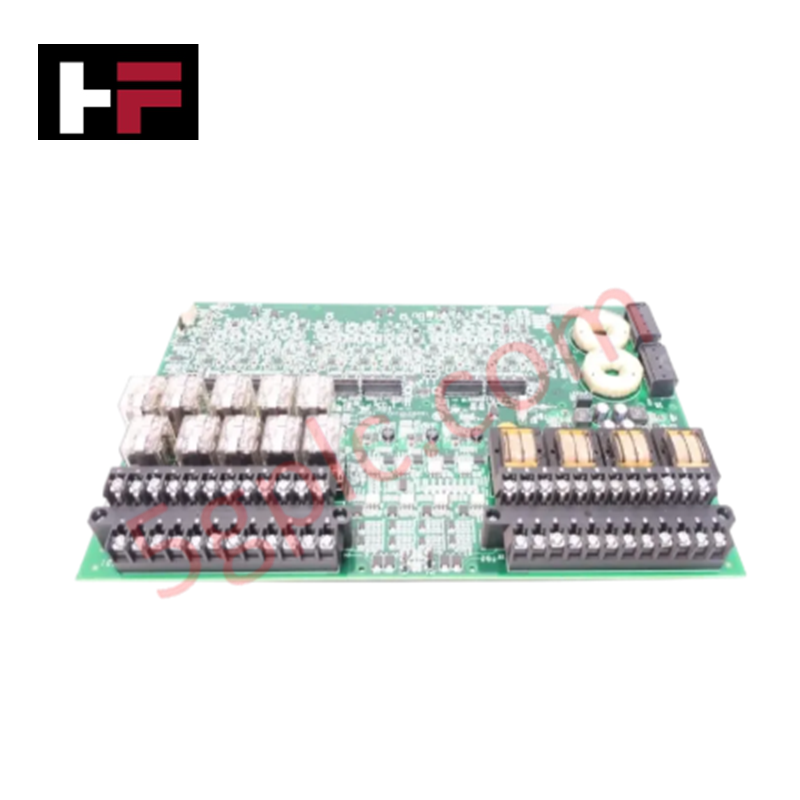
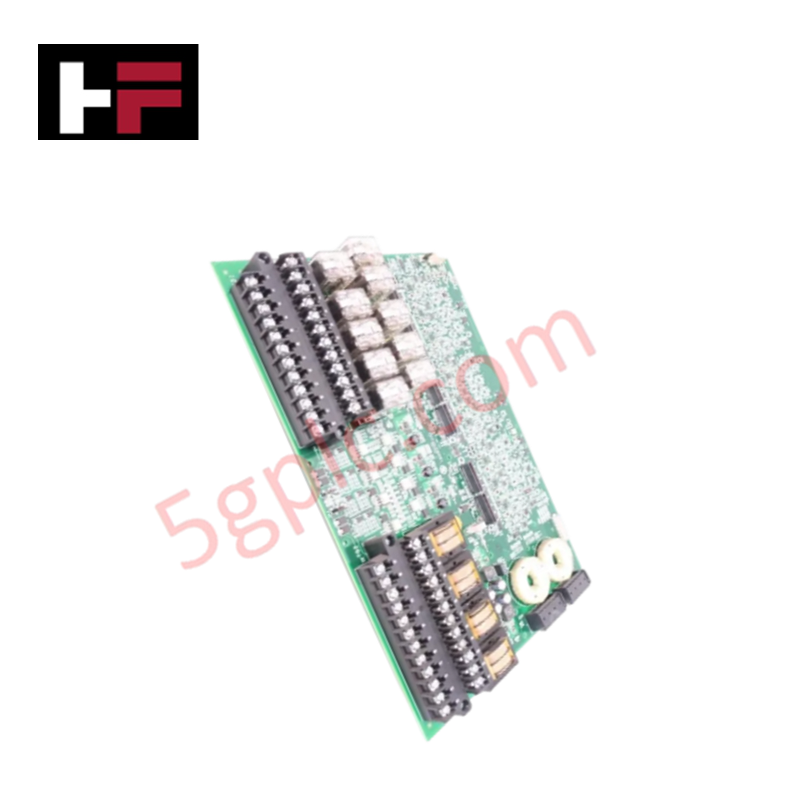
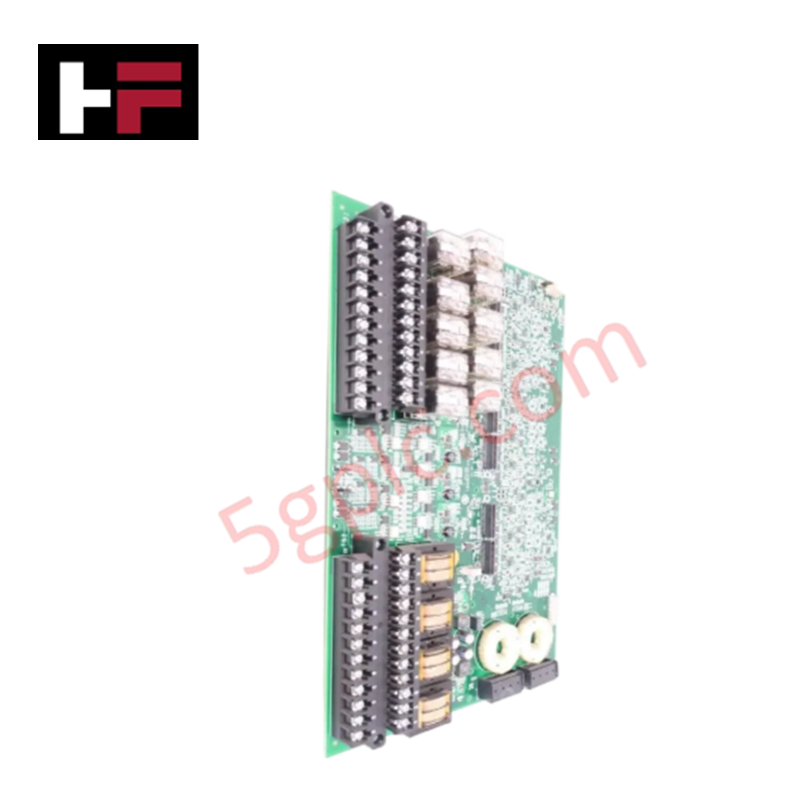
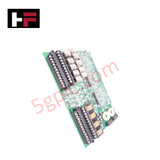
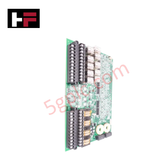
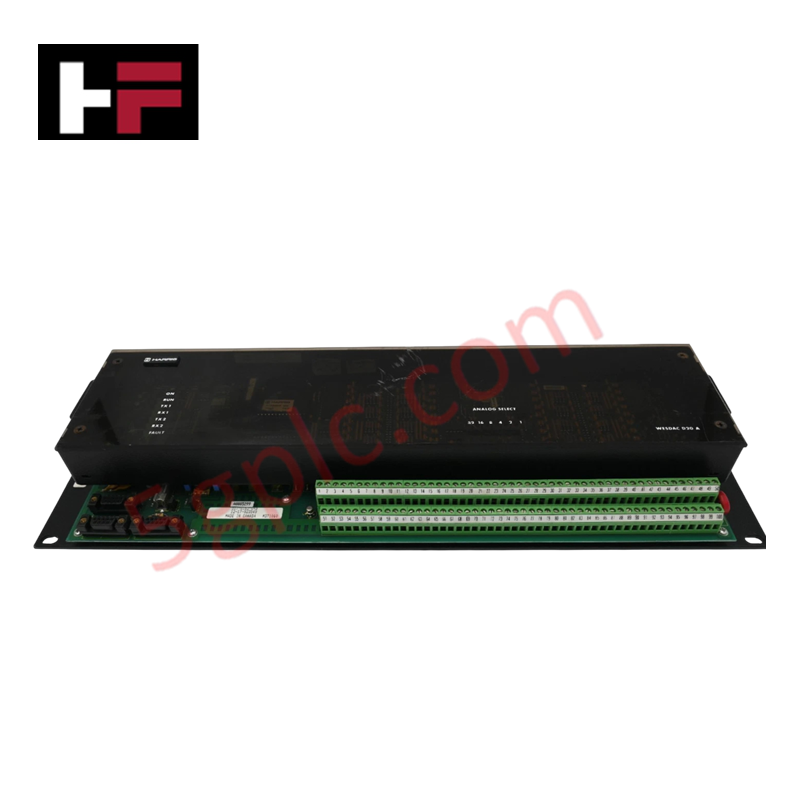
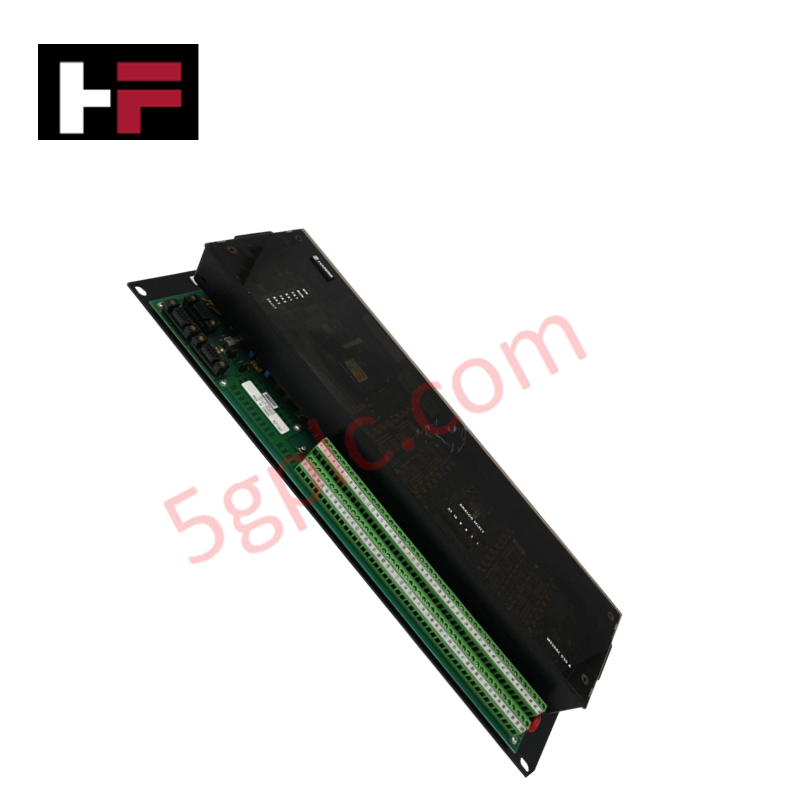
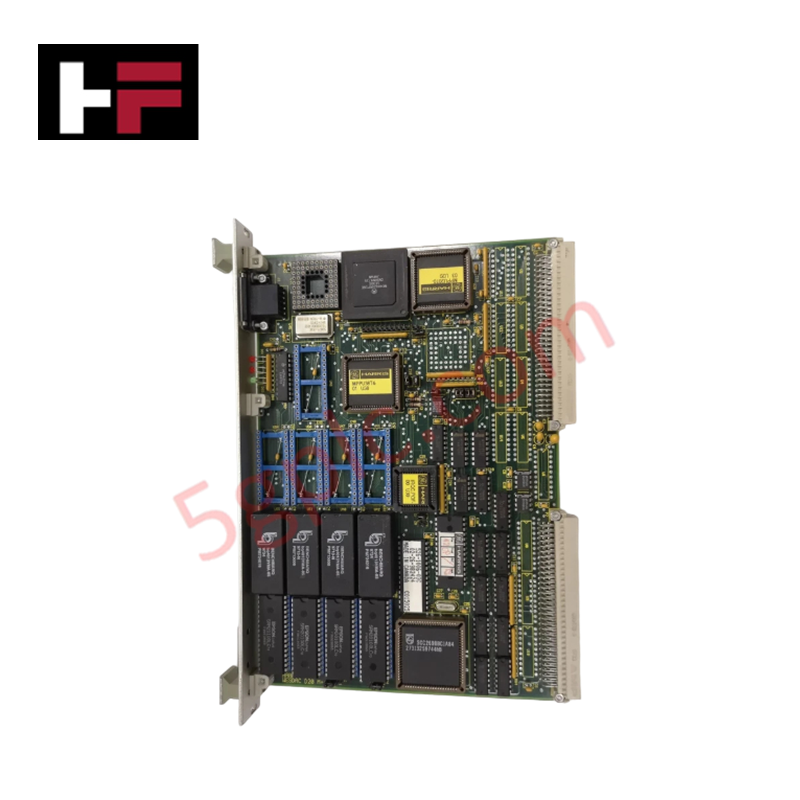
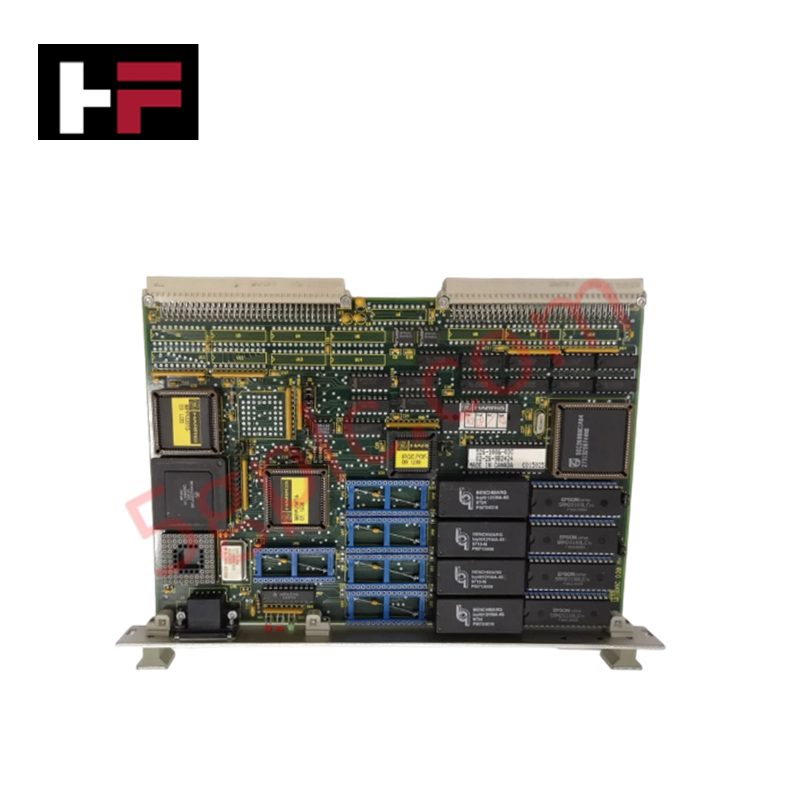
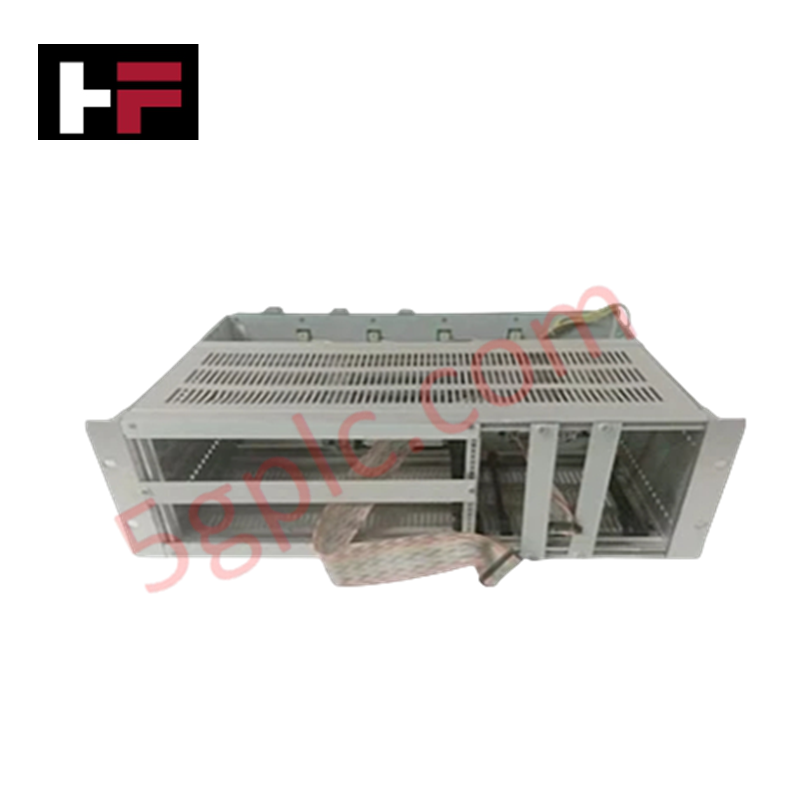
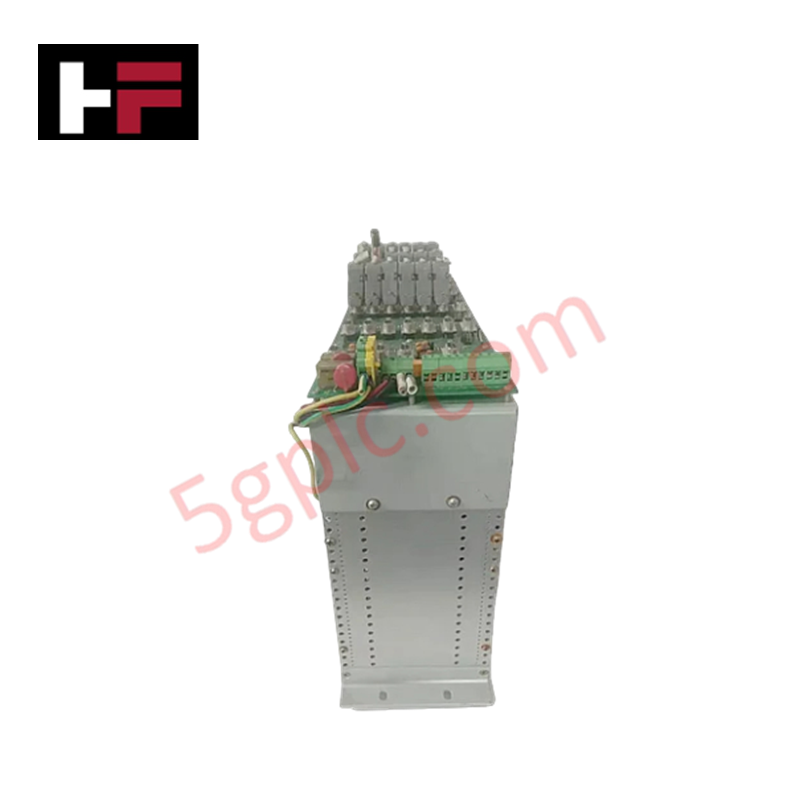
The GE IS200ESYSH3A, also cataloged as the IS200ESYSH3A I/O Terminal Board, operates as a dedicated hardware component for excitation control system interface within EX2100e platforms.
Hardware Specifications
| Parameter | Specification |
|---|---|
| Model | IS200ESYSH3A |
| Brand | General Electric |
| Origin | USA |
| Control Section | M1 |
| Redundancy Type | Simplex Control |
Profinet / EtherNet/IP Deterministic Networks
The IS200ESYSH3A acts as the primary signal acquisition node for the EX2100e system, facilitating the exchange of field I/O data through an attached HSLA high-speed serial link (HSSL) daughterboard. This architecture ensures deterministic communication between the ESYS terminal board and the central control system. The board supports the integration of two generator current transformer (CT) inputs (1 A / 5 A) and two three-phase potential transformer (PT) voltage inputs for real-time feedback processing. I/O density scaling is achieved through the board's onboard logic, which conditions these analog inputs and provides two discrete trip relay outputs configured for 2-of-3 hardware voting logic. Firmware flash compatibility is maintained across the ESYS group, ensuring consistent interface behavior regardless of specific H-group redundancy mode.
Frequently Asked Questions
Q: Is the IS200ESYSH3A compatible with redundant (TMR) configurations?
A: No. The IS200ESYSH3A is specifically designated as an H3 group model, which restricts its operation to simplex control mode. Redundant configurations require different H-series variations.
Q: Can the board handle both 1 A and 5 A CT inputs simultaneously?
A: The board supports generator CT inputs rated at 1 A or 5 A. The specific configuration must be matched to the external CT secondary rating to ensure accurate current feedback for the excitation regulator.
Field Installation Guidelines
- Mounting: Ensure the board is mounted in a stable, vibration-free environment within the EX2100e cabinet. Secure all mounting hardware to guarantee a solid ground reference between the terminal board chassis and the control enclosure.
- Signal Segregation: Route low-level PT and CT feedback signals away from high-power PWM motor cables or inductive load switching lines. Utilize shielded cabling for all analog inputs to mitigate electromagnetic interference.
- Connector Seating: Verify the integrity of the HSLA HSSL daughterboard connection. Ensure that all ribbon cables and D-sub connectors are fully seated and locked to maintain high-speed communication continuity.
- Relay Termination: The trip relay outputs are intended for high-reliability lockout devices. Ensure that external circuit wiring is properly sized and that suppression diodes are utilized if driving inductive loads to protect the onboard relay contacts.
Additional Information
- 100% Genuine Parts: All products are original and authentic, ensuring reliable industrial performance.
- 30-Day Refund Guarantee: Return any in-stock item within 30 days in original, unopened packaging for a full refund (excluding shipping and fees).
- 12-Month Warranty: Covers defects in materials or workmanship; excludes misuse, normal wear, or unauthorized modifications.
- Worldwide Shipping: We ship via USPS, UPS, FedEx, and DHL. Delivery times vary by country and may be subject to customs or import fees.
- Support & Contact: Technical and warranty assistance is available anytime. Contact us here: Contact.
- Purchase Guidance: Check product specifications and compatibility carefully before ordering to ensure proper application.
Tech & Buying Guide

Essential Motion Control Commands: A Practical Guide for Engineers
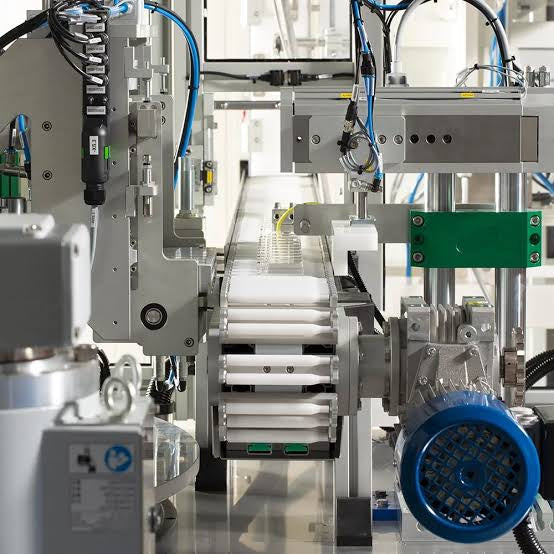
Automation engineers often rely on precise position and speed control to drive modern factory machinery. Modern industrial systems, such as Programmable Logic Controllers (PLCs) and Distributed Control Systems (DCS), depend heavily on standardized motion instructions. Mastering these commands ensures operational safety, protects mechanical components, and optimizes cycle times across production lines.
Mastering Modern Industrial Joystick Controls in Heavy Automation
Industrial joysticks play a pivotal role in human-machine interaction across heavy material handling and mobile hydraulics. These tactile controllers translate complex operator movements into precise electrical signals for PLCs, motion controllers, and DCS networks. Consequently, selecting and installing the right joystick architecture ensures operator safety, reduces fatigue, and optimizes equipment performance.

Navigating Industrial Automation Failures: Types, Causes, and Mitigation Strategies
Modern manufacturing relies heavily on automated control systems to maximize throughput and maintain product quality. However, unplanned downtime in industrial automation can cost facility operators thousands of dollars per hour. Understanding how programmable logic controllers (PLCs), distributed control systems (DCS), and field instrumentation fail empowers engineering teams to implement robust preventive maintenance strategies.