










Product Details
Product Overview
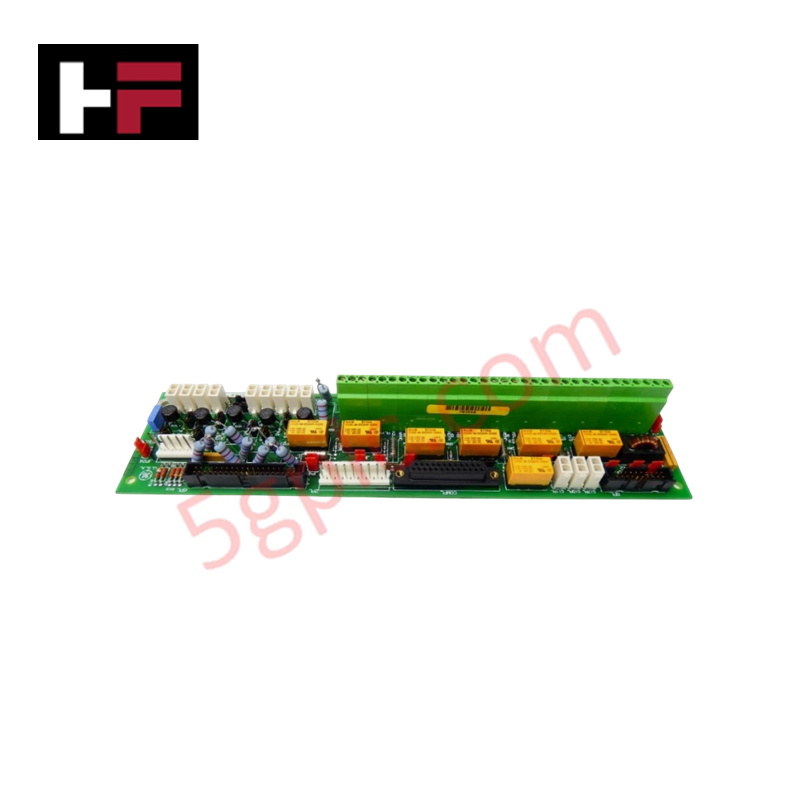
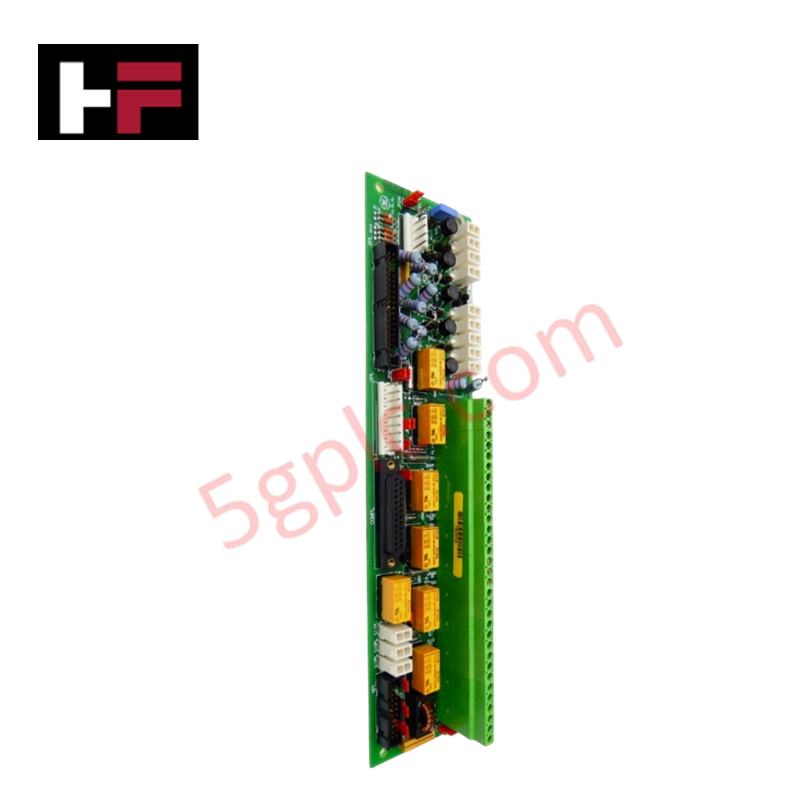
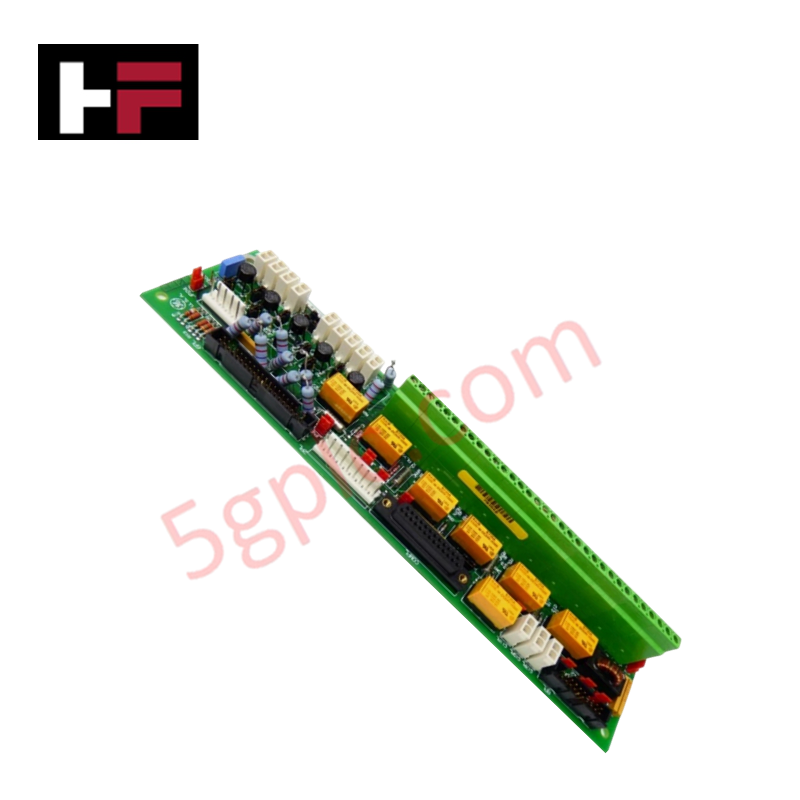
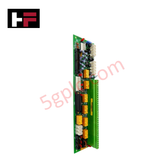
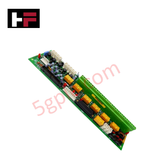
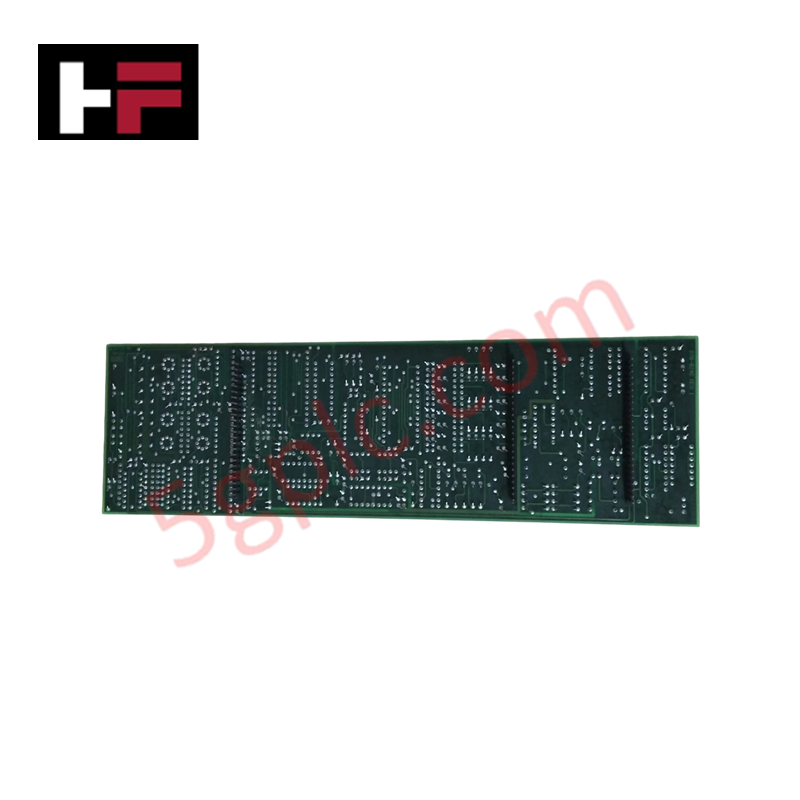
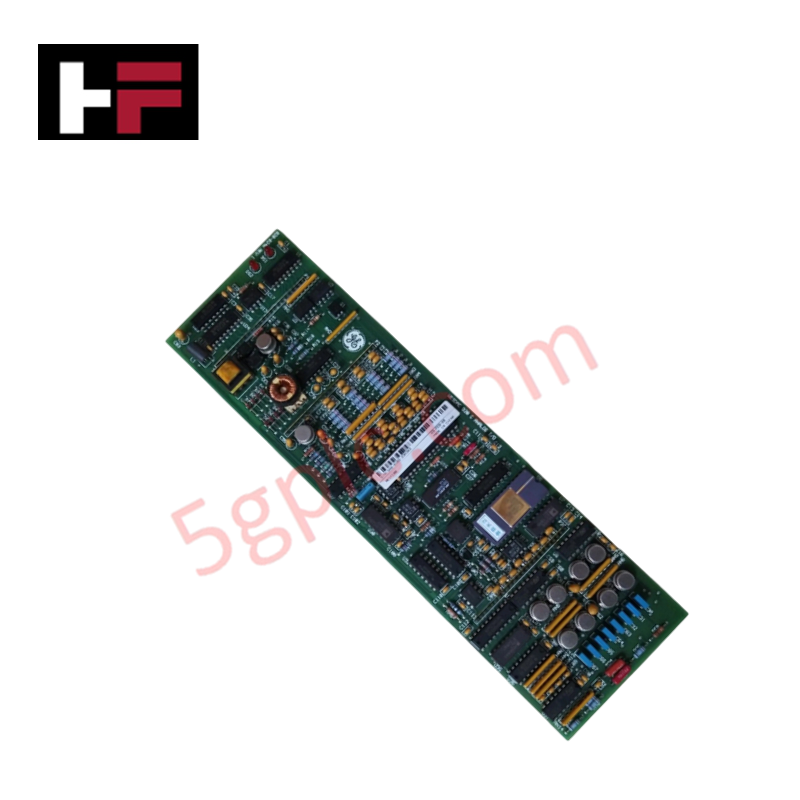
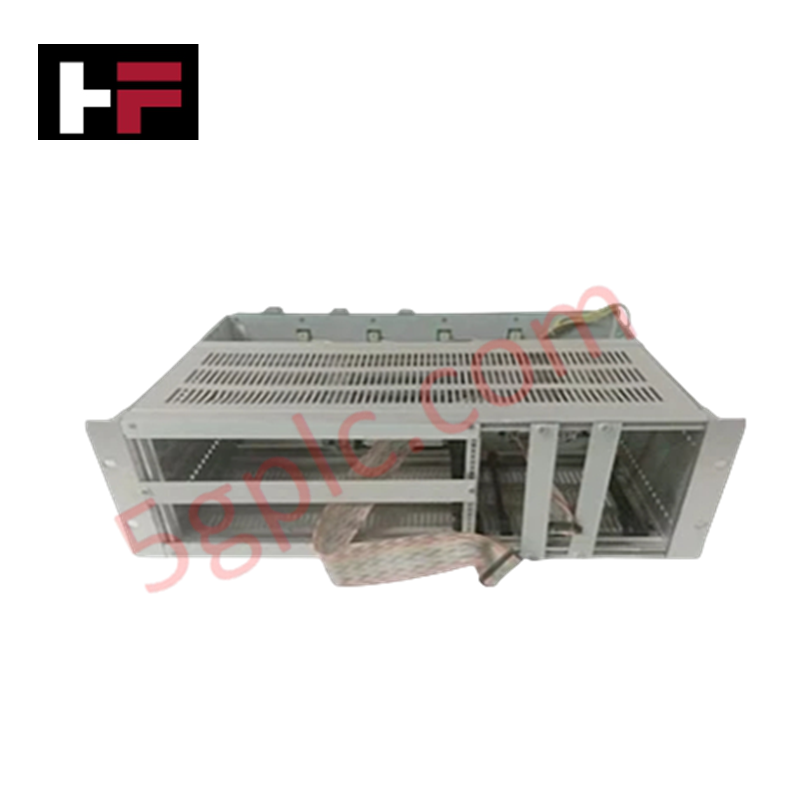
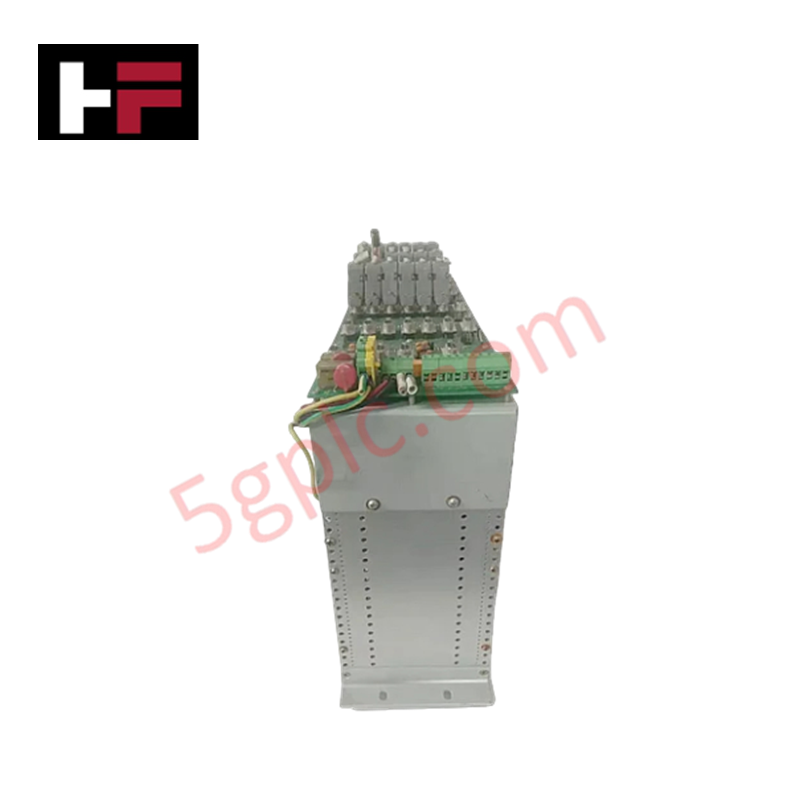
The DS200STBAG1ACB serves as a critical Basic Drive Terminal Board within General Electric’s Mark V Series. This board functions as the primary interface for I/O signals, leveraging the legacy of Speedtronic control technology. It facilitates seamless communication between the drive control board and the DC power supply, ensuring precise signal routing for industrial automated systems. We provide this unit as 100% Brand New and original equipment to guarantee peak performance in mission-critical environments.
Technical Specifications
The following table outlines the core hardware parameters for the DS200STBAG1ACB:
| Feature | Specification |
| Manufacturer | GE General Electric |
| Series | Mark V Speedtronic |
| Functional Acronym | STBA |
| Board Type | Basic Drive Terminal Board |
| PCB Coating | Normal Coating |
| I/O Connectivity | Connectors 6PL, 8PL (Control), 4PL (DC Power) |
| Interface | Serial Port for Diagnostics & Configuration |
| Instruction Manual | GEI-100177 |
Engineering Advantages
-
Precision Signal Routing: The STBA board utilizes dedicated 6PL and 8PL connectors to bridge the gap between drive control logic and physical I/O, eliminating signal latency.
-
Robust Diagnostic Access: The integrated serial port allows engineers to execute real-time troubleshooting and configuration directly at the hardware level.
-
Enhanced Revision Stability: As the "ACB" version, this board incorporates three significant functional and artwork revisions over the original DS200STBAG1 parent board, offering superior circuit stability.
-
Secure Mechanical Mounting: The design employs standoff posts and lock washers to isolate the PCB from vibration, protecting sensitive surface-mount components from mechanical stress.
Installation & Handling Guidelines
Professional installation ensures longevity. Follow these technical protocols:
-
Jumper Migration: You must transfer all hardware jumpers from the decommissioned board to the new DS200STBAG1ACB to replicate your specific system configuration.
-
Ribbon Cable Integrity: Always grip the connector housing when disconnecting ribbon cables. Never pull on the ribbon cable itself, as this compromises the wire-to-terminal crimp.
-
Mechanical Safety: Maintain a level orientation during installation. Avoid contact with the cabinet frame or adjacent modules to prevent electrostatic discharge (ESD) or physical trace damage.
-
Factory Connectors: Note that connectors CP1PL through CP4PL, CI1PL, CI5PL, CI7PL, and the Y-series interlock/brake circuits support GE factory-specific testing; do not modify these during standard field installation.
FAQs
-
Does the DS200STBAG1ACB replace older DS200STBAG1 versions?
Yes. This unit includes the A, C, and B revisions, making it a more advanced and stable version of the original STBA parent board while maintaining backward compatibility within the Mark V Series.
-
What precautions should I take regarding the lock washers?
Ensure you do not drop lock washers into the drive during installation. These metallic components can cause short circuits or physical damage to the lower PCB stacks if not recovered.
-
How do I unlock the latched cable connectors?
Several high-security connectors on this board feature manual latches. You must press the latch mechanism to release the lock before pulling the connector to avoid damaging the board-side headers.
Additional Information
- 100% Genuine Parts: All products are original and authentic, ensuring reliable industrial performance.
- 30-Day Refund Guarantee: Return any in-stock item within 30 days in original, unopened packaging for a full refund (excluding shipping and fees).
- 12-Month Warranty: Covers defects in materials or workmanship; excludes misuse, normal wear, or unauthorized modifications.
- Worldwide Shipping: We ship via USPS, UPS, FedEx, and DHL. Delivery times vary by country and may be subject to customs or import fees.
- Support & Contact: Technical and warranty assistance is available anytime. Contact us here: Contact.
- Purchase Guidance: Check product specifications and compatibility carefully before ordering to ensure proper application.
Tech & Buying Guide

Essential Motion Control Commands: A Practical Guide for Engineers
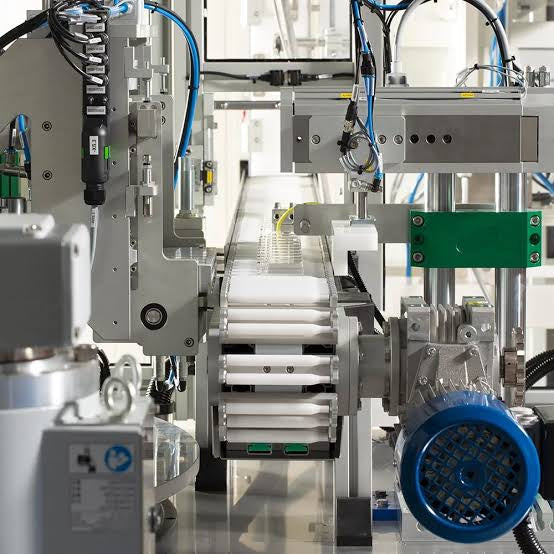
Automation engineers often rely on precise position and speed control to drive modern factory machinery. Modern industrial systems, such as Programmable Logic Controllers (PLCs) and Distributed Control Systems (DCS), depend heavily on standardized motion instructions. Mastering these commands ensures operational safety, protects mechanical components, and optimizes cycle times across production lines.
Mastering Modern Industrial Joystick Controls in Heavy Automation
Industrial joysticks play a pivotal role in human-machine interaction across heavy material handling and mobile hydraulics. These tactile controllers translate complex operator movements into precise electrical signals for PLCs, motion controllers, and DCS networks. Consequently, selecting and installing the right joystick architecture ensures operator safety, reduces fatigue, and optimizes equipment performance.

Navigating Industrial Automation Failures: Types, Causes, and Mitigation Strategies
Modern manufacturing relies heavily on automated control systems to maximize throughput and maintain product quality. However, unplanned downtime in industrial automation can cost facility operators thousands of dollars per hour. Understanding how programmable logic controllers (PLCs), distributed control systems (DCS), and field instrumentation fail empowers engineering teams to implement robust preventive maintenance strategies.