












Product Details
Product Overview
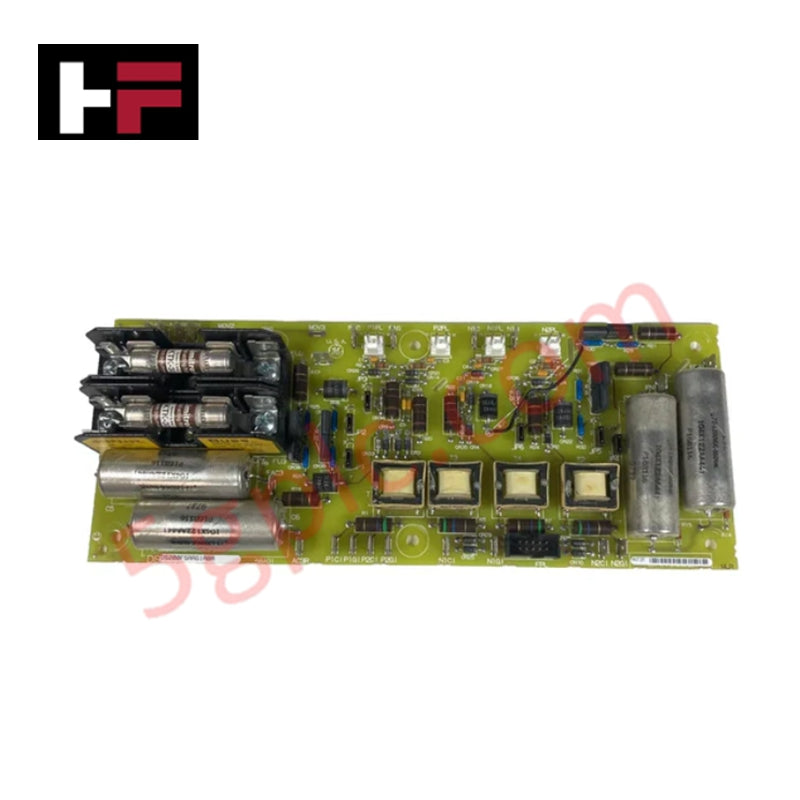
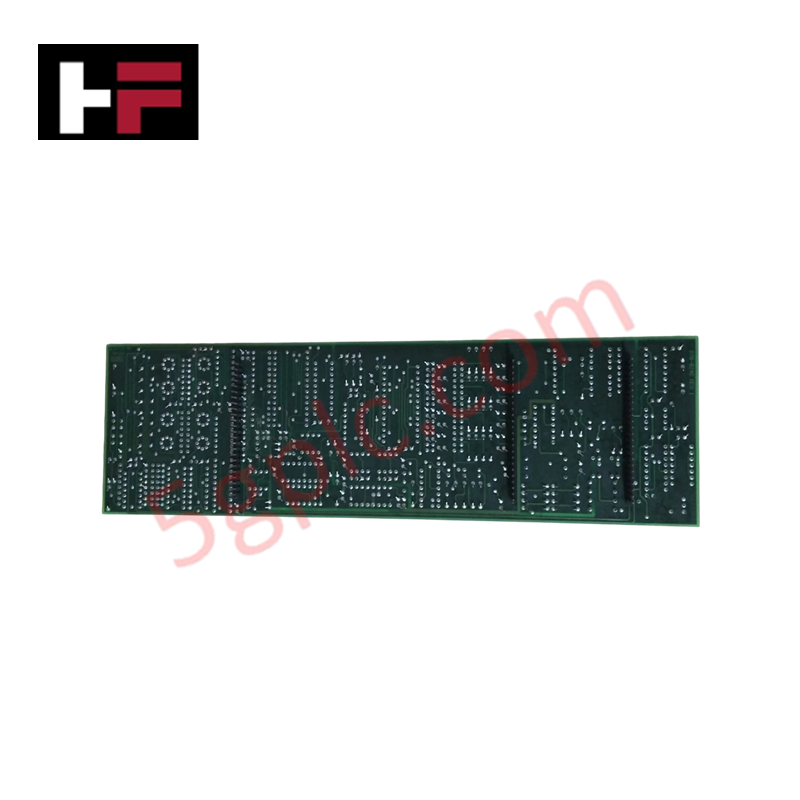
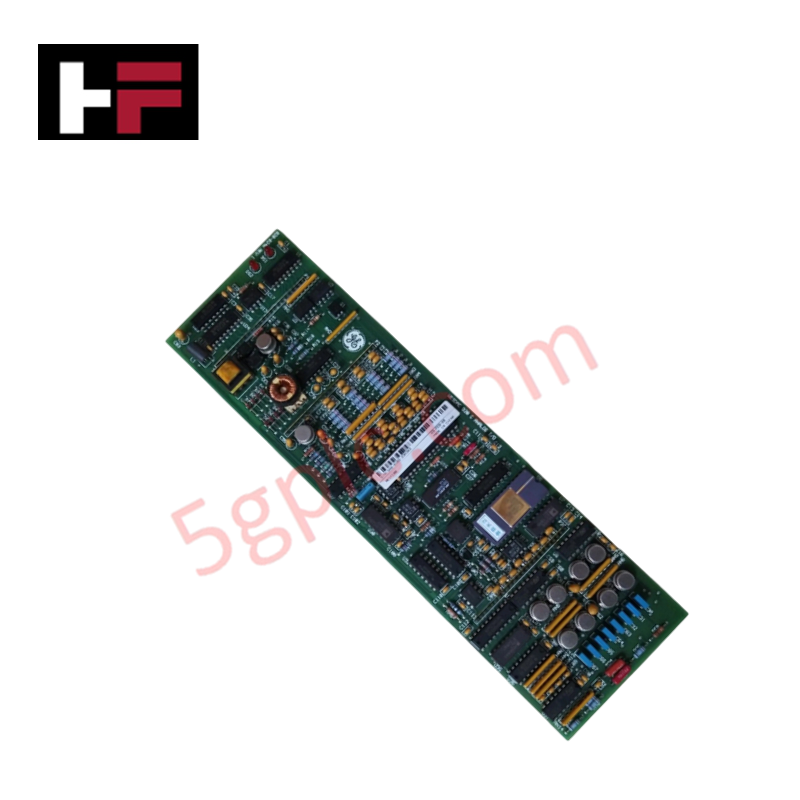
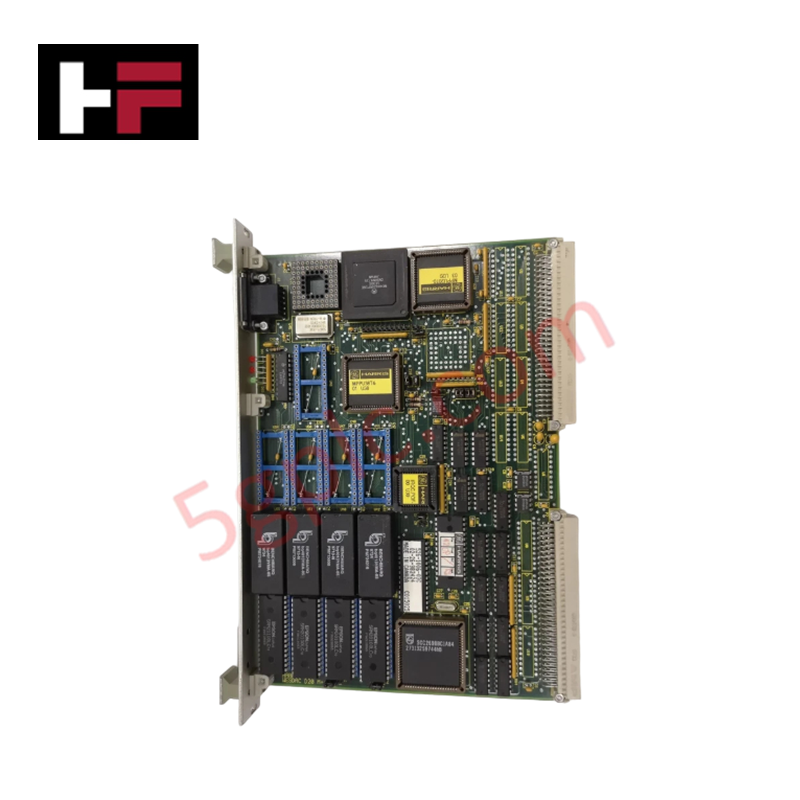
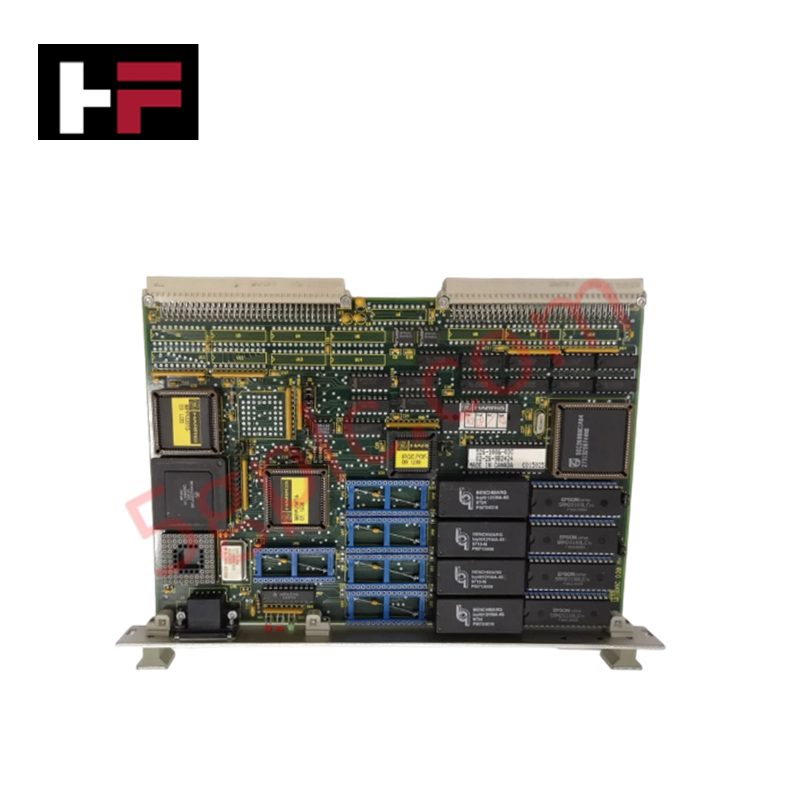
The DS200FSAAG1ABA functions as a high-precision Field Supply Amplifier (FSAA) designed specifically for the GE Mark V Turbine Control System. This board plays a pivotal role in regulating the gate signals for field supply assemblies within automated turbine drives. Leveraging GE's patented Speedtronic technology, the DS200FSAAG1ABA ensures stable excitation current management for gas and steam turbine systems. We provide this unit as 100% Brand New, delivering the latest hardware revisions for mission-critical industrial applications.
Technical Specifications
The DS200FSAAG1ABA integrates specialized hardware components to facilitate high-speed signal amplification:
| Feature | Specification |
| Manufacturer | GE General Electric |
| Series | Mark V Speedtronic |
| Functional Acronym | FSAA |
| Component Type | Field Supply Gate Amplifier |
| PCB Coating | Normal Coating |
| Connectors | One (1) 10-pin Signal Connector |
| Circuit Protection | Two (2) High-Capacity Fuses |
| Configuration | Five (5) Hardware Jumpers |
| Monitoring | Multiple On-board Test Points |
| Revision Level | ABA (Functional A/B, Artwork A) |
Engineering Advantages
-
Optimized Revision Logic: This "ABA" version replaces the original DS200FSAAG1 parent board. It incorporates three critical functional and artwork revisions that improve signal linearity and thermal stability during high-load gate firing.
-
Granular Field Control: Five integrated hardware jumpers allow engineers to calibrate the amplifier's response to match the specific impedance requirements of the field supply circuit.
-
Reliable Overcurrent Shielding: Two dedicated on-board fuses provide a localized hardware safety layer, preventing upstream power surges from damaging the sensitive amplifier circuitry or the main turbine controller.
-
Simplified Troubleshooting: Multiple physical test points enable real-time voltage monitoring. Maintenance teams use these points to verify gate pulse integrity without disconnecting the 10-pin interface.
-
Speedtronic Legacy Integration: The board utilizes the final generation of Speedtronic architecture, ensuring seamless synchronization with existing Mark V control cores and power bridges.
Installation Guidelines
-
Jumper Synchronization: You must match the positions of the 5 jumpers on the new DS200FSAAG1ABA with the settings of the board you replace. Incorrect jumper placement will alter the field excitation behavior.
-
Connector Integrity: Inspect the 10-pin connector for any pin misalignment before insertion. Firmly seat the cable to ensure consistent signal transmission to the gate assembly.
-
Handling Protocols: Always hold the PCB by its edges. This board contains sensitive surface-mount components that react negatively to oil or moisture from skin contact.
-
Fuse Verification: Before powering up the system, confirm both fuses are intact and properly seated in their clips to avoid "Open Circuit" faults upon drive initialization.
FAQs
Q: Can I use the DS200FSAAG1ABA to replace an original DS200FSAAG1 board?
A: Yes. The DS200FSAAG1ABA serves as the direct, upgraded replacement for the parent G1 board. It includes all cumulative functional updates and artwork refinements necessary for modern turbine control standards.
Q: What is the primary function of the 10-pin connector?
A: The 10-pin connector handles the primary signal interface between the FSAA board and the Mark V control rack, transmitting the low-level logic signals that the board then amplifies for the field supply.
Q: How do the test points assist in field maintenance?
A: The on-board test points allow technicians to use a multimeter or oscilloscope to measure signal output directly on the PCB. This simplifies the process of identifying whether a loss of field excitation originates on the board or in the external wiring.
Q: Is this board compatible with Mark I or Mark IV systems?
A: No. This board specifically belongs to the Mark V Series. While it uses Speedtronic technology pioneered in earlier series, the physical dimensions and connector pinouts are exclusive to Mark V turbine control architectures.
Additional Information
- 100% Genuine Parts: All products are original and authentic, ensuring reliable industrial performance.
- 30-Day Refund Guarantee: Return any in-stock item within 30 days in original, unopened packaging for a full refund (excluding shipping and fees).
- 12-Month Warranty: Covers defects in materials or workmanship; excludes misuse, normal wear, or unauthorized modifications.
- Worldwide Shipping: We ship via USPS, UPS, FedEx, and DHL. Delivery times vary by country and may be subject to customs or import fees.
- Support & Contact: Technical and warranty assistance is available anytime. Contact us here: Contact.
- Purchase Guidance: Check product specifications and compatibility carefully before ordering to ensure proper application.
Tech & Buying Guide

Essential Motion Control Commands: A Practical Guide for Engineers
Automation engineers often rely on precise position and speed control to drive modern factory machinery. Modern industrial systems, such as Programmable Logic Controllers (PLCs) and Distributed Control Systems (DCS), depend heavily on standardized motion instructions. Mastering these commands ensures operational safety, protects mechanical components, and optimizes cycle times across production lines.
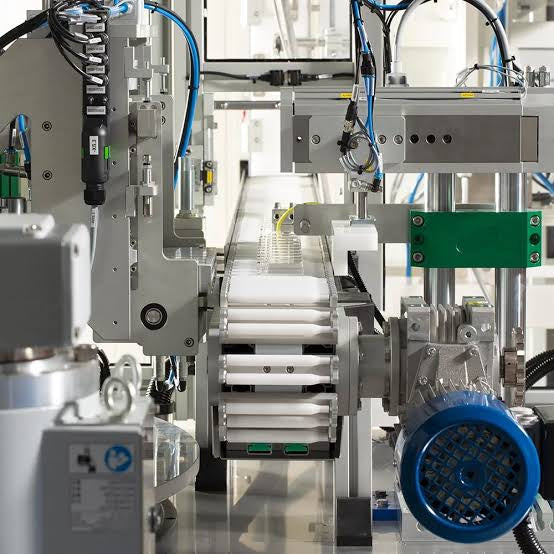
Mastering Modern Industrial Joystick Controls in Heavy Automation
Industrial joysticks play a pivotal role in human-machine interaction across heavy material handling and mobile hydraulics. These tactile controllers translate complex operator movements into precise electrical signals for PLCs, motion controllers, and DCS networks. Consequently, selecting and installing the right joystick architecture ensures operator safety, reduces fatigue, and optimizes equipment performance.

Navigating Industrial Automation Failures: Types, Causes, and Mitigation Strategies
Modern manufacturing relies heavily on automated control systems to maximize throughput and maintain product quality. However, unplanned downtime in industrial automation can cost facility operators thousands of dollars per hour. Understanding how programmable logic controllers (PLCs), distributed control systems (DCS), and field instrumentation fail empowers engineering teams to implement robust preventive maintenance strategies.