












Product Details
Product Overview
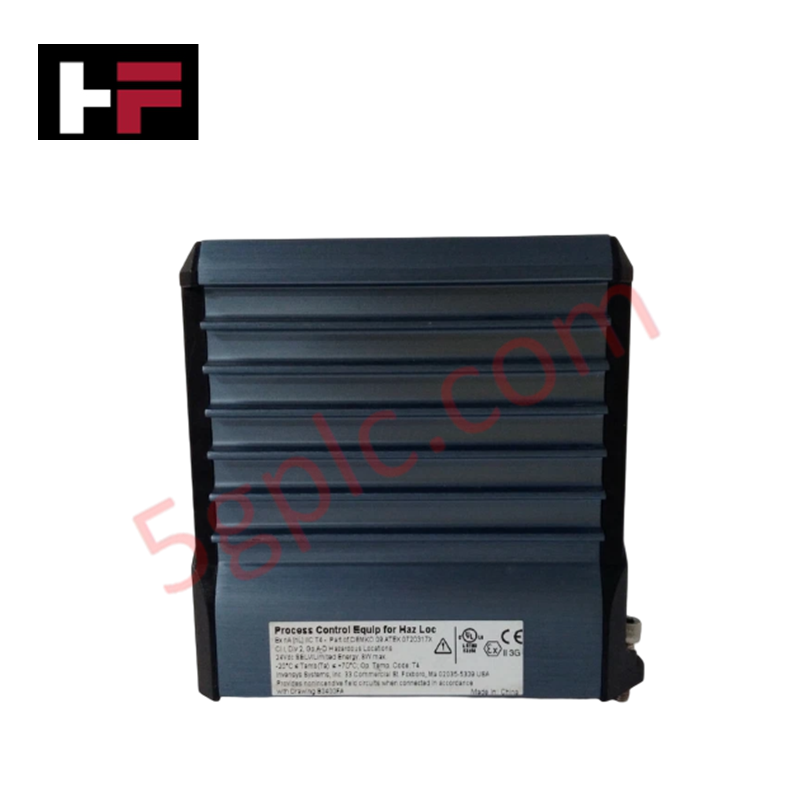
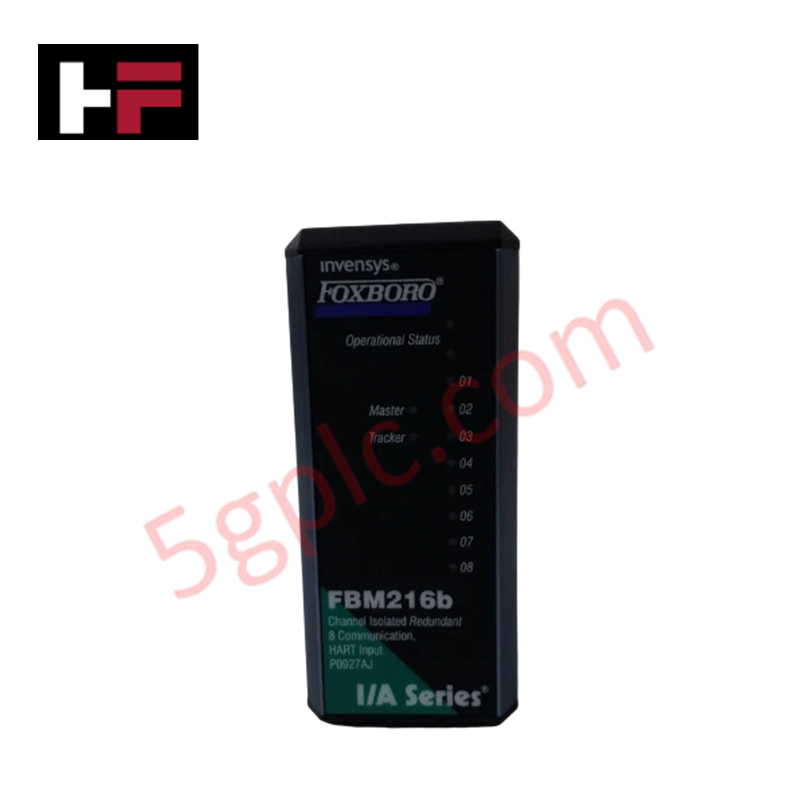
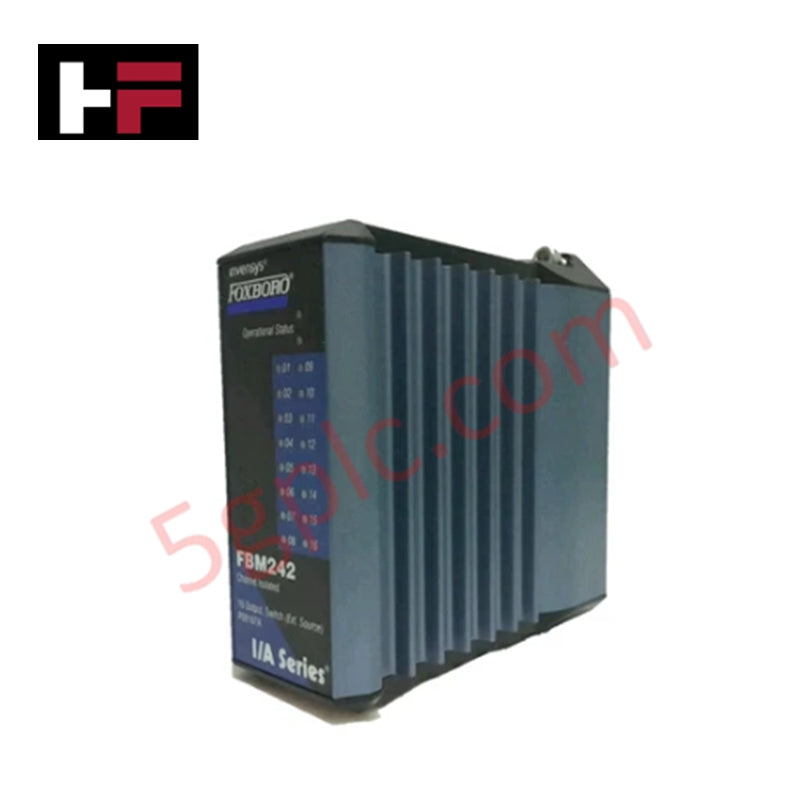
The Foxboro FBM216B (P0927AJ) functions as a high-integrity HART communication input interface for the Foxboro I/A Series Distributed Control System (DCS). This module processes eight individually isolated channels, managing both standard 4-20 mA analog signals and digital HART Frequency Shift Keying (FSK) data. It serves as a critical bridge for smart field instrumentation in refineries, chemical plants, and power utilities. We supply this hardware as 100% Brand New and Original, ensuring your control architecture utilizes factory-sealed components for maximum Mean Time Between Failures (MTBF).
Technical Specifications
| Parameter | Specification Detail |
| Manufacturer | Foxboro (Schneider Electric) |
| Model Number | FBM216B / P0927AJ |
| Channel Count | 8 Individually Isolated Channels |
| Resolution | 15 bits |
| Update Rate | 100 ms per channel |
| Common Mode Rejection | >100 dB at 50/60 Hz |
| Input Signal | 4-20 mA with Superimposed Digital HART |
| Communication Speed | 2 digital messages per second from field devices |
| Operating Temperature | -40 to +70°C (-40 to +158°F) |
| Power Consumption | Max 7 W (4 W Heat Dissipation) |
| Dimensions | 4.5 cm (W) x 11 cm (H) x 11.5 cm (D) |
| Weight | 0.32 kg |
Engineering Advantages
The FBM216B P0927AJ overcomes specific signal integrity and system availability challenges through advanced hardware engineering:
-
Continuous Master-Tracker Redundancy: The module utilizes a redundant pair configuration with a common termination assembly. The "Tracker" module continuously monitors the "Master" module’s health and data. This architecture ensures an instantaneous switchover in the event of a hardware fault, preventing process interruptions.
-
Superior Noise Immunity: With a common mode rejection ratio exceeding 100 dB at 50/60 Hz, the FBM216B filters out heavy electrical noise typical of environments with large motors and variable frequency drives (VFDs). This ensures the DCS receives clean, accurate analog data.
-
High-Precision Signal Conversion: The 15-bit resolution and a low temperature coefficient (50 PPM/°C) provide ultra-stable measurements across the entire operating temperature range. This precision minimizes signal drift, reducing the frequency of field instrument recalibration.
-
Ruggedized Environmental Resilience: Unlike standard commercial I/O, the FBM216B operates reliably from -40°C to +70°C. It withstands vibrations up to 7.5 m/s², making it suitable for mounting in non-climate-controlled cabinets near heavy industrial machinery.
-
Isolated Field Protection: Every channel features independent galvanic isolation. This protection prevents ground loops and ensures that a high-voltage surge on one field loop does not propagate to the other seven channels or the system Fieldbus.
FAQs
-
Is the FBM216B P0927AJ compatible with existing I/A Series Fieldbus?
Yes. The module interfaces with the redundant 2 Mbps Fieldbus and accepts communication from either the A or B path. It integrates seamlessly with existing FCM or FCP processors.
-
Does the module require external calibration?
No. The factory calibrates the FBM216B to strict standards before sealing. The internal 15-bit architecture maintains high accuracy without the need for manual field adjustments, though we recommend standard loop checks during commissioning.
-
Can I use this module for non-HART 4-20 mA transmitters?
Absolutely. The FBM216B treats standard 4-20 mA signals with the same 15-bit precision. It simply ignores the FSK digital layer if no HART data exists, providing high-speed analog updates (100 ms) for all channels.
-
How do I verify the hardware condition?
We guarantee every FBM216B is 100% Brand New. Each unit ships in original Foxboro factory packaging with intact security seals, ensuring the hardware has never experienced thermal stress or field exposure.
Additional Information
- 100% Genuine Parts: All products are original and authentic, ensuring reliable industrial performance.
- 30-Day Refund Guarantee: Return any in-stock item within 30 days in original, unopened packaging for a full refund (excluding shipping and fees).
- 12-Month Warranty: Covers defects in materials or workmanship; excludes misuse, normal wear, or unauthorized modifications.
- Worldwide Shipping: We ship via USPS, UPS, FedEx, and DHL. Delivery times vary by country and may be subject to customs or import fees.
- Support & Contact: Technical and warranty assistance is available anytime. Contact us here: Contact.
- Purchase Guidance: Check product specifications and compatibility carefully before ordering to ensure proper application.
Tech & Buying Guide
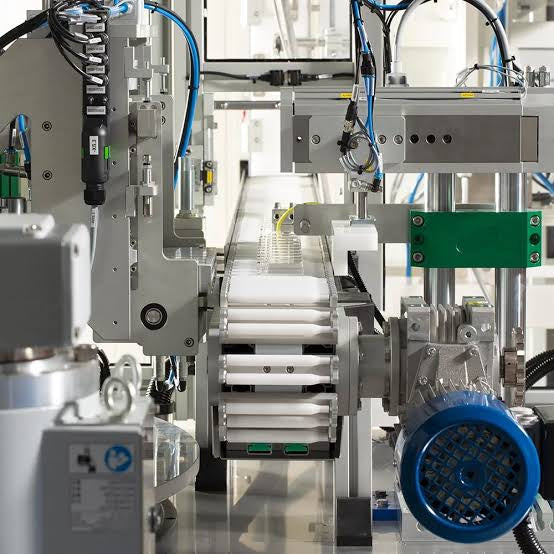
Mastering Modern Industrial Joystick Controls in Heavy Automation
Industrial joysticks play a pivotal role in human-machine interaction across heavy material handling and mobile hydraulics. These tactile controllers translate complex operator movements into precise electrical signals for PLCs, motion controllers, and DCS networks. Consequently, selecting and installing the right joystick architecture ensures operator safety, reduces fatigue, and optimizes equipment performance.

Navigating Industrial Automation Failures: Types, Causes, and Mitigation Strategies
Modern manufacturing relies heavily on automated control systems to maximize throughput and maintain product quality. However, unplanned downtime in industrial automation can cost facility operators thousands of dollars per hour. Understanding how programmable logic controllers (PLCs), distributed control systems (DCS), and field instrumentation fail empowers engineering teams to implement robust preventive maintenance strategies.
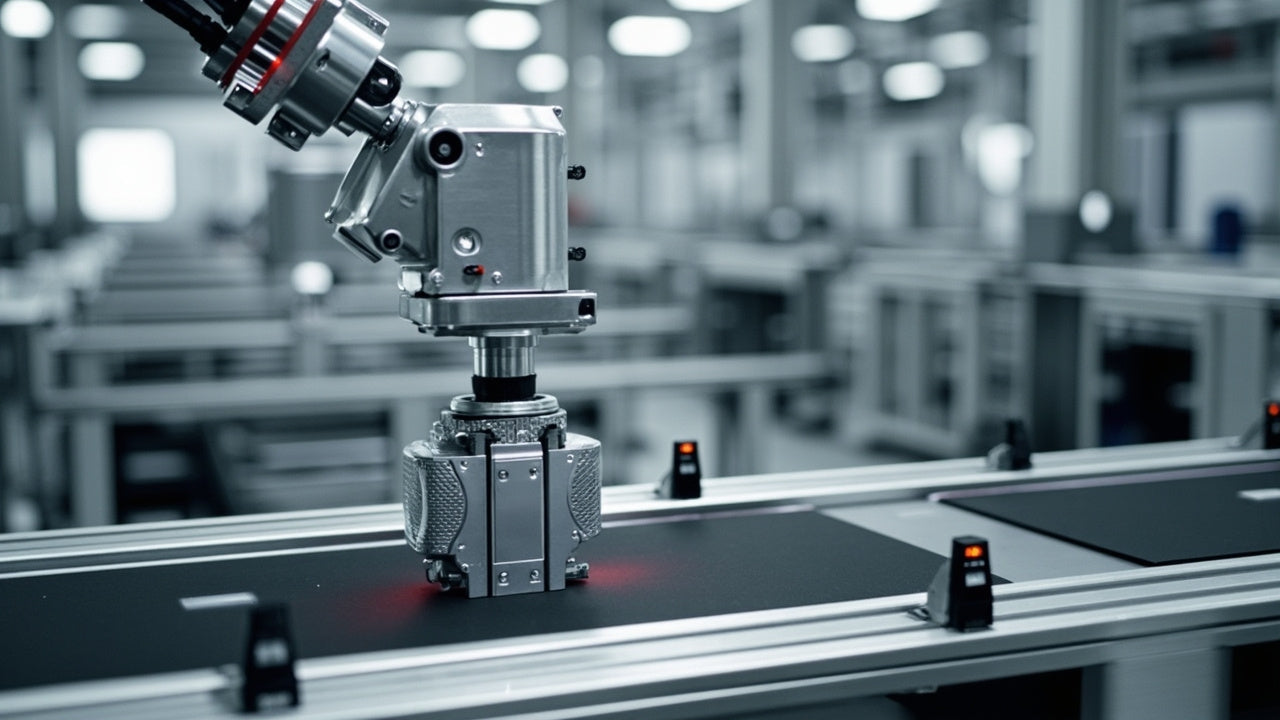
Essential Motion Control Commands: A Practical Guide for Engineers
Automation engineers often rely on precise position and speed control to drive modern factory machinery. Modern industrial systems, such as Programmable Logic Controllers (PLCs) and Distributed Control Systems (DCS), depend heavily on standardized motion instructions. Mastering these commands ensures operational safety, protects mechanical components, and optimizes cycle times across production lines.