
Product Details
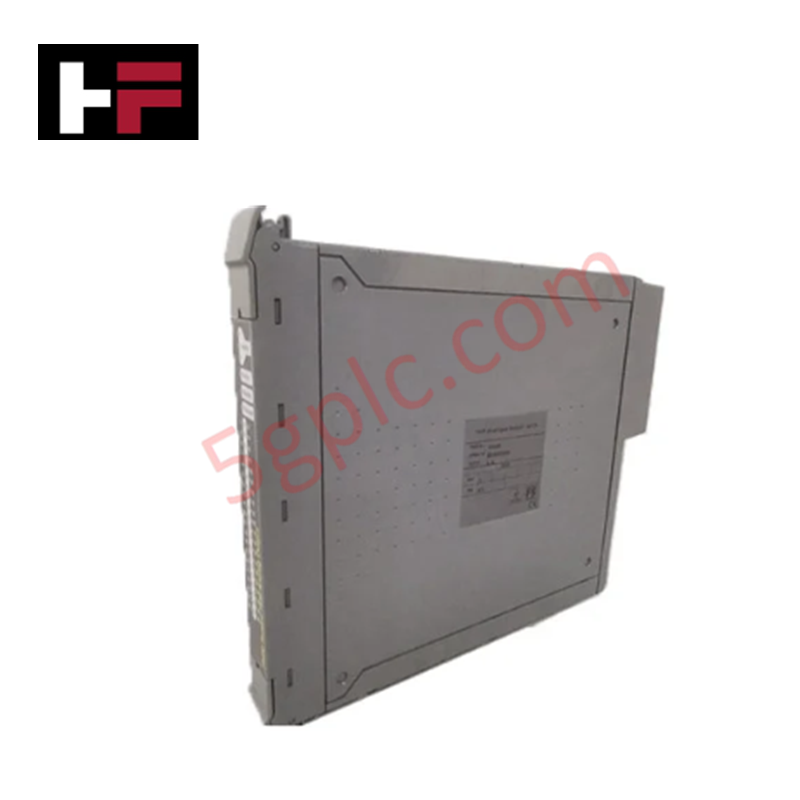
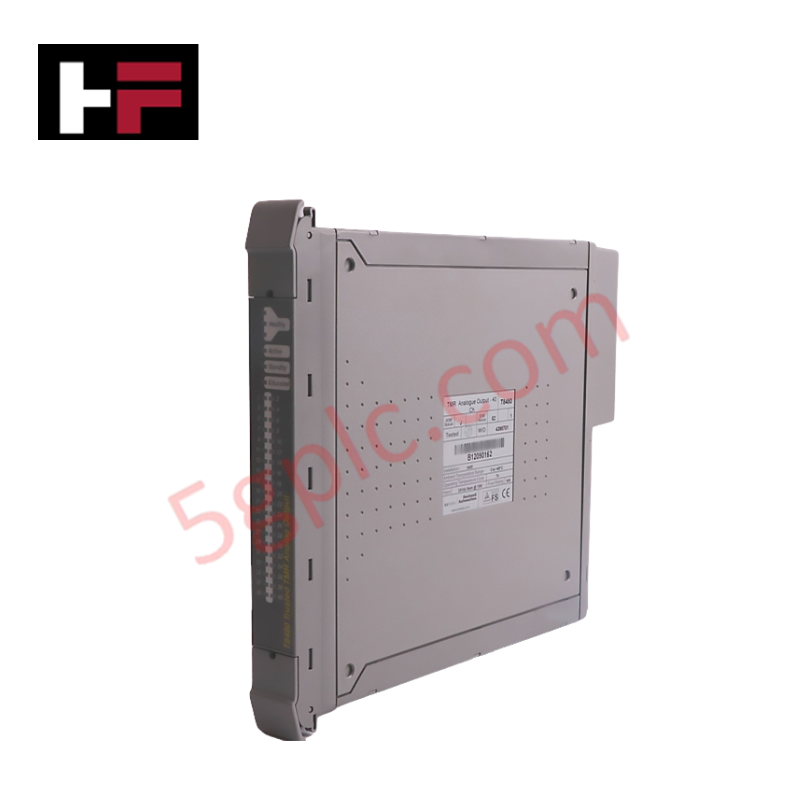
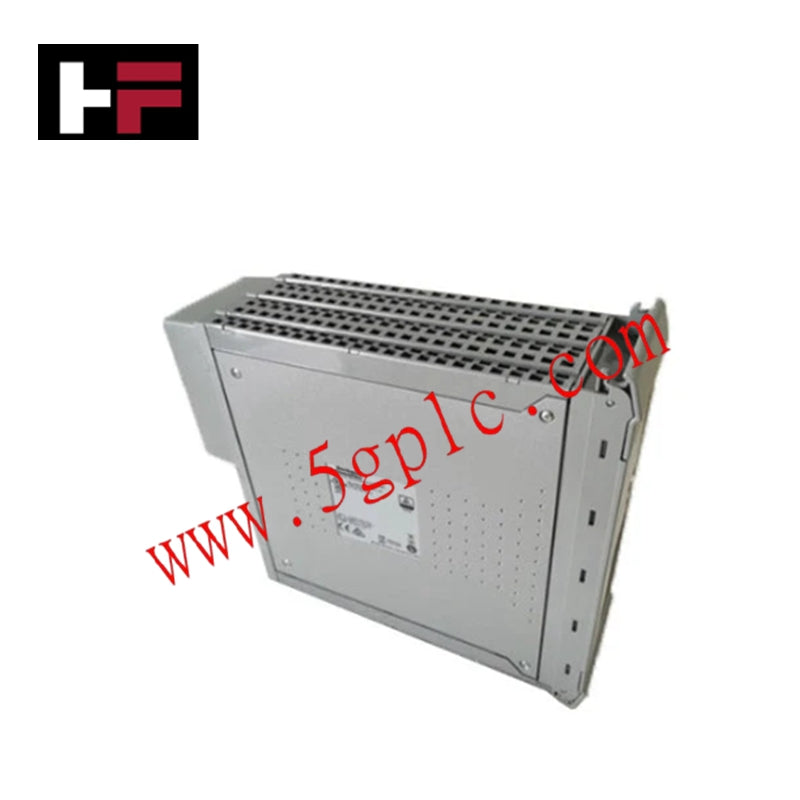
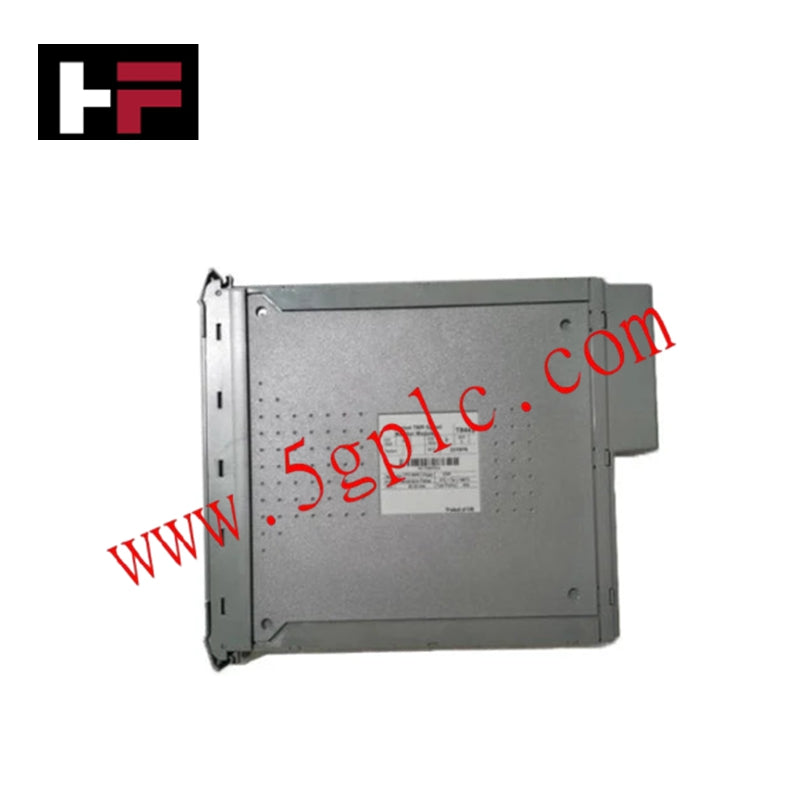
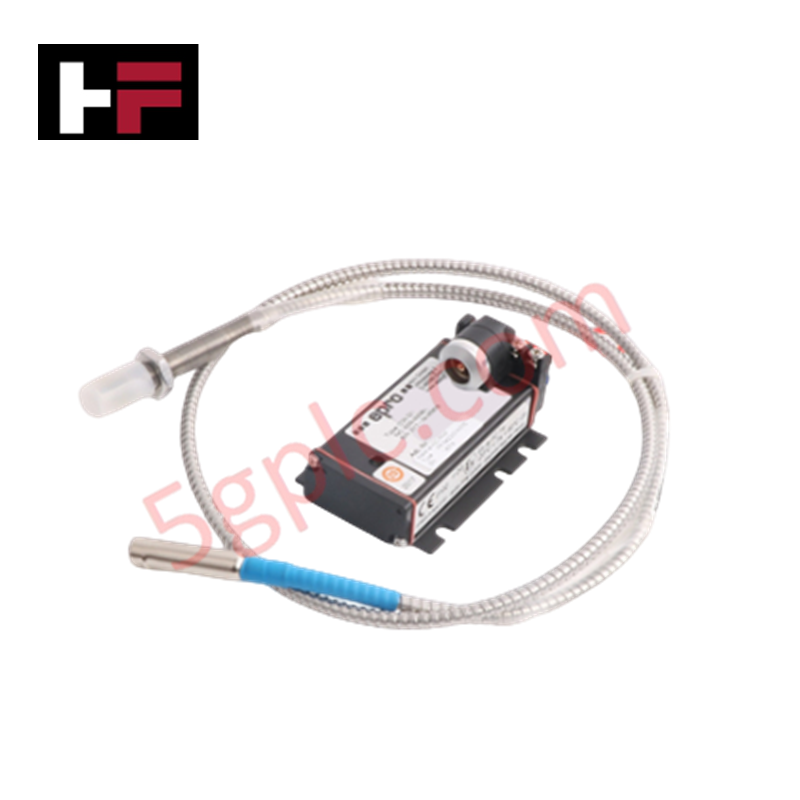
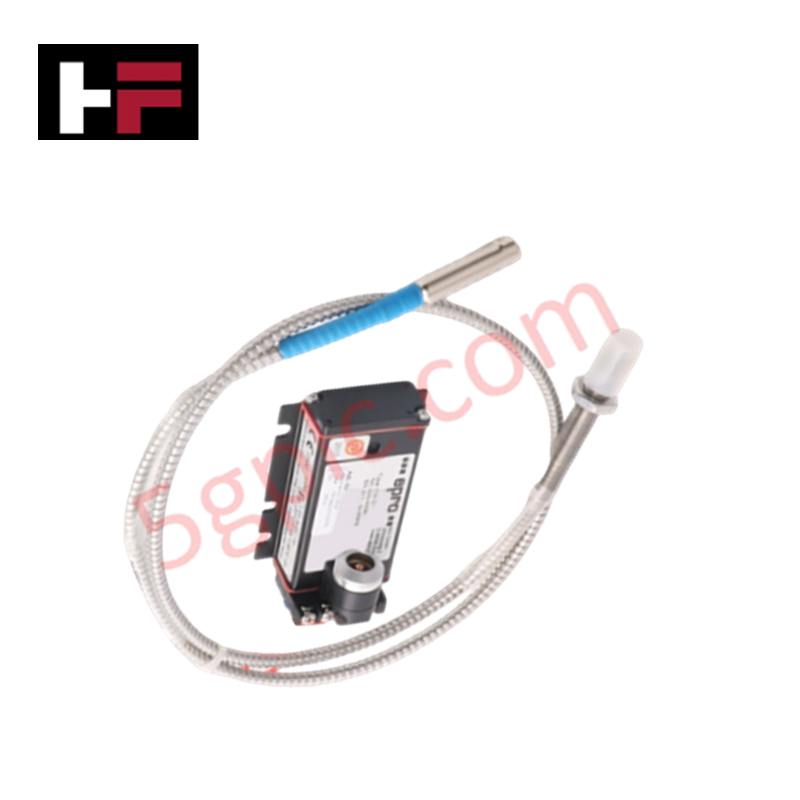
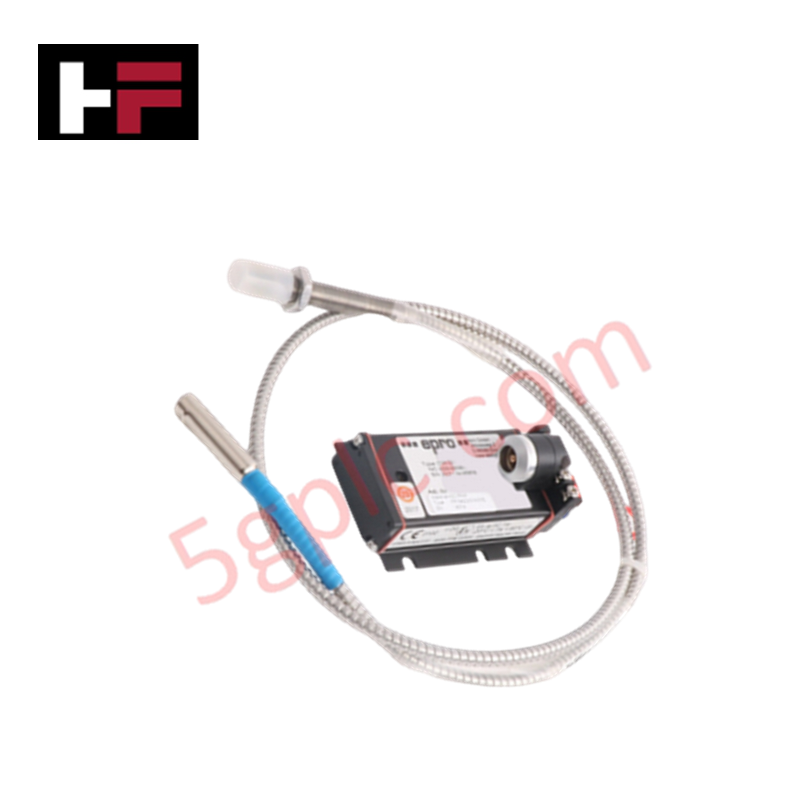
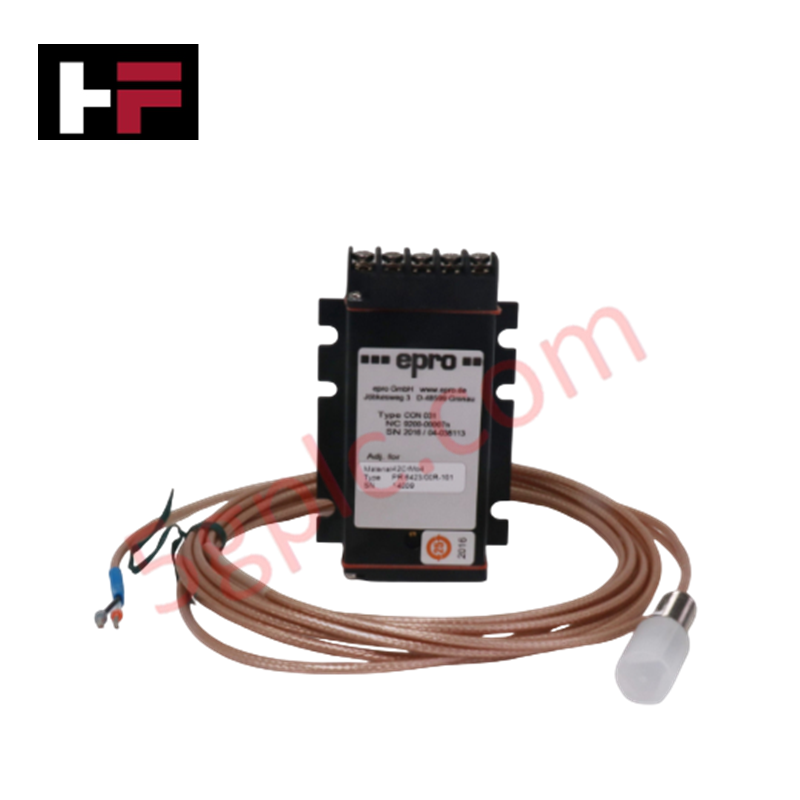
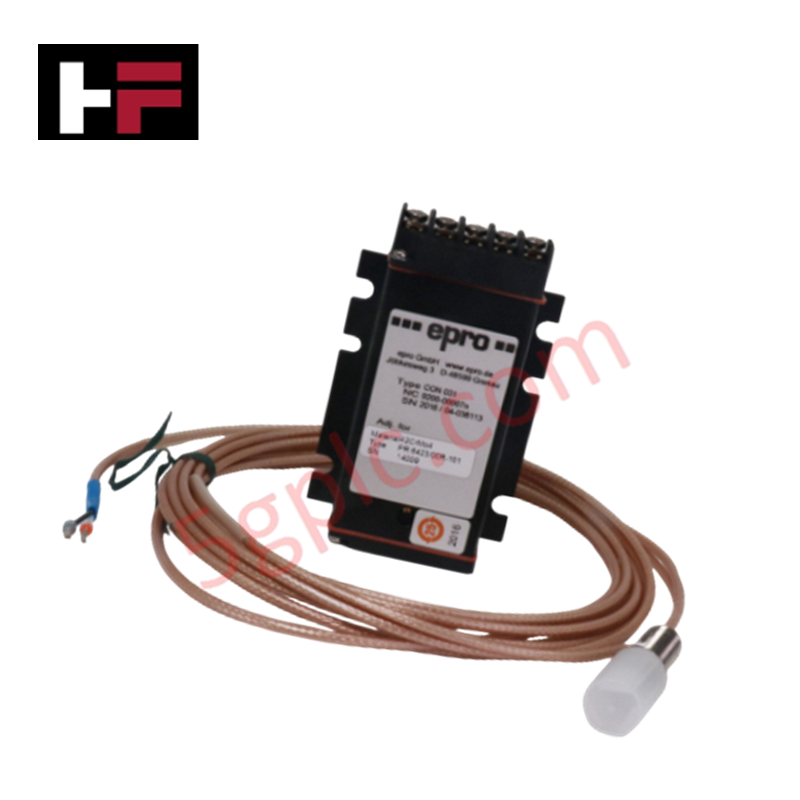
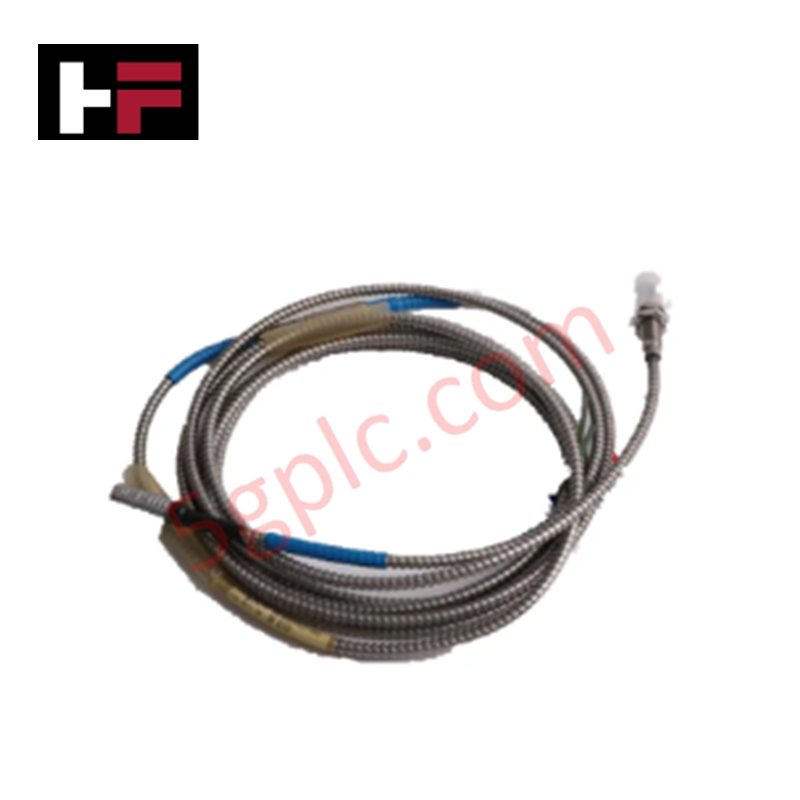
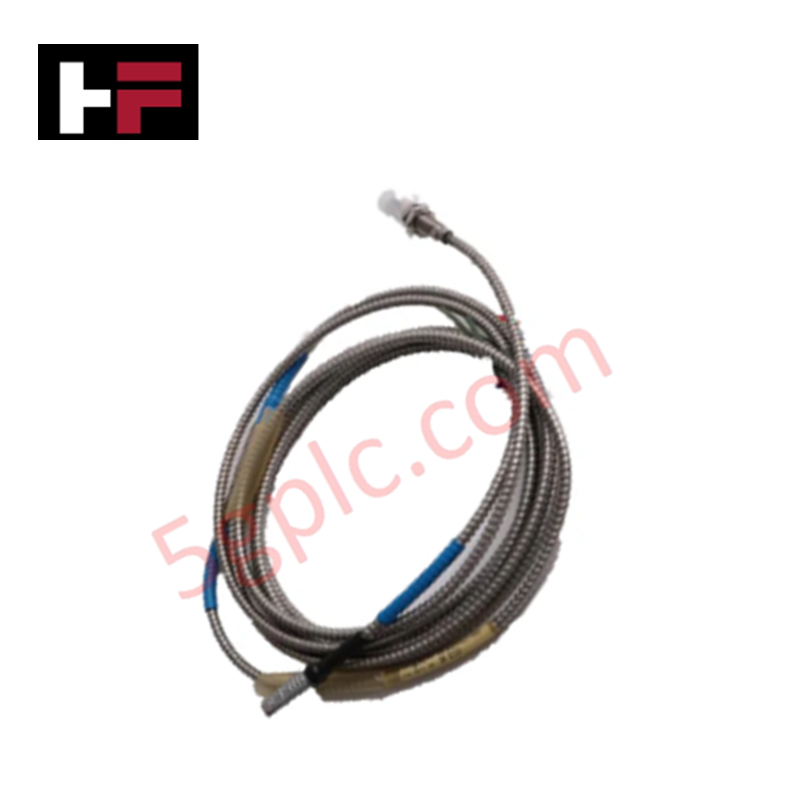
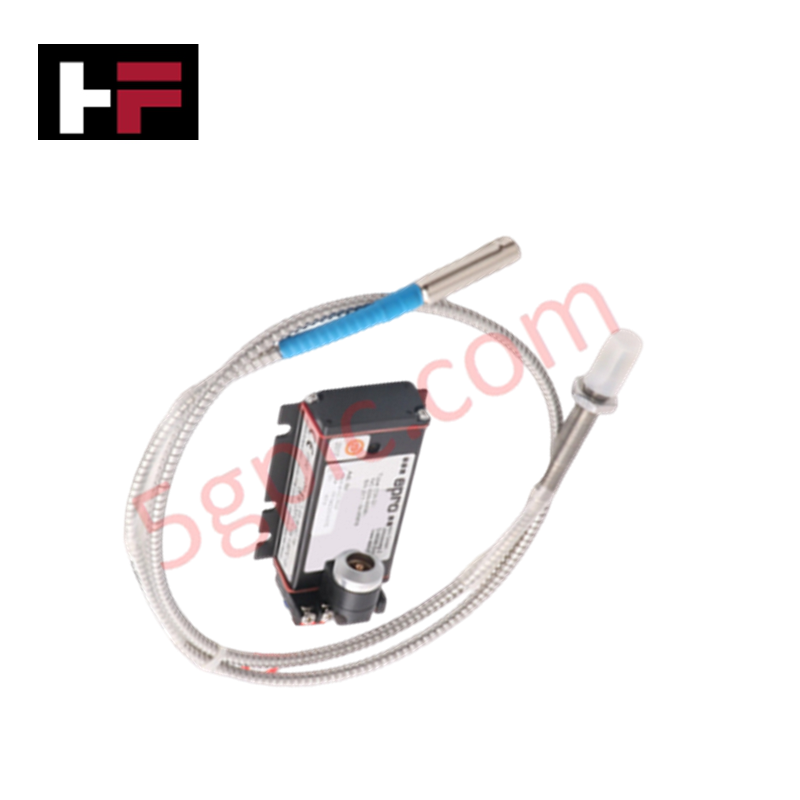
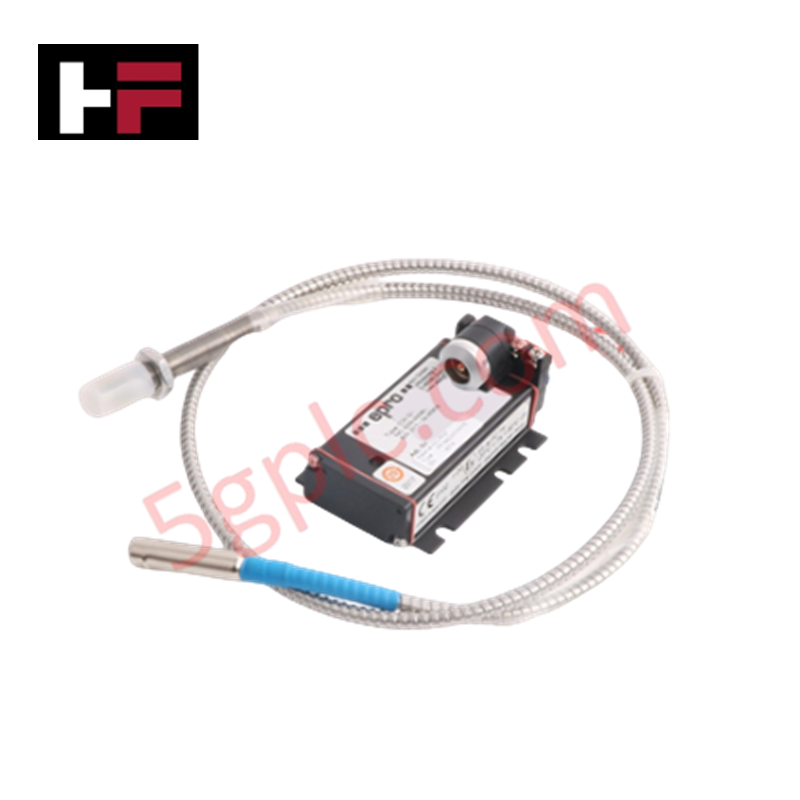
Configured for non-contact shaft displacement and radial vibration execution in turbomachinery protection platforms, the EMERSON PR6423/012-010 (PR6423 Eddy Current Sensor) provides direct physical/electrical execution.
Hardware Specifications
| Parameter | Specification |
|---|---|
| Model | PR6423/012-010 CON021 |
| Brand | EMERSON (Epro) |
| Origin | Germany / USA |
| Weight | 0.38 kg |
| Dimensions | Standard M10 thread body / 8 mm tip diameter |
| Operating Temp | -35 deg C to +180 deg C (Sensor Tip) |
| Power Consumption | Loop powered via CON021 signal converter / transmitter |
| Measuring Principle | High-frequency non-contact eddy current induction |
| Connector Interface | CON021 robust coaxial connector assembly |
Eddy-Current Probe Scaling & Gap Voltage Validation
The PR6423 sensor functions by generating an RF field at the probe tip, where target distance variation alters magnetic loss characteristics. Accurate signal transduction relies on exact eddy-current probe scaling tuned to 4140 steel or specified shaft metallurgy. Static positioning requires gap voltage validation (-10 VDC targets) across the linear range of the associated CON021 transmitter module. Array configurations utilize physical spatial separation to ensure cross-talk suppression during multi-axis radial vibration measurement on high-speed rotor dynamics setups.
Frequently Asked Questions
Q: What is the primary purpose of the CON021 integrated connector interface?
A: The CON021 connector provides a sealed, low-attenuation coaxial coupling designed to maintain high-frequency signal integrity between the sensor cable and signal processing unit in high-vibration industrial environments.
Q: Can the PR6423 probe cable be lengthened or spliced directly in the field?
A: Direct cutting or field splicing is prohibited. The total probe and extension cable length form a tuned resonant LC circuit; altering cable length shifts oscillator frequency and corrupts system calibration.
Field Installation Guidelines
- Ensure target surface maintains adequate counter-bore side clearance to eliminate stray metal proximity interference affecting probe scaling.
- Set physical probe gap using precision feeler gauges or by monitoring transmitter output voltage until the nominal gap voltage (-10 VDC target) is achieved.
- Route sensor cabling through dedicated flexible metallic conduit away from high-voltage AC lines to prevent induced signal distortion.
- Apply thread locking fluid or tighten locknuts to specified mechanical torque limits to prevent installation drift under continuous machine vibration.
Additional Information
- 100% Genuine Parts: All products are original and authentic, ensuring reliable industrial performance.
- 30-Day Refund Guarantee: Return any in-stock item within 30 days in original, unopened packaging for a full refund (excluding shipping and fees).
- 12-Month Warranty: Covers defects in materials or workmanship; excludes misuse, normal wear, or unauthorized modifications.
- Worldwide Shipping: We ship via USPS, UPS, FedEx, and DHL. Delivery times vary by country and may be subject to customs or import fees.
- Support & Contact: Technical and warranty assistance is available anytime. Contact us here: Contact.
- Purchase Guidance: Check product specifications and compatibility carefully before ordering to ensure proper application.




Tech & Buying Guide

Understanding Instrumentation Control Systems in Modern Industrial Automation
An instrumentation control system (ICS) serves as the central nervous system of modern manufacturing plants and processing facilities. Engineers classify these setups as Electrical, Electronic, or Programmable Electronic Systems (E/E/PES). In practice, an ICS bridges the physical world of industrial machinery with digital decision-making tools. Therefore, understanding its architecture is essential for anyone working in factory automation, process control, or plant safety.

Mastering Electrical Grounding Fundamentals in Industrial Automation and Control Systems
Electrical grounding is a complex engineering discipline. It requires deep knowledge of soil composition and conductor materials. National Electrical Code (NEC) Article 250 outlines these requirements clearly. Many engineers confuse grounding, earthing, and bonding. Grounding connects circuits to a common reference point. Earthing specifically links equipment directly to the planet. Bonding permanently joins metallic parts to ensure electrical continuity.

Architectural Blueprint of Industrial Automation and Control Systems (IACS): Standards, Safety, and Remote Operations
According to IEC 62443, Industrial Automation and Control Systems (IACS) integrate personnel, hardware, and software. These components collectively influence the safety and reliability of any industrial process. Modern control systems allow extensive remote monitoring and operation. However, enabling remote capabilities introduces complex cybersecurity challenges. Therefore, facility operators must evaluate system functions carefully before expanding connectivity.